Choosing the right hardware for your kitchen cabinets can completely change the look and feel of your space. But with so many options out there, it’s easy to feel overwhelmed.
You want something that not only looks great but also works well every day. What if you could find hardware that matches your style, fits your budget, and lasts for years? You’ll discover simple tips to pick the perfect cabinet hardware that makes your kitchen truly shine.
Keep reading—you’re about to unlock the secret to a kitchen makeover that’s both beautiful and practical.

Credit: www.ksrenovationgroup.com
Types Of Cabinet Hardware
Choosing the right cabinet hardware can change your kitchen’s look. Cabinet hardware includes knobs, pulls, handles, and hinges. These small details affect both style and function. Understanding the types of hardware helps you pick the best fit for your kitchen.
Knobs Vs Pulls
Knobs are small and usually round or square. They need only one hole for installation. Pulls are longer and allow a better grip. They require two holes and work well on larger doors or drawers. Knobs give a simple, classic look. Pulls offer a modern, sleek feel. Both types can suit many kitchen styles.
Materials And Finishes
Hardware comes in many materials like metal, wood, and plastic. Metal is the most common and durable. Popular metals include brass, stainless steel, and bronze. Finishes change the hardware’s color and texture. Matte, shiny, brushed, and antique finishes add different moods. Choose materials and finishes that match your kitchen’s theme and resist wear.
Styles To Match Your Kitchen
Cabinet hardware styles range from traditional to modern. Classic designs feature simple shapes and soft curves. Modern styles use clean lines and minimal detail. Rustic hardware often includes wrought iron or distressed finishes. Transitional styles blend old and new elements. Pick a style that fits your kitchen’s overall design and personal taste.
Measuring For Hardware
Measuring for kitchen cabinet hardware is an important step. It helps ensure the handles or knobs fit well and look balanced. Accurate measurements prevent mistakes and save time. Small errors can cause big problems during installation. Take your time and measure carefully for the best results.
Determining Size And Placement
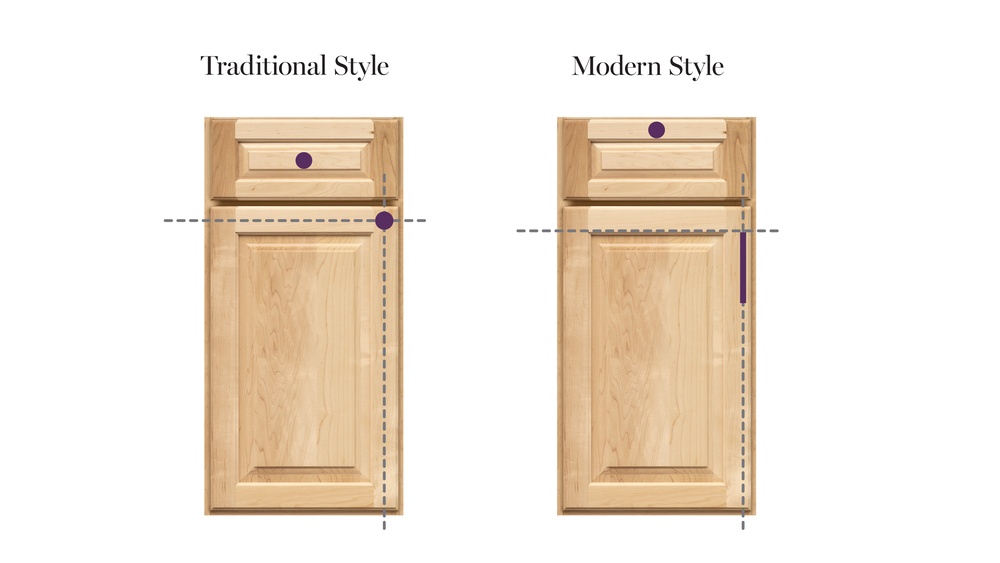
Start by deciding the size of your cabinet doors and drawers. Larger doors usually need bigger handles or knobs. Measure the height and width of the door or drawer front. Decide where the hardware will go. Handles often go near the edge, knobs near the corner. Mark the spots lightly with a pencil. Check that the placement feels natural and easy to use.
Tools You’ll Need
Use a tape measure or ruler for precise measurements. A pencil helps mark the spots for drilling. A level ensures the hardware stays straight across doors or drawers. A drill with the right drill bit will make holes for screws. Keep a piece of masking tape handy to prevent wood from splitting while drilling.
Matching Hardware With Cabinet Style
Choosing the right hardware can change the look of your kitchen cabinets. Hardware should match the style of your cabinets. It brings out the best in your kitchen design. Small details like knobs and pulls make a big difference. Each cabinet style has hardware that fits best. Pick hardware that blends well with your cabinets.
Traditional Cabinets
Traditional cabinets often have detailed woodwork. Choose hardware with classic shapes and finishes. Brass, bronze, and antique gold work well. Look for ornate knobs and curved handles. These styles add warmth and charm. They highlight the cabinet’s classic design.
Modern Cabinets
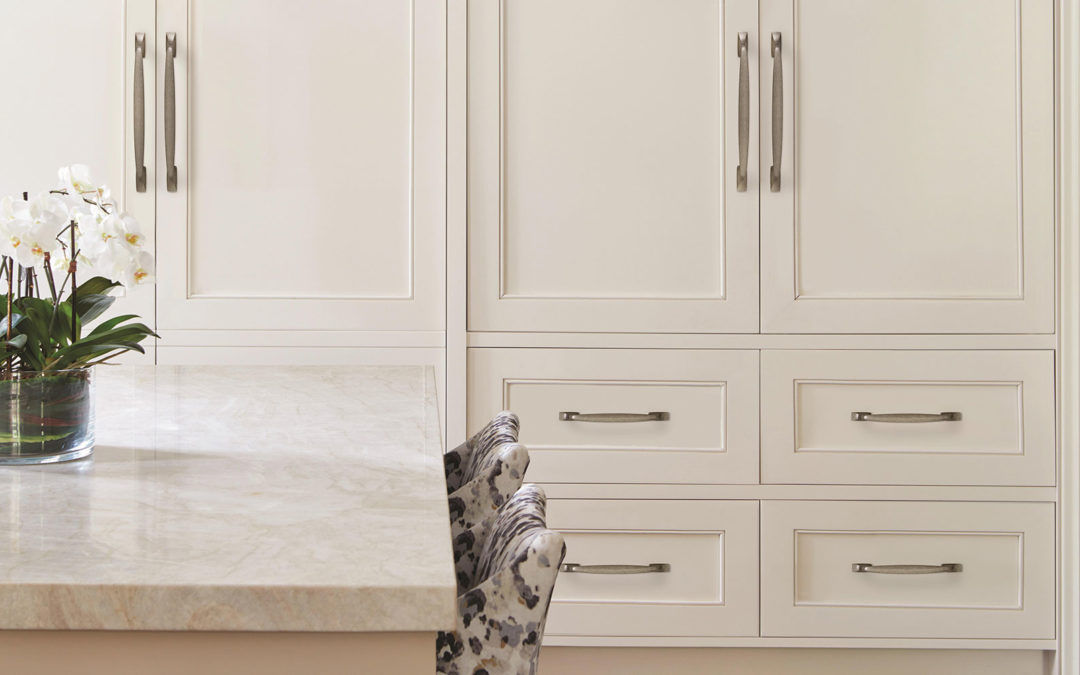
Modern cabinets have clean lines and simple shapes. Opt for sleek, minimal hardware. Chrome, brushed nickel, or matte black finishes suit modern styles. Straight bar pulls or simple round knobs match well. They keep the look neat and fresh. Avoid busy or overly decorative pieces.
Rustic And Transitional Styles
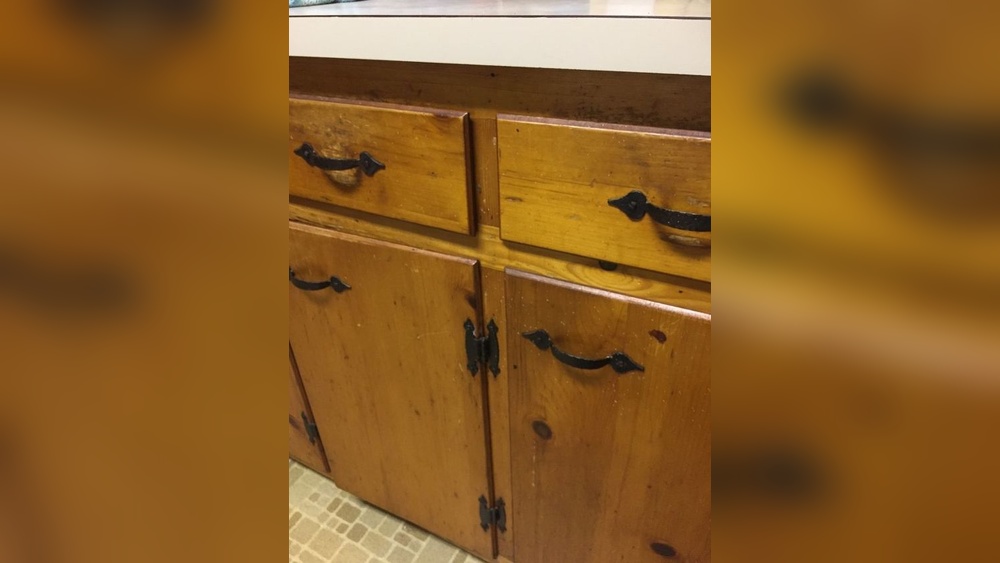
Rustic cabinets feel cozy and natural. Hardware with a worn or matte finish fits best. Iron, oil-rubbed bronze, or copper add character. Choose simple shapes with a handmade look. Transitional styles mix modern and traditional. Pick hardware that blends both styles. Soft curves and mixed finishes work well.
Credit: fairviewkitchens.com
Choosing Hardware For Functionality
Choosing the right hardware for your kitchen cabinets affects both style and function. Good hardware makes cabinets easier to use. It also lasts longer and fits your daily needs. Focus on hardware that works well for your kitchen tasks and family habits.
Ease Of Use
Hardware should feel comfortable in your hand. Choose knobs or pulls that are easy to grip. Avoid designs that need too much force to open. Think about children or elderly family members. Simple shapes and smooth edges work best for everyone.
Durability Considerations
Kitchen hardware faces daily use and moisture. Pick materials that resist rust and wear. Stainless steel and brass offer strong protection. Check the finish quality to avoid peeling or fading. Durable hardware saves money by lasting many years.
Mixing And Matching Hardware
Mixing and matching kitchen cabinet hardware can add personality and style. It breaks the uniform look and makes your kitchen unique. This approach works well with different cabinet styles and colors. It also allows you to express creativity while keeping functionality.
When To Coordinate
Coordinate hardware when you want a clean, simple look. Use matching handles and knobs on all cabinets. This creates harmony and balance in the kitchen. Coordinate finishes like brushed nickel or matte black for a unified feel. It suits small kitchens or traditional designs best.
Creative Combinations
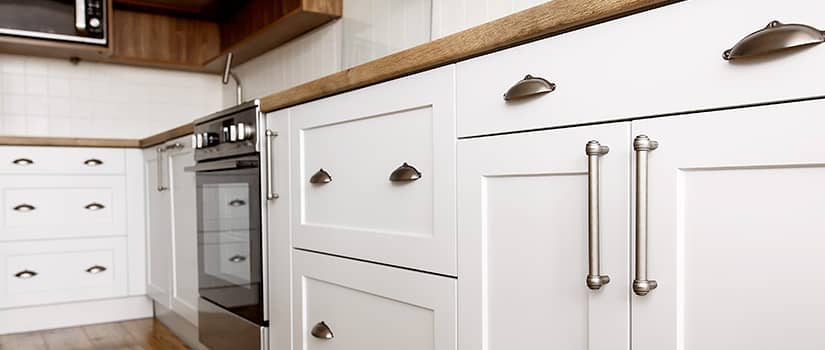
Try different shapes or sizes of hardware for an interesting touch. Mix knobs on upper cabinets with pulls on lower cabinets. Combine shiny and matte finishes for a subtle contrast. Use bold colors with neutral tones to highlight certain areas. Creative combinations bring character and fresh style to your kitchen.
Credit: kitchencabinetkings.com
Budgeting For Hardware
Setting a budget for kitchen cabinet hardware helps avoid overspending. It guides your choices and keeps the project on track. Hardware prices vary widely, so planning is key. Knowing where to spend and save makes your kitchen look great without breaking the bank.
Cost Vs Quality
Cheap hardware might look good but wear out fast. High-quality pieces last longer and feel better to use. Think about how often you use each cabinet. Daily use needs stronger hardware. Less used cabinets can have cheaper handles or knobs. Balance cost with how much the hardware will be used.
Where To Save And Splurge
Save money on knobs for less used cabinets. Look for simple styles that fit your kitchen’s design. Splurge on handles for drawers and frequently opened doors. Choose durable materials like metal or solid brass. These resist rust and keep their shine. Spending more here improves comfort and style. Small changes in hardware can change the whole kitchen look.
Installation Tips
Installing kitchen cabinet hardware is a key step in updating your kitchen’s look. Proper installation ensures the hardware works well and lasts long. Small mistakes can cause doors and drawers to stick or look uneven. Follow simple tips for a smooth installation process.
Diy Vs Professional Help
Installing cabinet hardware can be a DIY project for many. You need basic tools like a drill, screwdriver, and measuring tape. Measuring precisely is very important to keep handles straight and even.
Choose professional help if you feel unsure about tools or measurements. Experts have skills to avoid damage and save time. Professionals also fix any problems quickly during installation.
Common Installation Mistakes
Wrong measurements cause misaligned handles. Always measure twice before drilling holes. Use a template or jig to keep spacing consistent.
Drilling at an angle can ruin the look and function. Hold the drill straight and steady. Avoid drilling too deep to prevent damage.
Forgetting to check door swing direction causes handles to block movement. Place hardware where it feels natural to use. Test door and drawer movement after installation.
Maintaining Cabinet Hardware
Maintaining cabinet hardware keeps your kitchen looking fresh and new. Clean and cared-for handles and knobs last longer. They also help avoid damage and costly repairs. Small efforts can protect your investment and enhance your kitchen’s style.
Cleaning Methods
Use a soft cloth to wipe hardware regularly. Mild soap and water work well for most materials. Avoid harsh chemicals that can damage finishes. For stubborn dirt, a toothbrush can reach small crevices. Dry hardware fully to prevent water spots and rust.
Preventing Wear And Tear
Open and close cabinets gently to reduce stress on hardware. Tighten screws and bolts every few months. Replace worn-out parts quickly to avoid further damage. Avoid hanging heavy items on handles. Use protective pads if needed to reduce scratches.
Frequently Asked Questions
What Factors Should I Consider When Choosing Cabinet Hardware?
Consider style, finish, size, and functionality. Match hardware with your kitchen’s design for a cohesive look. Ensure durability and comfort for daily use. Choose hardware that complements your cabinets’ material and color.
How Do I Match Cabinet Hardware With Kitchen Style?
Select hardware that reflects your kitchen’s theme, like modern, rustic, or traditional. For modern kitchens, choose sleek and minimal designs. Rustic kitchens benefit from bronze or antique finishes. Traditional kitchens suit classic knobs and pulls.
What Are The Best Materials For Kitchen Cabinet Hardware?
Popular materials include stainless steel, brass, bronze, and nickel. Stainless steel is durable and rust-resistant. Brass offers a warm, classic look. Bronze provides an antique feel. Choose materials based on style and maintenance preferences.
How To Measure Cabinet Hardware For Proper Fit?
Measure the distance between screw holes (center-to-center). This ensures compatibility with your cabinets. Check the hardware’s length and width for visual balance. Accurate measurement prevents installation issues and ensures a perfect fit.
Conclusion
Choosing the right kitchen cabinet hardware makes a big difference. It affects both style and function in your kitchen. Think about the material, finish, and size that suit your space. Simple designs often work best for everyday use. Remember, comfort and ease matter when opening cabinets.
Take your time to compare options before deciding. Your choice should fit your kitchen’s look and your daily needs. Small details can change the whole room’s feel. Enjoy creating a kitchen that feels just right for you.