Are you working on a project with metal or plastic parts and wondering how to join them securely without pre-drilled threads? Imagine a fastener that creates its own threads as you tighten it, saving you time and effort.
If that sounds like something you need, you’re in the right place. You’ll discover which fastener does this clever trick, how it works, and why it might be the perfect choice for your next build. Keep reading to unlock the secret to stronger, faster, and easier fastening.
Credit: engineeringproductdesign.com
Self-tapping Fasteners
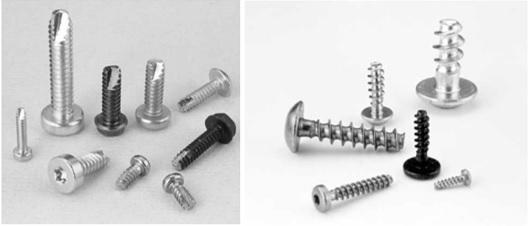
Self-tapping fasteners are special screws that create their own threads in metal or plastic. They do not need a pre-made hole with threads. These fasteners save time and effort during assembly. They hold materials tightly by cutting into them as they are driven in.
Self-tapping fasteners come in many shapes and sizes. They are strong and reliable for many projects. Knowing their features helps choose the right one for your work.
Definition And Function
Self-tapping fasteners are screws that cut threads into the material. They make their own thread path as they turn. This means no need for tapping tools or pre-threaded holes. The cutting edges remove material and form matching threads. This creates a secure grip inside metal or plastic. These fasteners reduce assembly time and improve joint strength.
Materials Used
Self-tapping fasteners are made from steel, stainless steel, and sometimes brass. Steel fasteners offer high strength for tough jobs. Stainless steel resists rust and works well outdoors. Some have coatings to improve hardness and prevent corrosion. Plastic fasteners exist but are less common. Material choice depends on the environment and load.
Common Applications
These fasteners are popular in construction and manufacturing. They join metal sheets in HVAC and automotive industries. Electronics cases often use self-tapping screws for easy assembly. Furniture and plastic parts also rely on them for quick fastening. Their ability to cut threads reduces extra steps in many jobs.
Types Of Self-tapping Fasteners
Self-tapping fasteners are special screws that create their own threads. They work by cutting or forming threads in metal or plastic. These fasteners save time and effort during assembly. There are two main types of self-tapping fasteners. Each type has a unique way of making threads. Understanding the differences helps you choose the right fastener for your project.
Thread-forming Screws
Thread-forming screws do not cut material away. Instead, they push and shape the material. This process creates threads inside the hole. These screws work best with softer materials like plastic and thin metal. They produce strong, vibration-resistant joints. Thread-forming screws reduce the risk of cracking or breaking the material.
Thread-cutting Screws
Thread-cutting screws remove material to make threads. They have sharp edges or flutes that cut into the metal or plastic. These screws are ideal for harder materials. They create clean, precise threads by cutting through the material. Thread-cutting screws are often used in thicker metals and tough plastics.
Thread-forming Vs Thread-cutting
Thread-forming screws shape the material without removing it. They cause less damage and work well in soft materials. Thread-cutting screws remove material to create threads. They suit harder materials and thicker surfaces. Choose thread-forming screws for flexibility and less stress. Pick thread-cutting screws for precision and stronger grip in tough materials.
Choosing The Right Fastener
Choosing the right fastener is key for any project involving metal or plastic. The correct fastener can save time and prevent damage. It must fit the material and hold the parts securely. Many fasteners can cut their own threads into metal or plastic. Selecting the best one depends on several important factors.
Material Compatibility
Fasteners must match the type of material used. Some work well with soft plastics, while others suit hard metals. Using the wrong fastener can crack plastic or strip metal threads. Self-tapping screws are popular for cutting threads directly into materials. Choose a fastener designed for the specific metal or plastic you have.
Load And Strength Considerations
Think about the weight and force the fastener must hold. Heavy loads need stronger fasteners with high tensile strength. Light loads allow smaller, less robust fasteners. Thread-cutting fasteners come in various sizes and strengths. Pick one that can handle the expected pressure without failing.
Environmental Factors
Conditions like moisture, temperature, and chemicals affect fastener choice. Some fasteners resist rust and corrosion better than others. Outdoor or humid environments need corrosion-resistant fasteners. Plastic materials can expand or shrink with temperature changes. Select fasteners that maintain grip despite environmental changes.
Installation Techniques
Installing fasteners that cut their own threads requires careful techniques. Proper installation ensures strong holding power and prevents damage. Follow these simple steps to get the best results.
Drilling And Pilot Holes
Start by drilling a hole smaller than the fastener’s diameter. This pilot hole guides the fastener and helps it cut threads smoothly. Use the correct drill size based on the fastener type and material. Too large or too small holes can weaken the hold.
Torque Settings
Use the right torque to avoid stripping threads or breaking the fastener. Tighten slowly and steadily. Many tools have adjustable torque settings. Choose a setting that matches the fastener and material. Proper torque improves durability and safety.
Avoiding Common Mistakes
Do not force the fastener too hard. This can strip threads or damage the material. Avoid using worn or damaged fasteners. Clean the hole before installation to remove debris. These simple steps prevent installation problems and extend the fastener’s life.
Advantages And Limitations
Self-tapping fasteners are popular for joining metal or plastic parts. They create their own threads by cutting into the material. This feature offers both advantages and limitations. Understanding these helps to choose the right fastener for your project.
Benefits Of Self-tapping Fasteners
Self-tapping fasteners save time during assembly. There is no need to pre-drill holes before use. They reduce the number of tools required for fastening. These fasteners provide strong, reliable joints. They work well with thin metal or plastic sheets. Installation is often easier and quicker compared to other fasteners.
Potential Drawbacks
Self-tapping fasteners can weaken thin materials if over-tightened. They may cause cracking in brittle plastics. Threads cut by these fasteners might not be as strong as pre-cut threads. Removing and reusing self-tapping fasteners can damage the threads. They are not always suitable for heavy-load applications.
When Not To Use Them
Avoid self-tapping fasteners in very hard metals. They are not ideal for thick materials needing deep threads. Do not use them in materials prone to cracking. Avoid if the joint needs frequent disassembly. Use other fasteners for applications with high vibration or stress.

Credit: www.haldane-fisher.com
Maintenance And Removal
Fasteners that cut their own threads into metal or plastic need regular care. Proper maintenance helps them last longer and work well. Removing these fasteners carefully avoids damage to the materials and tools. Understanding how to inspect and remove them safely is important for any project.
Inspection Tips
Check the fastener for signs of wear or damage. Look for bent or stripped threads. Make sure the fastener fits tightly in the hole. Loose fasteners can cause problems during use. Inspect the surrounding material for cracks or damage. Early detection helps prevent bigger issues later.
Safe Removal Methods
Use the correct tools to avoid stripping the fastener. Turn the fastener slowly and steadily. Avoid using too much force. If the fastener is stuck, try applying a lubricant. Heat can help loosen some fasteners in metal. Always remove fasteners straight to protect threads.
Reusability
Not all fasteners can be reused safely. Check if the threads are still sharp and strong. Damaged threads reduce holding power. Clean the fastener before reuse. Replace any fastener that shows signs of wear. Using good fasteners ensures a secure hold every time.
Innovations In Fastener Technology
Fastener technology has changed a lot in recent years. New ideas help fasteners work better with metal and plastic. These fasteners cut their own threads, making assembly faster and easier. Innovations focus on materials, coatings, and smart features. Each step improves strength, durability, and performance.
Advanced Materials
New materials make fasteners stronger and lighter. Steel alloys and plastics with special additives resist wear and tear. These materials handle high pressure and temperature well. They reduce the chance of breaking or loosening. Advanced materials also resist rust and corrosion.
Coatings And Treatments
Coatings protect fasteners from damage and rust. Zinc, nickel, and chrome are common coatings. Some fasteners get special treatments to make threads sharper. These coatings help fasteners cut threads smoothly in metal or plastic. They also extend the fastener’s life in tough conditions.
Smart Fasteners
Smart fasteners include sensors or chips inside. They can track if a fastener is tight or loose. Some send alerts if they start to fail. These fasteners improve safety in machines and structures. Smart fasteners help prevent accidents and costly repairs.

Credit: www.amazon.com
Frequently Asked Questions
What Fastener Cuts Its Own Threads In Metal?
A self-tapping screw cuts its own threads in metal. It creates a threaded hole as it drives in, eliminating pre-drilling. This fastener is ideal for joining metal parts quickly and securely, improving efficiency in various applications.
Can Self-tapping Screws Be Used In Plastic?
Yes, self-tapping screws work well in plastic. They form threads by cutting into the plastic material. This creates a strong, secure hold without cracking or damaging the plastic. They are widely used in plastic assemblies and repairs.
How Do Self-tapping Screws Differ From Regular Screws?
Self-tapping screws cut threads into the material, unlike regular screws. Regular screws require pre-threaded holes or nuts. Self-tapping screws save time by eliminating the need for tapping or drilling before fastening.
Are Self-tapping Screws Reusable After Removal?
Self-tapping screws can be reused, but thread quality may degrade. Repeated use may weaken the threads in softer materials like plastic. For metal, reusability depends on thread condition and fastener wear.
Conclusion
Self-tapping screws create their own threads in metal or plastic. They save time and effort during assembly. These fasteners hold materials tightly without needing pre-cut threads. Choosing the right type depends on the material and project needs. Using self-threading fasteners makes repairs and installations easier.
They provide strong, lasting connections in many applications. Remember to select the right size and style for best results. This simple tool can improve your work quality and efficiency.


