Are you tired of bulky cabinet handles that ruin the sleek look of your kitchen or bathroom? Installing recessed hardware can give your cabinets a clean, modern finish that’s both stylish and functional.
But if you’ve never done it before, the idea of cutting into your cabinets might feel intimidating. Don’t worry—you can easily install cabinet recessed hardware yourself with the right tools and simple steps. In this guide, you’ll discover exactly how to do it right, saving you time, money, and frustration.
Keep reading to transform your cabinets and elevate your space with a professional touch.
Credit: truepositiontools.com
Tools And Materials Needed
Installing cabinet recessed hardware needs the right tools and materials. This ensures a clean, professional look. Having everything ready saves time and prevents frustration. Understanding the types of hardware helps pick the best fit. Proper tools make the job easier and safer. Safety gear protects you during installation.
Types Of Recessed Hardware
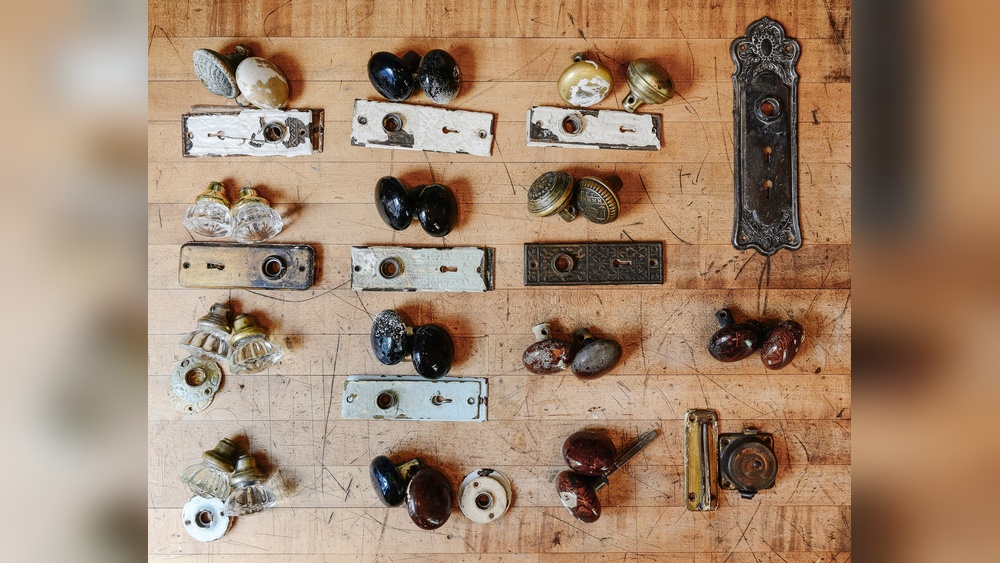
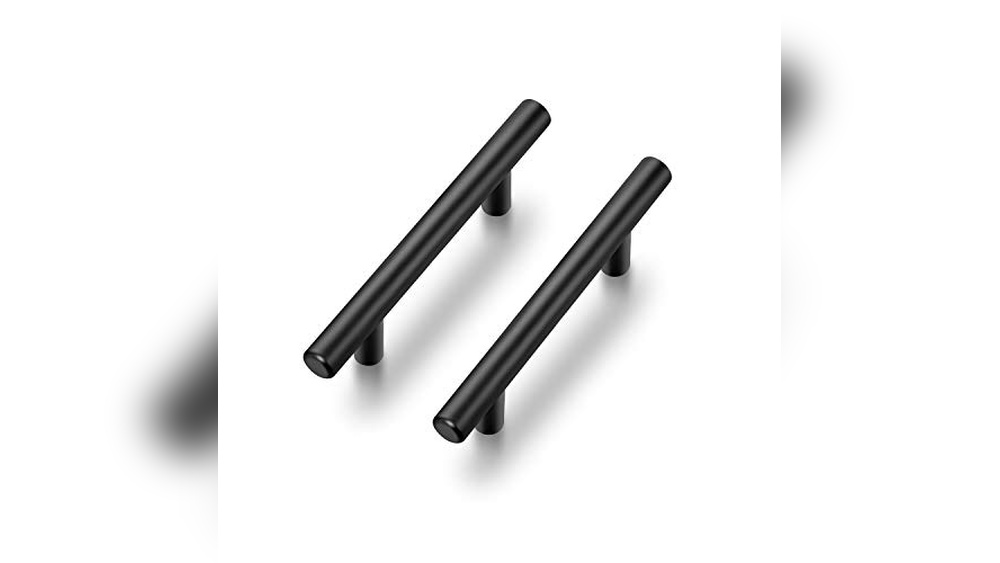
Recessed hardware includes pulls, handles, and finger pulls. Pulls are common and easy to grip. Handles offer a sturdy hold for heavier doors. Finger pulls are small slots for a sleek look. Choose hardware that matches your cabinet style. Check the size and depth before buying.
Essential Tools List
Use a drill with the right drill bits. A screwdriver fits the hardware screws. A measuring tape ensures precise placement. A pencil marks drilling spots clearly. A level keeps the hardware straight. A chisel helps make clean recesses if needed. Sandpaper smooths any rough edges after drilling.
Safety Gear
Wear safety glasses to protect your eyes. Gloves protect your hands from splinters and sharp edges. Ear protection reduces noise from drilling. A dust mask keeps wood dust out of your lungs. Use all safety gear to avoid accidents.

Credit: www.amazon.com
Preparing Your Cabinets
Preparing your cabinets correctly makes installing recessed hardware easier. This step ensures the hardware fits well and looks neat. Careful preparation saves time and avoids mistakes during installation.
Measuring For Placement
Start by measuring where the hardware will go. Use a ruler or tape measure for accuracy. Measure from the edges of the cabinet door or drawer. Mark the center point for the hardware. Double-check your measurements before moving on.
Marking Drill Points
Next, mark the exact points for drilling holes. Use a pencil to make small dots at the measured spots. Keep the marks clear but light. These marks guide your drill for perfect placement. Take your time to avoid errors.
Checking For Obstructions
Look inside the cabinet for any obstacles. Check for screws, nails, or wood grain that might block drilling. Avoid drilling into these obstructions. Adjust your marks if needed. This step helps prevent damage to your cabinet.
Drilling And Cutting
Drilling and cutting are key steps in installing recessed cabinet hardware. These steps help create a clean, precise fit for your handles or pulls. Take your time and follow each step carefully to avoid mistakes. Proper tools and careful measurements make the job easier and the finish professional.
Choosing The Right Drill Bit
Select a drill bit that matches your hardware size. Use a spade bit for larger holes or a twist bit for smaller pilot holes. Sharp bits reduce splintering and give smoother holes. Check the bit for wear and replace dull ones to ensure clean drilling.
Drilling Pilot Holes
Mark the hole locations clearly on the cabinet surface. Use a smaller drill bit to make pilot holes first. These guide the larger bit and prevent wood from splitting. Drill slowly and keep the drill straight for accurate holes. Wipe away dust after drilling to keep the area clean.
Cutting The Recess Area
Trace the hardware outline on the cabinet face. Use a chisel or router to carefully remove wood inside the marked area. Work in small, shallow cuts to avoid removing too much material. Check the fit often by placing the hardware in the recess. Smooth edges with sandpaper for a neat finish.
Installing The Hardware
Installing cabinet recessed hardware is a key step in finishing your project. This hardware fits into the cabinet surface, giving a clean look. Careful installation ensures the hardware works well and looks great.
Aligning The Hardware
Start by placing the recessed hardware in its spot. Use a level or ruler to check it is straight. Mark the edges lightly with a pencil. Proper alignment prevents problems later.
Securing With Screws
Next, hold the hardware firmly in place. Use a drill or screwdriver to insert screws into the marked holes. Tighten the screws evenly to avoid bending the hardware. Do not over-tighten, as this can damage the cabinet.
Testing The Fit
After securing, open and close the cabinet door several times. Check if the hardware fits comfortably and stays in place. Adjust screws if the fit feels loose or too tight. A good fit means smooth operation and durability.
Finishing Touches
Finishing touches bring your cabinet recessed hardware installation to life. They ensure a neat, polished look that lasts. Small steps now prevent future issues and keep your cabinets looking their best.
Cleaning The Area
Remove all dust and debris around the hardware. Use a soft cloth to wipe the surface gently. Avoid harsh chemicals that can damage the finish. Cleanliness helps the hardware shine and work smoothly.
Touching Up Paint Or Stain
Check for scratches or marks near the hardware. Use matching paint or stain to fix any spots. Apply carefully with a small brush for precision. This step hides imperfections and blends the hardware with the cabinet.
Adjusting Hardware If Needed
Test the hardware by opening and closing the cabinet door. Tighten screws if the hardware feels loose. Loosen them slightly to realign if it sticks. Proper adjustment ensures easy use and prevents wear.
Common Mistakes To Avoid
Installing cabinet recessed hardware can be simple. Avoiding common mistakes makes the job easier. These errors cause problems like misalignment and damage. Knowing what to avoid saves time and effort.
Incorrect Measurements
Wrong measurements lead to hardware that does not fit. Measure twice before drilling any holes. Use a ruler or tape measure for accuracy. Mark the exact spot clearly. Small errors cause big problems in fitting.
Using Wrong Tools
Using wrong tools can damage your cabinet or hardware. Select the correct drill bit size for holes. Use a screwdriver that fits the screws well. Avoid power tools that are too strong for the job. The right tools make installation smooth and safe.
Over-tightening Screws
Over-tightening screws can crack the wood or strip threads. Tighten screws just enough to hold the hardware firmly. Stop as soon as you feel resistance. Loose screws cause hardware to wobble. Tight screws damage the cabinet. Balance is key.

Credit: kahohardware.com
Frequently Asked Questions
What Tools Are Needed To Install Cabinet Recessed Hardware?
You need a drill, measuring tape, screwdriver, pencil, and the recessed hardware kit. Accurate measurements ensure proper alignment and fit.
How Do You Measure For Cabinet Recessed Hardware?
Measure the cabinet door thickness and mark the hardware location. Use a template for precise drilling spots to avoid errors.
Can Recessed Hardware Be Installed On Any Cabinet Material?
Yes, recessed hardware works on wood, MDF, and plywood cabinets. Ensure the material is thick enough to hold the hardware securely.
How Deep Should I Drill For Recessed Hardware Installation?
Drill according to the hardware manufacturer’s depth instructions. Typically, drill holes should be deep enough to fit the recessed pull flush.
Conclusion
Installing cabinet recessed hardware is a simple way to improve your cabinets. Follow the steps carefully for a neat finish. Take your time measuring and drilling to avoid mistakes. Use the right tools to make the job easier. Once done, enjoy the clean look and smooth function of your cabinets.
Small changes can make a big difference in your kitchen or bathroom. Keep your workspace safe and tidy throughout the process. Now, you can update your cabinets with confidence and skill.