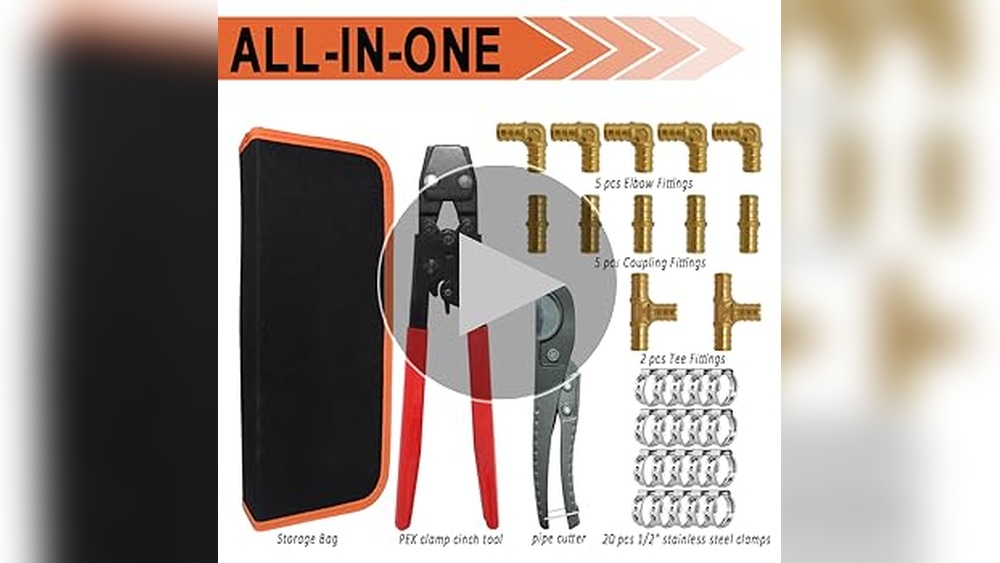
If you’re working with PEX tubing, you know that getting a secure connection is key to preventing leaks and costly repairs. The PEX Cinch Clamp Fastening Tool makes this job easier and faster, but only if you know how to use it right.
In this guide, you’ll discover simple, step-by-step instructions that will help you master the tool quickly. By the end, you’ll feel confident handling your PEX connections like a pro—saving time, money, and frustration. Ready to make your plumbing projects smoother and more reliable?
Let’s dive in.
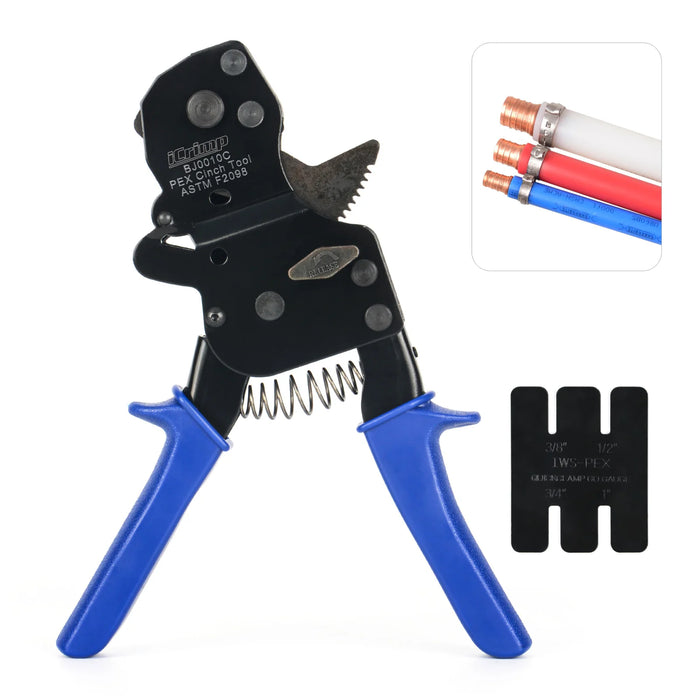
Credit: www.icrimptools.com
Pex Cinch Clamp Basics
Pex cinch clamps are essential for secure plumbing connections. They create tight seals on PEX tubing joints. Understanding the basics helps you use the tool correctly and safely.
This section explains what a Pex cinch clamp is, its parts, and its benefits. These points give a clear idea of how the tool works and why it is popular.
What Is A Pex Cinch Clamp
A Pex cinch clamp is a metal ring used to secure PEX tubing. It fits around the tubing and a fitting. The clamp tightens to hold the tubing firmly in place. This prevents leaks and ensures a strong connection.
Key Components Of The Tool
The tool has two main parts: the cinch clamp and the cinch clamp tool. The clamp is a small metal band. The tool squeezes the clamp evenly to tighten it. The tool’s handles give the force needed to secure the clamp.
Benefits Of Using Cinch Clamps
Cinch clamps are quick to install and create strong seals. They work well with different PEX tubing sizes. The clamps resist corrosion and last a long time. They reduce the risk of water leaks in plumbing systems.
Credit: www.iwiss.com
Preparing For Installation
Preparing for installation is a crucial step when using the Pex Cinch Clamp Fastening Tool. Proper preparation ensures the job goes smoothly and the connection is secure. Taking time to prepare helps avoid mistakes and saves effort later.
Selecting The Right Clamp Size
Choose the clamp size that fits your PEX tubing perfectly. Using the wrong size can cause leaks or weak joints. Check the tubing diameter and pick clamps made for that size. Always have a few sizes ready for different pipes.
Gathering Necessary Materials
Collect all tools and materials before starting. You need the Pex Cinch Clamp Tool, clamps, PEX tubing, and a cutter. Having everything nearby speeds up the work and keeps the process organized. Double-check for any missing items.
Safety Precautions To Follow
Wear safety glasses to protect your eyes from flying debris. Use gloves to avoid cuts and scrapes from sharp edges. Work in a well-lit area to see clearly. Keep your workspace clean to prevent accidents. Follow all safety guidelines for your tools.
Step-by-step Clamping Process
The step-by-step clamping process with the Pex Cinch Clamp Fastening Tool is simple and clear. Follow each step carefully to ensure a strong, leak-free connection. This process saves time and helps avoid common plumbing issues.
Cutting And Cleaning Pex Tubing
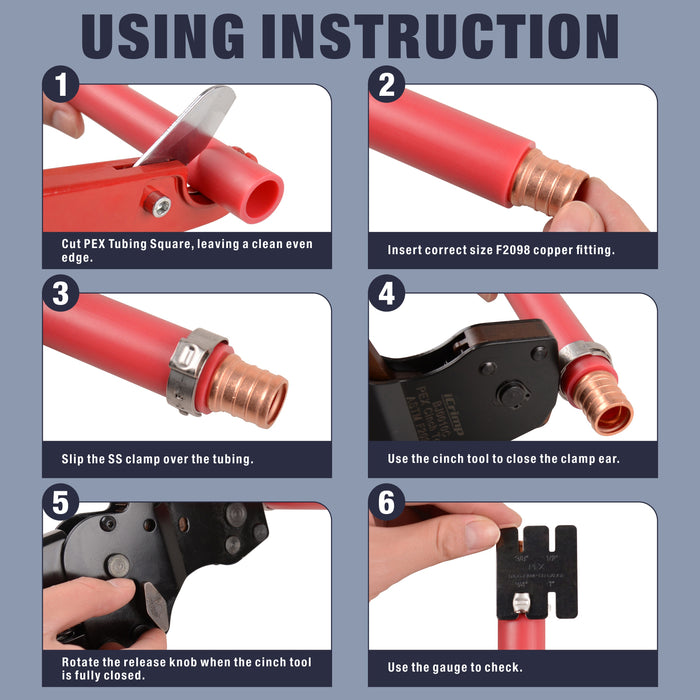
Start by cutting the Pex tubing straight using a sharp cutter. A clean, even cut is essential for a secure clamp. Remove any burrs or rough edges from the cut end. Clean the tubing to remove dirt or grease. This ensures the clamp fits tightly and the connection holds well.
Positioning The Clamp Correctly
Slide the clamp onto the tubing before attaching the fitting. Place the clamp about 1/8 to 1/4 inch from the tubing end. Make sure the clamp sits evenly around the tubing. The clamp should cover the barbs on the fitting completely. Proper positioning prevents leaks and keeps the joint strong.
Operating The Cinch Clamp Tool
Insert the clamp into the tool’s jaws. Squeeze the handles firmly and steadily. The tool tightens the clamp evenly around the tubing. Stop squeezing when the tool clicks or the clamp feels tight. Avoid over-tightening, which can damage the tubing or clamp. Check the connection by pulling gently on the tubing.

Credit: www.youtube.com
Troubleshooting Common Issues
Troubleshooting common issues with the Pex Cinch Clamp Fastening Tool helps ensure smooth work. Small problems can cause delays or leaks. Knowing how to fix these issues saves time and frustration.
Understanding common faults makes your job easier. The tool works best with correct handling. Read on to learn simple fixes for common problems.
Avoiding Clamp Slippage
Clamp slippage happens when the clamp moves during tightening. This can cause weak connections. Make sure to position the clamp properly on the pipe. Hold the tool steady while tightening to keep the clamp in place.
Check the clamp size matches the pipe diameter. Using the wrong size leads to slippage. Inspect the tool jaws for wear or damage. Replace worn parts to maintain grip strength.
Dealing With Incomplete Crimps
Incomplete crimps happen when the clamp is not fully closed. This weakens the joint and may cause leaks. Ensure the tool is fully engaged before squeezing the handle. Apply steady pressure until the clamp locks.
Sometimes the tool needs calibration. Follow the manufacturer’s instructions to adjust the crimp depth. Clean the tool regularly to prevent dirt buildup that affects performance.
Ensuring A Leak-free Connection
Leaks often result from poor clamp positioning or damaged pipes. Double-check the pipe surface for cracks or dirt before clamping. Use fresh clamps and avoid reusing old ones.
After crimping, test the connection by turning on the water slowly. Look for any drips or moisture around the joint. Tighten or redo the clamp if leaks appear. Proper care ensures a secure, leak-free seal every time.
Maintenance And Care
Proper maintenance and care keep your Pex Cinch Clamp Fastening Tool working well. Regular upkeep extends the tool’s life and ensures safe, strong connections. This section covers simple steps to clean, store, and replace parts of your tool.
Cleaning The Tool After Use
Wipe the tool with a dry cloth after each use. Remove dirt and metal shavings from the jaws and clamps. Use a small brush to clean hard-to-reach spots. Avoid water or harsh chemicals that can cause rust. Dry the tool thoroughly before storing it.
Storing For Longevity
Keep the tool in a dry, cool place. Avoid leaving it in damp or hot areas. Store it in a toolbox or protective case. Make sure it is not under heavy objects that can bend or damage it. Proper storage prevents rust and mechanical problems.
When To Replace Components
Check the jaws and clamps for wear or damage before each use. Replace parts that show cracks, bends, or excessive wear. Using worn components can cause poor connections or tool failure. Follow the manufacturer’s instructions for replacement parts. Regular inspection keeps the tool safe and reliable.
Expert Tips For Efficiency
Using the Pex Cinch Clamp Fastening Tool well saves time and effort. Simple tips can make your work faster and easier. Efficiency means doing the job right without wasting energy or material. Follow these expert tips to improve your clamping process and tool use.
Speeding Up The Clamping Process
Prepare all clamps and tubing before starting. This reduces downtime between clamps. Hold the clamp and tubing firmly to avoid slipping. Use a steady hand to place the tool on the clamp quickly. Practice the motion to increase speed without losing accuracy.
Maximizing Tool Performance
Keep the tool clean and free from dirt or debris. Check the jaws for wear and replace if needed. Lubricate moving parts lightly to keep smooth action. Use the correct clamp size for the tubing to avoid damage. Store the tool in a dry place to prevent rust.
Common Mistakes To Avoid
Do not force the tool if it feels stuck. Forcing may break the clamp or tool. Avoid using worn or damaged clamps that can leak. Do not clamp unevenly; this weakens the seal. Skip rushing; careless work causes mistakes and waste.
Frequently Asked Questions
What Is A Pex Cinch Clamp Fastening Tool?
A Pex Cinch Clamp Fastening Tool secures PEX tubing with cinch clamps. It ensures tight, leak-proof plumbing connections quickly and easily.
How Do You Use A Pex Cinch Clamp Tool?
Place the cinch clamp around the PEX tubing and fitting. Position the tool’s jaw over the clamp and squeeze handles to tighten securely.
Can Pex Cinch Clamp Tools Be Reused?
No, cinch clamps are one-time use. Once tightened, the clamp must be cut off to remove or replace the connection.
What Materials Are Compatible With Pex Cinch Clamp Tools?
Pex Cinch Clamp Tools work with PEX tubing and stainless steel cinch clamps designed for plumbing applications only.
Conclusion
Using the Pex Cinch Clamp Fastening Tool makes pipe connections strong and secure. It saves time and effort during plumbing work. Always check the clamp size before starting. Proper use helps avoid leaks and damage. Practice a few times to get comfortable with the tool.
With care, this tool will serve you well. Keep your pipes safe and your work neat. Simple steps lead to reliable results every time.