Have you ever wondered if a washer is actually a fastener? It’s a question that might seem simple, but the answer can change the way you approach your DIY projects or repairs.
Understanding the true role of a washer can save you time, money, and frustration. You’ll discover what makes a fastener different and where a washer fits in. Keep reading, and you’ll never look at your toolbox the same way again.
Credit: www.bolts.co.uk
What Is A Washer?
A washer is a small, thin disk with a hole in the middle. It fits around a screw or bolt. Washers spread the load of the fastener. They protect the surface from damage. Washers can stop loosening caused by vibration. They help in creating a tight, secure connection.
Types Of Washers
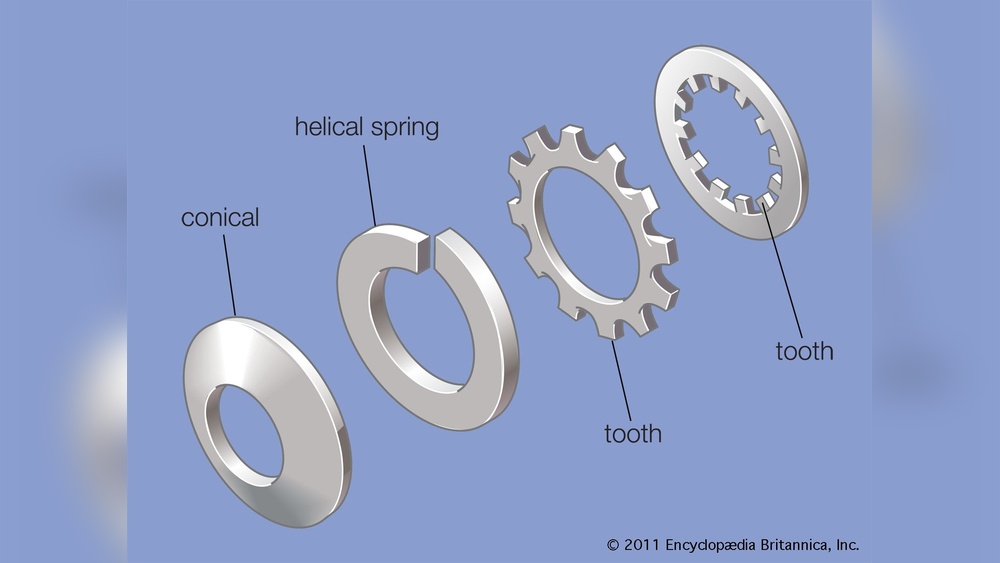
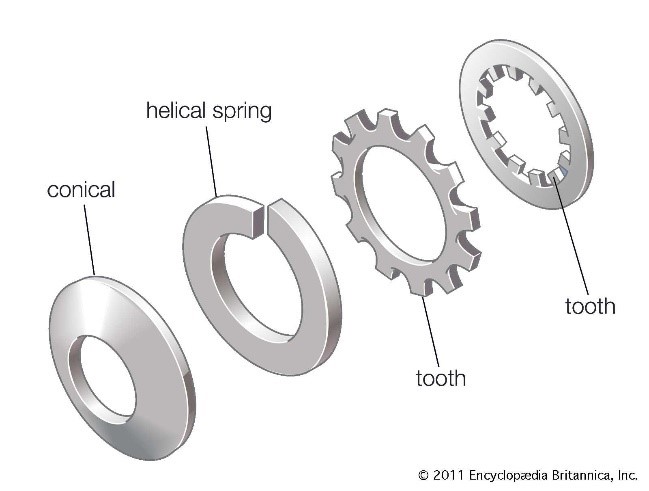
Flat washers are the most common type. They provide a smooth surface for the fastener. Lock washers prevent nuts and bolts from turning. They come in split, star, and tooth styles. Fender washers have a larger diameter. They distribute pressure over a wider area. Shoulder washers insulate fasteners from metal surfaces.
Common Uses
Washers are used in machines, cars, and furniture. They protect surfaces from scratches and dents. Washers stop nuts and bolts from loosening. They help seal joints and prevent leaks. Washers also reduce wear between parts. They are vital for strong, lasting connections.
Fasteners Defined
Fasteners are small but crucial parts in construction and repair. They hold objects together, making structures strong and safe. Understanding what fasteners are helps us know if a washer fits into this group.
Core Functions
Fasteners join two or more parts firmly. They stop movement and keep parts aligned. Fasteners must be strong and reliable. They also allow easy assembly and disassembly. This makes fixing or changing parts simpler.
Examples Of Fasteners
Common fasteners include screws, bolts, and nails. Each has a specific use and design. Clips, rivets, and pins also serve as fasteners. Washers often work with bolts or screws. They spread pressure and protect surfaces. But alone, washers do not join parts.
How Washers Work
Washers play a key role in many fastening tasks. They do not fasten by themselves but support bolts and screws. Washers fit under the head of a bolt or nut. They spread the force across a larger area. This helps parts stay tight and safe. Understanding how washers work reveals their true value.
Load Distribution
Washers spread the load from bolts or screws. Without washers, the force stays in one spot. This can damage soft materials like wood or plastic. The washer acts like a shield. It shares the pressure evenly over a wider area. This prevents dents, cracks, or other damage. Spreading the load also helps keep the fastener tight. It stops the bolt from sinking into the material.
Surface Protection
Washers protect surfaces from scratches and marks. Turning a bolt or nut can rub against the material. This rubbing can wear down the surface. A washer creates a smooth barrier. It stops direct contact between the fastener and the surface. This keeps the surface clean and intact. Protecting the surface also reduces rust and corrosion. Washers extend the life of the parts they connect.
Washer Vs Fastener
Understanding the difference between a washer and a fastener is important for many projects. Both parts are common in construction and repairs. They often work together, but they serve different roles. Knowing how each works helps you choose the right part for your task.
Key Differences
A fastener is a device that holds objects together. Examples include screws, bolts, and nails. They create a strong bond between parts.
A washer is a thin, flat ring placed under a fastener’s head or nut. It spreads the load and protects surfaces from damage. Washers do not join parts directly.
Fasteners provide the main holding force. Washers support fasteners and improve stability. Without washers, fasteners may loosen or damage materials.
Similarities
Both washers and fasteners are small hardware pieces. They are made from metal or plastic. Both are used in assembling and fixing objects.
They often appear together in mechanical and building work. Both help improve the strength and durability of joints. Proper use of washers and fasteners ensures better results.
Practical Applications
Washers play a key role in many mechanical tasks. They spread the load of a fastener and protect surfaces from damage. Their use varies depending on the job and materials involved. Understanding when washers act as fasteners helps in choosing the right parts for projects.
This section explores the practical uses of washers and clarifies their role in fastening.
When Washers Act Like Fasteners
Washers sometimes hold parts together, acting like fasteners. This happens when they fit tightly and prevent movement. Lock washers are a good example. They create friction to stop nuts from loosening under vibration. In these cases, washers add strength to the joint.
Spring washers also work as fasteners by maintaining tension. They keep bolts tight over time. Some washers have teeth or ridges that dig into the surface. This feature helps hold materials firmly in place without slipping.
When They Don’t
Most washers do not fasten parts alone. They only support bolts or screws. Flat washers, for example, spread pressure evenly but do not hold parts together. They protect surfaces from scratches and dents. Washers without locking features cannot stop loosening on their own.
Washers are not designed to replace nuts or screws. They assist fasteners but do not perform the main fastening job. Without proper bolts or screws, washers cannot secure materials safely.

Credit: www.jfeindia.com
Common Misconceptions
Many people confuse washers with fasteners. This leads to common myths about their roles in construction and repairs. Understanding the difference helps avoid errors in projects.
Washers and fasteners work closely but serve different purposes. Washers support fasteners but do not fasten on their own. Clearing these misconceptions improves knowledge and practical skills.
Is A Washer A Fastener?
A washer is not a fastener. It is a small flat ring placed under a fastener like a bolt or screw. Its job is to spread the load and protect surfaces.
Confusing Washers With Nuts And Bolts
Nuts and bolts hold parts together tightly. Washers do not join parts. People often mistake washers for small nuts, but washers only sit under them.
Thinking Washers Provide Grip
Washers do not grip or hold parts in place. They prevent damage and reduce friction. Grip comes from the fastener, not the washer.
Assuming Washers Are Optional
Some believe washers are not needed. Washers protect surfaces and keep fasteners tight. Skipping washers can cause damage or loosening over time.
Choosing The Right Component
Choosing the right component is key for a strong and safe connection. Each part has its role in a project. Understanding the difference helps you pick the best option. Washers and fasteners often work together but serve different purposes.
Selecting Washers
Washers spread the load of a fastener. They protect surfaces from damage. Choose washers by size and material type. Metal washers suit heavy-duty jobs. Plastic washers work well for light tasks. Match the washer hole to the bolt or screw size. Thickness affects cushioning and load distribution. Proper washers prevent loosening and wear.
Selecting Fasteners
Fasteners join parts securely. Common types include bolts, screws, and nails. Pick fasteners based on material and strength needed. Consider the environment; some need rust resistance. Length and diameter must fit the project. Thread type affects grip and removal ease. Correct fasteners ensure a stable and lasting bond.

Credit: www.youtube.com
Frequently Asked Questions
Is A Washer Considered A Type Of Fastener?
No, a washer is not a fastener. It is an accessory used with fasteners like bolts and screws. Washers distribute load, prevent damage, and reduce loosening caused by vibration.
What Is The Main Purpose Of A Washer In Fastening?
A washer primarily spreads the load of a fastener evenly. It protects surfaces, prevents leaks, and reduces fastener loosening. This improves the joint’s durability and stability.
Can Washers Replace Fasteners In Mechanical Assemblies?
No, washers cannot replace fasteners. Washers support and protect fasteners but do not hold components together. Fasteners like screws and bolts provide the actual clamping force.
How Do Washers Improve Fastener Performance?
Washers enhance fastener performance by distributing pressure. They prevent surface damage and reduce loosening from vibrations. This ensures a stronger, longer-lasting connection.
Conclusion
A washer is not a fastener, but it works with them. It helps spread the load and protects surfaces. Washers keep nuts and bolts tight and prevent damage. They are small but important parts in many projects. Knowing this helps you choose the right hardware for your work.
Always use washers where needed to improve strength and safety. Simple tools, big help.