Have you ever wondered what keeps your favorite jacket or bag securely closed without the hassle of buttons or zippers? That small, simple device is called a snap fastener.
It’s one of those everyday items you might overlook, but it plays a huge role in your daily life. Understanding what a snap fastener is and how it works can help you make smarter choices when buying clothes, accessories, or even crafting your own projects.
Stick with me, and you’ll discover why this little gadget is so important—and how it can make your life easier.
Snap Fastener Basics
Snap fasteners are small, simple devices used to join two pieces of fabric. They are popular in clothing, bags, and other textile products. Snap fasteners work by pressing two parts together until they click. This makes them easy to open and close. Understanding the basics helps in choosing the right snap fastener for your project.
Design And Components
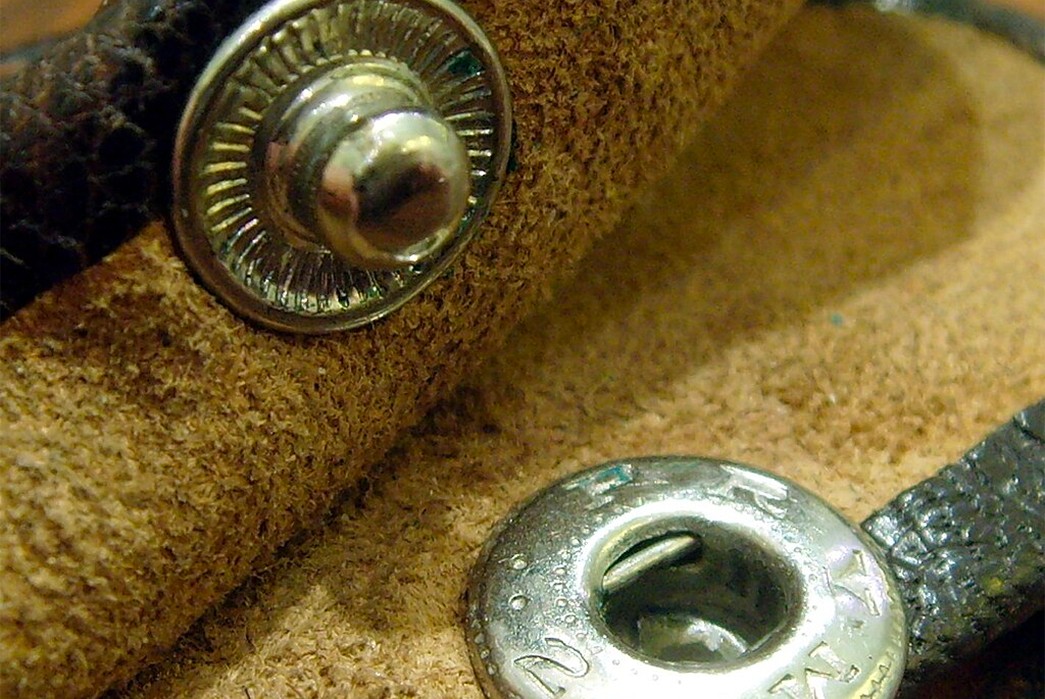
A snap fastener has four main parts. The cap is the visible top piece on the fabric. The socket fits under the cap and holds the stud. The stud clicks into the socket. The post is the back piece that holds the cap or stud in place. These parts work together to create a secure closure.
Types Of Snap Fasteners
Snap fasteners come in different types. Sew-on snaps need stitching to attach to fabric. Press-on snaps have a strong grip and press into place. Magnetic snaps use magnets instead of mechanical parts. Each type suits different uses and materials.
Materials Used
Snap fasteners are made from metal, plastic, or nylon. Metal snaps are strong and durable. Plastic snaps are light and come in many colors. Nylon snaps are flexible and rust-resistant. The choice depends on the product’s needs and style.
Common Uses
Snap fasteners are small but very useful items. They help join two pieces of fabric or material quickly. Their design allows easy opening and closing. Snap fasteners appear in many products. They offer a simple and strong way to fasten things. Below are some common uses of snap fasteners.
Clothing And Apparel
Snap fasteners are popular in clothing. They replace buttons or zippers in some cases. Baby clothes often use snaps for quick changes. Jackets, shirts, and pants may have snap fasteners. They make dressing easier and faster. Snaps also add a neat look to garments.
Outdoor Gear And Equipment
Outdoor gear often needs secure closures. Snap fasteners help with this. Tents, backpacks, and sleeping bags use snaps. They keep items closed but allow fast access. Snaps resist dirt and weather well. This makes them ideal for outdoor use.
Home Textiles
Snap fasteners appear in many home textiles. Cushion covers and pillowcases sometimes use snaps. They hold fabric parts together without sewing. Curtains and duvet covers also benefit from snap fasteners. Snaps make it easy to remove and wash items.
Crafts And Diy Projects
Craft lovers use snap fasteners often. They are easy to attach with simple tools. Snaps work well on bags, wallets, and hats. DIY projects gain flexibility with snap fasteners. They allow parts to come apart and join quickly.
Benefits Of Snap Fasteners
Snap fasteners offer many advantages in clothing and accessories. They make tasks quicker and improve the look and function of items. These fasteners suit many uses, from casual wear to heavy-duty gear. Their benefits help both makers and users.
Ease Of Use
Snap fasteners open and close with a simple press. No need to line up buttons or deal with zippers. They save time and effort, especially for children and elderly users. Fastening is quick, smooth, and requires little skill.
Durability And Strength
These fasteners hold firmly and last a long time. Made from metal or strong plastic, they resist wear and tear. Snap fasteners can handle repeated use without breaking. They keep clothes and gear secure in tough conditions.
Aesthetic Appeal
Snap fasteners provide a clean and neat look. They come in different colors and finishes to match fabrics. These fasteners stay flat and do not bulk up the design. They add a subtle detail that enhances the overall style.
Versatility
Snap fasteners fit many types of materials and projects. Use them on jackets, bags, upholstery, and even crafts. They work well on light or heavy fabrics alike. Snap fasteners adapt easily to diverse needs and styles.

Credit: www.amazon.com
Installation Methods
Snap fasteners are popular for their ease of use and strong hold. Installing them can be done in several ways. Each method fits different needs and skill levels. This section explains three common installation methods.
Hand-sewing Techniques
Hand-sewing snap fasteners works well for light fabrics. It requires a needle and strong thread. Push the needle through fabric holes on the snap. Sew tightly around the snap to secure it. This method is slow but very precise. Perfect for small projects or repairs.
Using Snap Fastener Pliers
Snap fastener pliers speed up the installation process. Place the snap parts between the plier jaws. Squeeze the handles firmly to fix the snap. This tool works well for medium-weight fabrics. It creates a strong hold without sewing skills. Easy to use and widely available.
Industrial Installation
Industrial installation uses machines for fast and uniform results. Factories use heavy-duty presses to attach snaps. This method suits large orders and thick materials. Machines ensure snaps stay in place for long use. Ideal for clothing brands and large-scale production.
Maintenance And Care
Snap fasteners last longer with simple care and regular maintenance. Proper upkeep keeps them working smoothly and looking good. Dirt, rust, or damage can stop them from snapping correctly. A little effort helps avoid these problems and extends their life.
Cleaning Tips
Use a soft cloth to wipe the snap fastener. Remove dirt and dust gently without scratching. For stubborn grime, use warm soapy water and a soft brush. Dry the fastener well after cleaning. Avoid soaking metal snaps for long time. This prevents rust and corrosion. Regular cleaning keeps snaps smooth and easy to use.
Troubleshooting Common Issues
If the snap fastener sticks, check for dirt or rust. Clean it carefully to fix this issue. Loose snaps may need tightening with special tools. Broken snaps often need replacement. Avoid forcing snaps that do not close. For smooth operation, check alignment of both parts. Proper care reduces repairs and keeps snaps functional.
Credit: www.heddels.com
Choosing The Right Snap Fastener
Choosing the right snap fastener is key for any sewing or crafting project. The right choice makes your item look good and last long. Snap fasteners come in many sizes, styles, and materials. Picking the best one depends on your project’s needs and fabric type.
Size And Style Selection
Snap fasteners come in small, medium, and large sizes. Small snaps suit lightweight fabrics like cotton or silk. Large snaps work well on heavy fabrics like denim or leather. Styles vary too. Some snaps have a smooth finish, while others have decorative tops. Choose a style that fits your item’s look and function.
Material Considerations
Snap fasteners are made from metal, plastic, or brass. Metal snaps are strong and durable. Plastic snaps are lightweight and rust-free. Brass snaps resist corrosion and look classic. The material affects how the snap feels and how long it lasts. Pick one that suits your use and care needs.
Matching To Fabric Type
Each fabric type needs a matching snap fastener. Light fabrics need gentle snaps that won’t damage the cloth. Heavy fabrics need strong snaps that can hold weight. Stretchy fabrics require snaps with some flexibility. Match the snap size and material to your fabric for the best hold and look.

Credit: www.sailrite.com
Frequently Asked Questions
What Is A Snap Fastener Used For?
A snap fastener is a clothing closure that quickly attaches and detaches. It is commonly used in apparel, bags, and accessories for easy fastening without buttons or zippers.
How Do Snap Fasteners Work?
Snap fasteners consist of two interlocking discs. When pressed together, they securely snap into place, providing a reliable and reusable closure.
What Materials Are Snap Fasteners Made From?
Snap fasteners are typically made from metal or plastic. Metal snaps offer durability, while plastic snaps are lightweight and resistant to rust.
Are Snap Fasteners Easy To Install?
Yes, snap fasteners are easy to install using specialized tools or hand presses. They require minimal sewing and provide a strong hold.
Conclusion
Snap fasteners are small but strong tools for joining fabrics. They offer quick and easy use without buttons or zippers. These fasteners work well on clothes, bags, and many items. They save time and make dressing simpler. Choosing the right snap fastener helps improve your project’s look and function.
Now, you know why snap fasteners stay popular in fashion and crafts. Try them to see how useful they can be.