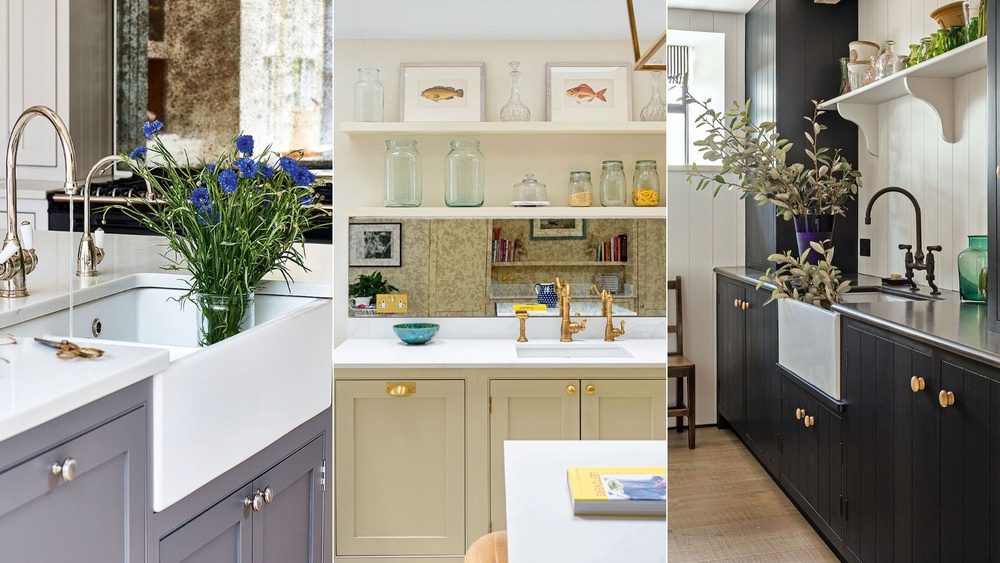
Are you wondering if every cabinet in your home really needs hardware? You might think handles and knobs are just small details, but they can change the entire look and feel of your space.
Whether you’re updating your kitchen, bathroom, or storage areas, the right hardware can make opening and closing cabinets easier and more stylish. But what if you don’t want hardware at all? Could your cabinets work without it? Keep reading to discover the truth about cabinet hardware and find out what’s best for your home and lifestyle.
Purpose Of Cabinet Hardware
Cabinet hardware plays an important role in both the look and use of cabinets. It includes knobs, handles, and pulls that help open and close cabinet doors and drawers. These small pieces make a big difference in how cabinets work and how they appear. Understanding the purpose of cabinet hardware helps decide if your cabinets need them or not.
Functionality And Ease Of Use
Cabinet hardware makes opening and closing easier. Without hardware, you might have to push or pull awkwardly. Handles and knobs provide a clear place to grip. This reduces wear and tear on cabinet surfaces. They also help people of all ages and abilities use cabinets comfortably. Hardware can prevent fingers from slipping or hurting. It helps keep cabinets clean by reducing direct contact with the wood or paint.
Impact On Design And Style
Hardware changes how cabinets look. It adds detail and character to plain surfaces. Different styles, colors, and materials of hardware can match any décor. Modern, classic, rustic, or minimalist styles all have fitting hardware choices. The right hardware can make cabinets stand out or blend in. It helps complete the room’s design and adds a polished look. Even small changes in hardware can refresh the whole space.
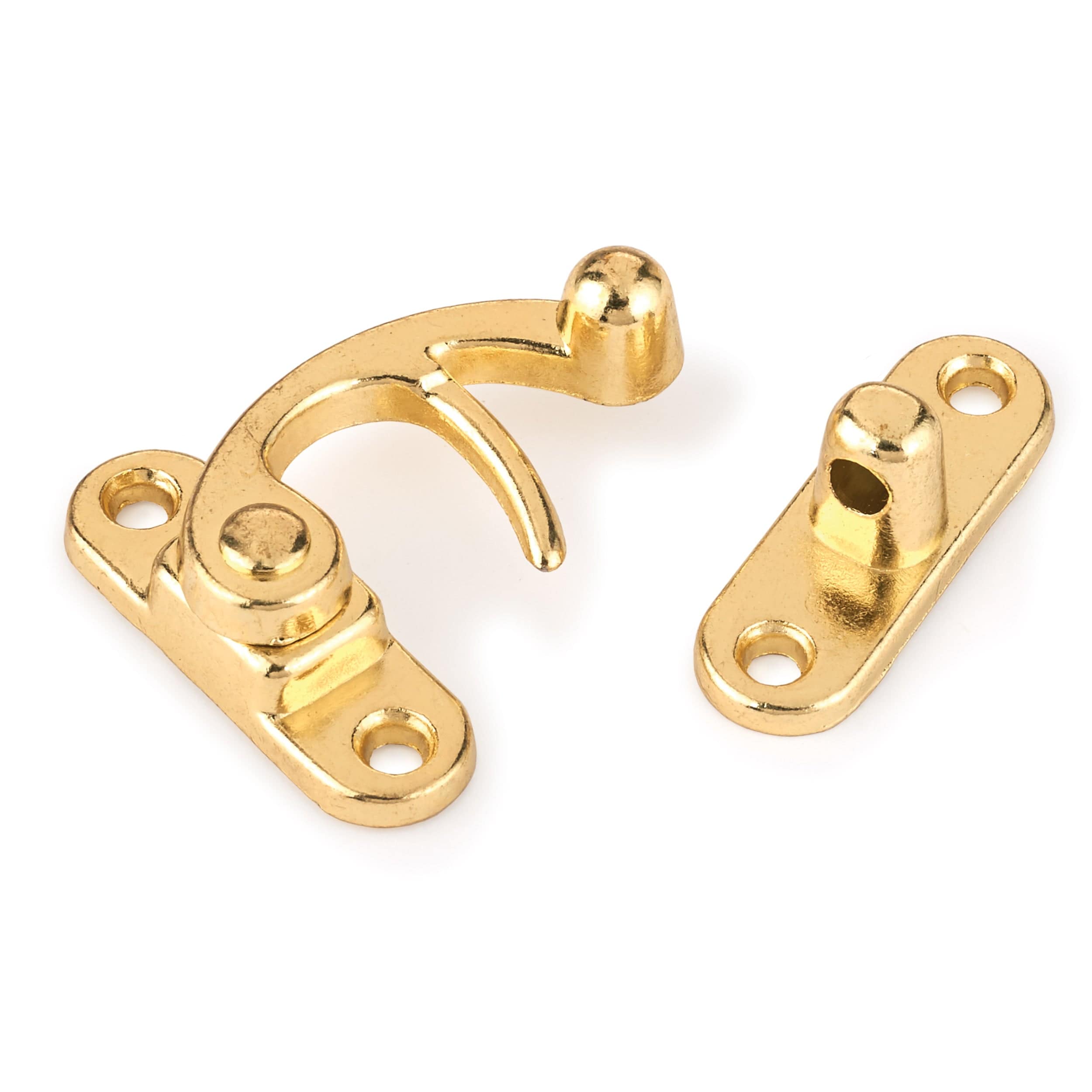
Credit: maiamidwifery.com
Types Of Cabinet Hardware
Cabinet hardware plays a key role in both function and style. It helps open and close doors and drawers smoothly. Choosing the right hardware can change the whole look of a room. There are many types of cabinet hardware to explore. Understanding these options makes it easier to pick what fits best.
Hardware comes in different shapes, materials, and styles. Each type suits different cabinet designs and uses. Let’s look at the most common types and what sets them apart.
Knobs Vs Pulls
Knobs are small and round or square handles. They need only one screw to attach. Knobs work well on smaller doors and drawers. Pulls are longer and offer more grip space. They attach with two screws, making them more secure. Pulls are easier to use on large or heavy drawers. Both serve the same purpose but give a different look.
Materials And Finishes
Cabinet hardware comes in many materials. Common ones include metal, plastic, and wood. Metal is strong and lasts long. It can be brass, chrome, or stainless steel. Plastic is less expensive but less durable. Wood matches wooden cabinets nicely. Finishes affect the look and feel. Matte, shiny, brushed, or antique finishes create various styles. Choose materials and finishes that suit your room’s mood.
Modern And Traditional Styles
Modern hardware has clean lines and simple shapes. It often uses metals like chrome or brushed nickel. Traditional hardware features ornate designs and curves. It may have antique brass or bronze finishes. Modern styles fit well with sleek cabinets. Traditional styles match classic or rustic designs. Pick a style that matches your home’s theme.
When Hardware Is Necessary
Hardware plays a key role in cabinet use. It helps open and close doors and drawers easily. Not all cabinets need hardware, but some designs require it for function and style. Understanding when hardware is necessary can guide your choices in cabinet design and usability.
Cabinet Door And Drawer Designs
Cabinet styles affect the need for hardware. Flat-panel doors often need handles or knobs. They provide a grip to open smoothly. Shaker or raised-panel doors sometimes work without hardware if they have grooves or edges to pull. Drawers usually need handles to pull them out easily. Without hardware, opening can be hard and may damage the finish.
Accessibility Considerations
People with limited hand strength or mobility benefit from hardware. Large, easy-to-grip handles improve access. Soft-close or push-to-open mechanisms also help, but hardware remains common. Hardware makes cabinets safer and more user-friendly for all ages. It supports quick and simple use in busy kitchens and bathrooms.
When Hardware Is Optional
Certain cabinets do not need traditional hardware to function well. Modern designs allow for smooth operation without handles or knobs. Choosing hardware-free cabinets can create a clean, simple look. This approach works best in specific styles and setups.
Understanding when you can skip hardware helps you decide what fits your space. It also affects how you use and maintain your cabinets every day.
Push-to-open Mechanisms
Push-to-open systems let you open cabinets with a gentle press. No need for handles or knobs. These mechanisms use springs or magnets inside the cabinet. They provide a smooth, quiet way to access your storage.
This option is popular in modern kitchens and bathrooms. It keeps surfaces flat and easy to clean. Push-to-open works well for cabinets you open often. It also suits small spaces where handles might get in the way.
Minimalist And Handleless Cabinets
Minimalist cabinets often skip hardware entirely. Instead, they use grooves or channels to pull doors open. This design creates a sleek, uniform look. It fits well in homes with modern or Scandinavian styles.
Handleless cabinets can make rooms feel larger and less cluttered. They require careful planning to remain practical. Good craftsmanship ensures doors open easily without damage.
Choosing Hardware To Match Your Style
Choosing the right hardware for your cabinets shapes the entire room’s look. Hardware is not just functional; it can highlight your style and enhance your space. Picking pieces that match your taste makes your cabinets stand out. The right hardware adds charm and brings harmony to your design.
Coordinating With Cabinet Material
Match hardware with the cabinet’s material for a smooth look. Wood cabinets pair well with warm metals like bronze or brass. Sleek metal cabinets suit modern, shiny handles. Glass-front cabinets benefit from simple, elegant knobs. Choose hardware that blends or contrasts well with the cabinet finish.
Complementing Room Decor
Hardware should fit the room’s overall style and color. Rustic rooms look good with vintage or distressed hardware. Modern rooms need clean, minimal handles for a fresh feel. Classic rooms often use polished, detailed hardware to add elegance. Think about the room’s mood and pick hardware that supports it.
Mixing And Matching Hardware
Mixing hardware styles can create a unique, personal look. Use different knobs and pulls to add interest without clashing. Keep the color or finish consistent to maintain balance. Experiment with shapes and sizes for a creative touch. Mixing hardware can make your cabinets one of a kind.

Credit: www.reddit.com
Installation Tips And Tricks
Installing cabinet hardware correctly makes a big difference in both look and function. Small details like alignment and tool choice affect the final result. Follow these tips to install handles and knobs with ease and accuracy.
Proper Placement And Alignment
Measure twice before marking holes. Place hardware at a consistent height on all cabinets. Use a ruler or template for even spacing. Align handles in the center of drawers for balance. For doors, position knobs where fingers naturally reach.
Tools And Techniques
Use a drill with the right bit size to avoid cracking wood. A tape measure, pencil, and level help keep things straight. Start with small pilot holes to guide screws. Tighten screws gently to prevent stripping or damage.
Avoiding Common Mistakes
Don’t rush the process. Avoid uneven spacing by double-checking measurements. Never force screws into hard surfaces. Skip hardware on cabinets if the design works without it. Keep screws and parts organized to prevent loss.
Maintaining And Updating Hardware
Maintaining and updating cabinet hardware keeps your kitchen or bathroom fresh and functional. Hardware can wear out or lose its shine over time. Simple care extends its life and keeps cabinets looking good. Small changes can also update your room’s style without major work.
Cleaning And Care
Wipe hardware with a soft cloth regularly. Use mild soap and water for dirt or grease. Avoid harsh chemicals that can damage finishes. Dry hardware well to stop rust or stains. Tighten loose screws to keep handles steady. Clean hardware often to keep cabinets neat and tidy.
Replacing Hardware For A Fresh Look
Swapping old hardware creates a quick style update. Choose new knobs or pulls that match your room’s theme. Changing hardware costs less than painting or new cabinets. Measure old hardware to find the right size replacements. New hardware can brighten worn cabinets and add charm. Try different shapes or colors for a unique look.
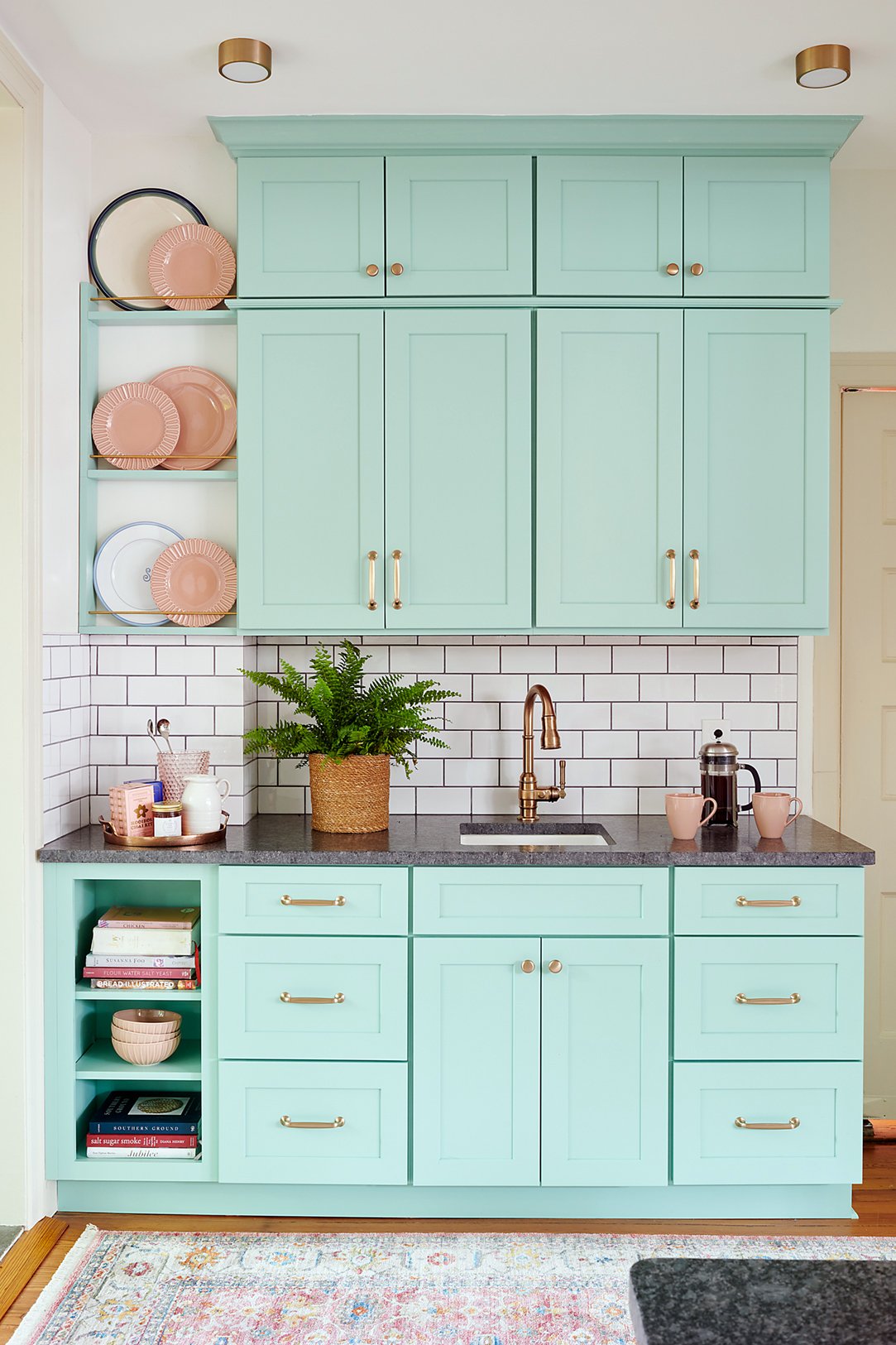
Credit: www.airykitchens.com
Frequently Asked Questions
Do All Cabinets Require Hardware For Function?
Not all cabinets need hardware to function. Some use push-to-open mechanisms or recessed handles. Hardware adds convenience and style but isn’t mandatory.
Can Cabinets Be Used Without Handles Or Knobs?
Yes, cabinets can be handle-free for a sleek look. Touch-latch systems or finger pulls are common alternatives to hardware.
What Are The Benefits Of Cabinet Hardware?
Cabinet hardware enhances grip, ease of use, and aesthetic appeal. It also protects cabinet edges from wear and tear over time.
How Does Cabinet Hardware Impact Kitchen Design?
Hardware styles influence the kitchen’s overall look, from modern to traditional. Choosing the right hardware complements cabinetry and ties the design together.
Conclusion
Not all cabinets need hardware to look good or work well. Some styles use push-to-open doors or grooves to open. Hardware adds style and helps open cabinets easily. It depends on your taste and how you use your kitchen. Choose what fits your space and daily needs best.
Remember, simple or fancy, your cabinets should feel right for you.