Are you looking for a simple, strong way to join materials without nails or screws? Corrugated fasteners might be exactly what you need.
These easy-to-use tools can save you time and make your projects more secure. You’ll discover how to use corrugated fasteners step-by-step. By the end, you’ll feel confident tackling your next project with a fastener that holds tight and looks neat.
Ready to learn a skill that can make your work faster and better? Let’s dive in!
Types Of Corrugated Fasteners
Corrugated fasteners come in different types to fit various needs. Each type serves a specific purpose. Choosing the right fastener improves the strength and durability of your project.
Standard Fasteners
Standard fasteners are the most common option. They work well for light to medium tasks. These fasteners fit most corrugated materials. They provide reliable holding power for everyday use.
Heavy-duty Variants
Heavy-duty fasteners are made for tougher jobs. They hold thicker or denser materials tightly. These fasteners resist strong forces and vibrations. They ensure long-lasting stability in demanding conditions.
Specialty Fasteners
Specialty fasteners serve unique purposes. Some are designed for specific materials or shapes. Others offer extra corrosion resistance or easy removal. These fasteners suit specialized projects and environments.
Choosing The Right Fastener
Choosing the right corrugated fastener is key to a strong, lasting hold. It depends on many factors like the materials you join, the weight they carry, and the environment where they stay. Picking the best fastener helps avoid damage and keeps structures safe.
Material Compatibility
Fasteners must match the materials you connect. Wood needs different fasteners than metal or plastic. Check if the fastener grips well without causing cracks or splits. Using the wrong fastener can weaken the joint.
Load Requirements
Think about how much weight the fastener must support. Heavy loads need stronger, thicker fasteners. Light loads can use smaller, thinner ones. Always choose a fastener that can handle the pressure safely.
Environmental Considerations
Fasteners face rain, sun, and cold or hot temperatures. Some metals rust quickly outside. Use rust-resistant or coated fasteners for outdoor jobs. Inside, normal fasteners usually work fine. Match the fastener to the environment for longer life.
Tools Needed For Installation
Installing corrugated fasteners requires the right tools to ensure a secure hold. The tools help make the process smooth and efficient. Preparing your workspace with these tools saves time and avoids mistakes.
Basic Hand Tools
Start with a hammer or mallet for driving fasteners. A tape measure helps mark exact spots. A pencil or marker is useful for clear lines. A utility knife can trim corrugated sheets if needed. A flat pry bar helps adjust materials during installation.
Power Tools
A cordless drill with screwdriver bits speeds up fastening. Impact drivers provide extra power for tough materials. A circular saw or jigsaw cuts corrugated sheets accurately. Using power tools reduces effort and improves precision. Make sure batteries are charged before starting.
Safety Equipment
Wear safety glasses to protect your eyes from debris. Gloves protect your hands from sharp edges. Ear protection reduces noise from power tools. A dust mask prevents inhaling particles. Proper footwear keeps your feet safe on the job.

Credit: www.youtube.com
Step-by-step Installation Process
Using corrugated fasteners correctly ensures strong, lasting joints. Follow each step carefully to get the best results. This process is simple and works for many types of materials.
Preparing Materials
Start by gathering all materials. You need corrugated fasteners, the sheets to join, and a hammer or mallet. Check the fasteners for any damage or rust. Clean the surfaces of the sheets where you will attach fasteners. This helps them hold better. Measure and mark the spots for fasteners evenly along the joint.
Aligning The Fasteners
Place the sheets together, making sure edges line up. Position a corrugated fastener over the marked spot. The fastener’s teeth should sit between the sheets. Press it down lightly to hold it in place. Check alignment before securing to avoid shifting.
Securing The Joint
Use a hammer or mallet to tap the fastener firmly. Hit evenly until the fastener locks tightly in the sheets. Avoid hitting too hard to prevent bending the fastener. Repeat the process for each marked spot. Ensure all fasteners are fully seated and secure.
Checking For Stability
After installation, test the joint’s strength. Try to move or wiggle the sheets. The joint should feel firm with no gaps. Inspect each fastener for any loose ends. Tighten or add more fasteners if needed. A stable joint lasts longer and holds better.
Common Mistakes To Avoid
Using corrugated fasteners correctly ensures strong and lasting joints. Avoiding common mistakes saves time and materials. Many users make simple errors that reduce the fastener’s effectiveness. Learning what to avoid helps you get the best results.
Incorrect Placement
Place fasteners exactly where needed. Placing them too close to edges weakens the material. Avoid gaps between the fastener and the surface. Improper placement causes weak joints and damage.
Overtightening
Do not overtighten fasteners. Too much pressure can crush the material. Over-tightened fasteners lose grip and fail early. Tighten just enough to hold parts firmly together.
Ignoring Material Specifications
Check the material type before using fasteners. Different materials need different fastener types and sizes. Ignoring this can cause splitting or poor grip. Follow manufacturer guidelines for best performance.

Credit: www.onwardhardware.com
Maintaining Corrugated Fasteners
Maintaining corrugated fasteners is key to their long life and strong hold. Proper care helps avoid damage and keeps your projects safe. This section covers simple steps to keep your fasteners in good shape.
Regular Inspections
Check fasteners often for signs of rust, wear, or loosening. Inspect after storms or heavy use. Tighten any loose fasteners to prevent failure. Early detection saves time and money.
Cleaning Tips
Clean fasteners gently with a soft brush to remove dirt. Avoid harsh chemicals that can damage the metal. Use mild soap and water for best results. Dry fasteners completely to stop rust from forming.
When To Replace Fasteners
Replace fasteners if they show deep rust, cracks, or bending. Do not reuse damaged fasteners as they may fail. Always have spare fasteners ready for quick replacement. Keeping fresh fasteners ensures a secure hold.
Applications In Different Projects
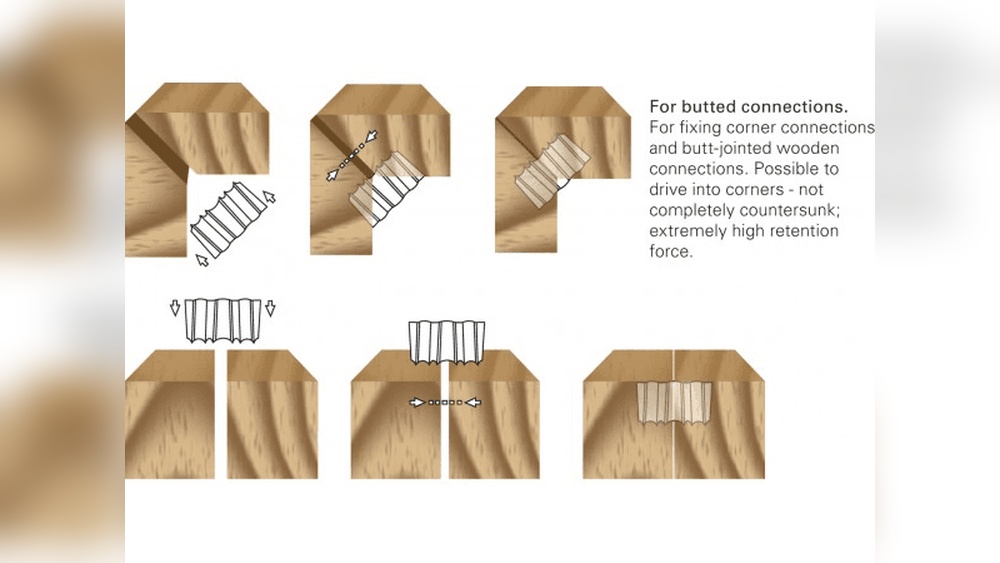
Corrugated fasteners are versatile tools used in many projects. They provide strong, hidden joints without nails or screws. These fasteners work well with wood and other materials. Their unique design helps keep pieces tightly together. Below are common uses across different types of projects.
Furniture Making
Corrugated fasteners join wood pieces in furniture. They create strong frames for chairs and tables. These fasteners hide inside the wood, keeping the surface smooth. They allow quick assembly without visible screws. Furniture stays sturdy and looks clean.
Framing And Carpentry
Carpenters use corrugated fasteners in wall and roof framing. They connect studs, joists, and panels tightly. Fasteners add strength to wooden structures. Builders save time by avoiding nails or glue. The fasteners resist pulling forces well.
Crafts And Diy Projects
DIY enthusiasts use these fasteners for small craft projects. They hold cardboard, wood, and thin materials firmly. Fasteners help create models, boxes, and decorations. They make assembly easy and keep parts secure. Ideal for hobbyists wanting neat results.

Credit: www.reddit.com
Frequently Asked Questions
What Are Corrugated Fasteners Used For?
Corrugated fasteners are used to join wooden pieces securely. They add strength to furniture joints and frames. These fasteners are ideal for flat panels and wide surfaces. They distribute stress evenly, preventing wood splitting. They also enhance the durability of wood assemblies.
How Do You Install Corrugated Fasteners Correctly?
To install, align the fastener on the wood joint. Use a hammer or press to embed it fully. Ensure the corrugations grip the wood tightly. Avoid overdriving to prevent damage. Proper installation guarantees strong, long-lasting joints.
Can Corrugated Fasteners Replace Traditional Screws?
Yes, corrugated fasteners can replace screws in many cases. They offer quicker installation and reduce wood splitting. However, they may not suit heavy load applications. Choose based on the project’s strength and aesthetic requirements.
What Materials Work Best With Corrugated Fasteners?
Corrugated fasteners work best with soft to medium hardwoods. They grip well in plywood, particleboard, and MDF panels. Avoid using on very hard or brittle woods. Proper material selection ensures optimal fastening strength.
Conclusion
Using corrugated fasteners can make your projects stronger and neater. These fasteners hold materials tightly, saving time and effort. Choose the right size and type for the job. Always follow safety steps to avoid accidents. Practice will help you get better and faster.
Keep tools clean and ready for use. Remember, simple tools can do great work with the right technique. Try using corrugated fasteners in your next project to see the difference. Small details matter and good fasteners make a big impact.