Are you struggling to figure out the right size fastener for your project? Getting the measurements wrong can lead to wasted time, money, and frustration.
But don’t worry—measuring fasteners correctly is simpler than you think. In this guide, you’ll learn easy, step-by-step methods to measure bolts, screws, nuts, and washers with confidence. By the end, you’ll know exactly what to look for, so your next project fits perfectly and holds strong.
Keep reading to master fastener measurement like a pro.
Types Of Fasteners
Fasteners come in many types. Each type serves a unique purpose. Choosing the right fastener depends on the job and material. Understanding different fasteners helps in measuring them correctly. This guide covers common varieties, material differences, and their uses.
Common Fastener Varieties
Screws are popular and have a helical ridge. Nails are smooth or ridged and hammered into surfaces. Bolts have a flat end and need nuts to hold parts. Washers spread the load of a bolt or screw. Rivets join materials by deforming the end.
Material Differences
Fasteners come in steel, stainless steel, brass, and aluminum. Steel fasteners are strong and cost-effective. Stainless steel resists rust and suits outdoor use. Brass is soft, used for decorative or electrical jobs. Aluminum fasteners are light and resist corrosion.
Applications And Uses
Screws fit wood, metal, and plastic projects. Nails work best for wood and framing. Bolts secure heavy parts in machinery and construction. Washers prevent damage and loosening in tight joints. Rivets join metal sheets in cars and airplanes.
Credit: www.mudgefasteners.com
Tools For Measuring
Measuring fasteners accurately ensures they fit and work properly. Using the right tools helps get the exact size. Each tool has its own use for different measurements.
Calipers And Micrometers
Calipers measure the outer and inner diameter of fasteners. They also check the depth of holes or threads. Micrometers give very precise measurements of thickness or diameter. These tools are perfect for small, detailed parts.
Thread Gauges
Thread gauges check the pitch and size of fastener threads. They help identify if the threads are coarse or fine. This tool ensures the fastener matches the thread type of the hole or nut.
Rulers And Tape Measures
Rulers and tape measures work well for quick, simple length checks. They measure the overall length or width of bolts and screws. These tools are easy to use but less precise than calipers or micrometers.
Measuring Length
Measuring the length of fasteners is key for any project. Accurate length helps ensure the fastener fits well and holds strong. Length affects the strength and appearance of the finished work. Different fasteners require different measuring methods. Knowing the right way saves time and avoids mistakes.
Measuring Bolts And Screws
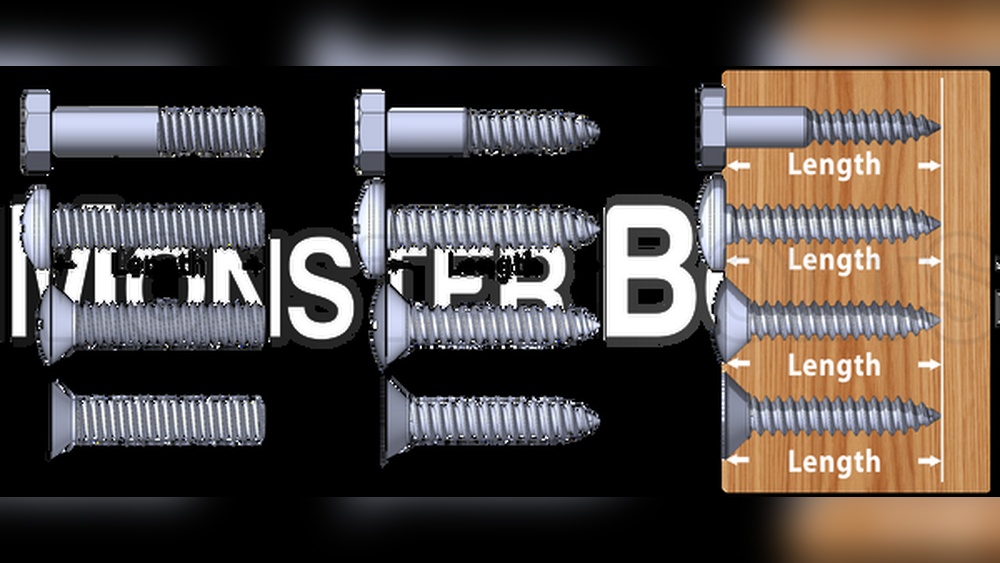
Measure bolts and screws from the tip to the base of the head. For screws with flat heads, measure the entire length. For bolts and screws with rounded or countersunk heads, measure only the shaft length. Use a ruler or caliper for precise reading. Always note the unit of measurement—millimeters or inches.
Capturing Nail Lengths
Nail length runs from the tip to where the head starts. Measure along the side of the nail for accuracy. Do not include the head in the length measurement. Use a tape measure or ruler for nails. Nails come in various lengths, so check twice before buying.
Handling Specialty Fasteners
Specialty fasteners, like rivets or anchors, need careful measuring. Measure the total length including any special parts. Some fasteners have flanges or collars that affect length. Use a caliper to capture exact dimensions. Always check product specs for special measurement notes.

Credit: www.youtube.com
Measuring Diameter
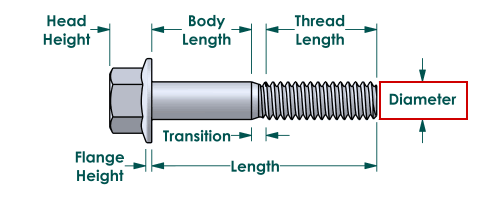
Measuring the diameter of fasteners is crucial for finding the right fit. The diameter affects strength and compatibility. Accurate measurement helps avoid mistakes and saves time. There are different ways to measure diameter depending on the fastener type. Understanding these methods improves your work and ensures safety.
Determining Thread Diameter
Thread diameter refers to the outer width of the threaded part. Use a caliper to measure across the threads. Place the tool at the widest points of the thread peaks. This measurement is called the major diameter. It helps identify the thread size and pitch. Always measure carefully to get an exact number.
Measuring Shank Diameter
The shank is the smooth part under the thread or head. Measure it with a caliper or ruler across its widest part. Shank diameter shows the fastener’s core thickness. It influences the strength and load capacity. Make sure to measure in millimeters or inches, depending on your project.
Outer Vs Inner Diameter
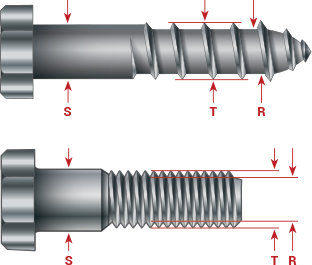
Outer diameter means the largest width of the fastener, usually the thread’s edge. Inner diameter is the smallest width inside the thread grooves. Knowing both helps in matching bolts with nuts or holes. Use tools like calipers to check these measurements precisely. This ensures parts fit well and work correctly.
Measuring Thread Pitch
Measuring thread pitch is important to find the right fastener. Thread pitch tells how close the threads are to each other. It helps match bolts and nuts correctly. You can measure thread pitch in different ways. Each method works for specific fasteners. Understanding thread pitch makes fixing and building easier.
Using Thread Pitch Gauges
Thread pitch gauges are tools made for measuring fastener threads. They have many blades with different tooth shapes. Match the gauge tooth with the fastener thread. When they fit well, you find the thread pitch. This tool shows pitch in millimeters or threads per inch. It is fast and very accurate for most fasteners.
Counting Threads Per Inch
This method counts the number of threads in one inch of the fastener. Use a ruler and count the thread peaks along the inch. The total number is the threads per inch (TPI). This method works well for imperial fasteners. It helps identify the thread size for bolts and screws.
Metric Thread Pitch
Metric thread pitch is the distance between threads in millimeters. It shows how far apart the threads are. Use a metric ruler or thread pitch gauge to measure this distance. Metric fasteners use pitch sizes like 1.0 mm or 1.5 mm. Knowing metric pitch helps find matching nuts and bolts easily.
Common Measurement Challenges
Measuring fasteners can be tricky. There are many challenges that can affect accuracy. Knowing these problems helps you get better results. Below are some common issues faced during measurement.
Dealing With Worn Threads
Worn threads make it hard to measure the fastener size. The thread shape changes and may look smaller than it is. Use a thread gauge carefully to check the pitch. If threads are very damaged, consider replacing the fastener.
Measuring Small Fasteners
Small fasteners are difficult to handle and measure. Their tiny size can cause errors in reading tools. Use fine measuring tools like calipers or micrometers. Work in good light and steady your hands to avoid mistakes.
Avoiding Measurement Errors
Errors happen often during fastener measurement. Incorrect tool use or poor technique causes wrong readings. Always clean the fastener before measuring. Take multiple measurements and compare results for accuracy. Use tools designed for fasteners to improve precision.
Tips For Accurate Sizing
Getting the right size for fasteners is very important. It helps you avoid mistakes and saves time. Accurate sizing ensures the fastener fits well and works properly. Follow these tips for precise measuring every time.
Consistent Measuring Techniques
Use the same tool for all measurements. A caliper or ruler works best. Hold the fastener steady and measure from end to end. Measure the diameter at the thickest part. Avoid guessing or changing methods. Consistency gives reliable results.
Recording And Labeling
Write down each measurement immediately. Label the fastener clearly with size and type. Use a notebook or digital app. This helps avoid confusion later. Organized notes save time during projects.
Double-checking Measurements
Measure each fastener at least twice. Compare your notes for any differences. Re-measure if numbers do not match. Double-checking catches errors early. It ensures you use the correct fastener size every time.
Credit: www.fastenersuperstore.com
Frequently Asked Questions
What Tools Do I Need To Measure Fasteners Accurately?
To measure fasteners accurately, you need a caliper, ruler, or thread gauge. These tools help measure length, diameter, and thread pitch. Using precise tools ensures proper fit and function in your projects.
How Do I Measure The Length Of A Fastener?
Measure the fastener from under the head to the tip for bolts. For screws, measure the entire length including the head. Use a ruler or caliper for accurate results.
How Can I Identify Fastener Thread Size?
Use a thread pitch gauge or caliper to measure thread pitch and diameter. Compare measurements to a thread chart for exact size. This helps ensure compatibility with nuts or tapped holes.
Why Is Measuring Fasteners Important For Projects?
Accurate measurement ensures fasteners fit correctly, preventing assembly issues. It improves safety, durability, and performance. Proper sizing avoids damage to materials and saves time.
Conclusion
Measuring fasteners correctly saves time and avoids mistakes. Use simple tools like calipers or rulers for accuracy. Always note the thread size and length clearly. Double-check your measurements before buying or using fasteners. This careful approach helps your projects stay strong and safe.
Keep practicing these steps to improve your skills. Measuring fasteners is easy with patience and attention.