Are you tired of struggling with complicated fasteners that waste your time and patience? Learning how to use keyhole fasteners can change the way you handle your projects.
These simple yet powerful tools make hanging and securing items quick and hassle-free. You’ll discover easy step-by-step instructions that anyone can follow. Keep reading to unlock the secret to faster, cleaner, and more reliable fastening every time you work. Your projects deserve it!
Keyhole Fasteners Basics
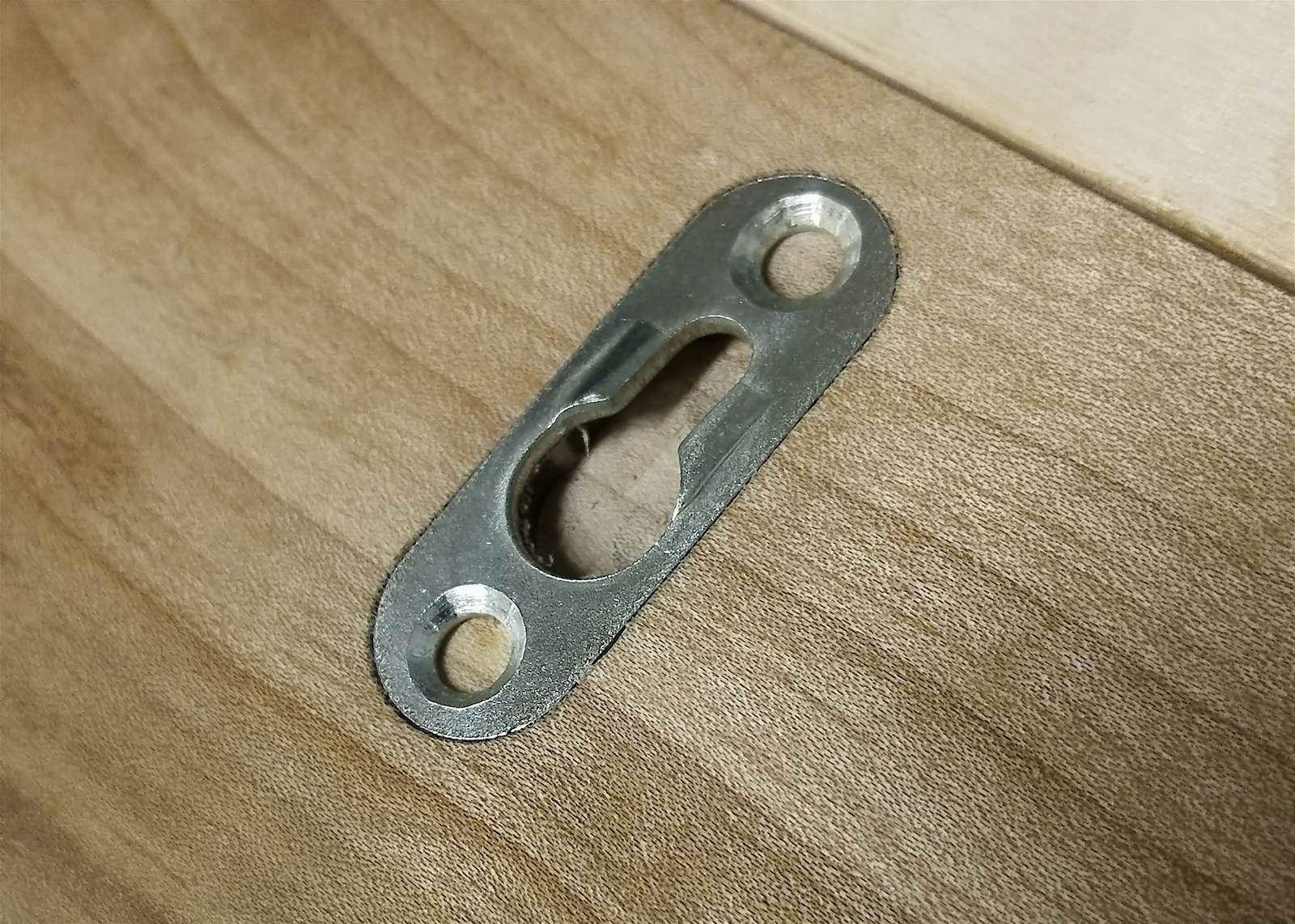
Keyhole fasteners are simple yet effective hardware pieces. They help join two objects securely. These fasteners work by sliding a screw head into a narrow slot. This slot widens to hold the screw in place. Understanding the basics makes using keyhole fasteners easier and safer.
These fasteners save time in assembly and disassembly. They give a clean look with hidden screws. Knowing their types, materials, and common uses helps pick the right one. Below are the key aspects of keyhole fasteners.
Types Of Keyhole Fasteners
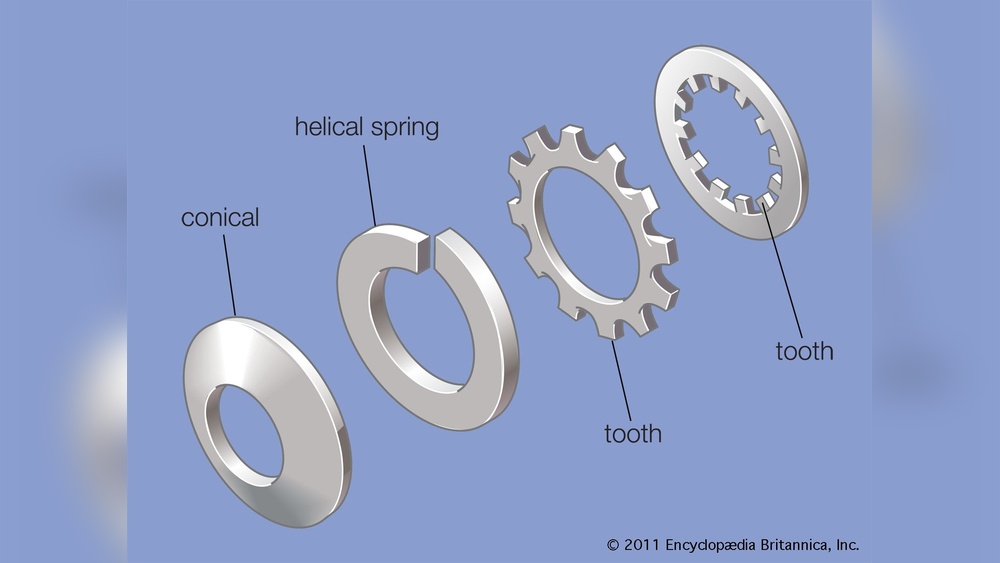
Keyhole fasteners come in many styles. The most common are keyhole slots, keyhole hangers, and keyhole brackets. Slots are flat and simple. Hangers have a hook shape for hanging objects. Brackets offer extra strength for heavy items. Each type fits different needs and projects.
Materials And Sizes
These fasteners are made from metal or plastic. Metal types include steel, brass, and aluminum. Steel is strong and durable. Brass resists rust and looks nice. Plastic fasteners are lightweight and cost less. Sizes vary to fit different screw heads and objects. Always choose the size that matches your screws.
Common Uses
Keyhole fasteners work well for hanging frames and shelves. They attach signs, panels, and small cabinets. They are popular in woodworking and furniture making. Using them keeps the front surface clean and neat. They also allow easy removal without damage.

Credit: catalog.pemnet.com
Tools Needed
Using keyhole fasteners requires a few basic tools. These tools help you install the fasteners securely and neatly. Proper tools make the job easier and faster.
Screwdrivers And Drills
A screwdriver or a drill is essential for installing keyhole fasteners. Choose a screwdriver that fits the screws well to avoid damage. A drill with the right drill bit speeds up the process. Use a drill to make pilot holes for the screws. This prevents wood from splitting.
Measuring Tools
Measuring tools ensure precise placement of the fasteners. A tape measure helps you measure the distance accurately. Use a pencil to mark the spots where you will drill. A level ensures the fasteners are straight. Accurate measurement avoids misalignment and keeps the project neat.
Safety Equipment
Safety is important while working with tools. Wear safety goggles to protect your eyes from dust and debris. Gloves protect your hands from splinters and sharp edges. Use ear protection if you use a loud drill. Safety gear keeps you safe and comfortable during work.
Preparing The Surface
Preparing the surface is a key step before using keyhole fasteners. It ensures the fasteners hold tight and the item stays secure. Taking time here saves effort later and prevents damage.
Selecting The Right Wall
Choose a wall that is strong and flat. Drywall, wood, or concrete walls work well. Avoid walls with cracks or loose paint. These surfaces might not hold the fasteners properly.
Marking The Mounting Points
Measure carefully to mark where the fasteners will go. Use a pencil to make small, clear marks. Double-check the spacing to match the keyhole slots. Accurate marks help the item hang evenly.
Checking For Obstacles
Look behind the wall for wires, pipes, or studs. Use a stud finder or a small drill bit for testing. Avoid drilling into electrical wires or plumbing. This keeps the installation safe and damage-free.
Credit: hub.shapertools.com
Installing Keyhole Fasteners
Installing keyhole fasteners is a simple way to hang objects securely. These fasteners create a clean look with hidden support. The process involves a few clear steps. Follow these instructions to install keyhole fasteners correctly and ensure strong hold.
Drilling Pilot Holes
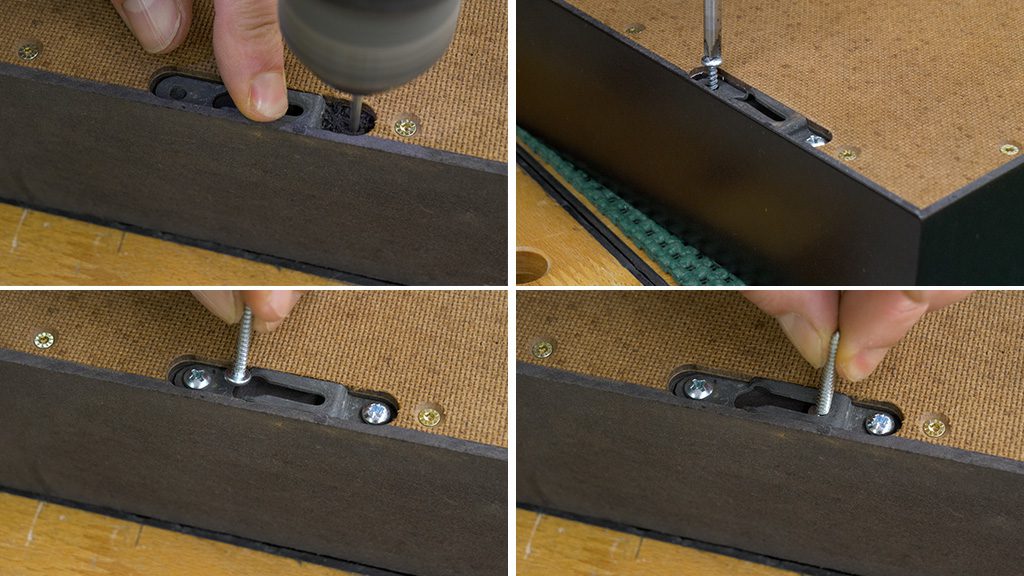
Start by marking where the fasteners will go. Use a pencil to make small marks. Drill pilot holes at these marks. The holes should be smaller than the screws. This helps guide the screws and prevents wood from splitting.
Attaching The Fasteners
Place the keyhole fastener over the pilot holes. Use a screwdriver to insert the screws. Tighten the screws firmly but not too tight. The fastener should sit flat against the surface. Check if it is secure and does not move.
Ensuring Proper Alignment
Align the fastener so the keyhole opening faces the hanging hardware. Use a level to check the position. Proper alignment makes hanging easier and safer. Measure twice to avoid mistakes. This step ensures the item hangs straight and stays in place.
Mounting Objects Securely
Mounting objects securely with keyhole fasteners ensures a strong and neat finish. These fasteners hold items tightly on walls or surfaces. Correct use avoids damage and keeps items stable over time.
Follow clear steps to make sure your objects stay safely in place. Careful alignment and proper sliding make the process smooth. Testing the stability confirms the mount is secure and ready.
Aligning With Fasteners
Start by placing the keyhole fasteners on the object. Mark the wall or surface for screws to match these fasteners. Use a level to keep marks straight and even. Proper alignment is key to a balanced mount.
Sliding Objects Into Place
Hold the object near the wall, aligning fastener holes with the screws. Slide the object down so screws fit into the narrow part of the keyholes. This locks the object tightly against the surface. Move slowly to avoid slipping or damage.
Testing Stability
Gently push or pull the mounted object to check for movement. A secure mount stays firm with little to no wiggle. If the object feels loose, adjust the screws or fasteners. Repeat testing until the mount feels solid and safe.
Troubleshooting Tips
Troubleshooting keyhole fasteners can save time and prevent damage. Understanding common problems helps fix issues quickly. This section covers easy solutions to common troubles.
Fixing Loose Fasteners
Loose fasteners reduce stability and cause items to fall. Tighten screws carefully using the right screwdriver. Avoid over-tightening to prevent stripping the screw head. Check if the fastener fits the wall anchor properly. Replace worn or damaged screws for better grip.
Adjusting Misalignment
Misaligned fasteners make hanging objects uneven. Loosen the screws slightly to adjust the position. Use a level to check alignment before tightening again. Mark the correct spot on the wall for accuracy. Small shifts can make a big difference in appearance.
Dealing With Wall Damage
Wall damage can weaken fastener support and cause falls. Fill holes with spackle or wall filler and let dry. Sand the area smooth before reinstalling the fastener. Use wall anchors designed for the wall type. Avoid heavy loads on damaged walls to prevent further harm.
Maintenance And Safety
Proper maintenance and safety keep keyhole fasteners working well. These fasteners hold parts tightly, so regular care is important. Safe use prevents accidents and extends the fastener’s life. Follow simple steps to ensure they stay strong and safe.
Regular Inspections
Check keyhole fasteners often for damage or wear. Look for cracks, rust, or loose parts. Tighten any loose screws or bolts. Early fixes stop bigger problems. Keep a schedule for inspections to avoid missing them.
Cleaning Fasteners
Remove dirt and debris from fasteners regularly. Use a soft brush or cloth to clean them. Avoid harsh chemicals that can damage the metal. Clean fasteners work better and last longer. Dry them well after cleaning to prevent rust.
Replacing Worn Parts
Replace fastener parts that show wear or damage. Worn parts weaken the hold and cause safety risks. Use parts that match the original size and type. Regular replacement keeps the fastener secure and safe. Don’t wait until parts break to change them.
Credit: www.paoson.com
Frequently Asked Questions
What Are Keyhole Fasteners Used For?
Keyhole fasteners securely hang objects like frames and signs. They allow easy mounting and removal. Their design hides screws, giving a clean look. They work well on wood, metal, and plastic surfaces.
How Do You Install Keyhole Fasteners?
First, attach the fastener to your object with screws. Then, mount screws or nails on the wall. Align the keyhole slot over the wall screw head. Slide the object down to lock it in place.
Can Keyhole Fasteners Support Heavy Items?
Yes, keyhole fasteners can support heavy items if properly installed. Use strong screws and anchors suitable for your wall type. Always check the fastener’s weight rating before use. Correct installation ensures safe and stable hanging.
Are Keyhole Fasteners Reusable?
Yes, keyhole fasteners are reusable. You can easily remove and rehang objects without damage. This makes them ideal for changing displays or relocating items. Just ensure screws remain securely fastened during reuse.
Conclusion
Keyhole fasteners make hanging objects simple and secure. They save time and effort in many projects. Use them by aligning the fastener with the screw head. Slide the fastener down to lock it in place. This method works well for pictures, shelves, and signs.
Practice a few times to get comfortable. These fasteners hold items tightly and prevent slipping. Keep your tools ready for quick adjustments. Now, you can easily hang items with confidence.