Are you confused when you see numbers and letters on fasteners? You’re not alone.
Knowing how to read fastener sizes can save you time and prevent costly mistakes. Imagine picking the wrong bolt or screw—your project could fall apart or take longer to fix. You’ll learn simple tricks to decode those codes quickly and confidently.
By the end, you’ll feel ready to choose the right fastener every time. Keep reading to unlock the secret behind fastener sizes and make your work easier.
Fastener Size Basics
Understanding fastener sizes is key to selecting the right part for your project. Fasteners come in many types and sizes. Knowing the basics helps you avoid mistakes and saves time. This guide breaks down the essential measurements used in fastener sizing.
Common Measurement Units
Fastener sizes use two main units: metric and imperial. Metric sizes use millimeters (mm). Imperial sizes use inches. Some fasteners mix units, but most follow one system. Knowing which system you need is important. Metric fasteners are common worldwide. Imperial fasteners are popular in the United States.
Understanding Diameter And Length
Diameter is the width of the fastener’s shaft. It shows how thick the screw or bolt is. Length measures from the tip to the head. For bolts, length excludes the head. For screws, length includes the full shaft. Correct diameter and length ensure a proper fit and hold.
Thread Pitch And Count
Thread pitch means the distance between threads. It is measured in millimeters for metric fasteners. For imperial fasteners, threads per inch (TPI) is used. Thread count tells how many threads are in one inch. Matching thread pitch and count is crucial for compatibility. Wrong threads can damage parts or cause weak joints.

Credit: www.wikihow.com
Identifying Fastener Types
Understanding fastener types helps you read their sizes easily. Each fastener has a specific role in holding parts together. Knowing the types lets you choose the right fastener for your project. This section breaks down common fasteners and their key differences.
Bolts Vs Screws
Bolts usually need a nut to hold parts tightly. They have a flat end and a uniform thread. Screws can fasten directly into materials without a nut. They have a pointed end and a varied thread. Both come in many sizes and shapes.
Nuts And Washers
Nuts are small, shaped pieces that fit on bolts. They secure the bolt in place and prevent loosening. Washers sit between the nut and surface. They spread the load and protect the material. Different washer types serve different purposes.
Specialty Fasteners
Specialty fasteners include anchors, rivets, and clips. Anchors hold fasteners in drywall or masonry. Rivets join materials permanently by deforming the end. Clips hold parts without threading or nuts. Each type suits unique tasks and materials.
Reading Size Markings
Reading size markings on fasteners helps you pick the right part for your project. These markings show important details like diameter, length, and thread type. Understanding them saves time and avoids mistakes.
Fastener markings can be confusing at first. Knowing what each symbol and number means makes the process easier. This section breaks down the key markings you need to know.
Head Markings Explained
The head of a fastener often has stamped marks. These marks identify the manufacturer and strength grade. For example, numbers on bolt heads indicate tensile strength. Shapes and lines can show if it is stainless steel or alloy.
These markings help you match fasteners to specific tasks. Check the head before buying or using the fastener. This ensures the part meets your project’s needs.
Decoding Thread Labels
Thread labels describe the pitch and type of the fastener threads. Pitch means the distance between threads. Common labels include coarse and fine threads. Coarse threads are thicker and faster to install. Fine threads provide better grip and strength.
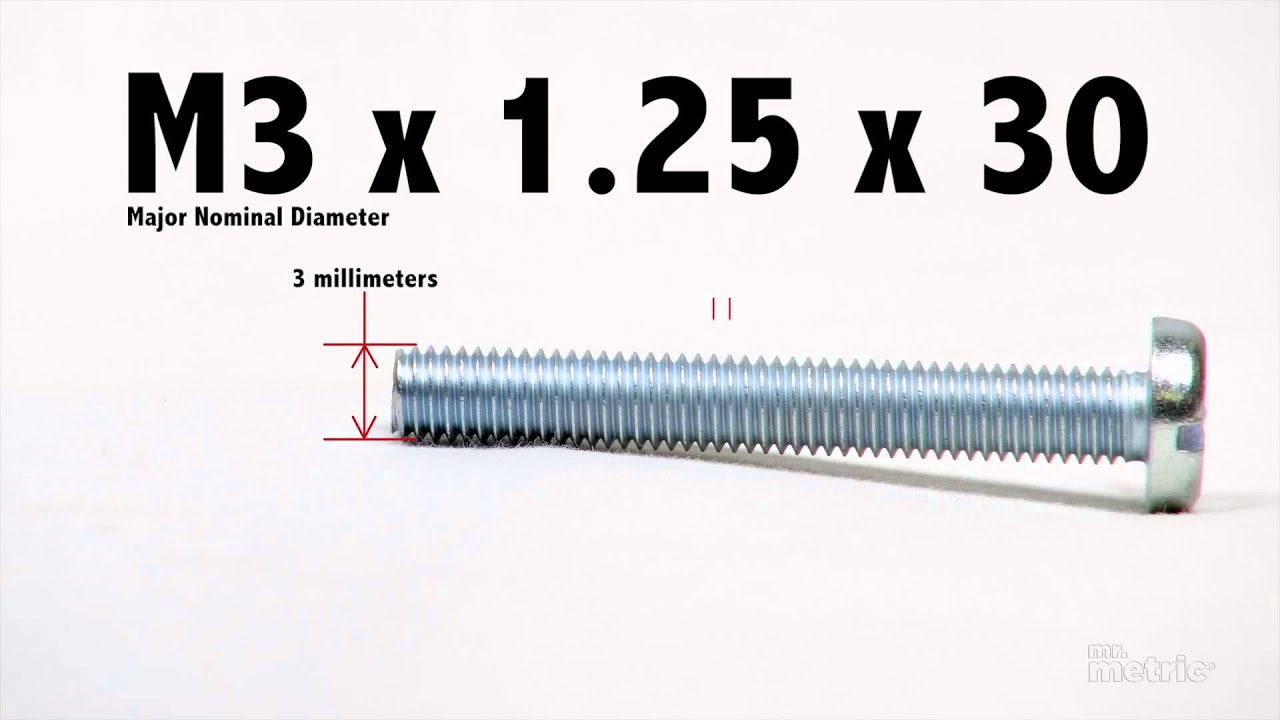
Look for numbers and letters that indicate thread size. For example, “M6 x 1” means metric 6mm diameter with 1mm thread pitch. Understanding these labels helps you find matching nuts or holes.
Metric Vs Imperial Sizes
Fasteners come in metric and imperial sizes. Metric sizes use millimeters, while imperial sizes use inches. Metric fasteners are common worldwide. Imperial sizes are popular in the United States.
Check the markings carefully. A 10mm bolt is not the same as a 3/8 inch bolt. Using the wrong size can cause damage or poor fit. Always match the fastener size to your tool and project specifications.
Using Measuring Tools
Measuring tools are essential for reading fastener sizes accurately. These tools help you find exact dimensions like diameter, length, and thread pitch. Using the right tool ensures you pick the correct fastener for your project. Understanding how to use each tool improves your measuring skills and prevents mistakes.
Calipers And Micrometers
Calipers measure the outer diameter of fasteners with high accuracy. They have jaws that close around the fastener to give a precise reading. Micrometers work similarly but are better for very small measurements. Both tools show sizes in millimeters or inches. Use them to check bolt thickness or nut size easily.
Thread Gauges
Thread gauges check the pitch of screw threads. Pitch means the distance between threads. This tool helps identify the thread type and size. Place the gauge on the fastener and match the teeth with the threads. It shows whether the thread is fine or coarse. Thread gauges avoid mismatches in screw fittings.
Rulers And Tape Measures
Rulers and tape measures give quick length measurements. They work well for longer fasteners or bolts. Hold the ruler against the fastener and read the length from end to end. Tape measures are flexible and good for larger items. These tools are simple but useful for rough size checks.
Quick Tips For Accurate Reading
Reading fastener sizes correctly saves time and avoids mistakes. Accurate reading ensures the right fit for your project. Follow simple tips to read sizes with confidence and ease.
Checking Manufacturer Specs
Always start by reviewing the manufacturer’s specifications. These specs list exact dimensions and types. Specs help confirm size, thread pitch, and length. Use the specs as your main reference. Don’t rely only on markings or guesses.
Double-checking Measurements
Measure twice before choosing a fastener. Use a caliper or ruler for precise reading. Check diameter, thread count, and length carefully. Cross-check measurements against the specs to avoid errors. Double-checking prevents buying the wrong fastener.
Common Mistakes To Avoid
Avoid confusing thread pitch with diameter. Don’t ignore metric and imperial size differences. Skip guessing sizes based on appearance alone. Avoid mixing up length with thread length. Clear reading means fewer project delays and better results.
Credit: www.youtube.com

Credit: www.youtube.com
Frequently Asked Questions
What Do Fastener Size Numbers Mean?
Fastener size numbers indicate diameter, thread pitch, and length. They help identify the exact fastener needed for a project. Understanding these numbers ensures proper fit and function in assembly or repair tasks.
How To Measure Fastener Thread Pitch?
Use a thread pitch gauge to measure the distance between threads. Thread pitch is the number of threads per inch or millimeter. Accurate measurement prevents mismatched fasteners and ensures secure connections.
Why Is Fastener Length Important?
Fastener length affects the strength and stability of a joint. Using the correct length prevents damage and ensures proper fastening. Always measure from the fastener head to the tip for accuracy.
How To Read Metric Fastener Sizes?
Metric fastener sizes include diameter in millimeters and thread pitch. For example, M8 x 1. 25 means 8mm diameter and 1. 25mm thread pitch. Understanding metric sizes helps with global fastener selection.
Conclusion
Reading fastener sizes does not have to be hard. Know the numbers and letters on bolts and screws. They tell you the size, thread, and length. Practice checking different fasteners to get comfortable. Use this skill to pick the right parts for projects.
It saves time and avoids mistakes. Soon, reading fastener sizes will feel natural and easy. Keep learning step by step. Your work will be stronger and safer. Simple knowledge leads to better results.