Have you ever wondered what holds machines, buildings, and everyday objects firmly together? The answer lies in something small but powerful—fasteners.
These tiny components play a huge role in engineering, ensuring everything stays secure and works smoothly. If you want to understand how things are built and kept strong, learning about fasteners is a great place to start. Keep reading, and you’ll discover the essential types, uses, and secrets behind these unsung heroes of engineering.
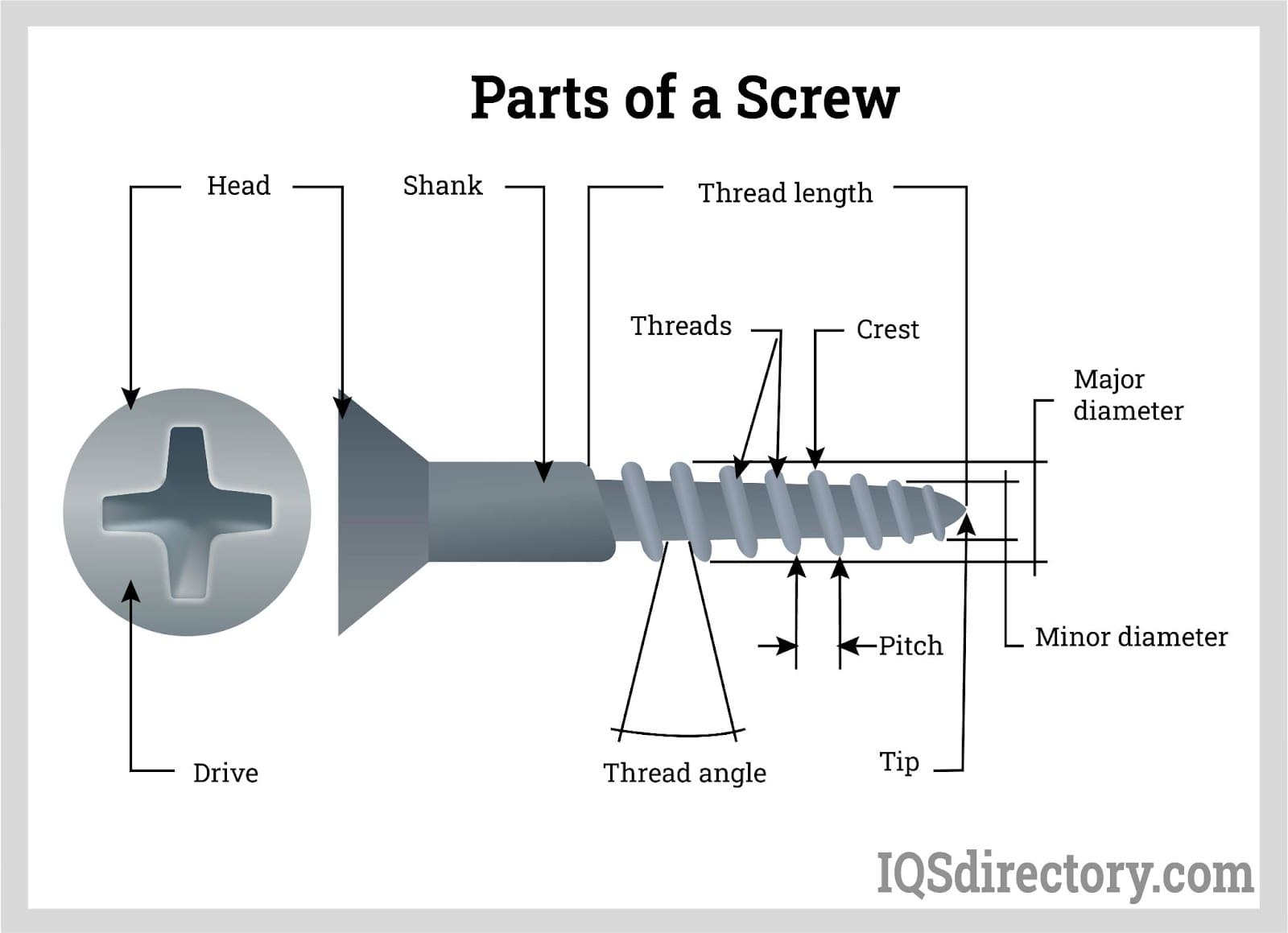
Credit: www.iqsdirectory.com
Types Of Fasteners
Fasteners are essential parts in engineering. They hold pieces of material together. Different types of fasteners suit different jobs. Choosing the right fastener improves strength and safety. Here are the main types of fasteners used in engineering.
Bolts And Screws
Bolts and screws are common fasteners. Both have threads that grip material tightly. Bolts usually work with nuts to hold parts. Screws can fasten directly into materials. They come in many sizes and shapes. Their strong hold makes them very useful.
Nuts And Washers
Nuts pair with bolts to secure joints. They twist onto bolt threads to lock parts. Washers go under nuts or bolt heads. They spread the load and protect surfaces. Washers also stop nuts from loosening. These small parts improve fastening strength.
Rivets And Pins
Rivets join two pieces by permanent fastening. They need special tools to install. Rivets are strong and resist vibration well. Pins fit through holes to hold parts in place. Some pins allow parts to move or pivot. Both rivets and pins add security.
Clips And Clamps
Clips and clamps hold parts together without threads. Clips snap into place for quick fastening. Clamps use pressure to keep parts tight. They are easy to remove and reuse. These fasteners work well for temporary or adjustable holds.

Credit: www.engineeringexpress.com
Materials Used For Fasteners
Fasteners hold parts together in machines and structures. The material of a fastener affects its strength, durability, and use. Different jobs need different materials. Some are strong, some resist rust, and some are light. Understanding materials helps choose the right fastener.
Steel And Stainless Steel
Steel fasteners are very strong and common. They work well in many machines and buildings. Stainless steel does not rust easily. It stays shiny and clean for a long time. These fasteners suit outdoor and wet places. They keep parts tight and safe.
Aluminum And Brass
Aluminum fasteners are light and resist rust. They are not as strong as steel but good for light jobs. Brass fasteners resist corrosion and look nice. They are often used in decorative or electrical parts. Both materials help where weight and appearance matter.
Plastic Fasteners
Plastic fasteners are light and do not rust. They work well in low-strength or electric parts. Plastic can resist chemicals and water. These fasteners are easy to make in many shapes. They suit jobs where metal fasteners are too heavy or cause rust.
Common Fastener Head Styles
Fasteners are essential in engineering for joining parts securely. The head style of a fastener affects how it is driven and the tools needed. Different head styles suit various applications and materials. Understanding common fastener head styles helps choose the right fastener for the job.
Hex Head
Hex head fasteners have six flat sides. This shape allows easy gripping with a wrench or socket. They provide strong torque and hold well in tough conditions. Hex heads are common in construction and machinery.
Phillips And Slotted
Phillips heads have a cross shape. They guide the screwdriver to prevent slipping. Slotted heads have a single straight groove. Both are simple and widely used. Phillips is better for power tools, slotted works well for hand tools.
Socket And Torx
Socket heads are cylindrical with a recessed hex shape. They fit Allen wrenches perfectly. Torx heads have a star-shaped pattern. This design reduces cam-out and allows higher torque. Both are popular in electronics and automotive industries.
Fastener Strength Grades
Fastener strength grades tell us how strong a fastener is. They help engineers choose the right bolts or screws for their projects. Knowing these grades is key for safety and durability in construction and machines.
Understanding Tensile Strength
Tensile strength measures how much pulling force a fastener can handle. It shows the maximum load before the fastener breaks. Higher tensile strength means the fastener is stronger and can hold more weight. This value is important for parts that face heavy stress.
Markings And Standards
Fasteners come with markings to show their strength grade. These marks appear on the head of bolts or screws. Standards like ISO and ASTM set rules for these grades. These rules help engineers know exactly what strength a fastener has. Using the right grade prevents failures in structures and machines.
Choosing The Right Fastener
Choosing the right fastener is key in engineering projects. Fasteners hold parts together and affect the strength and durability of a structure. Picking the wrong fastener can cause failure and increase costs. Understanding the needs of your project helps in selecting the perfect fastener.
Load Requirements
Consider how much weight the fastener must support. Different fasteners have different strength limits. Choose one that can handle the forces without breaking. Think about both static and dynamic loads. This ensures safety and long-term performance.
Environmental Factors
Fasteners face various environments like moisture, heat, or chemicals. Select materials that resist rust and corrosion. Stainless steel or coated fasteners work well outdoors. Consider temperature changes that may cause expansion or contraction.
Assembly And Maintenance
Think about how easy it is to install the fastener. Some require special tools or skills. Choose fasteners that simplify assembly and reduce time. Also, consider future maintenance needs. Fasteners that are easy to remove help with repairs and inspections.
Installation Techniques
Installation techniques for fasteners play a crucial role in engineering. Proper installation ensures strength, safety, and durability. Poor installation can lead to failures and costly repairs. Understanding key methods helps achieve secure and efficient fastening.
Torque Specifications
Torque specifications show how tight a fastener should be. Applying the correct torque prevents damage and loosening. Use a torque wrench to measure the exact force. Follow manufacturer guidelines for each fastener type. Over-tightening can strip threads or break parts. Under-tightening leads to weak joints and vibrations.
Thread Locking Methods
Thread locking methods stop fasteners from loosening during use. Common options include thread-locking adhesives and mechanical locks. Adhesives fill gaps and harden to hold threads tight. Mechanical locks use extra parts like lock washers or nuts. Choose the method based on load and environment. Proper thread locking improves safety and reliability.
Proper Tools
Using proper tools is essential for fastener installation. Tools like torque wrenches, screwdrivers, and spanners fit fasteners correctly. Avoid using worn or wrong-sized tools. They can damage fasteners or cause poor tightening. Clean tools and fasteners before use. Proper tools ensure accurate installation and long-lasting joints.
Common Fastener Failures
Fasteners are key parts in engineering that hold materials together. They must be strong and reliable. Failures in fasteners can cause big problems. Knowing common fastener failures helps prevent accidents and costs.
Corrosion
Corrosion happens when fasteners react with moisture and air. It makes metals weak and rough. Rust can break fasteners over time. Corrosion lowers the fastener’s strength and safety. Using the right materials and coatings helps stop corrosion.
Fatigue
Fatigue occurs from repeated stress on fasteners. Small cracks form and grow with use. These cracks cause fasteners to break suddenly. Fatigue happens in machines with moving parts. Proper design and regular checks reduce fatigue risks.
Over-tightening And Loosening
Over-tightening fasteners can damage threads and parts. It can cause fasteners to snap or lose grip. Loosening happens from vibrations or poor fitting. Loose fasteners create gaps and reduce safety. Correct torque and locking methods keep fasteners secure.

Credit: allpointsfasteners.com
Frequently Asked Questions
What Are Fasteners Used For In Engineering?
Fasteners join two or more components securely in engineering. They provide mechanical stability and enable easy assembly or disassembly. Common fasteners include bolts, screws, nuts, and rivets. They are crucial for structural integrity and efficient manufacturing processes.
What Are Common Types Of Fasteners?
Common fasteners include bolts, screws, nuts, washers, rivets, and pins. Each type serves different purposes based on load, material, and environment. Bolts and screws allow removable joints, while rivets provide permanent fastening. Selection depends on application requirements and engineering standards.
How Do Fasteners Ensure Structural Stability?
Fasteners distribute loads evenly across joined parts, preventing movement or separation. Properly tightened fasteners maintain tension and resist shear forces. They enhance the durability and safety of structures by holding components firmly together under stress.
What Materials Are Fasteners Typically Made From?
Fasteners are commonly made from steel, stainless steel, brass, aluminum, and titanium. Material choice depends on strength, corrosion resistance, and weight requirements. Steel offers high strength, while stainless steel resists corrosion. Specialized fasteners use alloys for extreme conditions.
Conclusion
Fasteners hold machines and structures together every day. They come in many shapes and sizes, each with a clear job. Choosing the right fastener helps ensure safety and strength. Knowing their types helps you understand how things work. Small parts, big impact.
Simple yet essential. Fasteners keep the world connected.