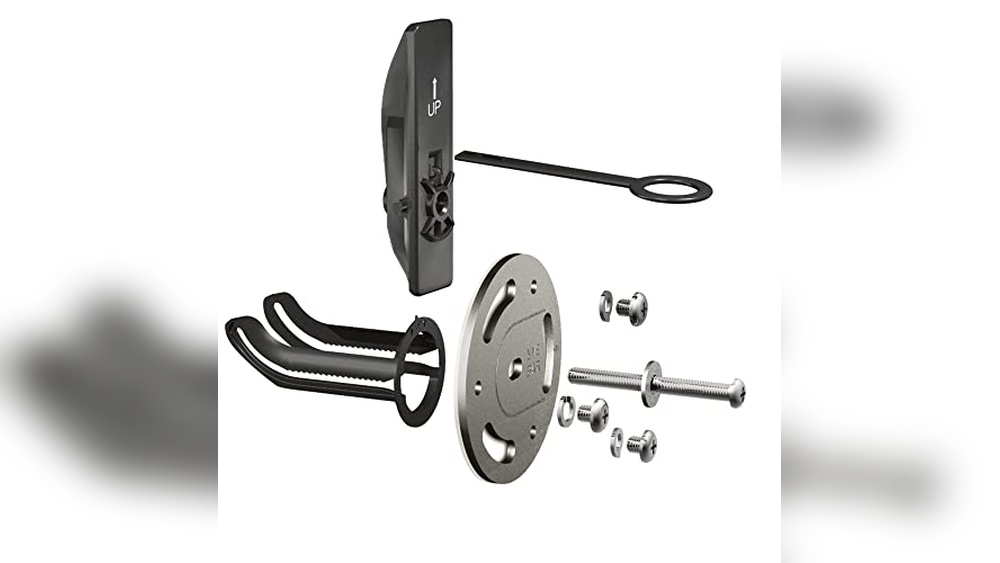
Have you ever wondered how things stay together? Whether it’s your furniture, your car, or even the gadgets you use every day, there’s one simple item that plays a huge role in holding everything in place—a fastener.
But what exactly is a fastener used for, and why is it so important in your daily life? Keep reading, and you’ll discover how these small but mighty components make a big difference in the things you rely on every day.
Understanding this can change the way you see the world around you—and maybe even help you with your next project.
Credit: mccoymart.com
Types Of Fasteners
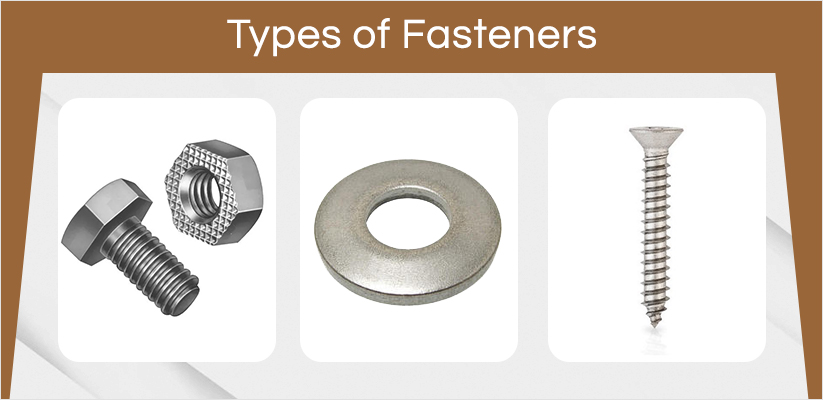
Fasteners join two or more objects together. They help build, fix, and hold things in place. Different jobs need different fasteners. Some are strong, some are quick to use. Understanding types of fasteners helps choose the right one for any task.
Mechanical Fasteners
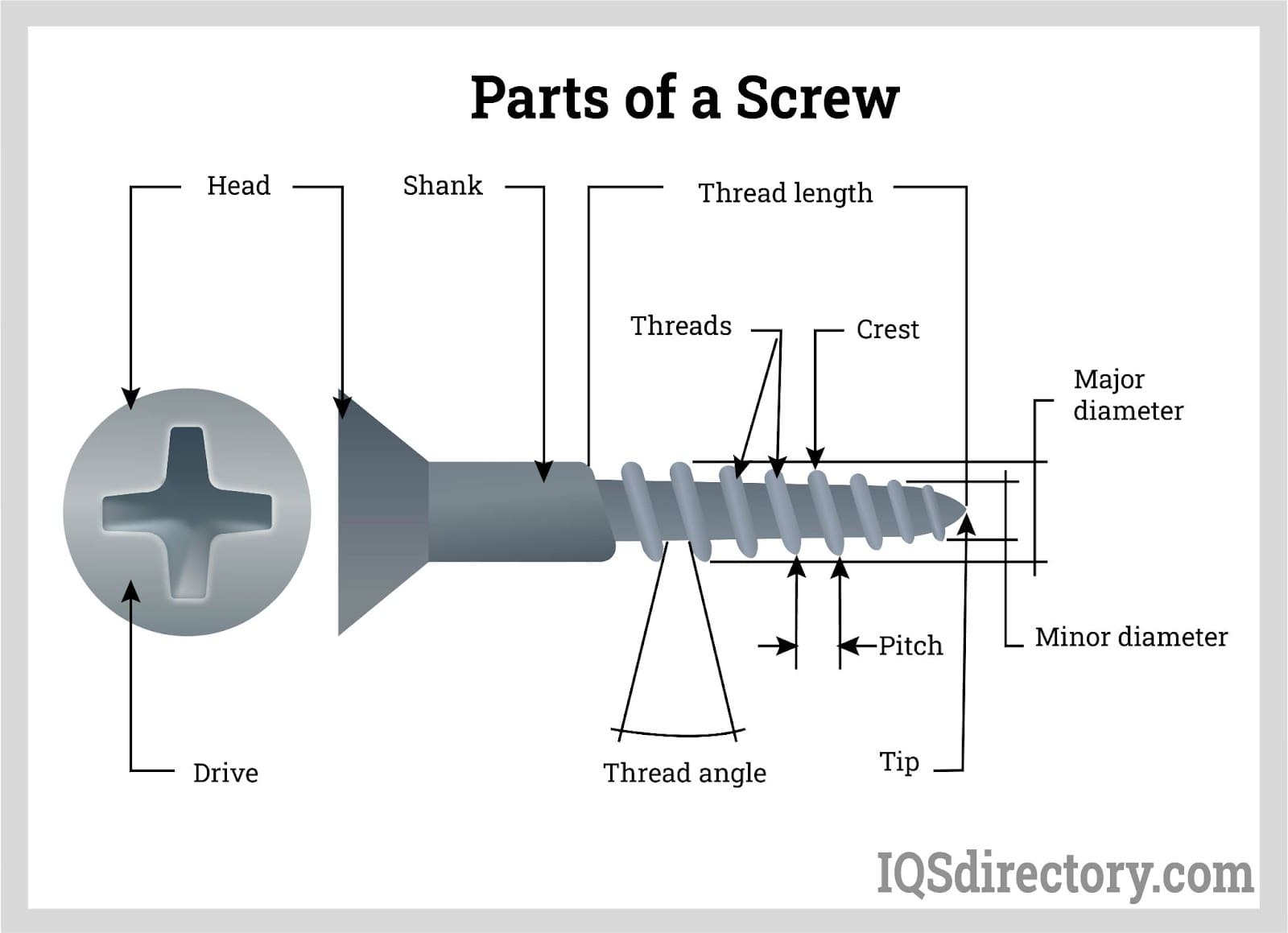
Mechanical fasteners hold parts by physical force. Screws, bolts, nuts, and nails are common types. They can be removed and reused easily. These fasteners work well for wood, metal, and plastic. They provide strong, reliable connections for many projects.
Adhesive Fasteners
Adhesive fasteners use glue or tape to stick parts together. They spread a sticky substance between surfaces. This creates a bond without holes or damage. Adhesives work best on smooth, clean surfaces. They are good for light to medium loads and provide a neat finish.
Welding And Soldering
Welding and soldering join materials by melting them together. Welding melts metals to form a strong bond. Soldering uses a filler metal at lower temperatures. Both methods create permanent connections. These fasteners are common in metalwork and electronics.
Credit: www.iqsdirectory.com
Key Uses Of Fasteners
Fasteners play a vital role in many industries and everyday life. They hold parts and materials together securely. Their uses go beyond just sticking things in place. Fasteners provide strength, stability, and flexibility to structures and objects.
Understanding the key uses of fasteners helps us see why they are so important. They join materials, support structures, and allow for easy disassembly when needed. Each use offers unique benefits to builders, manufacturers, and users.
Joining Materials
Fasteners connect different materials like wood, metal, and plastic. They keep parts tightly bound to form one unit. This joining is crucial for making furniture, machines, and buildings. Fasteners ensure that these materials stay together under pressure and use.
Providing Structural Support
Fasteners add strength to structures and objects. They hold parts in place to prevent movement or collapse. This support is key in construction, automotive, and electronics industries. Fasteners help maintain the shape and stability of complex assemblies.
Allowing Disassembly
Fasteners make it easy to take things apart when needed. This feature is useful for repairs, upgrades, or transport. Screws, bolts, and nuts can be removed and reused. Disassembly saves time and money by avoiding permanent joins.
Common Fastener Materials
Fasteners join parts together in many products and structures. The material of a fastener affects its strength and use. Choosing the right material is key for safety and durability. Common fastener materials include metals, plastics, and specialty options. Each has unique traits for different needs.
Metal Fasteners
Metal fasteners are strong and widely used. Steel, stainless steel, and brass are common types. Steel fasteners are tough and cost-effective. Stainless steel resists rust and suits outdoor use. Brass fasteners have good corrosion resistance and look nice. Metal fasteners handle heavy loads and high temperatures well.
Plastic Fasteners
Plastic fasteners are lightweight and resist corrosion. They do not rust or conduct electricity. Nylon is a popular plastic used for screws and clips. Plastic fasteners suit light loads and moist environments. They are easy to install and reduce vibration. Plastic fasteners are less strong than metal but useful in many cases.
Specialty Materials
Specialty fasteners use materials for special jobs. Titanium fasteners are very strong and light. Aluminum fasteners resist corrosion and are soft. Ceramic fasteners handle heat and chemicals well. These materials fit unique needs like aerospace or electronics. Specialty fasteners cost more but provide extra benefits.
Fastener Selection Factors
Selecting the right fastener is key for any project. It ensures safety, strength, and durability. Fasteners come in many types and sizes. Choosing the right one depends on several factors. Understanding these helps in making the best choice.
Load Requirements
Fasteners must handle the forces applied to them. Different projects need different strengths. Some fasteners hold light materials. Others support heavy loads or vibrations. Knowing the weight and stress helps pick the right fastener. Using a weak fastener can cause failure or accidents.
Environmental Conditions
Fasteners face different environments. Some work indoors, others outdoors. Exposure to water, heat, or chemicals affects fastener choice. Corrosion-resistant materials like stainless steel suit wet places. Heat-resistant fasteners are needed in high temperatures. Choosing based on environment extends fastener life.
Compatibility With Materials
Fasteners must match the materials they join. Metal fasteners suit metal parts well. Wood requires screws or nails made for wood. Using wrong fasteners can damage materials or weaken joints. Material compatibility prevents rust, corrosion, and wear. This ensures a strong and lasting hold.
Fasteners In Everyday Life
Fasteners play a big role in daily life. They keep things together and make structures strong. From small screws to large bolts, fasteners help build and repair many objects. Understanding their uses helps appreciate their importance.
Home Applications
Fasteners hold furniture parts tightly. Cabinets use screws to stay firm. Doors depend on hinges fixed by fasteners. Picture frames hang securely with nails or hooks. Even small toys need tiny fasteners inside.
Automotive Uses
Cars rely on fasteners to keep parts in place. Wheels attach to axles with strong bolts. Engines use many screws to hold components. Seats fasten to the frame for safety. Fasteners help maintain cars during repairs.
Industrial Settings
Factories use fasteners to build machines. Large bolts join steel beams in buildings. Conveyor belts fasten with clips and screws. Heavy equipment depends on reliable fasteners. Without them, industry work would stop.
Credit: www.asiadsteels.com
Frequently Asked Questions
What Is The Primary Function Of A Fastener?
A fastener joins two or more objects securely. It holds parts together in machinery, construction, and everyday items. Fasteners ensure stability and strength in assemblies, preventing movement or separation under stress.
Which Industries Commonly Use Fasteners?
Fasteners are vital in automotive, aerospace, construction, electronics, and furniture industries. They ensure reliable assembly and safety. Each industry uses specific fasteners tailored to their needs and environmental conditions.
What Types Of Fasteners Exist?
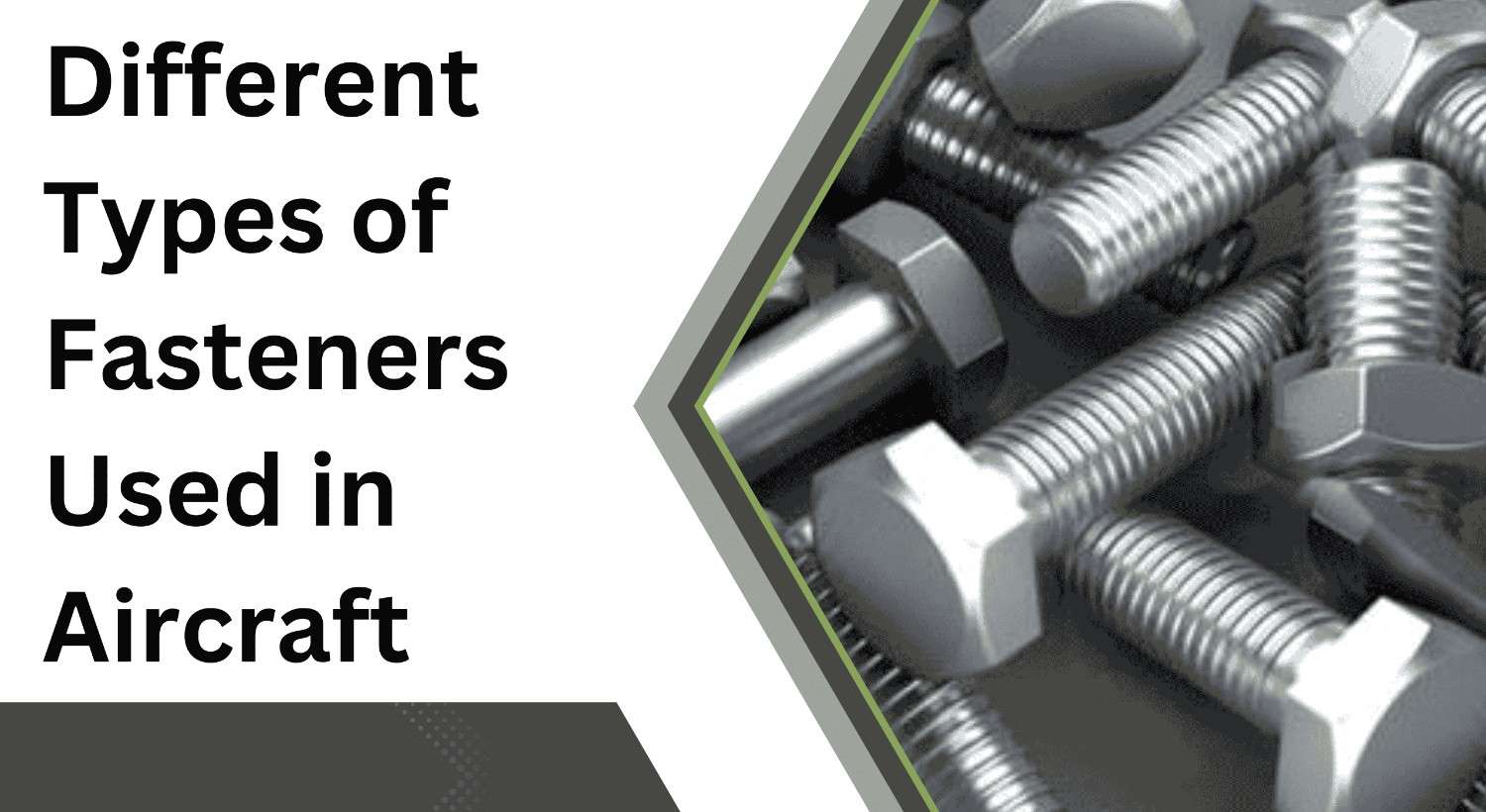
Common fasteners include screws, bolts, nuts, washers, and rivets. Each type suits different materials and load requirements. Their designs vary to provide optimal grip, durability, and ease of use.
How Do Fasteners Enhance Product Durability?
Fasteners maintain structural integrity by tightly securing components. They resist vibrations and external forces, reducing wear and tear. Proper fastener choice extends product lifespan and reliability.
Conclusion
Fasteners hold things together securely and safely. They come in many shapes and sizes. From construction to everyday items, fasteners keep parts joined. Choosing the right fastener helps your project last longer. They make repairs easier and support strong connections.
Understanding fasteners helps you pick the best one. Small but important tools in building and fixing. Simple, yet essential for many tasks around us. Fasteners keep the world connected, one piece at a time.