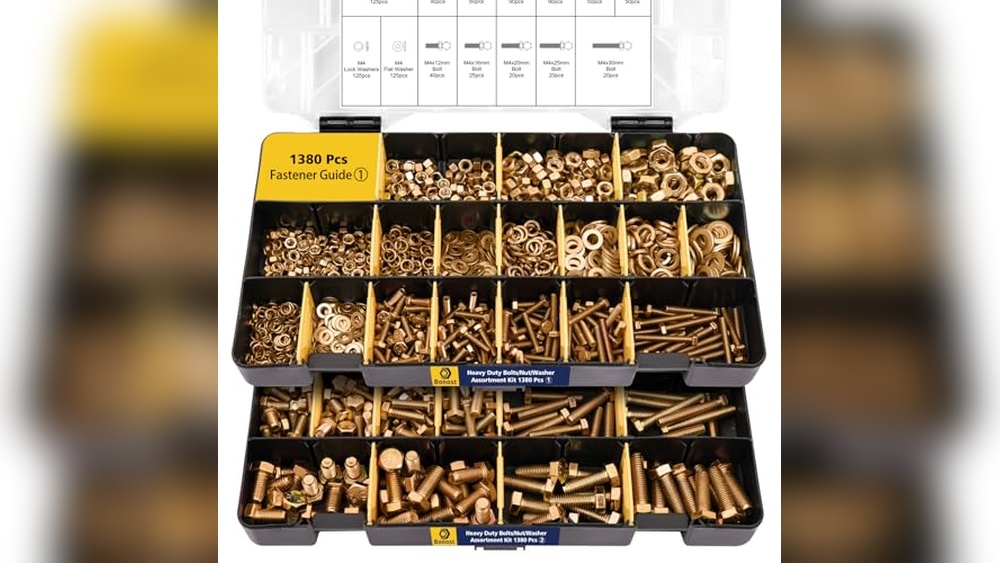
Are you looking for a simple way to keep things organized, secure, or in place without using nails or glue? Self adhesive fasteners could be the perfect solution for you.
These handy little tools stick firmly where you want them and make your projects easier and cleaner. Whether you’re fixing something at home, working on a craft, or organizing cables, knowing how to use self adhesive fasteners can save you time and hassle.
Keep reading to discover easy steps and smart tips that will help you get the best results every time.
Credit: www.aslegal.com
Choosing The Right Fasteners
Choosing the right self adhesive fasteners is key for a strong hold. The right fastener fits your project needs and surface type. Picking the correct type avoids damage and ensures durability. Understanding different fasteners helps make the best choice.
Types Of Self Adhesive Fasteners
There are many types of self adhesive fasteners. Hook and loop fasteners are popular for clothes and crafts. They stick well and allow easy opening and closing. Double-sided tape fasteners are thin and hold lightweight items. Magnetic fasteners work well on metal surfaces. Choose a type that fits your project size and strength needs.
Material Compatibility
Not all fasteners stick well on every material. Some work best on smooth surfaces like glass or plastic. Rough or porous surfaces may need stronger adhesive fasteners. Test a small area to check if the fastener sticks properly. Match the fastener material to the surface for the best result.
Surface Preparation Tips
Clean the surface before applying fasteners. Remove dust, oil, and dirt with rubbing alcohol or soap. Dry the area completely before sticking fasteners. A clean surface helps the adhesive bond better. Avoid touching the sticky side to keep it effective. Proper prep increases fastener strength and longevity.
Preparing The Surface
Preparing the surface is a key step for self adhesive fasteners. A clean, smooth surface helps the fastener stick well. Poor preparation can cause the fastener to peel off quickly. Take time to make the surface ready. It saves effort and makes the fastener last longer.
Cleaning Techniques
Start by removing dust and dirt. Use a soft cloth or brush. Clean the area with mild soap and water. Avoid harsh chemicals that can damage the surface. For oily spots, use rubbing alcohol or a suitable cleaner. Let the surface dry fully before the next step.
Drying And Smoothing
Dry the surface with a clean towel. Make sure no water or moisture remains. Check for bumps or rough spots. Sand gently if needed to smooth the surface. A flat surface helps the fastener stick evenly. Avoid touching the area after cleaning to keep it clean.
Avoiding Common Mistakes
Do not apply fasteners on wet surfaces. Avoid using dirty or oily cloths. Do not skip drying time. Avoid rough or damaged surfaces. Avoid touching the sticky side of the fastener. These mistakes reduce the strength of the bond and cause failure.
Applying The Fasteners
Applying self-adhesive fasteners is simple and quick. This process ensures a strong hold and neat finish. Follow these steps carefully for the best results.
Measuring And Cutting
Start by measuring the area where you will place the fastener. Use a ruler or measuring tape for accuracy. Cut the fastener strip or pieces to the needed size. Make sure the pieces fit well without overlapping.
Peeling The Backing
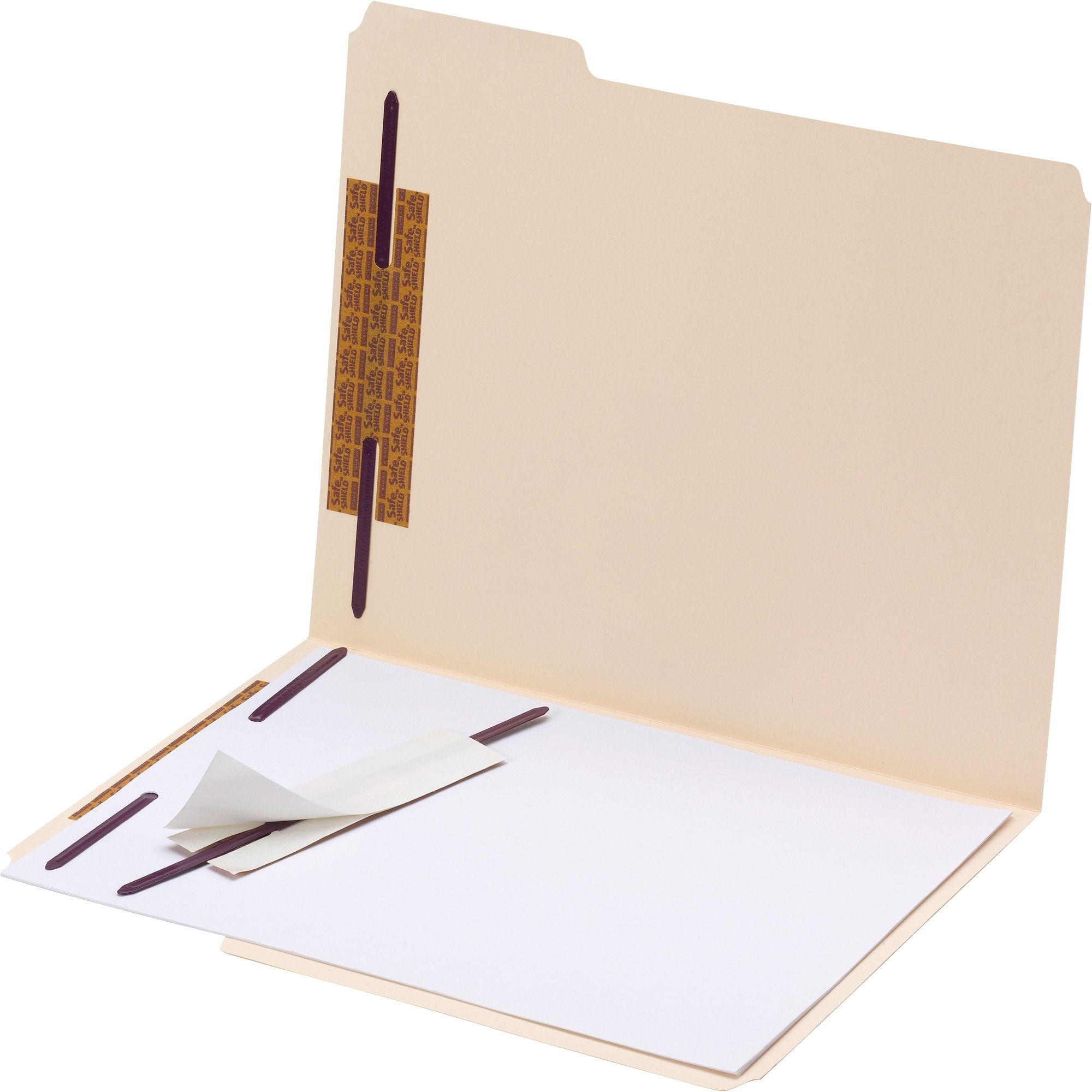
Gently peel off the protective backing from the adhesive side. Avoid touching the sticky part with your fingers. This keeps the adhesive clean and strong. Peel slowly to prevent damage to the fastener.
Pressing For Maximum Adhesion
Place the fastener carefully on the surface. Press firmly with your fingers or a flat tool. Apply steady pressure for at least 30 seconds. This helps the adhesive stick tightly and last longer.

Credit: www.walmart.com
Securing The Bond
Securing the bond is key to using self adhesive fasteners correctly. A strong bond keeps materials attached firmly. It prevents slipping or falling apart. This section explains how to apply pressure, control temperature, and allow proper curing time. These steps help ensure the fastener works well and lasts long.
Pressure Application Methods
Apply firm, even pressure to stick the fastener well. Use your hand or a roller tool. Press for at least 30 seconds. This helps the adhesive touch the surface fully. Avoid quick taps or light pressure. Consistent force creates a stronger, lasting bond.
Temperature Considerations
Check the temperature before applying the fastener. Ideal temperatures are usually between 60°F and 80°F (15°C to 27°C). Cold surfaces make the adhesive stiff and less sticky. Hot surfaces can soften the adhesive too much. Work in a moderate climate for best results.
Curing Time Guidelines
Allow time for the adhesive to cure after pressing. Most self adhesive fasteners need 24 hours to reach full strength. Avoid moving or stressing the bond during this time. Patience improves the bond’s durability and reliability. Read product instructions for exact curing times.
Maintaining And Removing Fasteners
Self adhesive fasteners are easy to use and very handy. Keeping them clean and removing them carefully helps them last longer. Knowing how to maintain and remove these fasteners saves money and avoids damage to surfaces. Follow simple steps to keep your fasteners working well.
Cleaning Residue
Sticky residue can stay on surfaces after removing fasteners. Use warm soapy water to clean small areas. For tougher residue, try rubbing alcohol or vinegar on a cloth. Gently rub the residue until it lifts. Avoid harsh chemicals that can damage surfaces. Clean surfaces fully before applying new fasteners.
Safe Removal Techniques
Remove fasteners slowly to avoid tearing or damage. Peel them back at a low angle, close to the surface. Heat the adhesive slightly with a hairdryer to soften it. This makes removal easier and cleaner. Never pull fasteners quickly or at a sharp angle. Take your time to protect your items.
Reusing Fasteners
Some self adhesive fasteners can be reused if handled well. Clean both sides of the fastener to restore stickiness. Use a mild soap and water solution for cleaning. Let them dry completely before reapplying. Avoid stretching or bending fasteners too much. Proper care helps you get more uses from one fastener.
Troubleshooting Common Issues
Using self-adhesive fasteners can be simple. Yet, some common problems may appear. These issues often relate to how well the adhesive sticks and how the environment affects it. Understanding these problems helps fix them quickly. This guide covers common troubles and easy solutions.
Weak Adhesion Causes
Adhesive may not stick well to some surfaces. Dust, oil, or moisture on the surface reduce grip. Using the fastener on rough or uneven surfaces can also cause weak hold. Low-quality fasteners have less sticky glue. Applying the fastener on cold or wet surfaces lowers adhesion.
Peeling And Lifting Fixes
Peeling starts when the adhesive loses grip. Press the fastener firmly for 30 seconds to improve stickiness. Clean the surface before applying the fastener. Avoid moving or stressing the fastener for 24 hours after application. Trim edges if they lift to stop further peeling.
Environmental Factors
Temperature changes affect adhesive strength. High heat can soften glue, causing fasteners to lose hold. Cold weather makes adhesive stiff and less sticky. Moisture or humidity weakens the bond over time. Store fasteners in a cool, dry place to keep them effective.

Credit: xfasten.com
Frequently Asked Questions
What Surfaces Work Best With Self Adhesive Fasteners?
Self adhesive fasteners bond well to smooth, clean, and dry surfaces. Ideal surfaces include plastic, metal, wood, and glass. Avoid rough or oily surfaces for a strong hold. Proper surface preparation ensures maximum adhesion and durability of the fasteners.
How Do You Apply Self Adhesive Fasteners Correctly?
Peel off the backing carefully without touching the adhesive. Press the fastener firmly onto the clean surface for 30 seconds. Allow 24 hours for the adhesive to cure fully. Proper application ensures a secure and long-lasting bond.
Can Self Adhesive Fasteners Be Reused Or Repositioned?
Most self adhesive fasteners are designed for one-time use. Removing them can reduce adhesive strength significantly. Some hook and loop types can be repositioned gently, but repeated use weakens grip. For best results, apply firmly in the correct position initially.
How Long Do Self Adhesive Fasteners Typically Last?
Self adhesive fasteners usually last between 6 months to 2 years. Longevity depends on surface type, environmental conditions, and usage frequency. Exposure to heat and moisture can reduce adhesive life. Regular inspection helps maintain reliable fastening.
Conclusion
Self adhesive fasteners offer quick and easy solutions for many tasks. They stick firmly without tools or mess. Use them to organize, fix, or craft with less effort. Choose the right size and surface for best results. Keep surfaces clean and dry before applying.
These fasteners save time and make projects simpler. Try them for your next DIY or repair job. Small steps can bring big convenience.