Have you ever wondered how things stay together so securely, from your favorite chair to the gadgets you use daily? The secret lies in the fastening process.
Understanding this simple yet powerful technique can change the way you look at everyday objects and even help you in your DIY projects. You’ll discover what the fastening process is, why it matters, and how it plays a crucial role in making things strong and reliable.
Keep reading, and you’ll soon see how this knowledge can make a real difference for you.
Fastening Basics
Fastening is a key process in joining two or more parts together. It helps hold items firmly and ensures they stay connected. This process is important in many fields, from home repairs to large factories. Understanding the basics of fastening can help you choose the right method for your needs.
Types Of Fastening
There are several common types of fastening. Mechanical fasteners like screws, bolts, and nails hold parts by piercing or gripping them. Adhesive fastening uses glue or resin to bond surfaces. Welding and soldering join metals by melting and fusing them together. Each type has its own strengths and uses.
Materials Used
Fastening materials vary depending on the job. Metals such as steel, aluminum, and brass are strong and durable. Plastics offer flexibility and resistance to corrosion. Adhesives come in many forms, including epoxy and acrylic. Choosing the right material affects the strength and longevity of the fastened parts.
Applications In Industries
Fastening finds use in many industries. In construction, fasteners secure wood, concrete, and steel. The automotive industry uses bolts and rivets to assemble vehicles. Electronics rely on tiny screws and soldering to build devices. Manufacturing uses various fastening methods to create reliable products.
Mechanical Fastening Techniques
Mechanical fastening techniques join parts using physical methods. These methods hold objects together without melting or changing the materials. They are common in many industries, including construction, automotive, and electronics.
Mechanical fasteners make assembly and disassembly easy. They offer strength and reliability. Different methods suit different materials and purposes.
Bolting And Screwing
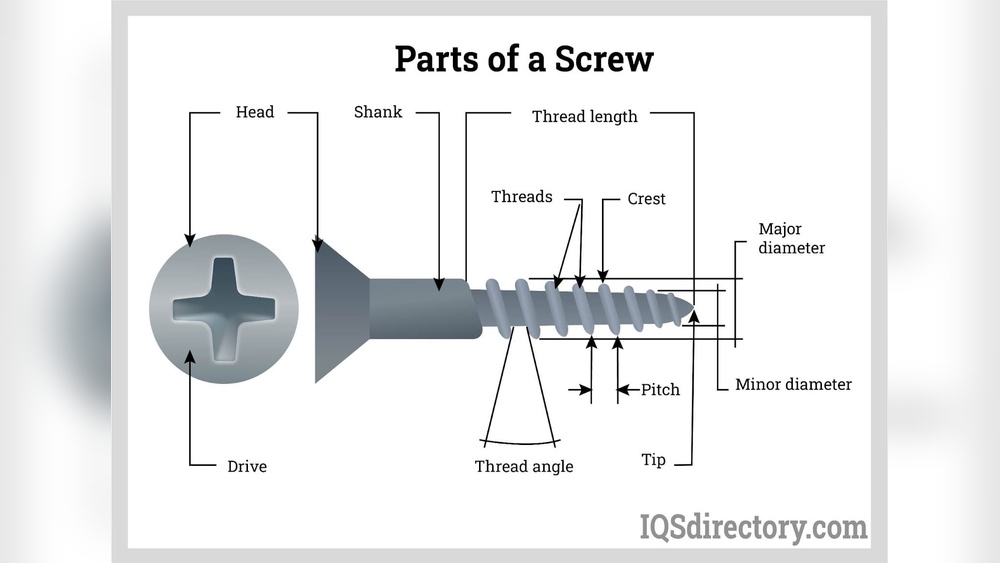
Bolts and screws are popular fasteners. They use threads to hold parts firmly. Bolts need nuts to tighten, while screws cut threads into the material.
This method works well for wood, metal, and plastic. It allows easy removal and replacement of parts. Bolting and screwing provide strong, secure joints.
Riveting
Riveting joins materials by deforming a metal pin, called a rivet. The rivet passes through holes in the parts and is hammered or pressed to hold them tight.
This technique is common in aircraft and metalwork. Rivets create permanent joints that resist vibration and stress. They do not loosen over time.
Clamping And Crimping
Clamping holds parts together using pressure. Clamps can be temporary or permanent. They are useful for delicate or irregular shapes.
Crimping involves deforming one part to grip another. It often uses a special tool to press metal parts together. Crimped connections are quick and strong.
Adhesive Fastening Methods
Adhesive fastening methods use glue-like substances to join materials. These methods create bonds without drilling or welding. They work well on different surfaces and shapes. Adhesives spread the load evenly, reducing stress on materials. This makes structures stronger and more durable.
Choosing the right adhesive and preparing surfaces are key. Proper curing ensures the bond stays strong over time. Understanding these steps helps in selecting the best fastening solution.
Types Of Adhesives
There are many types of adhesives. Epoxy is strong and good for metals and plastics. Acrylics bond quickly and resist weather well. Polyurethanes are flexible and work on many surfaces. Silicone adhesives handle heat and moisture. Each type suits specific materials and conditions.
Surface Preparation
Clean surfaces well before applying adhesives. Remove dirt, oil, and rust. Roughen smooth surfaces for better grip. Use solvents or sandpaper to prepare the area. Good preparation improves adhesive strength and bond reliability.
Curing And Strength
Curing is the process where adhesive hardens. Some adhesives cure by air drying, others need heat. Follow the instructions for curing time and temperature. Proper curing builds strong bonds and prevents failure. Check the strength before using the joined parts.
Welding And Soldering
Fastening processes join two or more materials together. Welding and soldering are common methods. Both use heat but work differently. They create strong bonds for many uses.
Welding Processes
Welding melts the base materials to join them. It often uses a high heat source like an electric arc. The melted parts fuse as they cool down. Common types include arc welding, MIG, and TIG. Welds are strong and often permanent. Welding suits metals and thick materials well.
Soldering Techniques
Soldering uses a lower heat than welding. It melts a filler metal called solder to connect parts. The base materials do not melt in soldering. This method works well for electronics and small parts. Common solder types include lead-free and silver solder. Soldering creates electrical and mechanical bonds.
Advantages And Limitations
Welding offers very strong joints for heavy use. It works well for thick metals and high stress. Welding needs more heat and skilled workers. It may cause distortion or weaken materials.
Soldering uses less heat and is easier to learn. It works well for delicate or small parts. Solder joints are not as strong as welds. It suits low-stress applications and electrical work.
Innovations In Fastening
The fastening process has seen many changes over the years. New ideas and tools make fastening faster and stronger. These changes help industries build better products. They also save time and reduce waste. Innovations in fastening bring smarter and greener solutions to the market.
Smart Fasteners
Smart fasteners use sensors and chips inside bolts and screws. They can tell if a part is loose or tight. This helps workers fix problems early. Smart fasteners also track how much force they have. This makes sure everything is safe and secure. Many industries use smart fasteners for better quality control.
Automation In Fastening
Machines now do much of the fastening work. Robots and automated tools can fasten parts quickly and with high precision. This reduces human error and saves time. Automation is common in car making and electronics. It also helps keep workers safe from repetitive strain injuries.
Eco-friendly Solutions
Eco-friendly fasteners use materials that harm the planet less. Some fasteners are made from recycled metals or biodegradable parts. These reduce waste and pollution. Companies also design fasteners that need less energy to produce. This helps protect the environment and lowers costs at the same time.
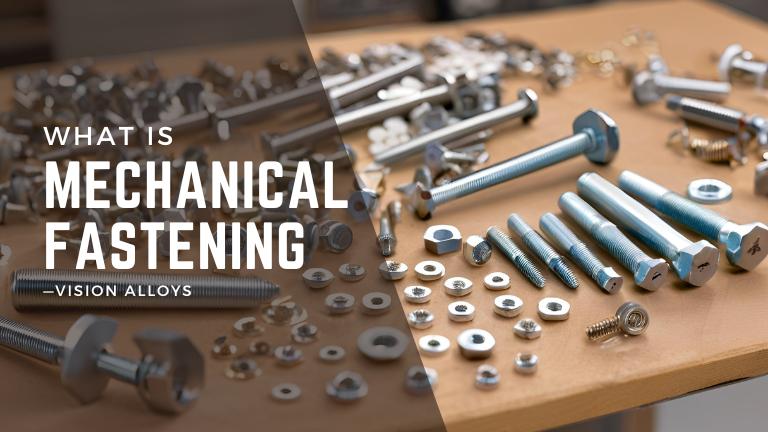
Credit: www.visionalloys.com
Benefits Of Effective Fastening
Effective fastening brings many benefits to any project or product. It ensures parts stay joined firmly and safely. Strong fastening improves the overall quality and life of the item. It also saves money and time during construction or repair. These benefits make fastening an important step in many industries.
Strength And Durability
Good fastening creates strong connections between parts. It keeps structures stable under pressure or movement. This strength helps products last longer and resist damage. Durable fastening reduces the need for repairs or replacements. It ensures safety in buildings, machines, and vehicles.
Cost Efficiency
Effective fastening lowers material waste and repair costs. Strong joins mean fewer breakdowns and less maintenance. It reduces the chance of accidents that cause expensive damage. Choosing the right fastening method saves money over time. This efficiency is key in manufacturing and construction.
Time Savings
Fast and secure fastening speeds up assembly processes. It cuts down the time needed for fixing loose parts. Proper fastening reduces delays caused by failures or rework. Saving time boosts productivity and helps meet deadlines. Quick fastening methods improve workflow in factories and workshops.
Common Challenges
The fastening process holds parts together in many products and structures. It seems simple but faces several common challenges. These challenges can affect the strength and safety of the final product.
Understanding these problems helps improve the fastening process. It also saves time and cost in manufacturing and repairs.
Material Compatibility
Different materials react differently to fasteners. Some metals can corrode when paired together. Plastic parts may crack under too much pressure. Choosing the wrong fastener can cause damage or failure. Knowing which materials work well together is key. Testing materials before full production helps avoid issues.
Environmental Factors
Fasteners often face harsh environments. Moisture can cause rust and weaken joints. Extreme heat or cold may change material properties. Chemicals in the air or water can also cause damage. Designs must consider where the product will be used. Using weather-resistant fasteners extends product life.
Maintenance Issues
Fastened parts need regular checks and care. Screws and bolts may loosen over time. Dirt and corrosion can block fastener movement. Ignoring maintenance can lead to breakdowns or accidents. Easy access to fasteners helps in regular upkeep. Proper maintenance ensures long-lasting and safe products.

Credit: www.researchgate.net
Choosing The Right Fastening Method
Choosing the right fastening method is key to a successful project. The correct choice ensures strong connections and long-lasting results. It also saves time and cuts down on repair costs later. Understanding the basics helps you pick the best option every time.
Assessing Project Needs
Start by looking at the project’s purpose. What type of load will the fastener hold? Consider if the joint needs to be permanent or removable. Think about the working environment, such as exposure to weather or chemicals. These factors guide the choice of fastening method.
Material Considerations
The materials you join matter a lot. Different materials work better with specific fasteners. Wood, metal, and plastic each have unique properties. Using the right fastener prevents damage and ensures a solid hold. Check compatibility before making a decision.
Cost And Performance Balance
Find a balance between cost and performance. Some fasteners cost more but last longer or hold stronger. Others are cheaper but may wear out faster. Choose a fastener that fits your budget and meets the project’s needs for strength and durability.
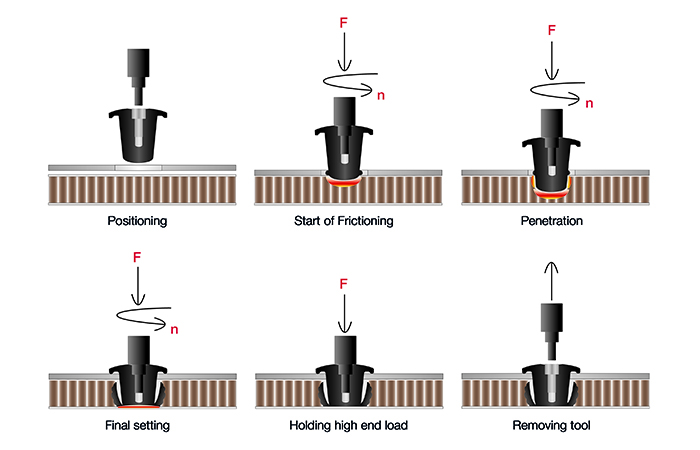
Credit: www.theengineer.co.uk
Frequently Asked Questions
What Is The Fastening Process In Manufacturing?
The fastening process joins two or more parts securely. It uses mechanical methods like screws, bolts, rivets, or adhesives. This ensures structural integrity and durability in products. Fastening is vital for assembly in automotive, construction, and electronics industries.
Why Is Fastening Important In Construction?
Fastening ensures stability and safety in structures. It connects materials like wood, metal, or concrete firmly. Proper fastening prevents movement, wear, and potential failures. It also allows easy disassembly for repairs or modifications, making it essential in construction.
What Are Common Types Of Fastening Methods?
Common fastening methods include mechanical fasteners like screws, bolts, nuts, and rivets. Adhesive bonding and welding are also used. Each method suits different materials and strength requirements. Choosing the right fastening method ensures product reliability and efficiency.
How Does Fastening Affect Product Durability?
Effective fastening improves product strength and lifespan. It prevents loosening, vibrations, and damage under stress. Good fastening methods resist environmental factors like corrosion and temperature changes. This enhances safety and reduces maintenance costs.
Conclusion
Fastening holds things together firmly and safely. It uses screws, nails, bolts, or clips. Each method fits different materials and needs. Choosing the right fastening saves time and effort. It also makes structures stronger and longer-lasting. Understanding fastening helps in many projects.
It makes building easier and more reliable. Simple but important. A small step with big results.