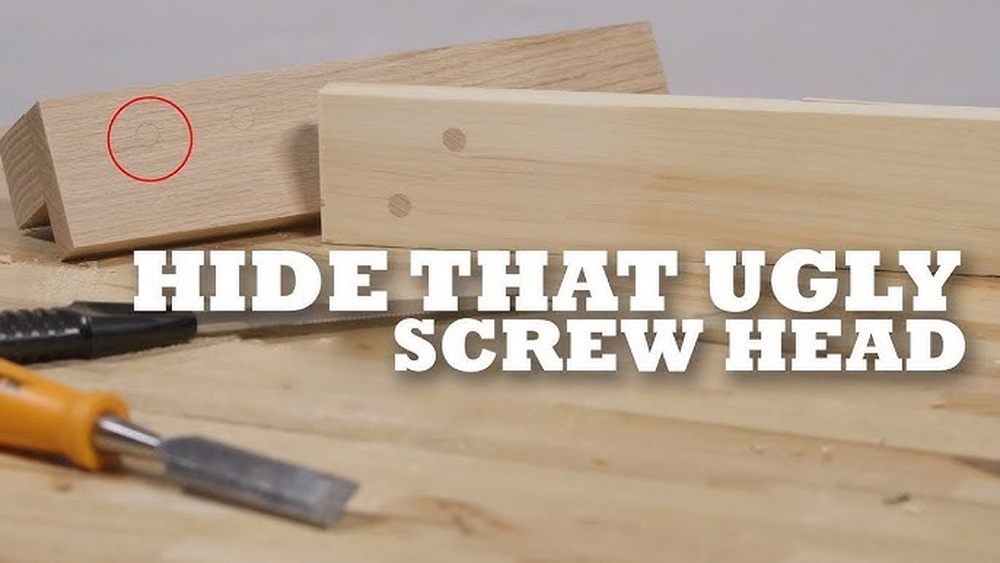
When you finish a woodworking project, the last thing you want is to see nails or screws spoiling the clean look of your work. You want your wood to shine with smooth, flawless surfaces, but those fasteners often stand out like sore thumbs.
What if you could hide them completely, making your piece look truly professional? You’ll discover simple, effective ways to conceal fasteners in finished wood. Whether you’re a beginner or have some experience, these tips will help you achieve a polished finish that impresses every time.
Keep reading, and transform your woodworking projects into seamless works of art.

Credit: mfinelumber.com
Choosing The Right Fasteners
Choosing the right fasteners is key to a clean, finished wood project. The right fastener keeps wood pieces strong and stable. It also helps hide any screws or nails. This makes your project look smooth and professional. Picking the correct type depends on the wood and the project size. Understanding fastener options helps you make the best choice.
Types Of Fasteners For Wood
Wood screws are common and easy to hide. They have sharp threads for gripping wood tightly. Finish nails leave small holes that are easy to fill. Brad nails are thinner and less visible in delicate wood. Pocket hole screws go into angled holes, hiding fasteners inside joints. Each type fits different tasks and wood types.
Selecting Fasteners For Different Projects
For furniture, use screws that won’t split the wood. Fine-thread screws work well for softwoods. Hardwoods need coarse-thread screws for a strong hold. Cabinets need pocket hole screws for hidden joints. Small crafts may use brad nails for a neat look. Match fasteners to your wood and design needs.

Credit: www.amazon.com
Preparing The Wood Surface
Preparing the wood surface is the first step to hide fasteners well. A smooth and clean surface helps fasteners sit flush. It prevents wood from splitting or cracking during installation. Proper preparation also makes your project look neat and professional. Taking time here saves effort later.
Marking Fastener Locations
Start by marking where each fastener will go. Use a pencil and ruler for accuracy. Mark spots clearly but lightly to avoid visible marks. Place marks evenly to balance the wood’s look and strength. Planning fastener locations helps keep your wood stable and secure.
Pre-drilling Holes For Clean Installation
Drill pilot holes at each marked spot before inserting fasteners. Use a drill bit slightly smaller than the fastener’s shaft. Pre-drilling avoids wood splitting and makes fasteners go in straight. It also helps the fastener hold better. Clean holes mean a smooth surface and easier hiding of fasteners later.
Techniques To Conceal Fasteners
Hiding fasteners in finished wood keeps your project neat and clean. Visible screws or nails can spoil the beauty of woodwork. There are simple ways to conceal fasteners without special tools. These techniques help maintain the wood’s natural look and protect the fasteners from damage.
Using the right method depends on the type of fastener and wood you use. Each approach offers a smooth, professional finish. Learn how to hide fasteners with these easy steps.
Countersinking Screws
Countersinking means drilling a small hole to fit the screw head. This allows the screw to sit flush or below the wood surface. Use a countersink bit for a clean, precise hole. After inserting the screw, cover the hole to hide it. This method works well for flat surfaces and hardwoods. It prevents wood from splitting and makes filling easier.
Using Wood Plugs And Dowels
Wood plugs and dowels cover screw holes perfectly. Cut a plug or dowel to match the hole size. Glue it into the hole after fastening the screw. Trim the excess wood flush with sandpaper. Wood plugs blend well with the surrounding surface. Choose plugs made from the same wood type. This creates a seamless and natural look.
Applying Wood Fillers And Putty
Wood fillers and putty fill small holes and gaps. They come in different colors to match your wood. Apply the filler with a putty knife or finger. Press it into the hole and smooth the surface. Let it dry completely before sanding. This method is quick and works for minor repairs. Use filler designed for the wood type and finish.
Credit: bigtimberfasteners.com
Advanced Concealment Methods
Advanced concealment methods help hide fasteners in wood without damaging the surface. These techniques create strong joints and keep your project looking clean. They work well for furniture, cabinets, and detailed woodwork. Using these methods makes your work look professional and smooth.
Pocket Hole Joinery
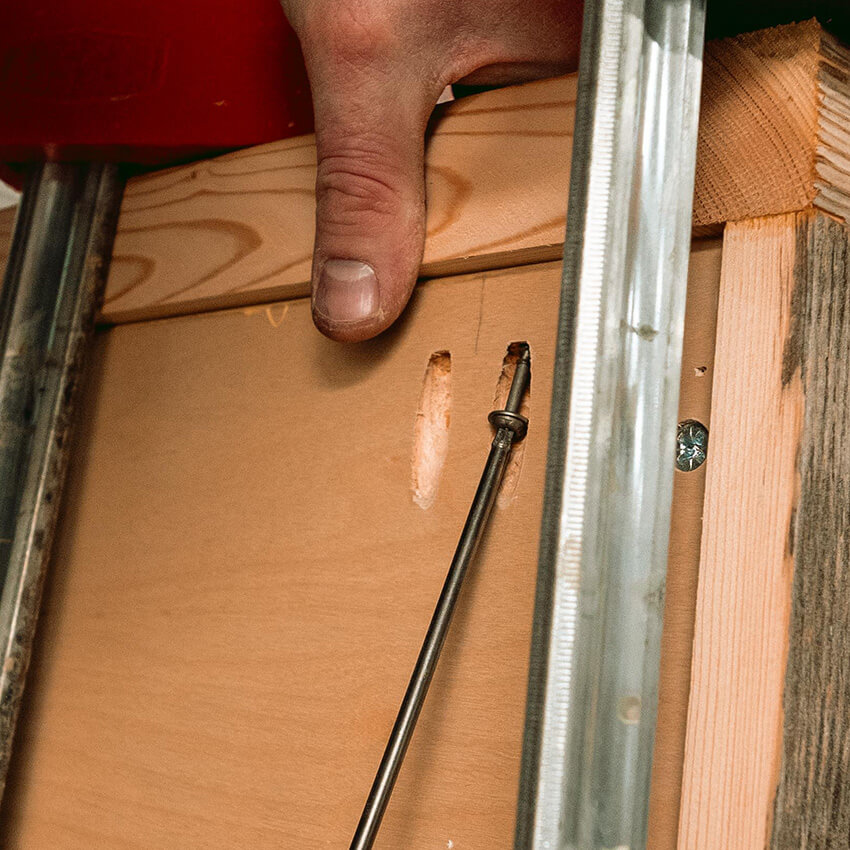
Pocket hole joinery uses angled holes to hide screws inside the wood. You drill a pocket hole on one piece and attach it to another with a screw. The screw stays hidden inside the pocket hole, which is usually covered later. This method is quick and does not need clamps or glue all the time. It works well for frames, shelves, and simple joints.
Biscuits And Domino Joinery
Biscuits and domino joinery use small wooden pieces to join two boards. You cut slots in both boards and insert a biscuit or domino. These pieces swell with glue, creating a strong and hidden joint. No screws or nails show on the surface. Both methods add strength and keep the wood smooth. Ideal for tabletops, cabinets, and panels.
Finishing Touches
After hiding fasteners in your finished wood, the next step is the finishing touches. These steps make the wood look smooth and natural. Proper finishing helps blend the repair spots with the rest of the wood.
Finishing touches improve the wood’s appearance and protect it. They also make the surface ready for use or display. Careful attention at this stage ensures a clean, professional look.
Sanding For Smooth Surfaces
Sanding is essential for smooth surfaces. Use fine-grit sandpaper to gently smooth the area. Sand in the direction of the wood grain. This avoids scratches and keeps the wood looking natural.
Remove any excess filler or glue before sanding. Check the surface often to avoid over-sanding. A smooth surface helps stains and finishes apply evenly.
Matching Stains And Finishes
Choose stains that match your wood color closely. Test the stain on a hidden spot first. This helps prevent color mismatches. Apply stain evenly with a brush or cloth.
Allow the stain to dry fully before adding a clear finish. Use the same finish type on the entire piece. This creates a consistent look. Multiple thin coats work better than one thick coat.
Common Mistakes To Avoid
Hiding fasteners in finished wood can enhance the look of your project. Many people make simple mistakes that spoil the final result. Avoiding these errors helps keep your work clean and strong. Focus on these common mistakes to improve your woodworking skills.
Overfilling Holes
Filling holes with too much wood filler creates a bumpy surface. The excess filler can crack or peel after drying. Apply just enough filler to cover the hole smoothly. Sand lightly once dry to blend with the wood surface.
Mismatched Finishes
Using the wrong finish on filler spots makes them stand out. The color or sheen may not match the rest of the wood. Test finishes on scrap wood before applying. Choose a finish that blends well with your project.
Weak Fastener Placement
Fasteners placed too close to edges can cause wood to split. This weakens the joint and hides less effectively. Drill pilot holes for screws or nails to prevent damage. Place fasteners in strong, stable areas for best hold.
Frequently Asked Questions
How Can I Hide Screws In Finished Wood?
You can hide screws by using wood filler, plugs, or decorative caps. Countersink screws, then fill or cover the holes. Sand and finish for a seamless look.
What Is The Best Wood Filler For Hiding Fasteners?
Use a high-quality wood filler that matches your wood color. It should be sandable and stainable for a natural finish. Epoxy fillers are great for durability and appearance.
Can Wood Plugs Effectively Conceal Fasteners?
Yes, wood plugs are ideal for hiding fasteners. Drill holes slightly larger than screws, insert plugs, then glue and sand flush. They blend well with the wood grain.
Are Pocket Holes A Good Option To Hide Fasteners?
Pocket holes are excellent for hiding screws on the inside or backside of wood pieces. Use pocket hole jigs for precise drilling and strong joints.
Conclusion
Hiding fasteners in finished wood gives your project a clean look. Using simple methods like wood plugs or filler works well. Choose the best technique based on your wood type and tools. Take your time for neat, smooth results. A tidy finish shows your skill and care.
Try these tips on your next woodworking task. Your work will look sharp and professional every time.