Are you struggling with a loose or damaged fuel door on your vehicle? Installing cam lock fasteners can be the perfect solution to keep your fuel door secure and easy to open.
In this guide, you’ll learn simple, step-by-step instructions to install cam lock fasteners quickly, even if you’re not a mechanic. By the end, you’ll have a strong, reliable fuel door that gives you peace of mind every time you refuel.
Ready to fix your fuel door and save time and hassle? Let’s get started!
Credit: www.ebay.com
Tools And Materials Needed
Installing cam lock fasteners on your fuel door requires certain tools and materials. Having the right items on hand makes the job easier and faster. Preparing everything before you start helps avoid interruptions.
Essential Tools
Start with a screwdriver set, including flathead and Phillips types. A drill with the right drill bits is necessary for making holes. Use a measuring tape or ruler to mark spots accurately. A pencil or marker helps with clear markings. Needle-nose pliers assist in handling small parts. Lastly, keep a wrench or socket set ready for tightening bolts.
Choosing The Right Cam Lock Fastener
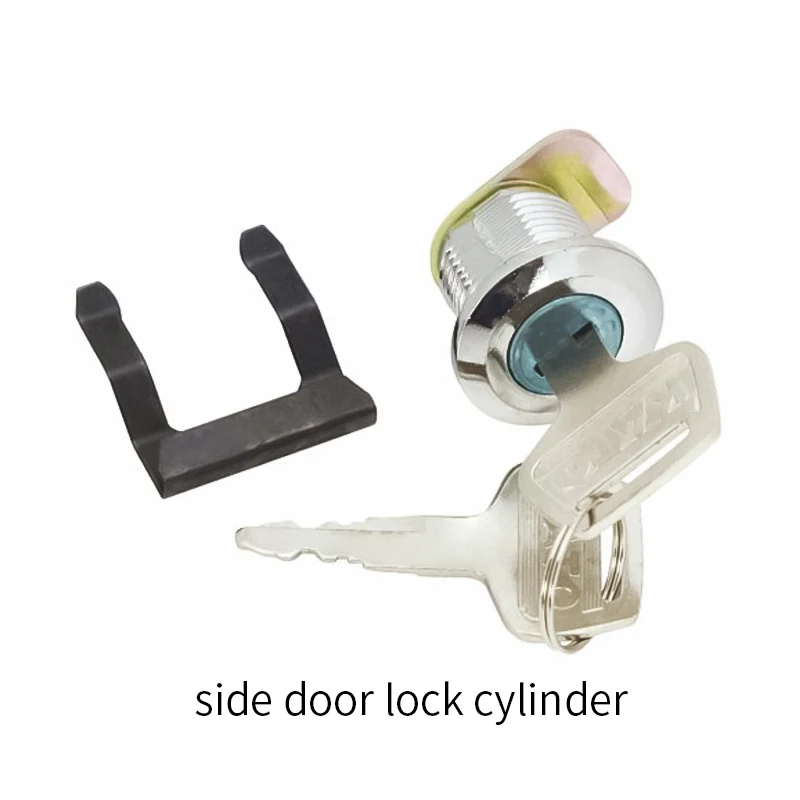
Select cam lock fasteners that fit your fuel door thickness and style. Check the lock’s material for durability, such as stainless steel or zinc alloy. Choose a size that matches your door’s hole diameter. Look for fasteners with easy installation features. Consider locks that offer good security for your fuel door. Picking the right fastener ensures a smooth installation and lasting hold.
Credit: zspecdesign.com
Preparing The Fuel Door
Preparing the fuel door is the first step to install cam lock fasteners correctly. A clean and well-marked surface ensures the fasteners fit tightly. This step saves time and avoids mistakes during installation.
Cleaning The Surface
Start by wiping the fuel door with a clean cloth. Remove all dirt, grease, and dust. Use a mild cleaner if needed. A clean surface helps the fastener stick well. Let the door dry completely before moving on.
Marking The Installation Points
Measure carefully to find the exact spots for the fasteners. Use a pencil or a marker to make small marks. Check the marks twice to avoid errors. Clear marks guide you during drilling and fitting. Accurate marking keeps the fasteners straight and secure.
Removing The Old Fastener
Removing the old fastener from your fuel door is the first step in installing a new cam lock fastener. This process requires care to avoid damaging the fuel door or surrounding parts. Taking the right steps helps ensure a smooth installation of the new fastener.
Detaching The Existing Lock
Start by opening the fuel door fully. Locate the screws or bolts holding the old fastener. Use the correct screwdriver or wrench to remove them. Keep the screws safely for reuse or disposal. Gently pull the fastener away from the door. Avoid forcing it, as this can cause damage.
Inspecting For Damage
After removing the fastener, check the fuel door area closely. Look for cracks, rust, or bent metal. Damage can affect how the new fastener fits and works. Clean the area to remove dirt and debris. Fix any issues before installing the new lock to ensure a secure fit.
Installing The New Cam Lock
Installing the new cam lock on your fuel door is a key step for security and proper function. This process needs careful attention to make sure the lock fits well and works smoothly. Follow the simple steps below to install the cam lock correctly.
Aligning The Fastener
Start by placing the cam lock in the fuel door hole. Check that the lock’s shape matches the hole size. Rotate the lock slightly until it fits snugly. The lock must sit flat without gaps. Proper alignment prevents problems when locking or unlocking.
Securing The Lock In Place
Once aligned, secure the cam lock using the provided nut or clip. Tighten the nut by hand first. Use a wrench to make it firm but avoid over-tightening. Over-tightening can damage the lock or door. Check the lock moves freely after tightening. This step ensures the lock stays in place during use.
Testing The Lock Mechanism
Testing the lock mechanism is an important step after installing cam lock fasteners on your fuel door. This process ensures the lock works correctly and keeps your fuel door secure. Proper testing prevents future problems and saves time.
Checking For Proper Operation
Start by turning the key or handle to lock and unlock the fuel door. The lock should move smoothly without sticking. Make sure the fuel door opens easily when unlocked and stays closed when locked. Listen for any unusual sounds like grinding or clicking. These noises can indicate a problem.
Try locking and unlocking several times. The mechanism should work the same every time. Check if the key or handle feels loose or tight. Any changes in tension could mean the lock needs adjustment.
Adjusting For Smooth Function
If the lock does not operate smoothly, adjust the cam fastener. Loosen the screws slightly to reposition the cam or the lock body. Move the parts until the lock turns easily and the door closes tightly. Tighten the screws again once the lock works well.
Test the lock again after each adjustment. Small changes can make a big difference. Keep adjusting until the lock opens and closes smoothly without force. Proper adjustment ensures the fuel door stays secure and easy to use.

Credit: www.youtube.com
Maintenance Tips
Maintenance is key to keep your cam lock fasteners working well. Regular care extends their life and ensures smooth operation. Simple steps prevent rust and damage over time. Follow these tips to maintain your fuel door cam locks effectively.
Regular Cleaning
Clean the cam lock fasteners often to remove dirt and grime. Use a soft cloth with mild soap and water. Avoid harsh chemicals that can damage the metal. Dry the fasteners completely to stop rust from forming. Check for debris inside the lock and clear it gently. Clean locks work better and last longer.
Lubrication Advice
Lubricate the cam lock fasteners to keep them moving smoothly. Use a light machine oil or silicone spray. Apply a small amount inside the lock and on moving parts. Wipe off any extra oil to avoid attracting dust. Lubrication helps prevent sticking and reduces wear. Do this every few months or after cleaning.
Frequently Asked Questions
What Tools Do I Need To Install Cam Lock Fasteners?
You need a drill, screwdriver, measuring tape, and cam lock fasteners. These tools ensure precise installation and secure fastening.
How Do I Measure For Cam Lock Fastener Placement?
Measure the fuel door thickness and alignment points. Mark holes accurately to ensure proper fit and function.
Can I Install Cam Lock Fasteners On Any Fuel Door?
Most metal and plastic fuel doors support cam lock fasteners. Check material compatibility to avoid damage or poor fit.
How Do I Secure The Cam Lock Fastener Properly?
Tighten screws firmly but avoid over-tightening. Proper torque prevents loosening and ensures a durable, secure hold.
Conclusion
Installing cam lock fasteners on your fuel door is simple and quick. Follow each step carefully to avoid mistakes. Use the right tools and parts for a secure fit. Test the lock to ensure it works smoothly. A well-installed cam lock adds security and convenience.
Keep your fuel door safe from unwanted access. Practice makes perfect, so don’t rush the process. Now, you can protect your vehicle’s fuel area with confidence.