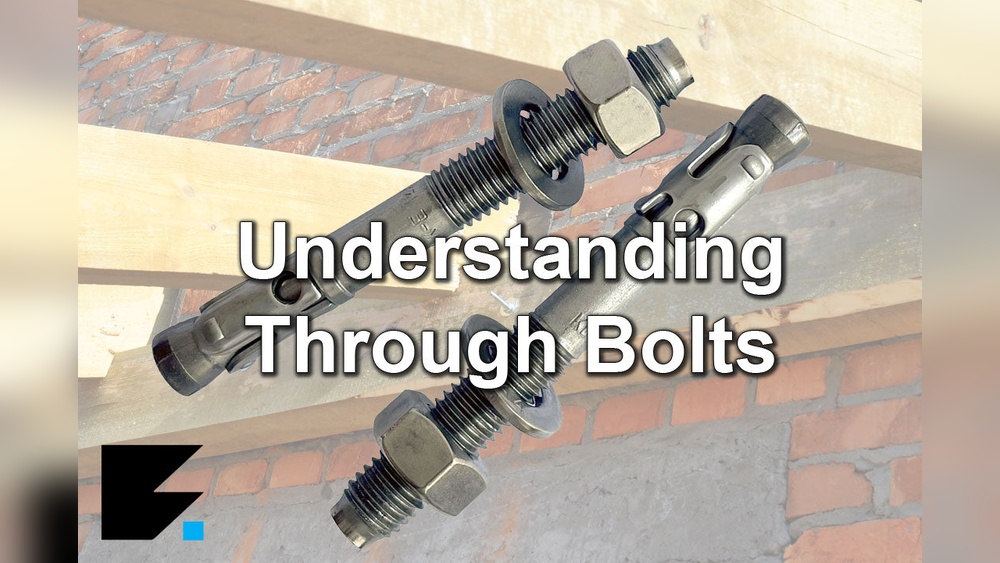
Have you ever wondered how fasteners actually hold screws in place so tightly? Understanding how fasteners work for screws can save you time and frustration in your projects.
Whether you’re fixing something at home or working on a bigger build, knowing this simple secret can make all the difference. You’ll discover how fasteners grip screws, why some hold better than others, and how to choose the right one for your needs.
Keep reading, and you’ll soon master the trick to stronger, longer-lasting connections.

Credit: www.nknutbolt.com
Types Of Fasteners
Screws use different types of fasteners to join materials tightly. Each fastener type suits specific tasks and materials. Knowing these fasteners helps you choose the right screw for your project.
Common Screw Fasteners
Wood screws are designed for wood and have coarse threads. They hold wood pieces firmly without splitting. Machine screws work with nuts or tapped holes. Their fine threads provide a strong grip in metal. Sheet metal screws have sharp threads that cut into thin metal sheets. Drywall screws fasten drywall to wood or metal studs. They have a bugle head that prevents tearing the drywall paper.
Specialized Fastening Options
Self-tapping screws create their own thread in soft materials. They save time and effort during installation. Self-drilling screws have a drill bit tip to make holes first. They are useful for metal and harder materials. Security screws have unique heads that resist tampering. They protect items in public or exposed areas. Lag screws are heavy-duty fasteners for large wood or metal connections. Their thick body provides extra strength.

Credit: www.youtube.com
Screw Components
Screws have several parts that work together to hold things tightly. Understanding these parts helps you choose the right screw for your project. Each component plays a role in how strong and easy to use the screw is.
Let’s look at the main components: thread design, head styles, and drive types. These parts affect how the screw works and fits your needs.
Thread Design
The thread is the spiral ridge wrapped around the screw’s shaft. It cuts into the material to hold the screw in place. Threads come in different shapes and sizes.
Coarse threads have fewer spirals and are good for soft materials like wood. Fine threads have more spirals and work better in hard materials like metal. The thread’s shape also affects how well the screw grips.
Head Styles
The head is the top part of the screw. It can be flat, round, or have other shapes. The head style changes how the screw sits on or in the material.
Flat heads sit flush with the surface. Round heads stick out and are easier to remove. Some heads are designed to be hidden under a finish, while others are visible.
Drive Types
The drive is where you insert a tool to turn the screw. Different drive types need different tools. Common types include slotted, Phillips, and Torx.
Slotted drives use a simple flat tool. Phillips drives have a cross shape and help prevent slipping. Torx drives look like stars and offer better grip for power tools.
Mechanics Of Screw Fastening
Screws hold objects tightly by converting turning force into strong grip. This process depends on the shape and design of the screw threads and how they fit into materials. Understanding the mechanics behind screw fastening helps explain why screws are reliable fasteners.
How Threads Engage
Screw threads are helical ridges wrapped around the shaft. As the screw turns, these ridges cut into or press against the material. This action creates a tight fit between the screw and the surface. The threads help the screw move deeper with each turn while holding firm against pull-out forces.
Creating Clamping Force
Turning the screw pulls the head closer to the material surface. This movement squeezes the parts together. The pressure created is called clamping force. It keeps the joined parts from moving or separating. The stronger the clamping force, the more secure the joint.
Preventing Loosening
Screws resist loosening by friction between the threads and material. The angled threads create a wedge effect that locks the screw in place. Some screws have special thread designs or coatings to increase grip. This helps the screw stay tight, even with vibrations or movement.

Credit: www.associatedfastening.com
Material Considerations
Material choice plays a big role in how screws perform in different tasks. The material affects strength, durability, and resistance to weather. Knowing the types helps select the best screw for each job.
Metal Screws
Metal screws are strong and hold materials tightly. They work well with wood, metal, and plastic. Common metals include steel, brass, and stainless steel. Steel screws are strong but can rust without coating. Stainless steel resists rust and lasts longer outdoors. Brass screws resist corrosion and look nice for decorative uses. Metal screws provide firm grip and great support.
Plastic And Composite Screws
Plastic and composite screws are lightweight and resist rust. They fit well with softer materials like plastic or thin wood. These screws do not conduct electricity, making them good for electronics. They are less strong than metal screws but resist chemicals and moisture. Use them when metal screws may cause damage or rust.
Choosing The Right Screw
Choosing the right screw is important for a strong and lasting connection. Screws come in many sizes, shapes, and materials. Picking the correct one depends on what you need to join and where you will use it. The right screw keeps parts together without damage or loosening over time.
Application Needs
Think about what you are fastening. Wood, metal, or plastic all require different screws. Wood screws have coarse threads to grip wood fibers. Machine screws fit pre-made holes in metal parts. Use screws that match the material for a secure hold and easy installation.
Load Requirements
Consider the weight and stress on the joint. Heavy loads need stronger screws made of steel or alloy. Light loads can use smaller or softer screws. The screw length also matters. Longer screws hold better but may damage thin materials. Choose screws that handle the force without bending or breaking.
Environmental Factors
Think about where the screw will be used. Outdoor or wet areas need corrosion-resistant screws. Stainless steel or coated screws resist rust and last longer. Indoor screws do not need special coatings. Temperature changes can affect some screws, so select materials that withstand the climate.
Installation Tips
Proper installation of screws ensures strong and lasting connections. Following some key tips helps avoid damage and improves the hold. Pay attention to the preparation and technique to get the best results.
Pre-drilling Techniques
Pre-drilling creates a guide hole for the screw. It reduces the risk of splitting the material. Choose a drill bit slightly smaller than the screw’s core. Drill straight and steady to keep the hole clean. This step is crucial for hardwood or thick materials.
Torque Settings
Correct torque prevents over-tightening or under-tightening screws. Use a screwdriver with adjustable torque settings. Start with a low setting and increase if needed. Over-tightening can strip threads or break screws. Under-tightening leads to loose connections and weak joints.
Avoiding Common Mistakes
Do not force screws into tough materials without pre-drilling. Avoid using worn-out or incorrect screwdriver heads. Match screw type to the material for better grip and durability. Keep screws straight during installation to prevent bending or breaking. Take time and work carefully for strong results.
Maintenance And Inspection
Maintenance and inspection keep screws strong and safe. Regular checks help avoid problems like loosening or breaking. Simple steps ensure screws hold parts tightly together. This section explains key tasks for screw care.
Checking For Wear
Look for signs of damage on screw heads and threads. Worn threads may cause poor grip and slipping. Rust or corrosion weakens screw strength. Check screws regularly, especially in high-use areas. Replace screws showing cracks or heavy wear immediately.
Retightening Methods
Use the right tool to retighten loose screws. Turn screws gently to avoid stripping the head. Tighten screws just enough to hold parts firmly. Avoid overtightening, which can damage materials or screws. Regularly retighten screws in machines or furniture under stress.
Replacement Guidelines
Replace screws that no longer hold tightly. Choose screws with the correct size and type for the job. Use screws made from durable materials for long life. Replace rusted or bent screws promptly. Keep spare screws on hand for quick fixes.
Frequently Asked Questions
What Role Do Fasteners Play In Screw Functionality?
Fasteners secure screws in place, ensuring strong connections. They prevent loosening due to vibration or movement. This stability is essential in construction and manufacturing, making fasteners vital for screw performance.
How Do Fasteners Affect Screw Holding Strength?
Fasteners distribute load evenly, increasing screw holding power. Proper fasteners reduce stress on materials and prevent damage. This balance enhances durability and reliability in various applications.
Can Fasteners Prevent Screw Loosening Over Time?
Yes, fasteners like washers and lock nuts stop screws from loosening. They maintain tension and resist vibrations. This ensures long-lasting and secure fastening in dynamic environments.
What Types Of Fasteners Work Best With Screws?
Washers, nuts, and lock washers complement screws effectively. Each type enhances grip, load distribution, or vibration resistance. Choosing the right fastener depends on the application and material.
Conclusion
Fasteners hold screws tightly in place. They stop screws from loosening over time. Different fasteners fit different screws and jobs. Choosing the right fastener helps your work last longer. Understanding fasteners makes fixing things easier and safer. Simple tools and knowledge go a long way.
Now, you can use screws with more confidence. Keep learning about fasteners for better results next time.