Have you ever wondered what that sticky, scratchy strip on your shoes or bags is actually called? You know the one that holds things together without any buttons or zippers.
It’s a simple idea, but it’s everywhere in your daily life. Understanding what a hook and loop fastener is called can help you find the right product faster and make your life easier. Keep reading, and you’ll discover the name behind this clever fastening solution and why it might be the perfect fix for your next project.
Origin Of Hook And Loop Fasteners
The origin of hook and loop fasteners is a fascinating story of invention and practical use. These fasteners are now common in everyday items. But their creation started with a simple observation in nature. Understanding their origin helps appreciate how something small changed many industries.
Invention Story
The hook and loop fastener was invented by a Swiss engineer named George de Mestral. He noticed burrs stuck to his clothes and his dog’s fur after a walk. Curious, he examined the burrs under a microscope. He saw tiny hooks that caught on loops of fabric. This idea inspired him to create a new type of fastener.
De Mestral worked hard to copy the hooks and loops using nylon. He finally made a two-sided fastener. One side had small hooks, the other had soft loops. They stuck together firmly but could be pulled apart easily. He patented the invention in 1955.
Early Applications
At first, hook and loop fasteners were used in clothing and shoes. They offered a simple way to close items without buttons or zippers. Soon, the fasteners found use in sportswear and children’s products. Their ease of use made them popular for all ages.
Later, the fasteners were adopted by the military and space programs. They helped secure gear in harsh conditions. The fasteners proved useful where quick and strong closures were needed. This early success led to wider use in many fields today.

Credit: en.wikipedia.org
Common Names For Hook And Loop Fasteners
Hook and loop fasteners are widely used in daily life. Many people know them by different names. This section explains common names for these fasteners. It helps you understand the variety of terms used worldwide. These names include brand names and generic terms.
Brand Names Vs Generic Terms
Some brand names have become popular for hook and loop fasteners. The most famous brand is Velcro. People often call all hook and loop fasteners “Velcro,” even if they are not. This happens because Velcro was the first big brand in this market.
Generic terms describe the product without a brand. Words like “hook and loop,” “touch fastener,” or “hook and pile” are common. These names describe how the fastener works. They show the hook side and the loop side that stick together.
Regional Variations
Names for hook and loop fasteners change by region. In the United States, “Velcro” is very common. Some European countries use terms like “hook and loop” or “touch fastener.” In the UK, people might say “Velcro” or “sticky tape.”
Other countries have their own names. In Australia, “Velcro” is used, but some say “hook and loop fastener.” Knowing these variations helps when buying or talking about these fasteners worldwide.
How Hook And Loop Fasteners Work
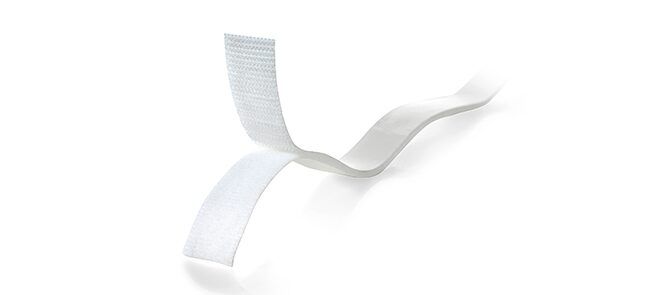
Hook and loop fasteners use two different sides to stick together. These sides are called the hook side and the loop side. Each side has a unique design that allows them to connect firmly. This connection can hold items in place but also be taken apart easily. Understanding how these fasteners work helps explain their wide use in clothes, shoes, and more.
Hook Side Mechanics
The hook side has many tiny hooks. These hooks are stiff and small. They catch onto the loops on the other side. The hooks are made from plastic or nylon. Their shape lets them grab and hold tightly.
Loop Side Mechanics
The loop side has soft, fuzzy loops. These loops are flexible and thin. They bend easily when the hooks press on them. The loops catch the hooks and keep them locked. This side is also made from nylon or polyester.
Attachment Process
To fasten, press the hook side onto the loop side. The hooks catch the loops and lock in place. The more pressure, the stronger the hold. To open, pull the sides apart. The hooks release from the loops easily. This simple process makes hook and loop fasteners handy for many uses.

Credit: www.bradleyssurplus.com
Materials Used In Hook And Loop Fasteners
Hook and loop fasteners rely on two main materials that work together to create a strong bond. These materials form the hooks and loops parts of the fastener. Each part uses different types of fibers and designs to hold tightly. The choice of materials affects how well the fastener performs and how long it lasts.
Types Of Hooks
Hooks are often made from nylon or polyester. Nylon hooks are common because they are flexible and strong. Polyester hooks resist heat and chemicals better than nylon. Some hooks have a thin, sharp shape for a tight grip. Others are thicker for easier fastening and unfastening.
Types Of Loops
Loops usually use soft nylon or polyester threads. Nylon loops are soft and stretch easily. Polyester loops keep their shape even after many uses. Some loops are made from woven fabric, which feels smooth on the skin. Others use knitted loops that provide more stretch and comfort.
Durability Factors
Durability depends on material quality and how the fastener is made. Stronger fibers last longer and resist wear. Tight weaving or knitting improves loop strength. Hooks made with heat-treated fibers resist bending and breaking. Proper care, like avoiding heat and dirt, also helps fasteners last.
Popular Uses Across Industries
Hook and loop fasteners are common in many industries. Their simple design offers quick and strong attachment. These fasteners are easy to use and adjust. They save time and effort in many tasks. Let’s explore popular uses across different fields.
Fashion And Apparel
Clothing designers use hook and loop fasteners for easy wear. Shoes, jackets, and hats often feature these fasteners. Children’s clothes use them for quick dressing. They replace buttons and zippers in some cases. The fasteners make adjustments simple and fast.
Medical Equipment
Hospitals use hook and loop fasteners in many devices. They secure bandages and braces without tight knots. Wheelchair straps often use these fasteners for safety. Medical equipment needs fast, reliable closures. These fasteners help healthcare workers save time.
Sports And Outdoors
Sports gear uses hook and loop fasteners to improve comfort. Gloves, helmets, and pads often have these closures. Outdoor gear like tents and backpacks use them for quick setup. Fasteners hold equipment firmly during activity. They help athletes adjust gear easily.
Advantages And Limitations
Hook and loop fasteners are popular for many uses. They offer easy fastening and unfastening. Knowing their advantages and limitations helps to choose them wisely. These fasteners suit many tasks but have some drawbacks too.
Benefits Over Other Fasteners
Hook and loop fasteners are simple to use. No tools or special skills needed. They fasten quickly and open without effort. Adjustable fit is possible by changing the overlap.
They work well on many materials like fabric, plastic, and metal. Reusable many times without losing strength. Safe for children and seniors due to easy handling. Quiet compared to snaps or zippers in some cases.
Common Drawbacks
Hook and loop fasteners can wear out over time. Dirt and debris reduce their grip. They may collect lint and dust easily. Not the best for heavy loads or strong force.
Appearance can be bulky or less neat. Noise during opening can be loud in quiet places. Some types lose stickiness after many uses. Not always water-resistant or suitable for extreme weather.
Innovations And Future Trends
Hook and loop fasteners have been a simple solution for many fastening needs. New ideas and technologies are changing how these fasteners work. These changes focus on making them better for the environment and smarter for use in many fields. Innovations and future trends are shaping the next generation of hook and loop fasteners.
Eco-friendly Alternatives
Traditional hook and loop fasteners use plastic materials. These plastics can harm the environment. New eco-friendly options use natural fibers or recycled materials. These options break down faster and reduce waste. Companies explore biodegradable hooks and loops to help nature. These alternatives still keep the strength and ease of use.
Smart Fasteners
Smart fasteners add technology to simple closures. Sensors can detect if the fastener is open or closed. Some fasteners connect to apps for tracking or alerts. This innovation helps in healthcare and sports gear. Smart fasteners improve safety and convenience. They make everyday items more useful and interactive.
Credit: www.velcro.co.uk
Frequently Asked Questions
What Is Another Name For Hook And Loop Fastener?
Hook and loop fastener is commonly known as Velcro. It consists of two strips: one with tiny hooks and another with loops. When pressed together, they create a secure, reusable bond. Velcro is widely used in clothing, shoes, and accessories for easy fastening and adjustment.
How Does A Hook And Loop Fastener Work?
The fastener works by interlocking tiny hooks on one strip with loops on the other. This creates a strong, temporary bond that can be easily separated. Its design allows repeated use without losing grip, making it popular for various applications like apparel and gear.
Where Is Hook And Loop Fastener Commonly Used?
Hook and loop fasteners are used in clothing, shoes, bags, and medical devices. They offer quick fastening solutions and are ideal for adjustable closures. Their versatility extends to sports equipment, home textiles, and even aerospace applications.
Why Is Velcro Preferred Over Zippers And Buttons?
Velcro is preferred because it is quick, easy to use, and adjustable. It requires no fine motor skills, making it ideal for children and elderly users. Velcro is also durable, lightweight, and quieter than zippers or buttons.
Conclusion
A hook and loop fastener is often called Velcro. It is easy to use and holds things tightly. Many people use it every day for clothes and bags. This fastener has two parts: hooks and loops. They stick together when pressed and separate easily.
Knowing its name helps when buying or fixing things. This simple tool makes life more convenient. It saves time and effort in many tasks. Now you can recognize and use hook and loop fasteners confidently.