Are you ready to make your garage stronger and safer? Anchoring your garage walls to the concrete slab is one of the most important steps to protect your space from damage and keep everything solid.
But how do you do it right? In this guide, you’ll discover simple, clear steps that anyone can follow. Whether you’re a DIY enthusiast or just want to understand the process better, this article will give you the confidence and know-how to secure your garage walls properly.
Keep reading to learn exactly what tools you need and how to get the job done without frustration. Your garage—and your peace of mind—will thank you.
Credit: www.youtube.com
Choosing The Right Anchors
Choosing the right anchors is key for a strong and safe garage wall. Anchors hold walls firmly to the concrete slab. The right type of anchor prevents movement and damage. Selecting anchors depends on wall weight, slab thickness, and materials. Using wrong anchors can cause walls to shift or crack. This section explains how to pick the best anchors for your garage walls.
Types Of Anchors For Garage Walls
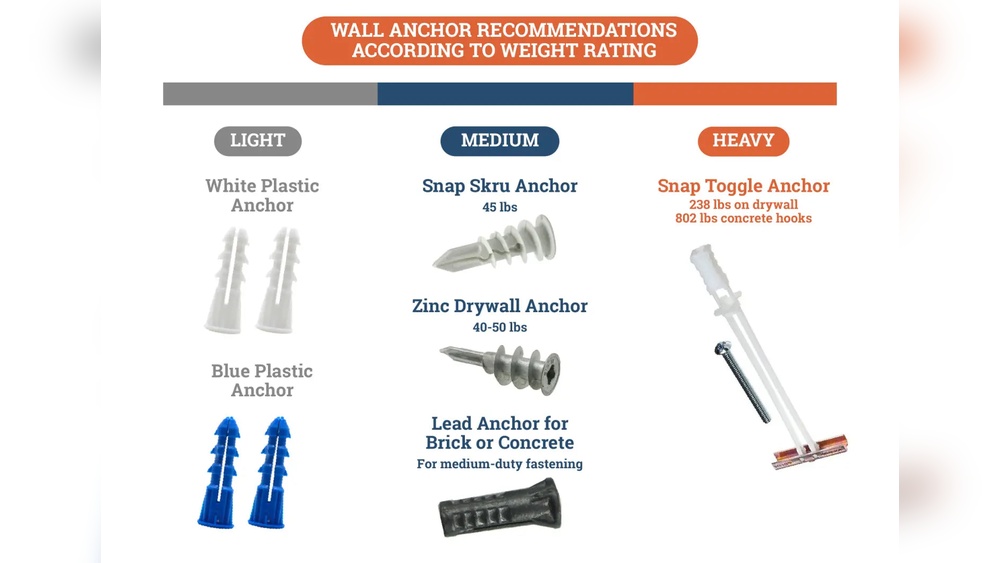
Concrete wedge anchors are common for heavy loads. They expand inside the drilled hole for a tight fit. Sleeve anchors work well on medium-weight walls. They offer good grip and resist pulling out. Tapcon screws are easy to install for light walls. These screws drill directly into concrete. Epoxy anchors use glue for extra strength. They suit walls needing very strong hold. Choose based on wall size and load needs.
Materials And Tools Needed
You need anchors suited to your wall and slab type. A hammer drill with a masonry bit makes holes in concrete. A wrench or socket set tightens anchors securely. Safety glasses protect eyes from dust and debris. A tape measure helps mark drilling spots accurately. Use a vacuum or brush to clean holes before anchoring. Proper tools and materials make the job easier and safer.
Credit: www.hansenpolebuildings.com
Preparing The Concrete Slab
Preparing the concrete slab is an important first step to anchor garage walls securely. A clean and well-marked surface ensures strong attachment. It helps prevent future problems like wall movement or damage.
Start by cleaning the slab thoroughly. Then inspect it for cracks or damage. Next, mark the exact anchor points. These steps create a solid base for your project.
Cleaning And Inspecting The Surface
Remove dirt, dust, and debris from the slab. Use a broom or vacuum to clear the area completely. Clean surfaces allow anchors to hold better.
Check the slab for cracks or chips. Small cracks can weaken the hold of anchors. Repair any damage before proceeding. This step keeps the garage walls stable.
Marking Anchor Locations
Measure the wall layout carefully. Use a pencil or chalk to mark anchor spots on the slab. Accurate marks ensure proper wall alignment.
Space the anchor points evenly along the wall base. Follow building codes or manufacturer guidelines for spacing. Clear markings make drilling easier and safer.
Drilling Anchor Holes
Drilling anchor holes in a concrete slab requires care and the right tools. This step is crucial to secure garage walls firmly. Proper drilling ensures strong anchors and long-lasting stability. Take your time and follow these guidelines for best results.
Selecting The Drill Bit
Choose a drill bit made for concrete. Masonry bits work best as they cut through hard surfaces easily. Match the bit size to the anchor diameter. Too small a bit makes insertion hard. Too large reduces grip strength. Use a carbide-tipped bit for durability and sharpness. Check the drill bit for damage before starting.
Drilling Techniques For Concrete
Start drilling slowly to create a small guide hole. Increase speed after the bit grips the surface. Apply steady pressure without forcing the drill. Let the bit do the work. Pause occasionally to remove dust from the hole. Use a vacuum or blow air to clear debris. Drill to the right depth, matching anchor length. Avoid overheating the bit by drilling in short bursts.
Installing The Anchors
Installing anchors is a key step to secure garage walls to a concrete slab. This process gives strength and stability to the structure. Proper anchor installation prevents movement and damage over time. The right anchors must fit the wall and slab materials. Follow careful steps to place and fasten anchors correctly. This ensures a lasting bond between the garage walls and the concrete base.
Placing Expansion Anchors
Start by drilling holes into the concrete slab. Use a hammer drill with a bit that matches the anchor size. Clean the holes thoroughly to remove dust and debris. Insert the expansion anchor into the hole. Tap it gently with a hammer until it sits flush with the slab. Tighten the bolt slowly. The anchor will expand inside the hole, gripping the concrete firmly. Check that the anchor holds tight before attaching the wall frame.
Using Wedge And Sleeve Anchors
Drill a hole in the concrete slab matching the anchor’s diameter. Clean out dust using a wire brush or compressed air. Insert the wedge or sleeve anchor into the hole. For wedge anchors, tap the anchor until the washer and nut touch the slab surface. Tighten the nut to pull the wedge tight inside the hole. Sleeve anchors expand the metal sleeve against the hole walls during tightening. Ensure the anchor is snug and secure before mounting the garage wall. These anchors provide strong, reliable fastening for heavy loads.
Securing Garage Walls
Securing garage walls to the concrete slab is a key step in building a strong garage. Proper anchoring keeps walls stable and safe. It helps the garage withstand wind and weight. The process needs careful work and the right tools.
Below are simple steps to secure your garage walls firmly to the slab. Follow them closely to ensure a solid build.
Aligning Wall Plates
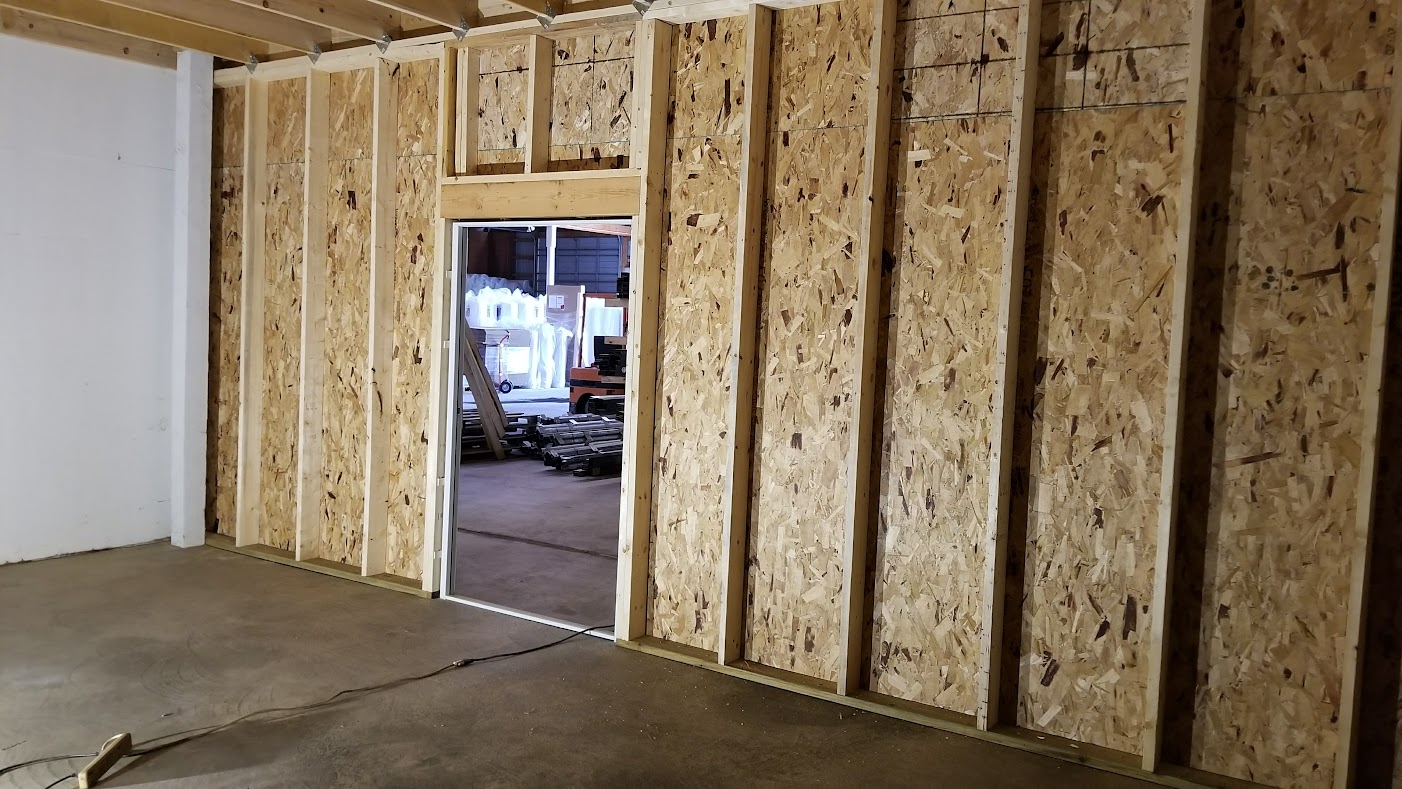
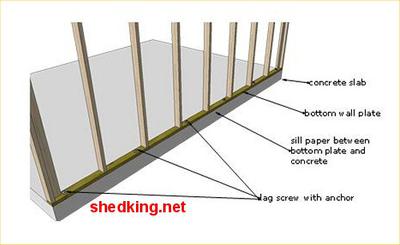
Start by placing the wall plates on the concrete slab. These plates act as the base for your walls. Make sure they align with the marks on the slab. Check that plates sit flat and straight. Use a level to confirm their position. This step prevents walls from leaning or shifting later.
Fastening Walls To Anchors
Next, secure the walls to the slab using anchors. Drill holes through the wall plates into the concrete. Insert the anchors tightly into the holes. Attach the wall plates firmly to the anchors using bolts or screws. Tighten all fasteners to keep the walls steady. This strong connection stops walls from moving or lifting.
Safety Tips And Best Practices
Anchoring garage walls to a concrete slab requires care and attention. Safety is a top priority to avoid injuries and ensure a solid build. Following safety tips and best practices protects both you and your work area. This section covers essential advice to keep your project safe and efficient.
Protective Gear Recommendations
Wear safety goggles to protect your eyes from dust and debris. Use work gloves to avoid cuts and scrapes on your hands. A dust mask helps prevent breathing in harmful particles. Wear sturdy shoes to protect your feet from heavy tools and materials. Long sleeves and pants can protect your skin from sharp edges and concrete dust.
Avoiding Common Mistakes
Check the slab surface for cracks or uneven spots before starting. Measure twice to make sure holes are drilled in the right places. Use the correct anchors and tools for your slab type. Do not rush drilling; apply steady pressure to prevent accidents. Keep the work area clean to avoid tripping hazards. Follow manufacturer instructions for all tools and materials carefully.
Maintaining Anchored Walls
Maintaining anchored garage walls keeps the structure safe and strong. Over time, anchors may weaken due to weather or stress. Regular care helps prevent costly repairs and keeps walls stable.
Regular Inspections
Check the anchors every few months. Look for rust, cracks, or movement around the anchor points. Use a flashlight to see hard-to-reach spots. Early detection of problems makes repairs easier and cheaper.
Addressing Loose Or Damaged Anchors
Loose anchors can cause walls to shift or lean. Tighten bolts or screws as needed. Replace anchors that show signs of damage or corrosion. Use the right tools and materials for a secure fix. A solid anchor protects the entire garage structure.
Credit: www.shedking.net
Frequently Asked Questions
How Do You Anchor Garage Walls To Concrete Slab?
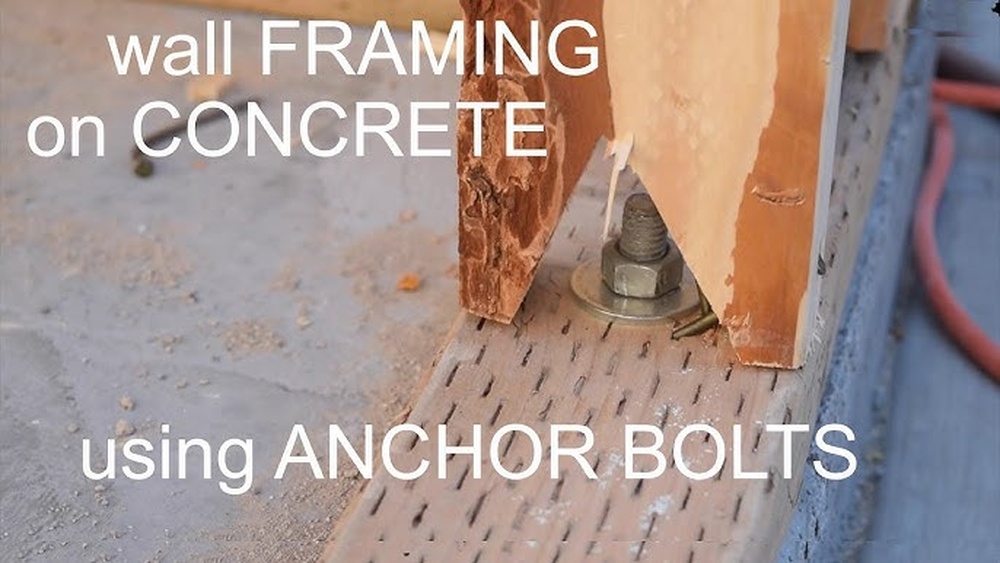
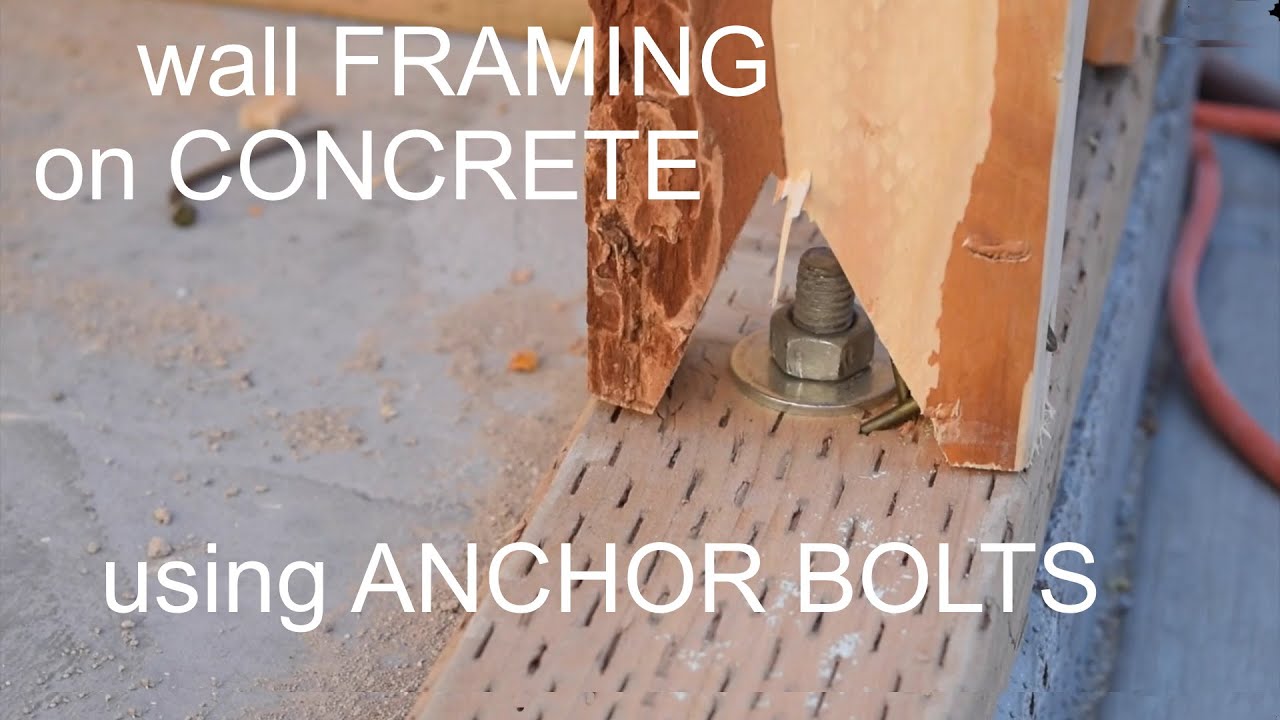
To anchor garage walls, use anchor bolts or concrete screws. Drill holes through the wall bottom plate into the slab. Insert anchors and tighten securely. This prevents movement and ensures stability.
What Materials Are Needed To Secure Garage Walls To Concrete?
You need anchor bolts, a hammer drill, concrete drill bits, washers, nuts, and a wrench. Use treated wood for the bottom plate to resist moisture.
Can I Anchor Walls Without Drilling Concrete?
No, drilling is necessary to install anchor bolts or concrete screws. Surface fasteners alone won’t provide strong, lasting support for garage walls.
How Far Apart Should Anchors Be Placed?
Anchor bolts should be spaced every 6 feet along the bottom plate. Additional anchors near corners provide extra strength and prevent shifting.
Conclusion
Anchoring garage walls to a concrete slab keeps your structure strong and safe. Use the right tools and follow steps carefully for best results. Secure connections prevent movement and damage over time. Take your time to measure and drill accurately.
A well-anchored wall lasts longer and protects your garage. Small efforts now save big repairs later. Stay patient, work steadily, and check your progress often. This simple task improves your garage’s stability and safety.