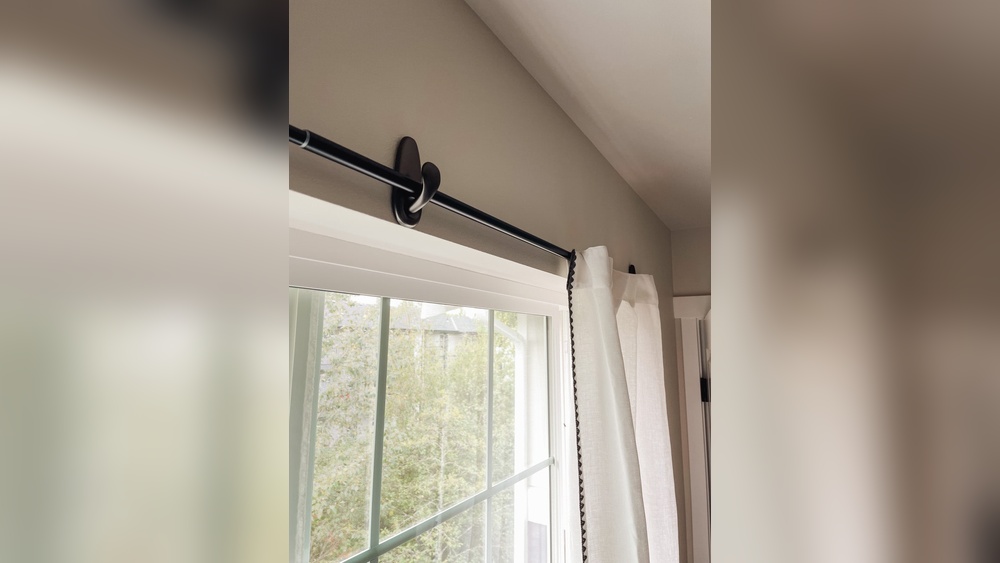
Are you struggling to keep your Command hooks stuck to your dorm walls? You’re not alone.
Dorm walls can be tricky surfaces, and if your hooks keep falling off, it’s frustrating and wastes your money. But what if you could make those hooks stay put, giving you extra space to hang your favorite things without damage or hassle?
In this post, you’ll discover simple, proven tricks to get your Command hooks to stick better than ever. Keep reading, and you’ll learn how to transform your dorm space with ease and confidence.
Choosing The Right Command Hooks
Choosing the right Command hooks is key to keeping your dorm walls safe and neat. Not all hooks work well on dorm walls. Some might fall off or damage the paint. Picking the correct type and size helps the hooks stay strong and hold your items safely. This guide will explain how to pick the best hooks for your dorm.
Types Of Command Hooks
Command hooks come in many shapes and sizes. There are small hooks for keys and light items. Medium hooks hold things like hats or small bags. Large hooks are for heavy items like backpacks or jackets. Some hooks have adhesive strips, while others use nails or suction cups. Choose the type that suits your wall and the items you want to hang.
Weight Limits To Consider
Each Command hook has a weight limit. This limit tells you how much weight the hook can hold safely. Light hooks usually hold up to one pound. Medium hooks can hold up to three pounds. Heavy-duty hooks may hold up to five pounds or more. Always check the package for weight limits. Do not hang items heavier than the limit. This keeps your walls damage-free and your items secure.
Selecting Hooks For Dorm Walls
Dorm walls are often painted or made of plaster. Some hooks stick better on smooth surfaces. Avoid hooks that need nails or screws, as they can leave holes. Use hooks with strong adhesive strips made for painted walls. Test the hook on a small area first. Make sure the wall is clean and dry before applying the hook. This helps the hook stick better and last longer.

Credit: simply2moms.com
Preparing The Wall Surface
Getting Command Hooks to stick well starts with preparing the wall surface. Dorm walls can be tricky because of paint types and textures. A clean, dry, and smooth wall helps the adhesive stick better. Taking a few simple steps before applying hooks improves hold and avoids damage. Follow these tips for the best results.
Cleaning Techniques
Clean the wall surface using rubbing alcohol and a soft cloth. Avoid soap or water as they leave residues. Wipe gently to remove dust, dirt, and oils. Let the wall dry completely before applying the hook. This step ensures the adhesive bonds directly with the wall.
Avoiding Common Surface Issues
Check the wall for bumps, cracks, or peeling paint. Smooth surfaces work best for Command Hooks. Avoid rough or uneven spots that can cause poor adhesion. Do not stick hooks on wallpaper or textured surfaces. These can cause the hook to fall or damage the wall.
Ideal Temperature And Humidity
Apply Command Hooks at room temperature between 65°F and 75°F. Cold or hot walls affect the adhesive strength. Keep humidity low to moderate as moisture weakens the bond. Avoid sticking hooks in bathrooms or near windows with direct sunlight. Choose a dry, stable environment for best results.
Applying Command Hooks Correctly
Applying Command Hooks correctly is key to making them stick well on dorm walls. Proper application ensures the hook stays secure and holds your items safely. A few simple steps can improve the hook’s grip and prevent it from falling off.
Follow these steps carefully to get the best results. Each part of the process matters, from preparing the adhesive strip to waiting before hanging your items.
Peeling The Adhesive Strip
Start by peeling the adhesive strip gently. Avoid touching the sticky side with your fingers. Hold the strip by the edges only. This keeps the adhesive clean and strong. Make sure to remove the backing fully for a smooth stick on the wall.
Pressing And Holding Tips
Press the hook firmly against the wall. Hold it in place for about 30 seconds. Use even pressure across the entire hook base. This helps the adhesive bond tightly with the surface. Avoid pressing just one spot; spread the pressure evenly.
Waiting Time Before Hanging
Wait at least one hour before hanging anything. This gives the adhesive time to set properly. Hanging items too soon can weaken the hold. Patience is important for strong, lasting results. Check the instructions on the package for exact timing.

Credit: simply2moms.com
Troubleshooting Hook Adhesion
Getting Command hooks to stick well on dorm walls can be tricky. Sometimes, hooks peel off or do not hold weight. This section helps you solve common problems with hook adhesion. Follow these tips to keep your hooks secure and your walls damage-free.
Dealing With Peeling Hooks
Peeling hooks usually mean the surface was not clean. Dirt, dust, or oils stop the adhesive from sticking. Clean the wall with rubbing alcohol before applying the hook. Avoid using water or cleaners with lotion. Press the hook firmly for 30 seconds. Wait one hour before hanging anything on it.
Reinforcing Weak Adhesion
Sometimes the hook sticks but feels loose. Press the adhesive strip again to remove air bubbles. Use a hairdryer on low heat to warm the adhesive slightly. This makes it stick better. Do not hang heavy items on small hooks. Use larger hooks or multiple strips for more support.
Alternatives If Hooks Don’t Stick
Some dorm walls have rough or textured paint. Command hooks may not stick well there. Try adhesive putty or removable mounting tape. These can hold lightweight items without damage. Another option is over-the-door hooks. These hang over the door frame and need no adhesives.
Removing Command Hooks Without Damage
Removing Command hooks without harming your dorm walls is simple. Follow these steps carefully to keep the paint and surface intact. This way, you can reuse hooks or leave the wall clean.
Safe Removal Steps
Hold the hook gently and pull the tab straight down. Do not pull the tab outward or at an angle. Stretch the tab slowly along the wall until it releases. This prevents paint from peeling or wall damage.
Handling Sticky Residue
Sometimes, a sticky residue remains after removing the hook. Use a soft cloth with warm, soapy water to wipe the area. Avoid harsh scrubbing, which can damage the paint. For tough residue, try rubbing alcohol lightly on a cloth.
Preparing For Reapplication
Clean the wall surface with rubbing alcohol before reapplying hooks. Let the wall dry completely to ensure better stickiness. Press the new hook firmly for 30 seconds to secure it well. This helps the hook hold strong on dorm walls.
Credit: www.reddit.com
Frequently Asked Questions
How Do I Prepare Dorm Walls For Command Hooks?
Clean the wall surface with rubbing alcohol to remove dust and oils. Avoid using water or cleaning sprays. Let it dry completely before applying the Command hook for better adhesion.
Can Command Hooks Damage Dorm Walls?
Command hooks are designed to be damage-free when removed properly. Avoid pulling the hook directly; instead, stretch the adhesive strip slowly downward to prevent wall damage.
What Weight Can Command Hooks Hold On Dorm Walls?
Most Command hooks can hold between 1 to 5 pounds. Check the packaging for specific weight limits to ensure you don’t overload and risk falling hooks.
How Long Do Command Hooks Stick On Dorm Walls?
Command hooks typically stick well for up to 2 years if applied correctly on clean surfaces. Humidity and wall texture can affect their adhesion duration.
Conclusion
Getting Command hooks to stick well on dorm walls is simple. Clean the wall surface first. Let the wall dry completely. Press the hook firmly for 30 seconds. Wait an hour before hanging items. Avoid heavy objects that may cause hooks to fall.
These steps help keep your walls damage-free. Now, you can decorate your dorm with ease. Enjoy a neat and organized space without worry. Small efforts make a big difference in sticking hooks. Try these tips for the best results every time.