Have you ever tried to unlock your door only to find the key snapped off inside the deadbolt? It’s frustrating, stressful, and can leave you feeling stuck—literally.
But don’t worry, you’re not alone, and there’s a way out of this mess. In this guide, you’ll learn simple, effective steps to remove that broken key from your deadbolt without causing more damage or calling a locksmith right away.
Keep reading, and you’ll regain control of your door—and your peace of mind—faster than you think.

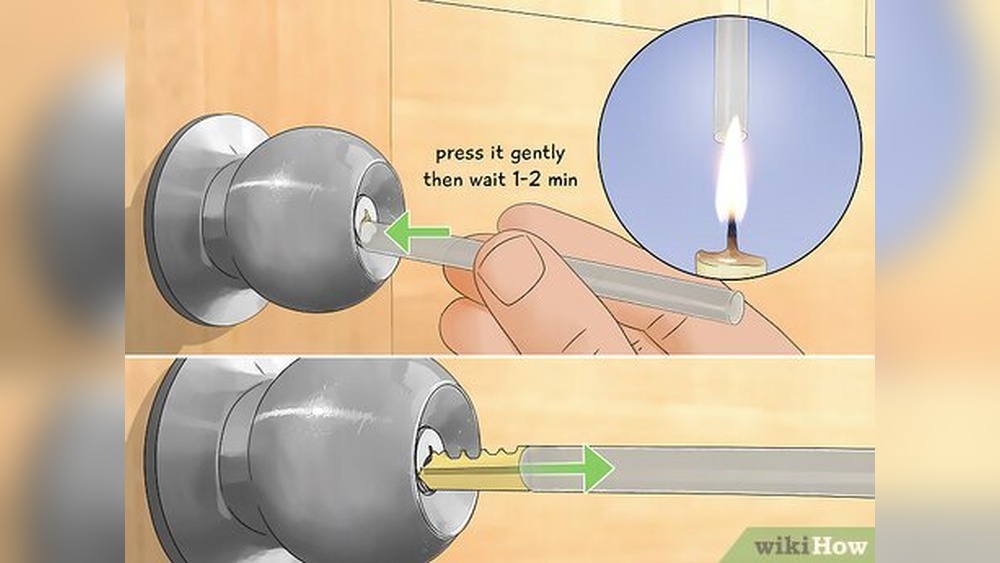
Credit: www.wikihow.com
Tools Needed
Removing a broken key from a deadbolt requires the right tools. Having these tools ready makes the process easier and faster. You do not need many items, but each one plays a key role. Below is a list of tools you will need to remove a broken key safely.
Needle-nose Pliers
Needle-nose pliers help grip the broken key piece. Their thin tips fit into small spaces inside the lock. Use them to pull out the key carefully without pushing it further in.
Tweezers
Tweezers are useful for grabbing tiny key fragments. They provide a good grip on small pieces that are hard to reach. Choose tweezers with a pointed tip for better control.
Flathead Screwdriver
A flathead screwdriver can help pry open the keyhole cover. It also assists in gently pushing the broken key piece out if needed. Use light pressure to avoid damaging the lock.
Lubricant Spray
Lubricant spray makes the lock mechanism smoother. It reduces friction, helping to slide the broken key out easier. Spray a small amount inside the lock before trying to remove the key.
Key Extractor Tool
A key extractor tool is made for this exact job. It has small hooks designed to catch and pull out broken keys. This tool works best if the key is stuck deep inside the lock.
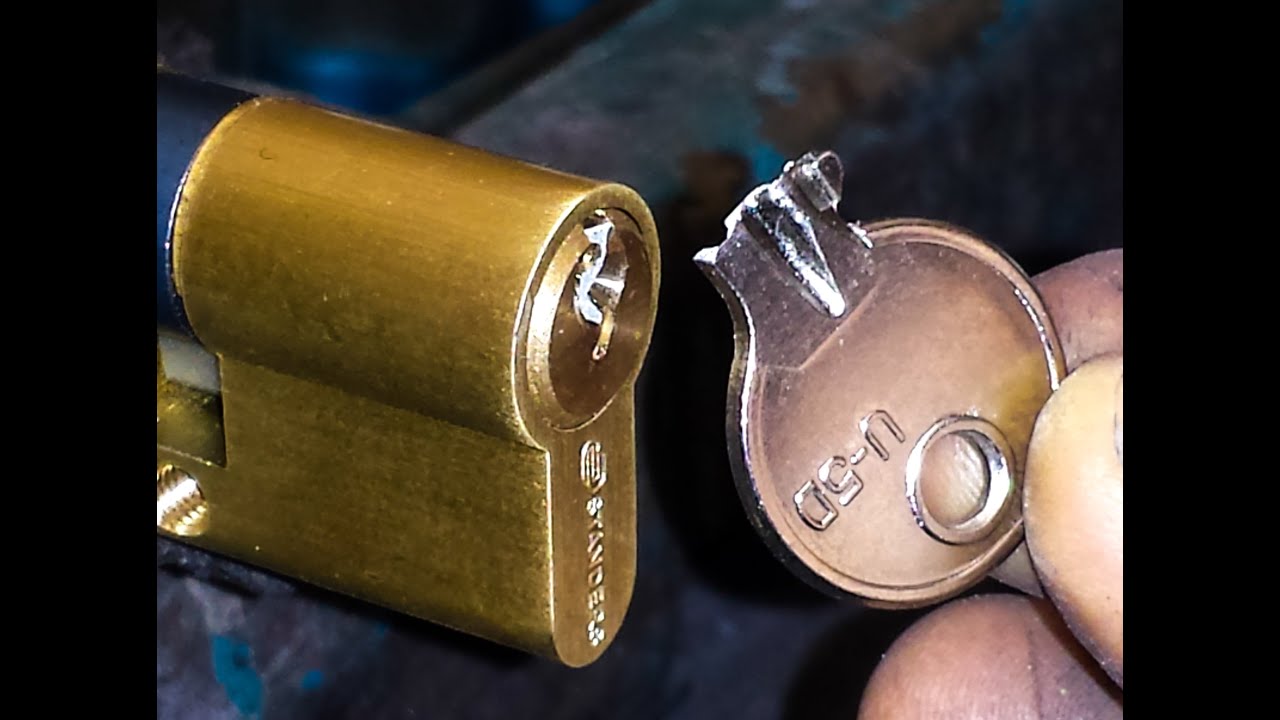
Credit: www.youtube.com
Initial Steps To Take
Dealing with a broken key stuck in a deadbolt can be frustrating. Taking the right first steps can save time and avoid further damage. This part of the process focuses on careful preparation and simple checks before attempting removal.
Start by staying calm. Rushing might push the key deeper or harm the lock. These initial steps ensure a safer and easier extraction.
Assess The Situation Carefully
Look closely at the broken key piece in the lock. Check how much of the key is visible. Notice if the key is stuck straight or at an angle. This helps decide the best removal method.
Gather Basic Tools
Collect small tools like needle-nose pliers, tweezers, and a flashlight. A thin wire or a paperclip might help too. Having these ready speeds up the process.
Clear The Area Around The Lock
Remove any obstacles near the door and lock. Make space for easy access and better movement. This reduces the risk of dropping tools or parts during removal.
Lubricate The Lock Mechanism
Spray a little graphite lubricant or WD-40 into the keyhole. This loosens the broken key and eases removal. Avoid using oil-based lubricants that attract dirt.
Try Gentle Movements
Gently wiggle the key piece using pliers or tweezers. Avoid forcing it out quickly. Slow, careful movements prevent damage to the lock’s internal parts.
Using Tweezers Or Pliers
Using tweezers or pliers is a common way to remove a broken key from a deadbolt. These tools help grab the key piece inside the lock. Tweezers work well for small, visible pieces. Pliers are better for larger pieces or deeper breaks.
Care and patience are important. Rushing can push the key further in. This makes removal harder. Gentle, steady pulling gives the best chance to get the key out.
Using Tweezers To Pull Out The Key
Choose a pair of tweezers with a fine tip. Look inside the keyhole. Try to see the broken key piece. If the key is visible, place the tweezers around it. Grip the key firmly but gently. Pull it out slowly. Avoid twisting or jerking movements. These can break the key more.
Using Pliers For Deep Or Stuck Keys
Select needle-nose pliers for better reach. Open the keyhole slightly if possible. Insert the pliers carefully into the lock. Grab the broken key piece. Pull straight out with steady force. Do not bend the pliers inside the lock. This may damage the deadbolt mechanism.
Applying Lubricant
Applying lubricant is a key step in removing a broken key from a deadbolt. It helps loosen the stuck parts inside the lock. This makes it easier to pull out the broken piece without damaging the lock.
Using the right lubricant ensures smooth movement inside the lock. It also prevents rust and dirt from building up. This can save you time and effort during the removal process.
Choosing The Right Lubricant
Use a lubricant made for locks or small mechanical parts. Avoid thick oils or grease. They can attract dust and make the lock worse.
Graphite powder or silicone spray works best. These lubricants do not leave sticky residue.
How To Apply Lubricant Properly
Spray or apply a small amount of lubricant directly into the keyhole. Let it sit for a few minutes. This gives time for the lubricant to work inside the lock mechanism.
Do not overapply. Too much lubricant can drip inside the lock and cause problems.
Checking The Effectiveness Of Lubricant
After applying lubricant, gently try to wiggle or pull the broken key piece. If it moves, continue carefully pulling it out.
If the key remains stuck, apply a little more lubricant and wait again. Patience helps avoid damage to the lock.
Trying The Key Extractor Tool
Trying the key extractor tool is a common way to remove a broken key from a deadbolt. This tool is made for pulling out small key pieces stuck inside locks. It helps avoid damage to the lock and saves time.
The tool is thin and strong, designed to slide into the lock and grab the broken key piece. Using it carefully makes the process easier and safer. Follow these steps to use the key extractor tool correctly.
Prepare The Lock For Extraction
First, make sure the lock is stable. Hold the door steady to prevent movement. Clean the keyhole gently to remove dirt. This makes the tool work better. Avoid pushing the broken piece further inside.
Insert The Key Extractor Tool Properly
Slide the tool slowly into the lock. Aim to hook the broken key part. Feel for resistance and adjust the tool’s position. Patience is key to avoid bending the tool. A steady hand helps grab the key piece.
Pull Out The Broken Key Piece
Once the tool hooks the key, pull it out gently. Do not use too much force. Move the tool back and forth if needed. Keep the grip firm but careful. Removing the key in one try is best.
Check The Lock After Extraction
After removing the broken key, test the lock with a spare key. Make sure it turns smoothly. If not, clean the lock or try extraction again. A clean lock works better and lasts longer.

Credit: www.youtube.com
Removing The Deadbolt Cylinder
Removing the deadbolt cylinder is a key step in taking out a broken key stuck inside. The cylinder holds the key and controls the locking mechanism. Taking it out lets you access the broken piece more easily.
This process needs care and patience to avoid damage. Follow each step closely for the best result.
Gather The Right Tools
Start by collecting tools like a screwdriver, pliers, and a cylinder removal tool. Having these ready makes the job faster and safer.
Unscrew The Deadbolt Faceplate
Locate screws on the inside part of the door. Use the screwdriver to remove these screws. Keep them safe for later reassembly.
Remove The Thumb Turn Or Knob
Pull off the thumb turn or knob gently. This part is connected to the cylinder and must come off first.
Take Out The Cylinder Retaining Screw
Find the retaining screw on the edge of the door. Unscrew it carefully; this screw holds the cylinder in place.
Slide The Cylinder Out
Push the key slightly to align the cylinder. Pull the cylinder straight out from the door. Use pliers for a better grip if needed.
Inspect The Cylinder And Broken Key
Look inside the cylinder to see the broken key pieces. This view helps plan the next step to remove them fully.
Preventing Future Breakages
Broken keys in deadbolts cause frustration and delay. Preventing future breakages saves time and money. Simple steps can keep your lock safe and working well.
Use High-quality Keys
Cheap keys break easily. Choose keys made from strong materials. Brass or nickel silver keys last longer. Good keys reduce the risk of breaking inside the lock.
Lubricate The Lock Regularly
Dry locks wear out faster. Use graphite or silicone spray to lubricate. Avoid oil-based lubricants; they attract dirt. Lubrication helps keys turn smoothly without force.
Handle Keys Gently
Do not twist keys hard or force them. Turn the key slowly and carefully. Rough use weakens the key and lock parts. Gentle handling keeps the lock in good condition.
Replace Old Or Worn Keys
Check keys for wear and damage. Worn keys can break easily inside locks. Get new keys made if you see cracks or bends. Fresh keys protect your lock from damage.
Maintain The Lock Mechanism
Regularly inspect the lock for dirt or damage. Clean the keyhole to avoid jams. Fix or replace worn lock parts quickly. Good lock care prevents key breakage problems.
When To Call A Locksmith
Knowing when to call a locksmith is important after a key breaks inside a deadbolt. Trying to fix it alone can cause more damage. Sometimes, professional help saves time and money.
A locksmith has the right tools and skills to remove broken keys safely. They can also check if the lock needs repair or replacement. Calling a locksmith avoids frustration and keeps your door secure.
Signs You Need A Locksmith
If the broken key is stuck deep inside the lock, do not force it. If the lock feels jammed or the key piece moves when you try to pull it out, stop immediately. These signs show the lock might break or get worse.
Failed Diy Attempts
Using tweezers or pliers without success means it is time to call a locksmith. Pushing the key deeper or twisting too hard can damage the lock cylinder. Professionals use special tools to remove keys without harm.
Lock Shows Signs Of Damage
Cracks, scratches, or rust around the deadbolt need expert attention. Damage can make the lock unsafe or hard to open later. A locksmith can fix or replace parts to keep your door working properly.
Urgent Access Needed
Locked out of your home or business? Calling a locksmith ensures quick and safe entry. They can open the door without breaking it. This is important in emergencies or bad weather.
Frequently Asked Questions
How Can I Safely Remove A Broken Key From A Deadbolt?
Use needle-nose pliers to gently pull out the visible key part. Apply lubricant like WD-40 to ease removal. Avoid forcing it, as this may damage the lock mechanism further.
What Tools Are Best For Extracting A Broken Key?
Needle-nose pliers, tweezers, and a key extractor tool work best. Lubricants help loosen the key inside. Having a flashlight can improve visibility during the process.
Can I Fix A Deadbolt After Removing The Broken Key?
Yes, after key removal, test the lock with a spare key. If it sticks or jams, consider lubricating or replacing the lock cylinder. Regular maintenance prevents future issues.
When Should I Call A Locksmith For A Broken Deadbolt Key?
Call a locksmith if the key is deeply stuck or removal attempts fail. Professionals have specialized tools to extract keys without damaging the lock, saving time and preventing costly repairs.
Conclusion
Removing a broken key from a deadbolt is doable with patience and care. Small tools like tweezers or magnets can help a lot. Avoid pushing the key deeper inside the lock. Take your time and work gently to prevent damage.
If the key stays stuck, calling a locksmith is wise. Knowing these steps saves stress and keeps your door secure. Remember, staying calm and careful leads to success.