Are your cabinets looking tired or outdated? You don’t need to replace them to give your space a fresh, new feel.
By refurbishing your cabinet hardware, you can instantly upgrade the look and add personality to your room. Imagine transforming your cabinets with just a few simple steps—saving money and adding value at the same time. In this guide, you’ll discover easy, practical tips to breathe new life into your cabinet handles, knobs, and hinges.
Ready to unlock the secret to a stylish, budget-friendly makeover? Keep reading, and let’s get started!

Credit: www.reddit.com
Choosing The Right Hardware
Choosing the right hardware is key to refurbishing your cabinets. It changes the look and feel of your kitchen or bathroom. The right pieces make your cabinets easy to use and stylish. Think about materials, style, and cost before buying. This helps you pick hardware that fits your needs and space.
Materials And Finishes
Hardware comes in many materials like metal, plastic, and wood. Metal is strong and lasts long. You can find brass, stainless steel, and chrome finishes. Each finish gives a different look. Matte finishes hide fingerprints well. Shiny finishes add a bright touch. Choose materials that suit your daily use and cleaning habits.
Matching Your Decor
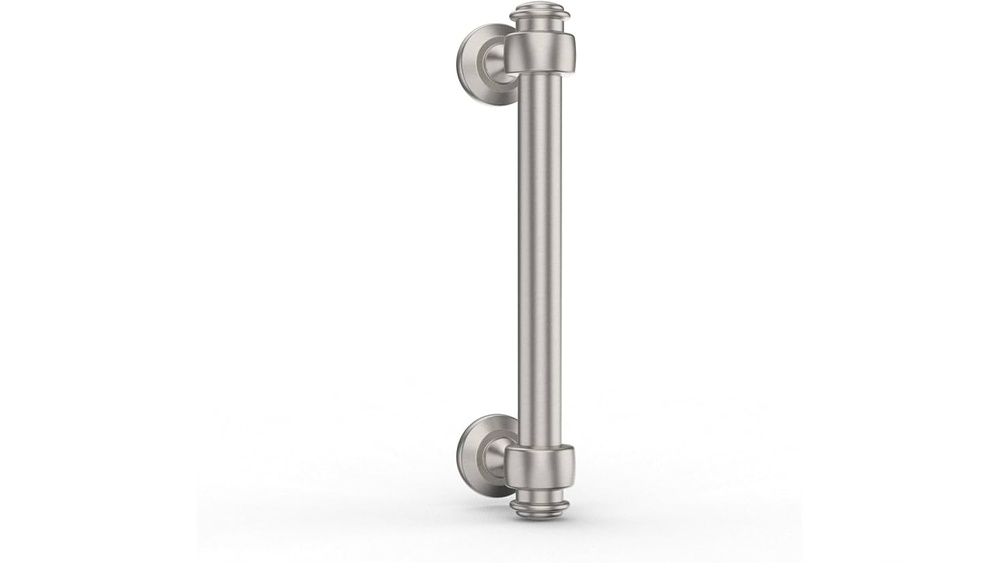
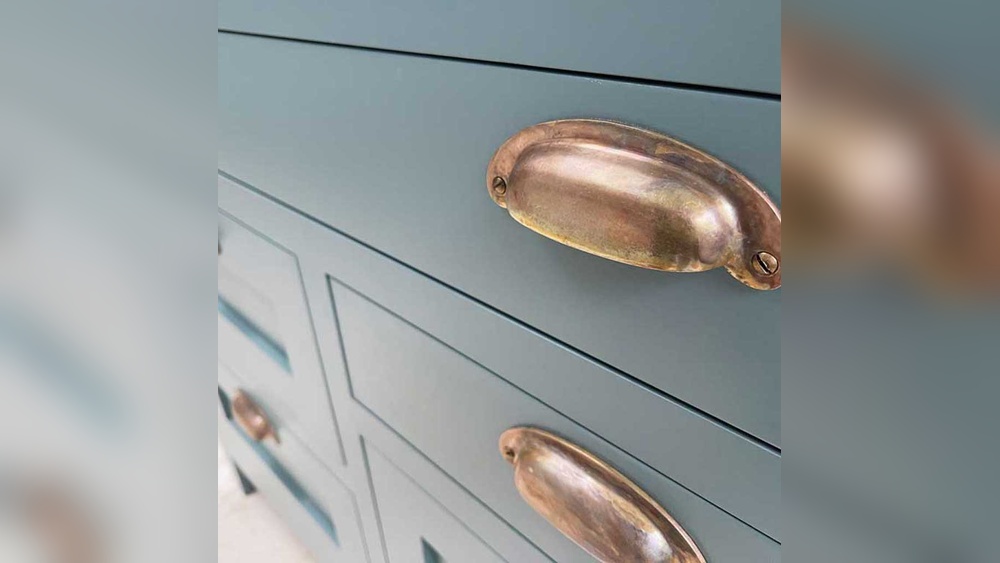
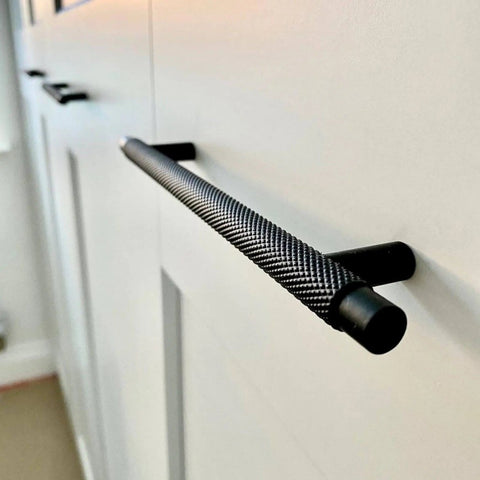
Your hardware should match your room’s style. Classic kitchens look good with bronze or brass knobs. Modern spaces suit sleek chrome or stainless steel pulls. Rustic rooms pair well with wood or black iron. Think about colors and shapes in your space. Pick hardware that blends or stands out nicely.
Budget Considerations
Hardware prices vary widely. Simple plastic knobs cost less. Metal pulls with fancy finishes cost more. Set a budget before you shop. It helps you avoid overspending. You can find good quality hardware at affordable prices. Focus on durability and style within your budget.
Tools And Supplies Needed
Refurbishing cabinet hardware needs some basic tools and supplies. Having the right items makes the job easier and faster. It also helps get the best results. Prepare everything before starting your project. This saves time and avoids interruptions.
Basic Tools Checklist
- Screwdrivers (flathead and Phillips)
- Pliers for gripping and twisting
- Sandpaper or sanding blocks
- Small wire brush for cleaning
- Cloth or rags for wiping
- Bucket or basin for soaking parts
- Paintbrush for applying finishes
Recommended Cleaning Products
- Mild dish soap to remove dirt and grease
- White vinegar for rust removal
- Baking soda as a gentle scrub
- Metal polish for shine and protection
- Warm water to rinse thoroughly
Safety Gear
- Protective gloves to keep hands safe
- Safety glasses to protect eyes
- Mask to avoid inhaling dust or fumes
- Old clothes to prevent stains
Removing Old Hardware
Removing old cabinet hardware is the first step in giving your cabinets a fresh look. Taking off handles and knobs carefully helps avoid damage to the cabinet surface. Clean removal also makes it easier to install new hardware later. Simple tools and a little patience make the job smooth and quick.
Preparing The Workspace
Clear the area around your cabinets before starting. Lay down a cloth or newspaper to catch screws and dust. Gather all tools you need like screwdrivers, pliers, and a flashlight. Good lighting helps you see screws clearly. Working in an organized space makes the process faster and safer.
Steps To Remove Handles And Knobs
Open the cabinet door or drawer fully. Locate the screws holding the hardware in place. Use a screwdriver that fits the screw head well. Turn the screwdriver counterclockwise to loosen screws. Hold the handle or knob steady as you remove each screw. Keep screws in a small container to avoid losing them.
Dealing With Stubborn Screws
Sometimes screws are tight or stuck due to rust or paint. Spray a little lubricant on the screw and wait a few minutes. Use a screwdriver with a good grip to turn the screw slowly. If it still won’t budge, try a rubber band between the screwdriver and screw for more grip. Avoid forcing screws hard to prevent damage to your cabinet.

Credit: www.youtube.com
Cleaning And Preparing Hardware
Cleaning and preparing cabinet hardware is the first step in refurbishing. It helps bring back shine and ensures a smooth finish. Removing dirt and old polish reveals the true condition of the hardware. This process sets the stage for further restoration work.
Soaking And Scrubbing Techniques
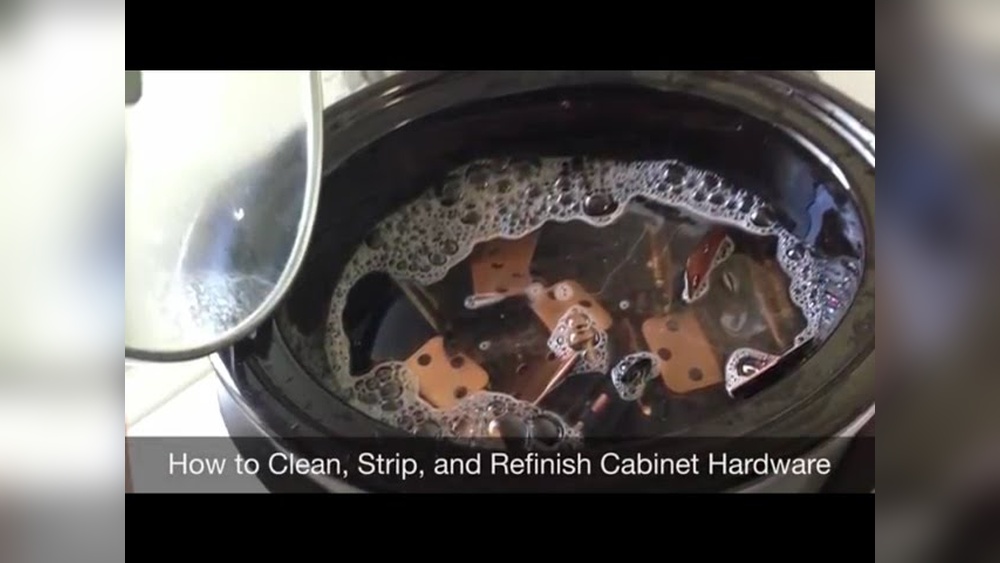
Start by soaking hardware in warm, soapy water. This loosens grime and old grease. Use mild dish soap for best results. Let pieces soak for 15 to 30 minutes. After soaking, scrub gently with a soft brush or toothbrush. Focus on crevices and detailed areas. Avoid harsh scrubbing to prevent scratches. Rinse hardware well and dry with a soft cloth.
Polishing Tips
Choose polish based on the hardware material. Brass polish suits brass handles, while metal polish fits others. Apply polish using a soft cloth in small circles. Let the polish sit for a few minutes. Buff the hardware gently to bring out shine. Repeat polishing if needed. Use a clean cloth to remove any residue. This step brightens the hardware and enhances its look.
Repairing Minor Damage
Check hardware for scratches or dents after cleaning. Small scratches can be smoothed with fine steel wool. Rub lightly to avoid damage. For loose screws or parts, tighten carefully. Use super glue for tiny cracks or breaks. Replace missing screws to keep hardware secure. Repairing minor flaws extends the hardware’s life and improves appearance.
Refinishing Techniques
Refinishing cabinet hardware can change the look of your kitchen or bathroom. It refreshes old knobs, pulls, and handles. Using the right techniques ensures a smooth, lasting finish. This section covers easy ways to refinish hardware with paint and protective coatings.
Painting Hardware
Start by cleaning the hardware well. Remove dirt and grease for better paint grip. Use a fine sandpaper to roughen the surface. This helps paint stick better. Choose a paint made for metal or plastic, based on your hardware type. Apply thin coats to avoid drips. Let each coat dry fully before adding the next.
Spray Painting Tips
Spray paint gives a smooth and even finish. Work in a well-ventilated area or outside. Shake the can well before use. Hold the spray can about 8-12 inches from the hardware. Use steady, side-to-side strokes. Avoid spraying too much paint at once. Multiple light coats work best. Let the hardware dry completely between coats.
Applying Protective Coatings
Protective coatings keep paint from chipping or fading. Use a clear sealant made for metal surfaces. Apply it after the paint is fully dry. Use a brush or spray, depending on your sealant type. A thin layer is enough to protect. Let the coating dry before handling the hardware. This step helps your finish last longer and look fresh.
Installing Refurbished Hardware
Installing refurbished cabinet hardware can refresh your furniture quickly. It gives old cabinets a new look without full replacement. This process takes care and attention. Proper installation ensures the hardware works well and looks great.
Aligning And Measuring
Start by measuring where the hardware will go. Use a ruler or tape measure for accuracy. Mark the spots with a pencil. Check that all marks line up evenly. Uneven placement can make the cabinets look off.
Securing Hardware Properly
Choose the right screws for your hardware and cabinet type. Use a screwdriver to tighten each screw firmly. Avoid over-tightening to prevent damage. Make sure the hardware stays in place without wobbling.
Final Adjustments
After securing, test each handle or knob. Open and close the cabinet doors to check fit and feel. Adjust screws if the hardware feels loose or tight. Clean any pencil marks to finish the job.
Maintaining Refurbished Hardware
Maintaining refurbished cabinet hardware keeps it looking fresh and working well. Small efforts can protect your hardware from damage and wear. Clean regularly and handle with care to extend its life. Watch for signs that it needs refinishing again.
Regular Cleaning Tips
Use a soft cloth to wipe hardware often. Avoid harsh chemicals that can damage the finish. Warm water with mild soap works best for most metals. Dry thoroughly to stop water spots or rust. Clean hardware gently to keep its shine and color.
Preventing Tarnish And Wear
Apply a thin coat of clear wax or oil to protect metal. Handle knobs and pulls with clean hands to avoid oils and dirt. Avoid placing hardware near moisture or direct sunlight. Use liners or pads behind hardware to prevent scratches. These steps keep hardware looking new longer.
When To Refinish Again
Look for chips, scratches, or dull spots on the finish. Hardware that sticks or feels rough needs attention. If tarnish returns despite cleaning, refinishing helps restore its look. Check every year or two to decide if refinishing is due. Act early to avoid costly replacements.
Credit: www.decoranddecor.com
Frequently Asked Questions
What Tools Are Needed To Refurbish Cabinet Hardware?
You need screwdrivers, sandpaper, paint or finish, cleaning supplies, and protective gloves. These tools help remove old hardware, smooth surfaces, and apply new finishes efficiently.
How Do I Clean Cabinet Hardware Before Refurbishing?
Soak hardware in warm, soapy water for 10 minutes. Use a soft brush to remove grime. Dry thoroughly before sanding or painting.
Can I Repaint Metal Cabinet Handles?
Yes, clean and sand handles first. Use a metal primer, then apply spray paint designed for metal. Let each coat dry completely.
How Long Does Refurbishing Cabinet Hardware Take?
Refurbishing usually takes 2 to 4 hours, depending on hardware quantity and finish drying time. Proper preparation speeds up the process.
Conclusion
Refurbishing cabinet hardware saves money and refreshes your space. Clean, sand, and paint for a new look. Replace old screws and check fittings carefully. Small changes can make a big difference. Enjoy a fresh, updated kitchen or bathroom without buying new cabinets.
Try these easy steps and see the improvement yourself. Simple fixes bring new life to old hardware. Your cabinets will look better and work smoothly again. Give it a try today!