Have you ever wondered what makes a deadbolt so reliable for protecting your home? Understanding how deadbolts work can give you peace of mind and help you choose the right lock to keep your family safe.
You’ll discover the simple yet effective mechanics behind deadbolts and why they are a step above regular locks. Keep reading, and you’ll learn how to boost your home security with just one small change.

Credit: www.emtek.com
Types Of Deadbolts
Deadbolts come in several types, each designed for specific security needs. Choosing the right one helps protect your home effectively. Understanding the differences can guide your decision.
Single Cylinder Deadbolts
Single cylinder deadbolts have a keyhole outside and a thumbturn inside. They are easy to use and common on many doors. This type works well when there is a glass window away from the door.
Double Cylinder Deadbolts
Double cylinder deadbolts need a key to lock or unlock from both sides. They add security for doors with nearby windows. This type prevents intruders from opening the door by breaking the glass.
Lockable Thumbturn Deadbolts
Lockable thumbturn deadbolts combine features of single and double cylinders. The thumbturn locks or unlocks with a key. This type allows quick exit but adds extra security when locked.
Key Components
The key components of a deadbolt work together to secure a door firmly. Each part has a specific role that ensures safety. Understanding these parts helps explain how deadbolts protect homes and buildings.
Bolt Mechanism
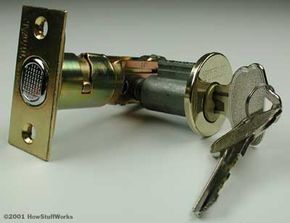
The bolt mechanism is the solid piece that moves in and out of the door frame. It is usually made of strong metal. When locked, the bolt slides deep into the frame, stopping the door from opening. This part must be sturdy to resist force and keep the door secure.
Cylinder And Keyway
The cylinder holds the tumblers inside, which match the key’s shape. The keyway is the slot where the key goes in. Turning the key aligns the tumblers and allows the bolt to move. This system prevents the lock from opening without the right key.
Strike Plate
The strike plate is attached to the door frame. It has a hole where the bolt fits when locked. This plate strengthens the frame and helps hold the bolt tightly. A strong strike plate makes it harder to break the lock by force.
How Deadbolts Secure Doors
Deadbolts add strong protection to doors. They stop unwanted entry by locking the door securely. The way deadbolts work helps keep homes and buildings safe. Understanding how deadbolts secure doors shows why they are important for security.
Deadbolts do more than just lock. They use strong metal parts and smart design to resist force. This makes it hard for burglars to break in. Let’s explore how deadbolts secure doors step by step.
Bolt Extension And Door Frame
The bolt is a metal piece that slides into the door frame. It extends deep into the frame to lock the door tight. The longer and thicker the bolt, the stronger the lock. This deep bolt stops the door from opening easily.
The door frame must be solid to hold the bolt well. A weak frame can break under pressure. Strong frames and long bolts work together to make doors secure.
Resistance To Forced Entry
Deadbolts resist forced entry by using tough metal parts. The bolt does not move unless the key turns it. This prevents someone from pushing or pulling the door open.
Many deadbolts have hardened steel inserts. These parts stop saws or drills from cutting the bolt. The lock design also spreads force to avoid damage. This makes breaking in very difficult.
Impact Of Lock Grade
Lock grades show how strong a deadbolt is. Grades range from 1 to 3. Grade 1 is the strongest and used by police or businesses. Grade 3 is the basic level for homes.
Higher grades have better materials and design. They offer more protection and last longer. Choosing the right grade matches security needs and budget.
Credit: home.howstuffworks.com
Installation Tips
Installing a deadbolt correctly is key to making your door secure. Small mistakes can weaken its strength. Follow these tips to ensure a safe and sturdy installation. Focus on the door’s position, alignment, and support for the lock.
Choosing The Right Location
Select a spot on the door that is solid and easy to reach. Avoid areas near the edge that might split or crack. The deadbolt should be placed at a comfortable height for all users. Usually, this means about 40 to 48 inches from the floor. Check that the door material is strong enough to hold the lock firmly.
Proper Alignment
Make sure the deadbolt lines up perfectly with the strike plate on the door frame. Misalignment can cause the lock to jam or wear out quickly. Use a level or measuring tape to check the fit before drilling. Test the lock several times to confirm smooth operation. Adjust the strike plate if necessary to get a snug fit.
Reinforcing Door And Frame
Strengthen the door and frame around the deadbolt for better protection. Add a metal plate or reinforce with longer screws in the strike plate. This helps resist forced entry attempts. If the door is hollow, consider installing a solid wood or metal reinforcement. Secure the frame with heavy-duty screws to prevent it from splitting under pressure.
Common Vulnerabilities
Deadbolts are strong, but they have weak points. These common vulnerabilities can let intruders break in. Knowing these flaws helps you choose better locks and protect your home.
Understanding these risks can also help you keep your deadbolt in good shape.
Lock Picking And Bumping
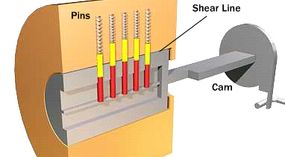
Lock picking uses tools to move the lock’s pins inside. Skilled thieves can open deadbolts without keys. Lock bumping is faster. A special key taps pins to unlock quickly. Both methods need practice but can work on many locks.
Force Attacks
Force attacks mean breaking or pushing the lock open. Burglars use hammers, crowbars, or drills. Some deadbolts resist force better. Cheap or old locks can break under pressure. Strong metal and good installation help stop these attacks.
Wear And Maintenance Issues
Deadbolts wear down over time. Dirt, dust, and rust make them weak. Keys may stick or not turn smoothly. Lack of oil or cleaning causes problems. Regular care keeps locks working well and harder to break.
Enhancing Deadbolt Security
Enhancing deadbolt security improves home safety. A stronger deadbolt helps stop break-ins. Choosing the right lock and hardware makes a difference.
High-security Locks
High-security locks use tough materials and smart designs. They resist picking, drilling, and bumping better than standard locks. Many have reinforced bolts that are harder to force open. These locks often come with special keys that are hard to copy. Installing one adds a strong layer of protection to your door.
Smart Deadbolts
Smart deadbolts use technology to improve security. You can lock or unlock them with a phone or keypad. Some send alerts if someone tries to break in. They allow keyless entry, reducing the risk of lost keys. Smart deadbolts also let you control access remotely, increasing convenience and safety.
Additional Door Hardware
Extra hardware strengthens your door’s defense. Door reinforcements, like strike plates and door wraps, help stop forced entry. Security bars or door jammers add physical barriers. Using heavy-duty hinges prevents the door from being removed easily. These tools work with deadbolts to boost overall security.
Maintenance And Troubleshooting
Deadbolts need regular care to work well and keep your home safe. Small problems can grow into big issues if ignored. Checking and fixing your deadbolt often saves time and money. This section guides you on keeping your deadbolt smooth and working strong.
Lubrication Tips
Lubricate your deadbolt twice a year. Use a graphite powder or silicone spray. Avoid oil-based lubricants; they attract dust and dirt. Apply lubricant to the keyhole and the bolt. Work the key in and out to spread it evenly. This keeps the lock moving smoothly and prevents sticking.
Identifying Issues Early
Notice if the key feels stiff or hard to turn. Listen for strange sounds when locking or unlocking. Check if the bolt moves slower than usual. Look for loose screws or parts on the lock. Early signs help fix problems before the lock breaks. Regular checks make your deadbolt last longer.
When To Replace Deadbolts
Replace your deadbolt if it jams often or breaks. Rust or corrosion also means replacement time. Old locks may not protect your home well. Upgrading adds better security and peace of mind. Change locks after moving into a new home or losing keys. Choose strong, certified deadbolts for the best safety.
Credit: home.howstuffworks.com
Frequently Asked Questions
How Does A Deadbolt Lock Work?
A deadbolt lock secures doors by extending a solid metal bolt into the door frame. It requires a key or thumb turn to lock and unlock. Unlike spring locks, deadbolts resist forced entry better due to their sturdy mechanism and deeper engagement with the frame.
What Are The Main Types Of Deadbolts?
The main deadbolt types are single-cylinder, double-cylinder, and lockable thumb turn. Single-cylinder uses a key outside and thumb turn inside. Double-cylinder requires a key both sides, ideal for doors with glass. Lockable thumb turn adds extra security by locking the inside turn.
Why Are Deadbolts More Secure Than Regular Locks?
Deadbolts offer superior security because their bolt is thicker and extends deeper into the frame. They lack spring mechanisms, preventing easy forced retraction. This makes them highly resistant to lock picking, bumping, and physical attacks compared to standard spring latch locks.
Can Deadbolts Be Installed On Any Door?
Deadbolts can be installed on most solid doors like wood, metal, or fiberglass. Hollow-core or glass doors may require special considerations or reinforcement. Proper installation ensures maximum security and function, so consulting a professional is recommended for non-standard doors.
Conclusion
Deadbolts add strong protection to your doors. They work by sliding a solid metal bolt into the door frame. This bolt makes it hard for anyone to force the door open. You can use keys or turn knobs to lock and unlock deadbolts.
Choosing the right deadbolt helps keep your home safe. Understanding how deadbolts work helps you make smart security choices. A simple lock can make a big difference in safety. Keep your doors secure with a reliable deadbolt lock.