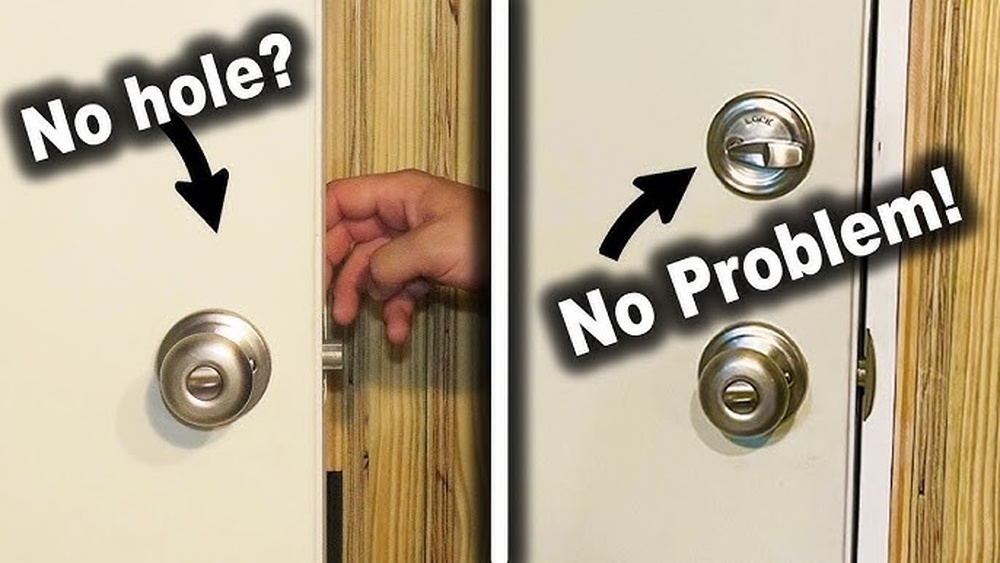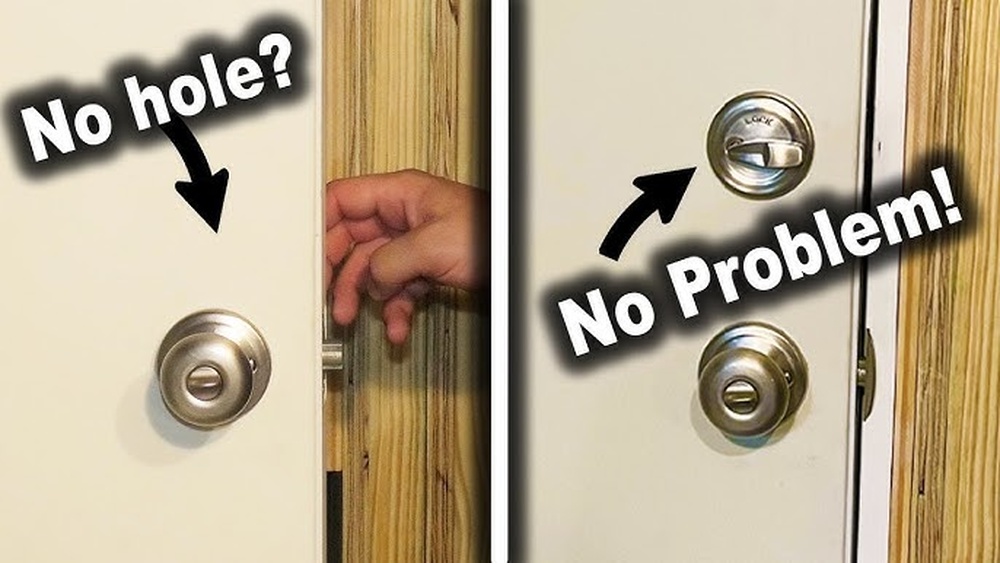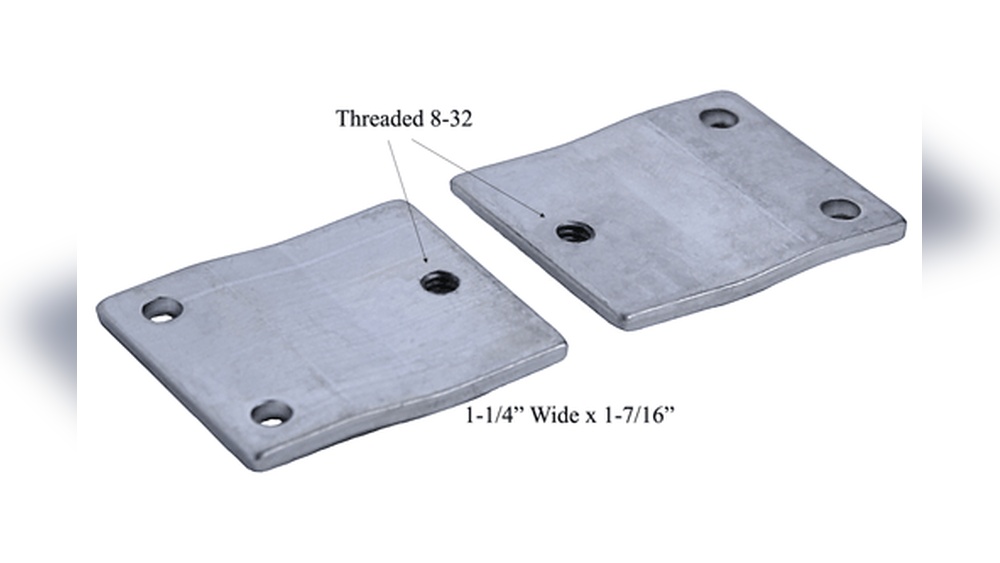
Installing a deadbolt on your hollow metal door might seem tricky at first, but you can do it yourself with the right steps. Securing your home or workspace is important, and a strong deadbolt adds an extra layer of protection.
If you want to feel safer and gain peace of mind, this guide will walk you through the process in simple, clear steps. By the end, you’ll have the confidence and know-how to install a deadbolt that fits perfectly and works smoothly.
Keep reading to learn how to boost your door’s security quickly and easily.
Tools And Materials Needed
Installing a deadbolt in a hollow metal door requires the right tools and materials. Having everything ready makes the job smoother and faster. This section lists all essentials to complete the installation properly.
Tools Needed
- Power drill with drill bits
- Hole saw kit (2 1/8 inch and 1 inch sizes)
- Phillips screwdriver
- Tape measure
- Combination square
- Chisel
- Hammer
- Pencil
- Utility knife
- Center punch
Materials Needed
- Deadbolt lock set designed for metal doors
- Strike plate
- Wood or metal shims (if needed)
- Safety glasses
- Masking tape
- Rust-resistant screws
Choose a deadbolt kit made for hollow metal doors. This ensures proper fit and security. Safety glasses protect your eyes from metal shavings. Masking tape helps mark drilling points without slipping.

Credit: www.youtube.com
Choosing The Right Deadbolt
Choosing the right deadbolt is key to securing a hollow metal door. A good deadbolt adds strong protection and peace of mind. This choice depends on several factors like door type, security needs, and ease of use.
Picking a deadbolt that fits your door and lifestyle helps avoid problems later. This guide explains the main points to consider when selecting a deadbolt.
Types Of Deadbolts
Single-cylinder deadbolts use a key outside and a thumb turn inside. They are common and easy to operate. Double-cylinder deadbolts need a key both outside and inside. These are good for doors with glass near the handle. They stop someone from breaking the glass and opening the door.
Size And Fit
Measure your door thickness before buying a deadbolt. Hollow metal doors often need longer screws and bolts. Check the backset distance to match the lock’s latch position. A wrong size can make installation hard or damage your door.
Security Features
Look for deadbolts with hardened steel bolts. These resist cutting and sawing. Some models have anti-pick pins inside the lock cylinder. Choose one with a strong strike plate that screws deep into the door frame. These features improve your door’s defense.
Ease Of Installation
Select deadbolts designed for metal doors. They come with the right screws and templates. Some locks include adjustable parts to fit different door thicknesses. Easy installation saves time and avoids mistakes.
Preparing The Door
Preparing the door is the first step to install a deadbolt on a hollow metal door. This stage ensures the deadbolt fits perfectly and works smoothly. Proper preparation helps avoid mistakes that could weaken the door or make the lock less secure.
Marking The Deadbolt Position
Start by choosing the right height for the deadbolt. Usually, it is about 6 to 12 inches above the door handle. Use a pencil to mark the exact spot on the door edge. This mark guides where to drill the hole for the bolt.
Next, hold the deadbolt template against the door face. Align it with the edge mark. Trace the outline of the lock body and the keyhole carefully. These marks show where to drill on the door surface.
Drilling Holes In Metal Door
Use a power drill with a metal drill bit. Drill the hole on the door edge first, following your mark. This hole should match the bolt size exactly. Drill slowly to avoid bending or damaging the metal.
Next, drill the holes on the door face for the lock body and the keyhole. Keep the drill steady and straight. Remove any sharp metal edges or burrs after drilling. This keeps the lock parts fitting well and prevents injury.
Credit: www.reddit.com
Installing The Deadbolt Mechanism
Installing the deadbolt mechanism is a key step in securing your hollow metal door. This part involves placing the lock components carefully inside the door. Each side of the deadbolt must fit perfectly to work smoothly. Follow simple steps to avoid mistakes and ensure strong protection.
Fitting The Exterior Side
Start by positioning the exterior part of the deadbolt. Align it with the hole on the door’s outer surface. Make sure the keyhole or thumb turn faces the correct direction. Insert the spindle through the door hole carefully. Check that the exterior piece sits flush against the door. Tighten screws firmly but do not over-tighten to avoid damage.
Attaching The Interior Side
Next, place the interior side of the deadbolt on the inside of the door. Align its holes with the spindle and screw holes. Push the interior piece until it fits snugly. Secure it with screws, tightening evenly to hold it in place. Test the lock by turning the thumb turn or key. It should move smoothly without sticking.
Securing The Strike Plate
Start by aligning the strike plate with the door frame’s hole. Secure it tightly using screws to ensure the deadbolt locks properly. A well-fastened strike plate strengthens the door’s security and prevents wobbling.
Understanding The Role Of The Strike Plate
The strike plate is a small metal piece on the door frame. It catches the deadbolt latch when the door closes. This keeps the door locked firmly. Without a strong strike plate, the lock can fail easily.
Choosing The Right Strike Plate
Pick a heavy-duty strike plate made for hollow metal doors. It should be thick and strong. Look for plates that come with long screws. These screws help secure the plate deep into the door frame.
Preparing The Door Frame For Installation
Mark the spot where the deadbolt latch hits the frame. Use a chisel to create a shallow recess for the strike plate. The plate must sit flush with the frame surface. This prevents the door from sticking or gaps forming.
Securing The Strike Plate With Long Screws
Use screws at least 3 inches long. Short screws do not hold well in hollow metal frames. Insert screws into the wall studs behind the frame if possible. Tighten screws firmly to prevent the plate from moving.
Testing The Strike Plate Alignment
Close the door slowly to check latch alignment. The deadbolt should slide smoothly into the strike plate hole. Adjust the plate or screws if the deadbolt does not fit properly. Proper alignment improves security and door function.
Testing The Deadbolt Functionality
Testing the deadbolt functionality is a key step after installation. It ensures the lock works smoothly and secures the door properly. A well-functioning deadbolt gives peace of mind and keeps your space safe.
Check every part of the deadbolt to avoid future problems. Small issues now can save big troubles later. Testing helps confirm that the deadbolt fits and moves as it should.
Check The Locking And Unlocking Action
Turn the key or thumb turn to lock the deadbolt fully. It should slide smoothly without sticking. Repeat the process several times to confirm consistent action. The bolt should extend fully into the strike plate.
Test The Alignment With The Strike Plate
Close the door and lock the deadbolt. Make sure the bolt enters the strike plate hole easily. Misalignment causes jamming or incomplete locking. Adjust the strike plate if the bolt does not fit well.
Verify The Door’s Secure Fit
Try to open the door while the deadbolt is locked. The door must not move or open. If it does, check the deadbolt and strike plate alignment. A secure fit keeps the door firmly closed and safe.
Inspect The Key And Thumb Turn Operation
Insert and remove the key several times to check smooth operation. Turn the thumb turn both ways to lock and unlock. No resistance or roughness should be felt. Proper operation helps avoid lock failure.
Perform A Final Safety Check
Test the deadbolt from inside and outside the door. Make sure both sides work correctly and the door locks securely. Confirm there is no damage or loose parts. The deadbolt must provide reliable security at all times.
Troubleshooting Common Issues
Installing a deadbolt on a hollow metal door can sometimes bring small problems. These issues might slow down the process or cause the lock to not work well. Knowing common problems helps fix them quickly. This saves time and makes the door secure.
Misaligned Deadbolt
The deadbolt may not fit the strike plate properly. This causes the lock to stick or not turn. Check the alignment by closing the door slowly. Adjust the strike plate or the lock position until the deadbolt slides smoothly.
Difficulty Drilling Into Metal
Hollow metal doors are tough to drill. Using the wrong drill bit can damage the door or slow the work. Use a high-quality metal drill bit. Start with a small hole, then widen it. Keep the drill steady to avoid mistakes.
Loose Deadbolt Mechanism
Loose screws can make the deadbolt feel shaky. Tighten all screws firmly but do not over-tighten. Over-tightening can strip the screws or damage the door. Check the lock’s movement after tightening to ensure smooth action.
Deadbolt Not Locking Fully
The deadbolt might not extend fully into the door frame. This reduces security. Check the strike plate and the door frame for any gaps. Adjust the plate or add shims to close gaps. This ensures the deadbolt locks completely.

Credit: www.reddit.com
Maintenance Tips For Longevity
Maintaining a deadbolt on a hollow metal door helps keep it working well for years. Regular care stops issues like rust, stiffness, and wear. Simple steps protect your lock and door from damage.
Here are key maintenance tips to extend your deadbolt’s life and keep your door secure.
Cleaning The Deadbolt And Door Surface
Use a soft cloth to wipe the deadbolt and door. Remove dirt, dust, and grime that build up over time. Avoid harsh chemicals that can damage the metal. Mild soap and water work best. Dry the surface completely after cleaning to prevent rust.
Lubricating Moving Parts
Apply graphite or silicone lubricant to the deadbolt’s moving parts. This reduces friction and keeps the lock turning smoothly. Avoid oil-based lubricants that attract dust and dirt. Lubricate at least twice a year or when the lock feels stiff.
Checking And Tightening Screws
Inspect screws on the deadbolt and door plate regularly. Loose screws affect lock stability and security. Use a screwdriver to tighten any loose screws. Replace missing or damaged screws immediately to ensure proper function.
Testing Lock Function Often
Test the deadbolt regularly by locking and unlocking it. Notice any difficulty or unusual sounds. Early signs of trouble help prevent bigger problems. Address issues quickly to avoid lock failure or door damage.
Protecting Against Weather Damage
Hollow metal doors can rust from moisture and weather. Use a weather-resistant sealant around the door frame. Install a door sweep to block water and dirt. Keep the area around the door clean and dry for best protection.
Frequently Asked Questions
How Do I Prepare A Hollow Metal Door For Deadbolt Installation?
First, mark the deadbolt position on the door. Use a template for precise measurements. Drill holes carefully to avoid door damage. Ensure the door thickness suits the deadbolt size for a secure fit.
What Tools Are Needed To Install A Deadbolt On Metal Doors?
You’ll need a power drill, hole saw, screwdriver, measuring tape, and pencil. A chisel may be required to create space for the latch plate. Using the right tools ensures a smooth and secure installation process.
Can I Install A Deadbolt On Any Hollow Metal Door?
Most hollow metal doors support deadbolt installation if they meet thickness requirements. Ensure the door is at least 1. 75 inches thick. Check the door frame for proper alignment to secure the deadbolt effectively.
How Do I Ensure The Deadbolt Locks Smoothly On A Metal Door?
Align the deadbolt with the strike plate carefully. Test the latch operation before final tightening. Lubricate the bolt mechanism with graphite or silicone spray for smooth locking and extended hardware life.
Conclusion
Installing a deadbolt on a hollow metal door adds strong security. Follow the steps carefully for the best results. Use the right tools and measure twice before drilling. Take your time to avoid mistakes and ensure a good fit. A properly installed deadbolt keeps your space safe and secure.
Practice makes perfect, so don’t rush the process. Now, you can feel more confident about your door’s protection. Simple steps can make a big difference in home safety.