
Are you tired of nails that won’t hold or shelves that keep falling down? Installing anchors in your wall is the secret to making your hangings secure and stable.
Whether you want to hang a heavy mirror, a shelf, or artwork, knowing how to install wall anchors correctly can save you time, frustration, and damage to your walls. In this guide, you’ll learn simple, step-by-step instructions that anyone can follow—even if you’ve never done it before.
Keep reading, and you’ll soon have the confidence to hang anything safely and securely on your walls.
Choosing The Right Anchor
Choosing the right anchor is important for a strong, safe hold. Different anchors work best with different walls and weights. Picking the right type prevents damage and keeps things secure.
Types Of Wall Anchors
There are several types of wall anchors. Plastic expansion anchors work well for light loads. Metal anchors offer more strength. Toggle bolts spread weight across a larger area. Molly bolts provide a secure fit in hollow walls.
Matching Anchors To Wall Material
Anchors must fit the wall type for best results. Drywall needs lightweight anchors like plastic or molly bolts. Concrete or brick walls require heavy-duty anchors like sleeve or wedge anchors. Plaster walls need anchors that won’t crack the surface.
Weight Capacity Considerations
Each anchor has a weight limit. Choose anchors that hold more than the item’s weight. For heavy objects, use metal or toggle anchors. Always check the package for weight ratings before installation.
Tools And Materials Needed
Installing anchors in the wall requires the right tools and materials. Using proper equipment makes the job easier and safer. It also ensures the anchors hold firmly for your project. Below is a list of what you need before starting.
Essential Tools
You need a drill with the correct drill bit size. A screwdriver or a drill driver is also important. A hammer may be required for some anchor types. A tape measure helps mark the exact spot on the wall. Use a pencil to mark drilling points clearly.
Safety Equipment
Wear safety glasses to protect your eyes from dust and debris. Gloves keep your hands safe from sharp edges. Use a dust mask if drilling into materials that create fine dust. Ear protection helps if you use loud power tools.
Anchor Selection Checklist
Check the wall type before choosing anchors. Drywall, brick, and concrete need different anchors. Match anchor size to the weight of the item you hang. Read the anchor packaging for weight limits and installation instructions. Choose anchors made from strong, durable materials.
Preparing The Wall
Preparing the wall is an important step before installing anchors. It makes sure the anchor holds well and stays safe. This process includes finding the right spots, cleaning the area, and checking for hidden wires or pipes. Taking time to prepare helps avoid damage and makes the job easier.
Locating Studs And Marking Spots
Start by finding the studs inside the wall. Studs are wooden beams that hold the wall strong. Use a stud finder tool to locate them. Mark the spots lightly with a pencil. Anchors work best near studs for better support. Avoid empty spaces for heavy items.
Cleaning The Installation Area
Clean the wall surface before drilling. Remove dust, dirt, and grease with a damp cloth. A clean area helps the anchor stick well and prevents slipping. Let the wall dry completely before moving on. This step ensures a smooth and safe installation.
Checking For Hidden Wires And Pipes
Check for hidden wires and pipes inside the wall. Use a wire detector or pipe scanner. Avoid drilling where wires or pipes run. Damaging them can cause electric shocks or water leaks. Mark safe spots clearly to stay away from hazards.

Credit: diy.stackexchange.com
Step-by-step Installation
Installing wall anchors is a simple process that anyone can follow. This step-by-step guide helps you do it right. Each step ensures your anchor holds firmly and safely. Follow these clear instructions for a strong installation.
Drilling Pilot Holes
Start by marking the spot where you want the anchor. Use a pencil for accuracy. Choose a drill bit matching the anchor size. Drill a hole straight and clean. Avoid making the hole too big or small. A proper hole helps the anchor fit well.
Inserting The Anchor
Push the anchor gently into the hole. Use your fingers or a hammer for light taps. The anchor should fit snugly. Do not force it in too hard. The anchor expands inside the wall to hold tight. Make sure it sits flush with the surface.
Securing The Screw
Pick the right screw size for the anchor. Place the screw into the anchor opening. Use a screwdriver or drill to turn the screw slowly. Tighten until firm but do not over-tighten. Over-tightening can damage the anchor or wall. The screw holds your item firmly in place.
Testing The Anchor Support
Testing the anchor support is a crucial step after installation. It ensures the anchor can hold the weight safely. Skipping this step can cause damage or accidents. Testing helps confirm the anchor’s strength and stability.
Applying Load Gradually
Start by adding light weight to the anchor. Do not put full pressure at once. Slowly increase the load in small steps. This method prevents sudden failure of the anchor or wall. Watch how the anchor reacts with each added weight.
Checking For Stability
Observe the anchor and the wall carefully. Look for any movement or cracks. The anchor should not wiggle or shift. The wall should stay firm without any damage. Test stability by gently pushing or pulling the object attached.
Troubleshooting Loose Anchors
If the anchor feels loose, stop using it. Remove the object and inspect the hole. The hole might be too big or damaged. Use a larger anchor or fill the hole with repair material. Reinstall the anchor and test again for support.
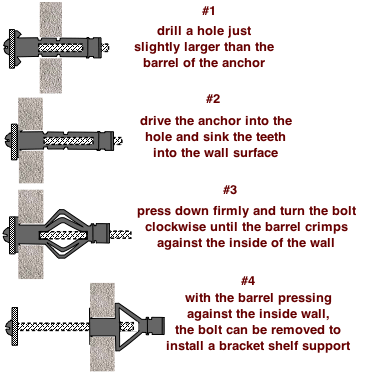
Credit: www.do-it-yourself-help.com
Tips For Different Wall Types
Different walls need different anchors for a strong hold. Using the right anchor type makes your installation safe and stable. This section gives tips for common wall types. Follow these simple steps for best results.
Drywall Anchors
Drywall is soft and needs special anchors. Plastic expansion anchors work well for light items. For heavier objects, use metal or toggle anchors. Drill a small hole first. Push or screw the anchor into the hole. Tighten the screw slowly to avoid damage.
Concrete And Masonry Anchors
Concrete and brick walls are hard. Use masonry anchors like sleeve or wedge anchors. Drill a hole with a masonry bit. Clear dust from the hole before inserting the anchor. Tap the anchor in with a hammer if needed. Tighten the screw firmly but avoid over-tightening.
Plaster Wall Anchors
Plaster walls can crack easily. Use hollow wall anchors or toggle bolts for support. Drill a pilot hole that matches the anchor size. Insert the anchor gently. Tighten the screw carefully to prevent plaster damage. Check the anchor’s grip before hanging heavy items.
Common Mistakes To Avoid
Installing anchors in the wall sounds easy but has common mistakes. These errors can cause anchors to fail or walls to get damaged. Avoiding these mistakes helps keep your items secure and your walls safe. Understanding these errors makes your project smoother and safer.
Overloading Anchors
Anchors have weight limits. Putting too much weight on them causes them to pull out. Always check the anchor’s weight rating before use. Use stronger anchors for heavy items like shelves or TVs. Overloading leads to accidents and damages walls.
Incorrect Anchor Size
Choosing the wrong size anchor is a big mistake. Small anchors may not hold the item properly. Large anchors may need bigger holes that weaken the wall. Match the anchor size to the screw and the item weight. Proper size ensures a tight and safe fit.
Ignoring Wall Material
Different walls need different anchors. Drywall, concrete, and brick require specific anchor types. Using the wrong anchor can cause it to fail quickly. Know your wall material before buying anchors. Correct anchors grip better and last longer in the wall.

Credit: www.youtube.com
Frequently Asked Questions
What Tools Do I Need To Install Wall Anchors?
You need a drill, drill bits, a screwdriver, a hammer, and the appropriate wall anchors. These tools ensure a secure and precise installation.
How Do I Choose The Right Anchor For My Wall?
Select anchors based on wall type and weight load. Drywall anchors suit light loads; masonry anchors work for brick or concrete.
Can I Install Anchors In Drywall Without Studs?
Yes, use drywall anchors designed for hollow walls. They expand behind the drywall for strong support without needing studs.
How Deep Should I Drill Holes For Wall Anchors?
Drill holes slightly deeper than the anchor length. This allows the anchor to fit fully and hold securely.
Conclusion
Installing wall anchors is simple with the right steps. Choose the correct anchor for your wall type. Drill a hole carefully, then insert the anchor firmly. Tighten the screw slowly to secure your item. Take your time to avoid mistakes and damage.
This method holds items safely on walls. Practice makes the process easier and faster. Now, you can hang pictures, shelves, or mirrors with confidence. Trust the process and enjoy your sturdy results.


