If you’ve ever tried to hang something heavy on a brick wall, you know it’s not as simple as drilling a hole and inserting a nail. You need the right anchors to make sure whatever you hang stays secure and safe.
But how do you choose the right anchors? And how do you install them properly without damaging your wall? This guide will walk you through every step, making the process easy and stress-free. By the end, you’ll have the confidence to install anchors like a pro, ensuring your shelves, pictures, or fixtures stay firmly in place.
Keep reading to discover the simple tricks that will save you time and frustration.

Credit: www.picturehangsolutions.com
Choosing The Right Anchor
Choosing the right anchor for a brick wall is important. The right anchor ensures your fixture stays secure and safe. Different anchors work better for different jobs and wall types. Selecting the correct one saves time and prevents damage to the wall. Understanding the types and factors helps you pick the best anchor.
Types Of Anchors For Brick Walls
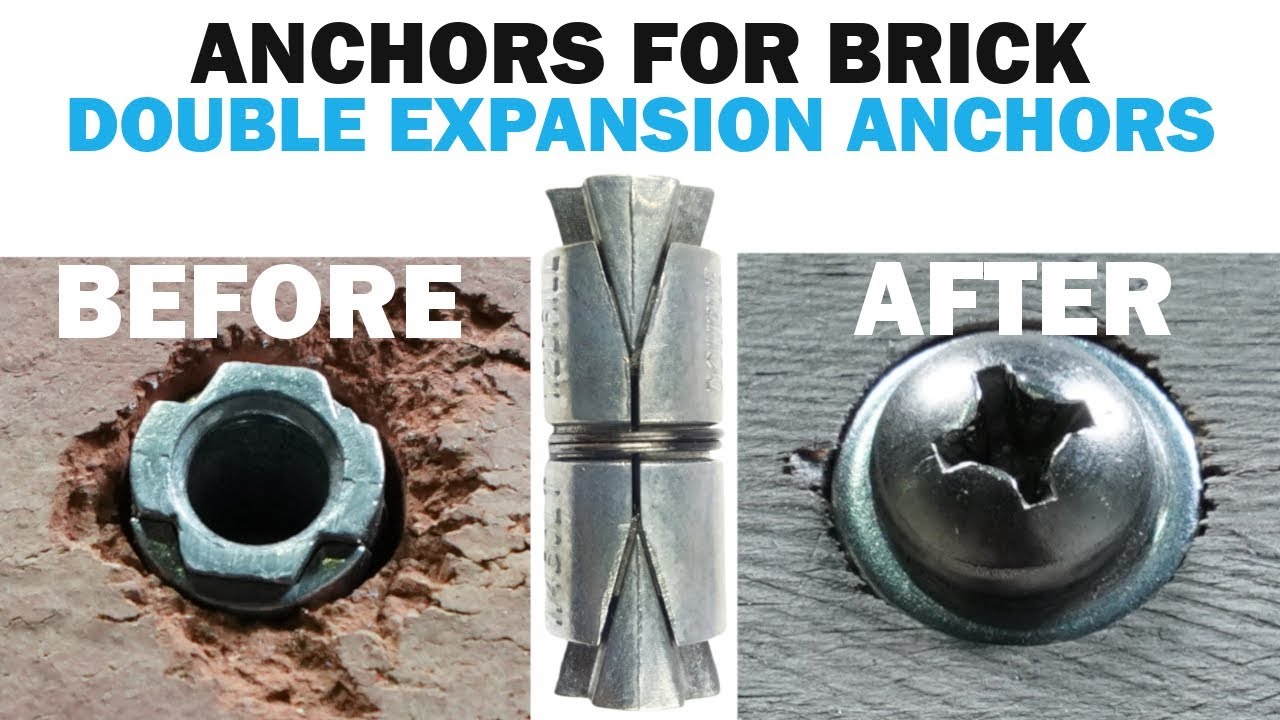
Plastic anchors are common for light loads. They expand inside the hole to hold tight. Sleeve anchors work well for medium to heavy loads. They have a metal sleeve that grips the brick. Wedge anchors provide strong holding power for heavy fixtures. They tighten as you screw them in. Hammer drive anchors are quick and easy for light attachments. They work by pushing a pin into the anchor body. Choose the type based on the weight and purpose.
Factors To Consider When Selecting Anchors
Check the load weight first. Heavier items need stronger anchors. Consider the brick type next. Soft bricks need gentle anchors that won’t crack the surface. Hard bricks can handle tougher anchors. Think about the environment. Outdoor anchors must resist rust and weather. Also, check the hole size needed. It should match the anchor size exactly. Proper fit ensures good hold and safety.
Gathering Necessary Tools
Gathering the right tools is the first step to install anchors in a brick wall. Proper tools make the job easier and safer. Using the correct equipment also ensures a strong hold for your anchors.
Drill And Bits
A power drill is essential for this task. Choose a drill with good power and control. Use masonry drill bits designed for brick or concrete. These bits are strong and can bore clean holes.
Select the correct bit size that matches your anchor size. Too small or too large bits can cause loose anchors or damage the wall.
Safety Gear
Protect yourself with safety gear. Wear safety glasses to shield your eyes from dust and debris. Use a dust mask to avoid breathing in fine particles.
Wear gloves to protect your hands from sharp edges and rough surfaces. Hearing protection is also helpful if the drill is loud.
Measuring And Marking Tools
Accurate placement matters for strong anchors. Use a tape measure to find the right spot on the wall. Mark the points clearly with a pencil or marker.
A level helps ensure your marks are straight. A square can assist in making perfect right angles. These tools keep your work precise and professional.
Preparing The Brick Wall
Preparing the brick wall is a key step before installing anchors. It ensures strong support and a safe hold. Proper preparation makes the whole process smoother and the anchor lasts longer.
Locating The Correct Spot
First, find the exact place for the anchor. Choose solid bricks, not the gaps or mortar. Avoid weak or crumbling areas. Use a pencil or marker to mark the spot clearly.
Check the wall for any pipes or wires inside. Use a stud finder or similar tool. This keeps you safe and protects the wall.
Cleaning The Surface
Clean the area around the mark. Remove dust, dirt, and loose material. Use a wire brush or a stiff broom. Clean surfaces help anchors stick better.
Blow away any remaining dust with compressed air or a small brush. A clean hole ensures the anchor fits tightly. This step improves the anchor’s grip and strength.
Drilling The Hole
Drilling the hole is a key step in installing anchors in a brick wall. A clean, precise hole ensures the anchor fits tightly. This makes the installation strong and safe. Taking time to drill correctly prevents damage to the brick and avoids loose anchors.
Choosing Drill Bit Size
Choose a drill bit that matches the anchor size. The hole should be the same diameter as the anchor. Too small, and the anchor won’t fit. Too large, and the anchor won’t hold firmly. Check the anchor package for the right drill bit size. Use a masonry drill bit made for brick and stone.
Drilling Technique Tips
Start drilling slowly to keep control. Hold the drill steady and straight. Use a hammer drill for better results. Drill to the exact depth needed for the anchor. Clean out the dust from the hole with a brush or air blower. This helps the anchor grip tightly in the brick.
Inserting The Anchor
Inserting the anchor into a brick wall is a key step for a strong hold. This process ensures that the fixture stays secure and stable. Follow each step carefully to get the best results.
Positioning The Anchor
Place the anchor directly into the drilled hole. Align it so that it sits straight and flush with the surface. Avoid tilting or forcing the anchor. A well-positioned anchor ensures even weight distribution.
Ensuring A Tight Fit
Tap the anchor gently with a hammer until it fits snugly. Do not hit too hard to avoid damaging the brick. Check that the anchor does not wobble or move. A tight fit keeps the anchor firmly in place.

Credit: www.youtube.com
Securing The Fixture
Securing the fixture is the final step to ensure your anchor holds strong in the brick wall. This step helps keep the item in place without wobbling or falling. Properly securing the fixture also protects the wall and the anchor from damage over time.
Follow clear steps to attach screws or bolts safely. Then, check the stability before finishing your job.
Attaching Screws Or Bolts
Start by selecting the right screws or bolts for your anchor type. Insert the screw or bolt into the anchor carefully. Use a screwdriver or wrench to tighten it gently. Do not force it too hard. Tightening too much can crack the brick or damage the anchor.
Make sure the fixture sits flat against the wall. The screws or bolts should hold it firmly without shifting. Stop tightening once the fixture feels secure.
Checking Stability
After attaching the fixture, test its strength. Gently wiggle or pull the item to see if it moves. A stable fixture will stay in place without any looseness. If it moves, tighten the screws or bolts a bit more.
Double-check that no cracks form around the anchor. This ensures the wall and anchor remain safe. A stable fixture means your work is done correctly.
Common Mistakes To Avoid
Installing anchors in a brick wall might seem simple. Yet, some common mistakes can cause problems. Avoiding these errors helps your anchors hold strong and last longer. Focus on the right steps for a safe and secure fix.
Overdrilling
Drilling too deep weakens the brick around the hole. The anchor won’t hold well in loose or broken material. Stop drilling as soon as you reach the right depth. Measure the anchor length before starting. Use a drill stop or tape on the bit to avoid overdrilling.
Using Wrong Anchor Type
Different anchors suit different wall types and loads. Using the wrong anchor may cause it to fail. Plastic anchors work for light loads but not heavy items. Sleeve anchors fit better for heavier objects. Check the anchor package for wall type and weight limits. Choose anchors made for brick walls only.
Maintenance And Inspection
Maintaining and inspecting anchors in a brick wall keeps them strong and safe. Over time, anchors can loosen or wear out. Regular care helps prevent problems and keeps your wall secure. Follow these simple steps to check and replace anchors when needed.
Regular Checks For Stability
Look at the anchors often to spot any signs of damage. Check if the anchor feels loose or moves when touched. Notice cracks or gaps around the anchor area. Use a flashlight to see small cracks clearly. Tighten any loose anchors with the right tools. Keep the wall and anchors clean from dirt and dust. This stops rust and other damage.
When To Replace Anchors
Replace anchors if they show rust or breakage. If an anchor moves even after tightening, it needs a new one. Change anchors that no longer hold weight safely. Use new anchors made for brick walls to ensure a strong hold. Remove old anchors carefully to avoid wall damage. Always check the wall condition before installing new anchors.
Credit: www.youtube.com
Frequently Asked Questions
What Tools Do I Need To Install Anchors In Brick?
You need a hammer drill, masonry bit, anchor bolts, a hammer, and a screwdriver. Safety goggles and gloves are also essential for protection.
How Deep Should I Drill Holes For Brick Anchors?
Drill holes at least 1 inch deeper than the anchor length. This ensures proper anchor seating and secure fastening in the brick.
Can I Install Anchors In Old Or Damaged Bricks?
Avoid installing anchors in cracked or crumbling bricks. Use mortar joints or consult a professional for safe alternative fixing methods.
How Do I Choose The Right Anchor For Brick Walls?
Select anchors based on wall thickness and load weight. Expansion anchors work well for solid bricks, while sleeve anchors suit hollow bricks.
Conclusion
Installing anchors in a brick wall is simple with the right steps. Start by choosing the correct anchor type for your project. Drill carefully to avoid cracking the brick. Insert the anchor firmly to ensure a strong hold. Tighten screws slowly and check stability.
This method helps secure items safely and lasts long. Practice these steps to build confidence and get better results each time. Remember, patience and care make all the difference in a successful installation.