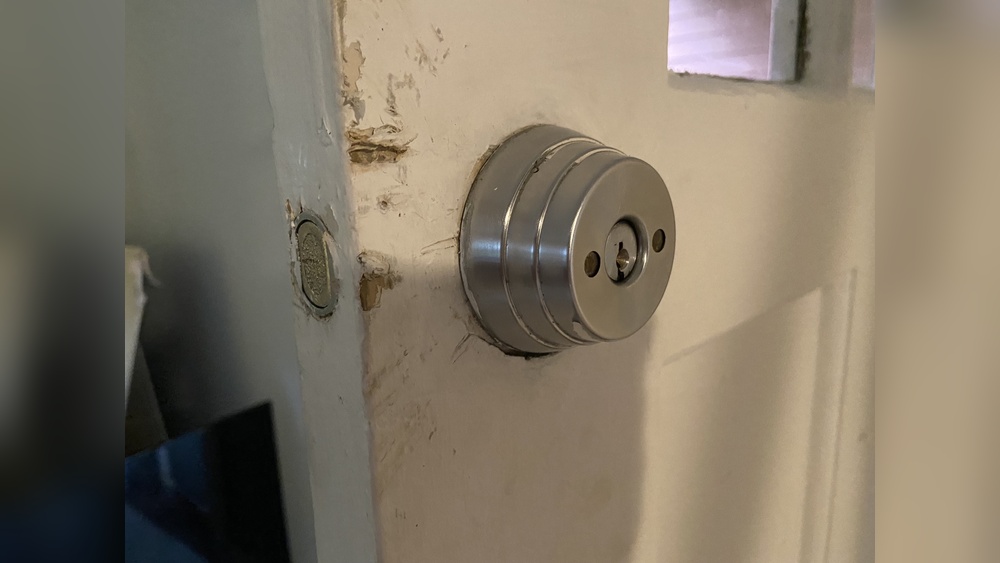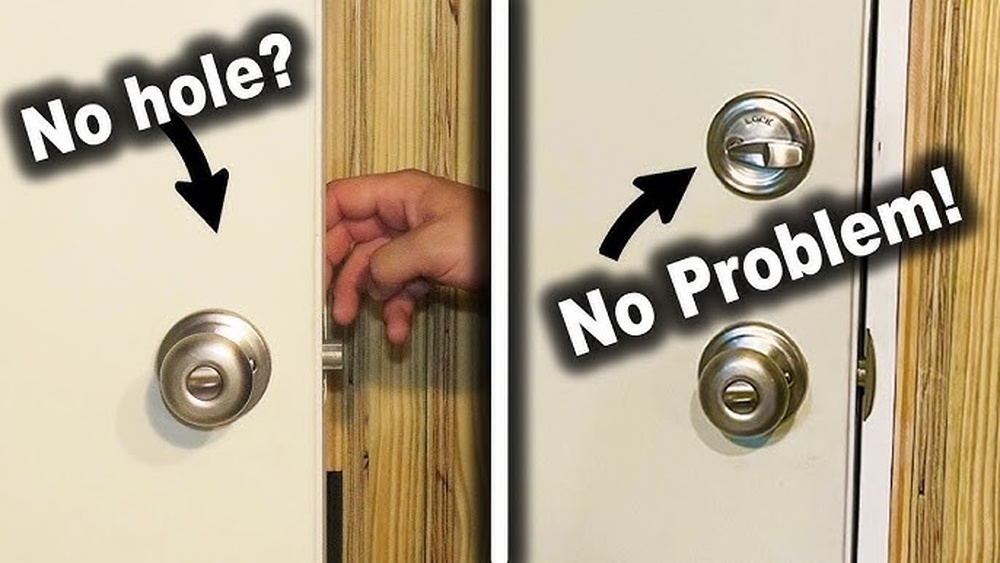
If you want to make your home more secure, installing a deadbolt on your wood door is one of the best steps you can take. You might think it’s a complicated job, but with the right guidance, you can do it yourself quickly and easily.
Imagine the peace of mind you’ll feel knowing your door is stronger and safer. You’ll find simple, clear instructions that walk you through every step. Keep reading, and by the end, you’ll have the skills to protect your home like a pro.
Credit: www.homedepot.com
Tools And Materials Needed
Installing a deadbolt on a wood door requires specific tools and materials. Having everything ready makes the job easier and faster. This section covers the essential tools, how to choose the right deadbolt, and the safety gear you need.
Essential Tools
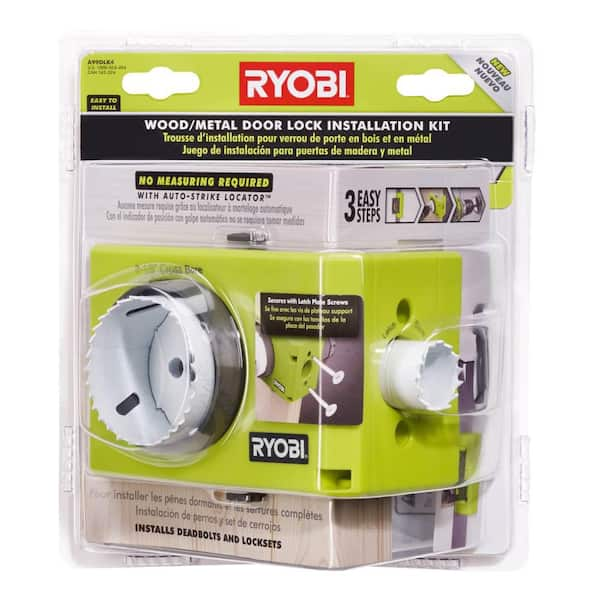
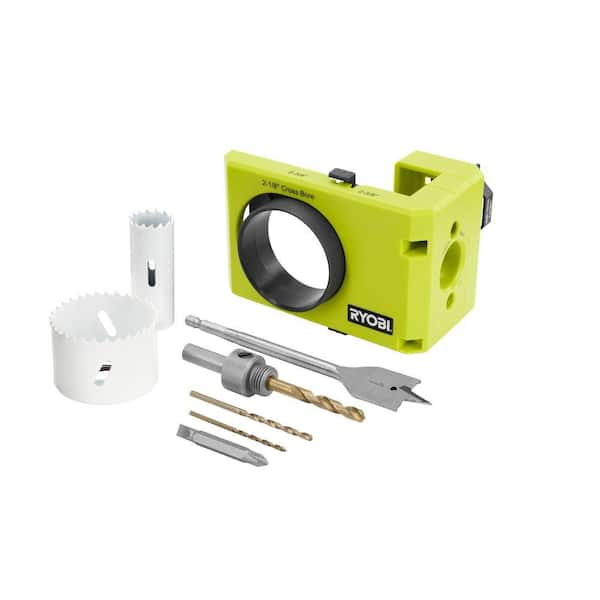
You will need a drill with various drill bits. A screwdriver, both flathead and Phillips, is necessary. A tape measure helps to mark the right spots. A pencil is useful for marking holes. A chisel is needed to create space for the lock. A hammer assists with the chisel work. A hole saw bit is required for drilling the lock hole. A level ensures the deadbolt is straight.
Choosing The Right Deadbolt
Select a deadbolt that fits your door thickness. Most wood doors need a 2-1/8 inch hole diameter deadbolt. Choose a single-cylinder deadbolt for easy key use. Double-cylinder deadbolts need keys on both sides. Pick a deadbolt with a solid metal bolt for better security. Check the lock’s finish to match your door hardware.
Safety Gear
Wear safety glasses to protect your eyes from wood chips. Use ear protection if your drill is loud. Gloves help prevent splinters and protect your hands. Keep a first aid kit nearby for minor cuts. Always work in a well-lit area to see clearly. Follow safety instructions for all tools used.

Credit: murphydoor.com
Preparing The Door
Preparing the door is a crucial step before installing a deadbolt. It ensures the lock fits well and works smoothly. Proper preparation saves time and prevents mistakes. This section guides you through marking the deadbolt position and measuring and drilling holes on a wood door.
Marking The Deadbolt Position
Start by choosing the right height for the deadbolt. Usually, it goes about 6 to 12 inches above the door handle. Use a pencil to mark this spot clearly. Hold the deadbolt template against the door edge and front face. Trace the outline carefully. Double-check the marks to make sure they align. Accurate marking helps avoid misalignment later.
Measuring And Drilling Holes
Measure the diameter of the deadbolt cylinder and latch holes. Use a drill bit that matches the size exactly. Drill the face hole first, through the door front. Drill slowly to avoid splintering the wood. Then drill the edge hole for the latch mechanism. Keep the drill straight for a clean hole. Clean out any wood chips to keep the holes neat.
Installing The Deadbolt
Installing the deadbolt on a wood door requires careful steps. This ensures the lock works smoothly and keeps your home safe. Follow clear instructions to fit the parts correctly. Take your time and check the alignment often. A well-installed deadbolt adds strong security and peace of mind.
Fitting The Lock Cylinder
Start by placing the lock cylinder into the hole on the door’s exterior side. Make sure the key slot is facing the correct way. Push it gently until it fits snugly. Align the cylinder with the holes for screws. Insert the screws and tighten them carefully. Avoid over-tightening to prevent damage.
Securing The Deadbolt Mechanism
Next, position the deadbolt mechanism inside the door cavity. Match it with the cylinder and latch holes. Insert screws through the mechanism and tighten them firmly. Check that the deadbolt moves smoothly with the key. Adjust if the bolt sticks or feels loose. Proper securing ensures reliable locking and easy use.
Setting The Strike Plate
Setting the strike plate is a key step when installing a deadbolt on a wood door. The strike plate holds the bolt securely in place and keeps the door locked. Proper placement ensures smooth locking and strong security. Follow these steps to mark and install the strike plate correctly.
Marking The Door Frame
Close the door and turn the deadbolt to extend the bolt fully. Use a pencil to mark where the bolt touches the door frame. This mark shows where you will install the strike plate. Check the height and position carefully to avoid mistakes.
Next, align the strike plate with the mark. Hold it against the door frame and trace around it with a pencil. This outline guides the area to chisel out. Accurate marking helps the strike plate fit flush with the frame.
Installing The Strike Plate
Use a chisel and hammer to carefully cut the wood inside the outline. The strike plate should sit flat and not stick out. Remove wood in small amounts to avoid damaging the frame. Test fit the plate often.
Once the plate fits well, screw it into the frame using the provided screws. Tighten the screws firmly to keep the plate secure. Check that the bolt slides smoothly into the strike plate hole without resistance.
Testing And Adjustments
Testing and adjusting your deadbolt is a key step after installation. This makes sure the lock works smoothly and fits well. Take your time to check every part carefully. Proper testing can prevent future problems with your door lock.
Checking Lock Operation
Turn the key or thumb turn to lock and unlock the door. Notice if it moves easily or feels stuck. Check both sides of the door for smooth action. Open and close the door several times. The deadbolt should slide in and out without force. Listen for any unusual sounds like grinding or catching. If the bolt doesn’t extend fully, it needs adjustment.
Making Final Adjustments
Loosen screws on the strike plate and move it slightly. Align the plate so the bolt fits perfectly into the hole. Tighten the screws once the fit is correct. Adjust the lock’s faceplate if the bolt still binds. Use a file to smooth edges if needed. Test the lock again after each change. Keep adjusting until locking and unlocking feels easy and secure.
Credit: www.homedepot.com
Maintenance Tips
Maintaining your deadbolt is important to keep it working well. Simple care steps help avoid problems and extend the lock’s life. Check the lock often and keep it clean and smooth.
Lubrication
Apply a small amount of lubricant to the keyhole and bolt. Use graphite powder or a silicone-based spray. Avoid oil-based lubricants as they attract dust and dirt. Lubricate the lock twice a year to keep it moving smoothly.
Regular Inspections
Look closely at the deadbolt every few months. Check for rust, dirt, or loose parts. Tighten screws if they feel loose. Test the lock by turning the key and handle. Catching issues early prevents bigger problems later.
Frequently Asked Questions
How Do I Install A Deadbolt On A Wood Door?
To install a deadbolt on a wood door, measure and mark the drill points. Drill holes for the lock and latch. Insert the deadbolt and secure it with screws. Test the lock to ensure smooth operation.
What Tools Are Needed For Deadbolt Installation?
You need a drill, drill bits, screwdriver, measuring tape, pencil, and chisel. These tools help create precise holes and secure the deadbolt firmly.
How Long Does It Take To Install A Deadbolt?
Installing a deadbolt typically takes 30 to 60 minutes. This depends on your experience and the door’s condition.
Can I Install A Deadbolt Without Professional Help?
Yes, installing a deadbolt is a simple DIY task. Follow the instructions carefully and use the right tools for safety.
Conclusion
Installing a deadbolt on a wood door adds strong security. Follow each step carefully for a proper fit. Use the right tools and measure twice before cutting. Take your time to avoid mistakes or damage. A well-installed deadbolt keeps your home safer and gives peace of mind.
Simple steps can make a big difference in safety. Try it yourself and see how easy the process can be. Stay safe and protect what matters most.