Have you ever found yourself locked out because you lost the key to your deadbolt lock? It’s frustrating, stressful, and can feel like there’s no easy way out.
But what if you could remove that stubborn lock without a key, quickly and safely? You’ll discover simple, effective methods to get your deadbolt off without damaging your door or calling a locksmith. Keep reading—you’re just a few steps away from solving your lock problem and getting back inside with confidence.

Credit: www.youtube.com
Tools Needed
Removing a deadbolt lock without a key requires some tools. These tools help you take the lock apart or remove it safely. Having the right tools makes the job easier and faster. You do not need many tools. A few common household items might work. Sometimes, you need special tools made for locks.
Common Household Tools
You can use simple tools found in most homes. A flathead screwdriver helps to remove screws. A Phillips screwdriver works on cross-shaped screws. Pliers can grip and twist parts of the lock. A hammer might be needed to tap tools gently. A drill with a small bit can help if screws are stuck. These tools are easy to find and use.
Specialized Lock Removal Tools
Some locks need special tools to remove them. A lock pick set helps to manipulate the lock pins. A tension wrench holds the lock steady while picking. A key extractor removes broken keys inside the lock. A plug spinner reverses the lock after picking. These tools are designed for lock work and work better than household tools. They may cost more but make the job smoother.
Assessing The Lock Type
Before removing a deadbolt lock without a key, it is important to assess the lock type. This step helps to understand how the lock works. Knowing the lock type makes the removal process easier and safer. It also helps prevent damage to the door or lock.
Identifying Deadbolt Styles
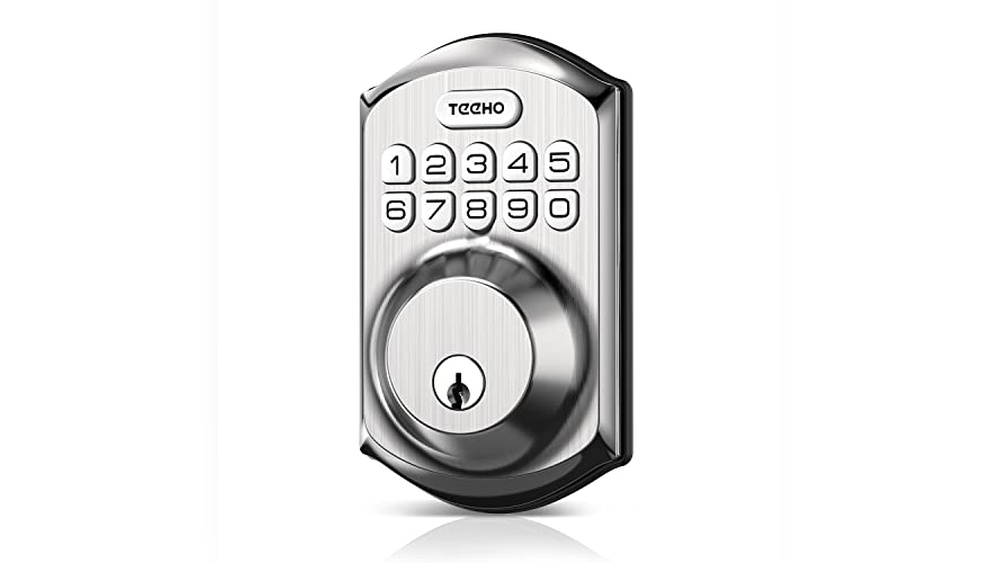
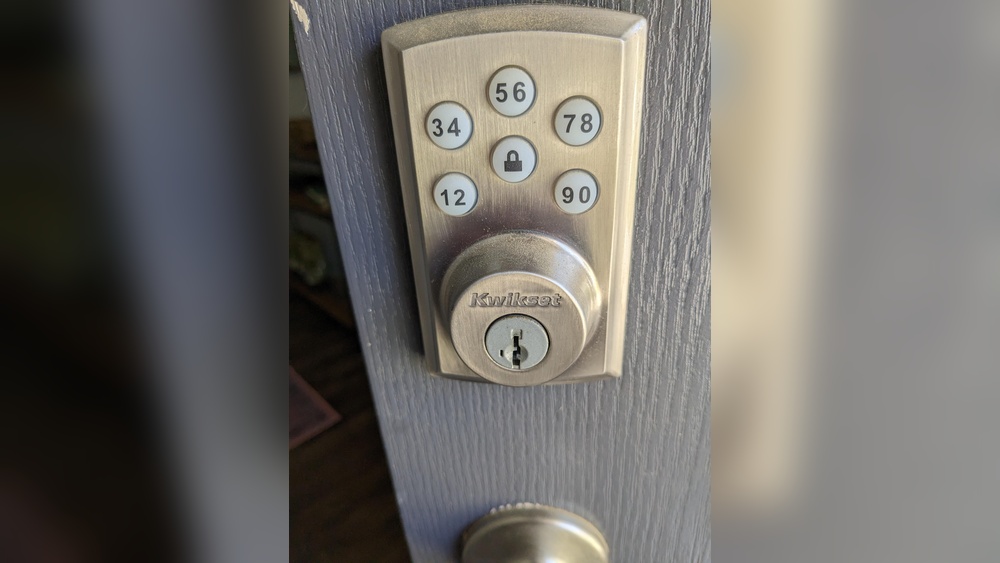
Deadbolt locks come in different styles. The most common are single-cylinder and double-cylinder deadbolts. Single-cylinder deadbolts use a key on the outside and a thumb turn inside. Double-cylinder deadbolts need a key on both sides. Some deadbolts have a keypad or smart lock features. Identify your deadbolt style by looking at the door’s exterior and interior parts.
Checking Lock Mechanism
Next, check the lock mechanism. Look at the screws holding the lock on the door. Some deadbolts have visible screws on the faceplate or inside the door. Others have hidden screws covered by a decorative plate. Test the thumb turn or knob on the inside to see if it moves freely. Understanding the mechanism helps decide which tools you need and the best method for removal.
Removing The Deadbolt From The Inside
Removing a deadbolt lock from the inside is often simpler than trying to open it without a key. This method works best if you have access to the door’s interior side. Start by examining the lock closely to find the parts holding it in place. Carefully taking it apart can let you remove the deadbolt without causing damage. This process requires only a few tools and some patience.
Locating Screws And Fasteners
First, find the screws that attach the deadbolt to the door. These screws are usually on the inside plate of the lock. Check around the knob or thumb turn area. Sometimes, screws hide under small covers or decorative plates. Use a flat tool to gently lift these covers if needed. Identifying all screws helps to remove the lock smoothly.
Using Screwdrivers And Pliers
Grab a screwdriver that fits the screws well. Turn the screws counterclockwise to loosen them. Keep the screws safe for later use or disposal. If any screws are tight, use pliers for extra grip. Pliers also help to pull out any stuck parts carefully. Work slowly to avoid stripping the screws or damaging the door.
Techniques For Removing Deadbolt Without Screws
Removing a deadbolt lock without screws can seem tough. Many deadbolts hide screws or use special fasteners. This section covers simple ways to remove the lock without needing to find or undo screws. These techniques use basic tools and careful steps.
Using A Credit Card Or Shim
Try slipping a credit card or shim between the door and the frame. Aim for the gap near the latch. Push the card in and wiggle it. The goal is to push the latch back into the door. This can free the bolt so the door opens.
Use a flexible card, not a hard one. Thin plastic works best. Be patient and gentle to avoid damage. This method works better on spring-loaded deadbolts. It may not work on heavy-duty locks.
Applying Drilling Method Safely
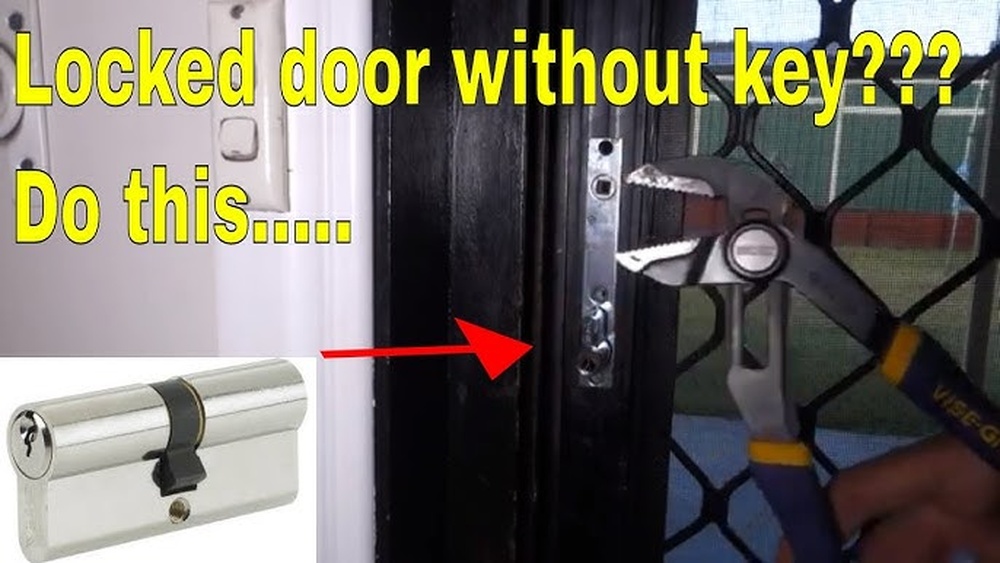
Drilling is a last option if other methods fail. Use a drill with a small bit first. Drill directly into the lock cylinder. The idea is to break the pins inside the lock. Once broken, the deadbolt can turn and open.
Wear safety glasses to protect your eyes. Drill slowly and keep control. Too much force can damage the door or lock frame. Stop drilling if you feel resistance. This method needs care and patience.
Bypassing The Lock Cylinder
Bypassing the lock cylinder is a key step to remove a deadbolt without a key. The cylinder holds the pins that keep the lock secure. If you can move these pins, you can open the lock.
This method requires some tools and patience. It works on many standard locks. Learning basic lock picking skills can help in an emergency.
Using A Lock Pick Set
A lock pick set usually includes a tension wrench and various picks. The tension wrench applies slight pressure inside the lock. This pressure holds pins in place as you work on them.
Insert the wrench into the bottom of the keyhole. Turn it gently in the direction the key would turn. Next, use a pick to lift the pins one by one. Feel for the pins that are stuck and lift them carefully.
Raking And Single Pin Picking
Raking is a faster way to move the pins. Use a rake pick to slide in and out of the lock quickly. This action pushes many pins up at once. It can sometimes open the lock faster than single pin picking.
Single pin picking is slower but more precise. Lift each pin until it clicks into place. This method works best on high-quality locks. Combining both methods increases your chances of success.
Drilling Out The Lock
Drilling out a deadbolt lock is a common method when no key is available. It can be quick and effective, but requires the right tools and care. This method destroys the lock cylinder, allowing you to remove the deadbolt and replace it.
Understanding the drilling process helps avoid damage to the door. It also improves safety during the task. Follow these steps carefully for best results.
Choosing The Right Drill Bit
Select a drill bit made for metal, usually high-speed steel or cobalt. The size matters. Start with a small bit, like 1/8 inch, to create a pilot hole. Then use a larger bit, about 1/2 inch, to drill out the lock cylinder. Avoid bits that are too large from the start. They can cause more damage and make the job harder.
Step-by-step Drilling Process
First, remove the screws from the lock’s faceplate. Place the drill bit in the center of the keyhole. Drill slowly and steadily. Keep the drill straight to avoid damaging the door. Drill through the lock cylinder until it breaks apart. Test the lock with a screwdriver; it should turn easily. Remove any remaining pieces and take off the deadbolt.
Safety Precautions
Wear safety glasses to protect your eyes from metal shards. Use gloves to avoid cuts from sharp edges. Keep the drill steady to prevent slips. Work in a well-lit area for better control. Never rush the process; it increases risk of injury or damage. If unsure, consider calling a locksmith for help.
Removing The Lock Faceplate
Removing the lock faceplate is the first step in taking out a deadbolt lock without a key. This metal plate covers the lock mechanism and holds it in place. Removing it allows access to the inner parts of the lock. Use the right tools and gentle force to avoid damage. Patience is key.
Prying Techniques
Start by sliding a flathead screwdriver or a thin pry bar under the edge of the faceplate. Work slowly to lift the plate without bending it. Move the tool around the edges to loosen the faceplate evenly. Small, careful movements help avoid breaking the plate. Use steady pressure until the faceplate pops off.
Dealing With Stuck Components
Rust or paint may cause the faceplate to stick. Spray a small amount of lubricant on the edges. Let it sit for a few minutes to loosen the metal. Tap gently with a hammer to break the seal. Use the pry tool again, applying steady pressure. Repeat as needed until the faceplate comes free.
Replacing Or Reinstalling The Lock
Removing a deadbolt lock without a key often leads to replacing or reinstalling the lock. This step restores security and ensures the door functions properly. Choosing the right lock and installing it correctly are important.
Selecting A New Deadbolt
Pick a lock that fits your door and meets your security needs. Look for solid materials like brass or steel. Choose between single-cylinder or double-cylinder types. Single-cylinder locks use a key outside and a thumb turn inside. Double-cylinder locks need a key on both sides. Consider ease of use and safety for your home.
Proper Installation Tips
Start by aligning the new lock with the existing holes. Use a screwdriver to secure screws tightly. Avoid over-tightening to prevent damage. Test the lock before finishing the installation. Make sure the deadbolt extends fully into the door frame. Check that the lock turns smoothly. Proper installation keeps your door secure and easy to use.
Preventing Future Lockouts
Getting locked out is frustrating and wastes time. Preventing future lockouts saves hassle and stress. Simple steps help avoid these problems. Planning ahead keeps your home safe and accessible. Here are easy ways to stop lockouts from happening again.
Spare Key Management
Keep spare keys in safe places outside your home. Give copies to trusted friends or family members. Avoid hiding keys in obvious spots like under mats. Use secure lockboxes for extra protection. Label keys clearly to avoid confusion. Regularly check that spare keys work properly. This simple habit can save you from lockout troubles.
Smart Lock Alternatives
Consider installing smart locks for easier access. These locks open with codes or smartphone apps. No need to carry physical keys all the time. You can share temporary access with visitors remotely. Smart locks often have backup options like keypad codes. Choose models with good security features. They offer a convenient way to avoid losing keys.

Credit: fast.parkavenuelocks.com

Credit: diy.stackexchange.com
Frequently Asked Questions
How Can I Remove A Deadbolt Without A Key?
You can remove a deadbolt by unscrewing the interior plate. Use a screwdriver to remove screws. Then, pull the lock apart carefully.
What Tools Do I Need To Remove A Deadbolt?
You need a screwdriver, drill, and possibly a tension wrench. These tools help loosen screws and manipulate the lock mechanism.
Is It Possible To Remove A Deadbolt Without Damage?
Yes, if you unscrew the lock carefully, no damage occurs. Avoid using excessive force to prevent door or lock harm.
Can I Remove A Deadbolt If The Screws Are Hidden?
Yes, remove the door handle or trim to access hidden screws. This reveals the deadbolt mounting screws for removal.
Conclusion
Removing a deadbolt lock without a key can seem tough. You now know simple steps to do it safely. Always stay calm and use the right tools. Avoid damaging your door or lock. Taking your time helps you avoid mistakes.
If unsure, ask a professional for help. These tips save time and stress during lock problems. Practice patience and care for the best results. You can handle this task with confidence now.