Have you ever faced the frustration of trying to remove a deadbolt faceplate, only to find there are no visible screws? It can feel like a puzzle with no clear solution.
But don’t worry—there’s a simple way to get it off without damaging your door or lock. You’ll discover easy, step-by-step methods to remove a deadbolt faceplate without screws. By the end, you’ll have the confidence to handle this tricky task quickly and safely.
Keep reading—you’re just moments away from solving this common home repair challenge.

Credit: diy.stackexchange.com
Tools You Might Need
Removing a deadbolt faceplate without screws can be tricky. Having the right tools helps make the task easier. Some tools are common and found at home. Others are special and designed for tight spots. Knowing which tools to use saves time and effort.
Common Household Tools
A flathead screwdriver works well for prying faceplates gently. A butter knife or a thin metal card can slide under the plate. Needle-nose pliers help pull or wiggle the faceplate loose. A putty knife also fits under the edges to lift the plate carefully. These tools cause minimal damage to the door surface.
Specialty Tools For Stuck Faceplates
A trim removal tool is perfect for faceplates that stick firmly. It has a thin, curved edge to slide under without scratching. A small pry bar offers more leverage for stubborn plates. Sometimes, a heat gun softens paint or glue holding the plate. These tools work best when common tools fail to remove the faceplate.
Credit: www.youtube.com
Identifying The Faceplate Type
Removing a deadbolt faceplate without screws starts with knowing the type you have. Faceplates come in different designs. Some hide their screws well. Others use clips or special locks. Recognizing these types helps avoid damage during removal.
This section explains common faceplate types without visible screws. It also covers hidden screw mechanisms. Understanding these will make your job easier and safer.
Types Without Visible Screws
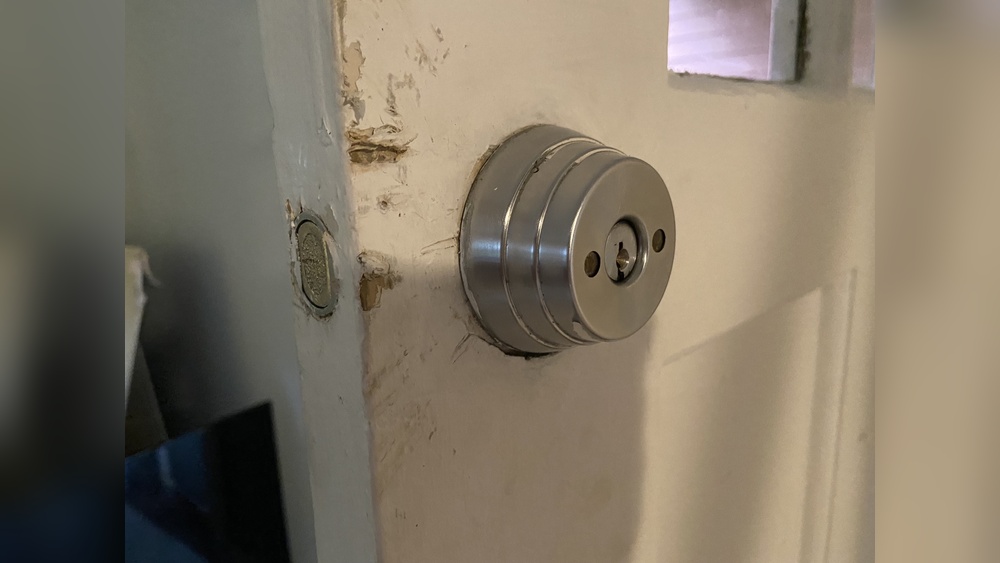
Some deadbolt faceplates do not show screws on the surface. These often snap or slide into place. You might see a smooth front with no holes. The faceplate stays firm but can be gently pried off. Use a thin tool to lift the edges carefully. This type relies on clips or pressure fits to hold it.
Look for small gaps around the faceplate edges. These gaps hint the faceplate can pop off. Apply light force near the gap. Avoid bending or breaking the metal or wood around it.
Hidden Screw Mechanisms
Other faceplates have screws hidden beneath covers or trim pieces. These covers snap on or slide over the faceplate. Removing the cover reveals the screws. Use a flat tool to pry off the cover gently. Sometimes, the cover twists or slides sideways.
Once the screws show, use a screwdriver to remove them. Hidden screws keep the faceplate secure and give a clean look. Check the sides and top of the faceplate for these covers. They are often thin and match the faceplate color.
Using A Flathead Screwdriver
Removing a deadbolt faceplate without screws can seem tricky. A flathead screwdriver can help you carefully pry it off. This tool fits into small gaps and gently lifts the faceplate away from the door. Use steady pressure to avoid slipping or damaging the surface.
Prying Techniques
Slide the flathead screwdriver into the narrow space between the faceplate and door. Twist the screwdriver slowly to create a gap. Work around the edges, moving the tool little by little. Avoid forcing the faceplate, as it might break or bend. Use a gentle rocking motion to ease the faceplate loose. Patience is key to remove it safely.
Avoiding Damage To The Door
Protect the door by placing a cloth or tape under the screwdriver. This prevents scratches or dents during prying. Use light pressure and take breaks to check progress. Keep the screwdriver steady to avoid slipping. If the faceplate resists, try a different angle. Gentle handling keeps your door looking good after removal.
Leveraging A Putty Knife
Removing a deadbolt faceplate without screws can be tricky. A putty knife offers a simple, effective solution. This tool helps pry the faceplate gently without damage. It fits into narrow spaces, making it perfect for tight spots around the door frame.
Inserting And Lifting The Faceplate
Start by sliding the putty knife under the edge of the faceplate. Use a slow, steady motion to lift it slightly. Work the knife back and forth to loosen the faceplate. Be careful not to force it, or you may damage the door.
Once the putty knife is under the edge, gently pry the faceplate away from the door. Small movements help avoid breaking the plate. Continue until the faceplate pops free from the door frame.
Handling Tight Fits
Some faceplates fit very tightly. Use a thin, flexible putty knife for better access. Try tapping the handle gently with a small hammer for extra leverage. Move the knife around the edge to ease the fit.
If the plate resists, apply a bit of lubricant around the edges. This helps the putty knife slide in smoothly. Take your time. Patience prevents damage and makes the job easier.
Applying Lubricants For Easier Removal
Removing a deadbolt faceplate without screws can be tough. The faceplate might be stuck tight due to dirt, rust, or old paint. Applying lubricants helps loosen it up. This makes the removal easier and protects the lock parts from damage.
Choosing The Right Lubricant
Pick a lubricant designed for metal parts. Graphite powder is great for locks. It won’t attract dirt or dust. Silicone spray works well too. Avoid thick oils that can gum up the lock. A light lubricant helps the faceplate slide off smoothly.
Safe Application Methods
Apply the lubricant carefully. Use a small brush or a cotton swab. Focus on the edges and seams of the faceplate. Let the lubricant sit for a few minutes. This lets it soak into tight spaces. Wipe off extra lubricant to avoid mess. This protects the door surface and nearby areas.

Credit: www.reddit.com
Tapping And Gentle Force Methods
Tapping and gentle force methods help remove a deadbolt faceplate without screws. These methods work by loosening the faceplate through controlled pressure. They avoid damage to the door or lock. Using light taps and careful force can free stuck parts safely.
Using A Rubber Mallet
A rubber mallet is perfect for gentle tapping. It delivers soft but firm hits that loosen the faceplate. Hold the mallet and tap near the edges of the faceplate. Avoid hitting the center directly to prevent damage. Tap lightly at first, then increase force if needed. The rubber head cushions the impact, protecting the door surface.
When To Apply Gentle Taps
Apply gentle taps if the faceplate feels stuck or tight. Start with soft taps to test if it moves. Stop tapping if you hear cracking or see damage. Gentle taps work best after you try to wiggle the faceplate by hand. Use this method to break loose any paint, dirt, or glue holding it. Always tap around the edges, not the middle.
Checking For Hidden Clips Or Tabs
Removing a deadbolt faceplate without screws can seem tricky. Many faceplates use hidden clips or tabs instead of visible screws. These small parts hold the faceplate firmly in place. Knowing where to find and how to release them helps in removal.
Locating Clips
Start by examining the edges of the faceplate. Look closely for tiny gaps or slight bends. These often indicate hidden clips or tabs. Use a flashlight to see better in dark areas. Some clips sit under the faceplate’s rim. Others hide behind small plastic covers. Gently feel around the faceplate’s sides for any unusual bumps or catches.
Releasing The Faceplate
Once you locate the clips, use a flat tool like a plastic pry tool. Insert it carefully between the faceplate and door surface. Push gently to release the clips without breaking them. Work slowly around the faceplate’s edge. Apply light pressure until the faceplate loosens. Avoid forcing it to prevent damage. After the clips release, pull the faceplate away from the door. Keep clips safe for reinstallation later.
Precautions To Prevent Door Damage
Removing a deadbolt faceplate without screws requires care. Taking precautions helps avoid damage to your door. Protecting the door finish and structure keeps your door strong and good-looking. Follow simple steps to keep your door safe while working on it.
Protecting Door Finish
Start by covering the area around the faceplate. Use painter’s tape or soft cloth to shield the door’s surface. This prevents scratches and marks during removal. Avoid using metal tools directly on the door finish. Work slowly to keep the paint or wood intact.
Avoiding Structural Damage
Check the door material before you begin. Use gentle pressure to pry the faceplate off. Avoid forcing or bending the door frame. Keep tools small and controlled to prevent cracks or breaks. Take breaks to assess your progress and reduce risks.
When To Call A Locksmith
Removing a deadbolt faceplate without screws can be tricky. Sometimes, it is best to call a locksmith. They have the right tools and skills to handle tough situations safely. Knowing when to seek professional help saves time and prevents damage to your door or lock.
Signs Of Complex Installations
Some deadbolt faceplates have hidden fasteners or special clips. These parts are hard to see or remove without experience. If the faceplate feels stuck or unusual, it may be a complex setup. Strange shapes or extra parts can also signal difficulty. A locksmith can identify these issues quickly. Trying to force it can break the lock or door.
Safety Considerations
Locks protect your home. Damaging them can reduce security. Removing a faceplate without proper knowledge risks injury. Sharp edges or broken parts may cause cuts. Also, wrong moves can jam the lock. A locksmith knows how to avoid these problems. They work carefully to keep your lock intact and your home safe.
Frequently Asked Questions
How To Remove A Deadbolt Faceplate Without Visible Screws?
Use a flathead screwdriver or putty knife to gently pry the faceplate edges. Slide the tool under the plate and lift carefully to avoid damage. This method works when screws are hidden or the plate snaps into place.
Can A Deadbolt Faceplate Be Removed Without Tools?
In some cases, yes. You can try sliding a thin card or plastic tool under the faceplate. Gently wiggle and lift it off. However, having basic tools like a screwdriver makes the process easier and safer.
Why Are There No Screws On My Deadbolt Faceplate?
Some deadbolt models use snap-on or adhesive faceplates for a clean look. These faceplates are designed to be removed by prying or sliding rather than unscrewing. Check your lock’s manual for specific removal instructions.
What Precautions To Take When Removing Deadbolt Faceplate?
Work slowly to avoid scratching the door or damaging the lock. Use non-metal tools like plastic prying tools if possible. Protect the door surface with painter’s tape around the faceplate before prying.
Conclusion
Removing a deadbolt faceplate without screws is doable with care and patience. Use gentle tools to pry and lift the plate slowly. Avoid force to prevent damage to the door or lock. Small steps work best to keep everything intact.
Now you can try this method safely on your own. Taking your time helps you avoid mistakes. This simple approach saves money and effort in repairs. Give it a try, and you might find it easier than expected.