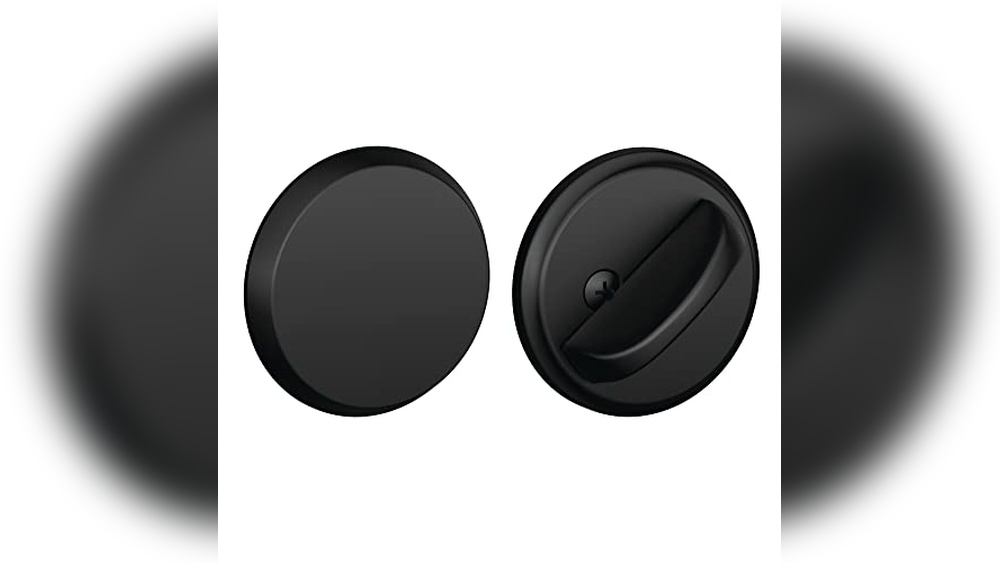
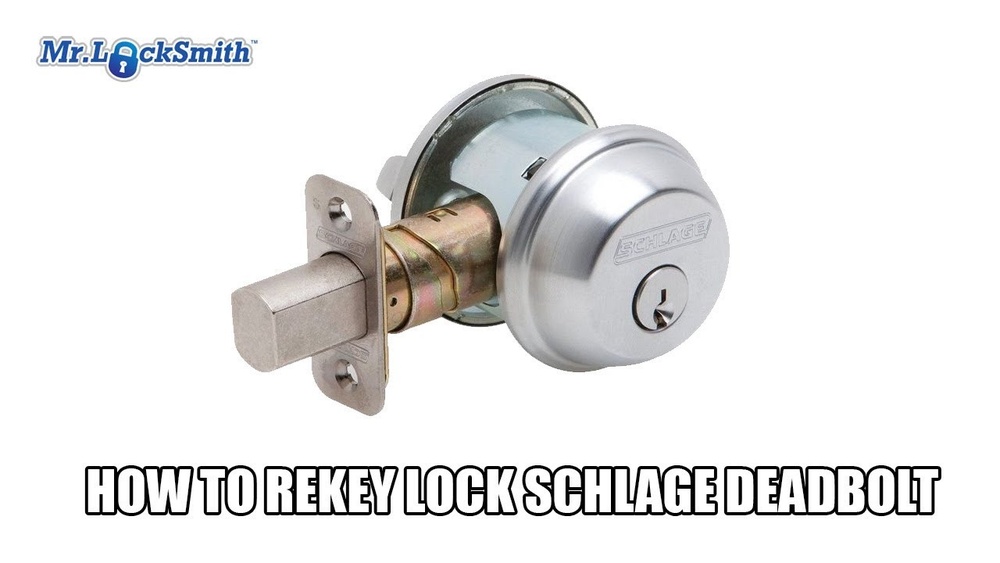
Are you staring at a deadbolt with no visible hole and wondering how to remove it? It can feel frustrating when the usual tricks don’t work, and you’re stuck trying to figure out the next step.
But don’t worry—this guide will walk you through simple, effective methods to get that deadbolt off quickly and safely. By the end, you’ll have the confidence to handle the job yourself, saving time and avoiding costly repairs. Keep reading, and let’s tackle this challenge together.

Credit: www.reddit.com
Tools Needed
Removing a deadbolt without a hole needs the right tools. These tools help you work safely and efficiently. Using the correct tools can make the job easier and faster.
Essential Hand Tools
You need a screwdriver set with flathead and Phillips tips. A pair of needle-nose pliers helps grab small parts. A small hammer can tap parts gently. A pry bar or putty knife works to lift edges. These basic tools fit most deadbolt models.
Power Tools Option
Power tools speed up the removal process. A cordless drill with screwdriver bits saves time. An oscillating multi-tool cuts through stubborn parts. A rotary tool with a cutting wheel can remove metal pieces. Use power tools carefully to avoid damage.
Safety Gear
Wear safety glasses to protect your eyes from debris. Use gloves to avoid cuts and scrapes. Hearing protection is important when using power tools. Work in a well-lit area to see clearly. Safety gear keeps you safe during the task.

Credit: diy.stackexchange.com
Assessing The Deadbolt
Before removing a deadbolt with no hole, start by assessing the lock. This step helps you understand what type of deadbolt you have. It also shows how to remove it safely without damage.
Careful assessment saves time and avoids frustration during removal. Take a close look at the deadbolt and its parts. This process prepares you for the next steps.
Identify The Deadbolt Type
Look closely at the deadbolt shape and design. Most deadbolts fall into two categories: single cylinder or double cylinder. Single cylinder deadbolts have a keyhole on one side and a thumb turn on the other. Double cylinder deadbolts have keyholes on both sides. Knowing the type helps find the right removal method.
Check For Visible Screws Or Plates
Examine the lock for screws or metal plates on the face or edges. Some deadbolts hide screws under decorative covers or plates. Use a flat tool to gently pry off any covers. If screws are visible, unscrew them carefully. This step might make removal easier.
Determine Removal Difficulty
Think about how the deadbolt is fixed to the door. Some locks are simple and easy to remove. Others might be deeply embedded or glued in place. Check if special tools are needed. This helps decide if you can remove it yourself or need expert help.
Removing Without A Hole
Removing a deadbolt without a hole can seem tricky. Most deadbolts have a small hole for easy removal. Without this, the process needs more care and simple tools. This guide explains easy ways to remove a deadbolt without a hole. Each method uses common items you might already have.
Using A Flathead Screwdriver
Start by finding a flathead screwdriver with a thin blade. Slide the blade between the deadbolt and the door frame. Push gently to pry the deadbolt latch out. Work slowly to avoid damage. Move the screwdriver around to loosen the latch. Once loose, pull the deadbolt away from the door.
Leveraging A Credit Card
Take a flexible plastic card, like an old credit card. Insert the card between the door and the deadbolt latch. Slide the card back and forth while pushing the latch. The card will help push the latch inside the door. This method works best on spring-loaded deadbolts. Keep trying until the latch moves enough to open.
Applying Lubricant For Looseness
Use a spray lubricant on the deadbolt parts. Focus on the latch and the area around it. Let the lubricant sit for a few minutes. This will make the metal parts slippery and easier to move. After applying, try the screwdriver or credit card method again. Lubricant can help loosen stuck or rusty deadbolts.
Alternative Methods
Removing a deadbolt without a hole can be tricky. Some traditional methods don’t work well. Alternative methods can help you get the job done. These ways require tools and care. Choose the method that fits your skill and tools.
Drilling Out The Lock
Drilling is a common way to remove a deadbolt fast. Use a power drill with a metal bit. Drill directly into the lock cylinder. This breaks the lock’s internal parts. Wear safety glasses to protect your eyes. Drill slowly to avoid damage to the door.
Using A Locksmith Pick Set
A pick set lets you open the lock without a key. Choose the right pick for the deadbolt type. Insert the pick and apply gentle pressure. Use a tension wrench to turn the lock. This method takes patience and practice. It works best on simpler locks.
Cutting The Deadbolt With A Saw
A saw can cut through the deadbolt bolt itself. Use a hacksaw or an oscillating multi-tool. Cut carefully to avoid scratching the door. This method removes the bolt from the door frame. It works well if other methods fail. Always wear gloves and eye protection.
Preventing Door Damage
Removing a deadbolt without a hole can be tricky. The door can get scratched or damaged easily. Taking steps to protect the door helps keep it looking good. Careful work avoids costly repairs later. This section covers ways to prevent damage during removal.
Protecting The Door Surface
Cover the door surface with painter’s tape before starting. Tape stops scratches from tools or metal parts. Use a soft cloth or cardboard under tools. This adds extra protection against dents or marks. Small measures help keep the door smooth and clean.
Working Carefully Around Edges
Edges are easy to chip or crack. Use gentle pressure when prying or unscrewing near edges. Avoid forcing tools into tight spaces. Slow and steady movements reduce risk of damage. Keep tools sharp and clean to make work easier.
Clean-up Tips Post Removal
Remove tape and wipe dust with a damp cloth. Check for leftover glue or dirt spots. Use mild soap and water for stubborn marks. Dry the door completely to prevent water damage. A clean surface prepares the door for new hardware.
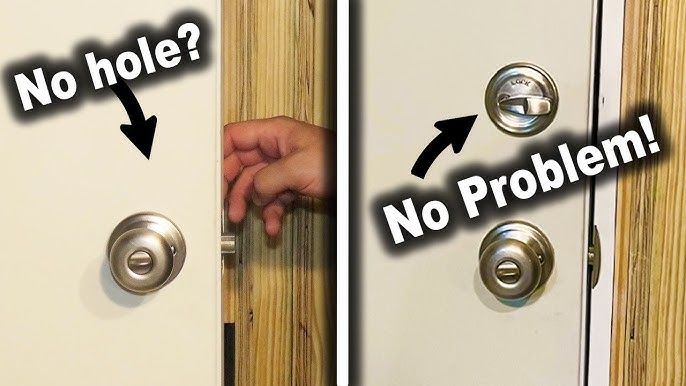
Credit: www.youtube.com
Installing A New Deadbolt
Installing a new deadbolt is the best way to secure your door after removing the old one. A proper installation ensures safety and smooth operation. It is important to select the right deadbolt and prepare the door correctly. Follow clear steps to install the deadbolt so it fits well and works reliably.
Choosing The Right Replacement
Select a deadbolt that fits your door thickness. Standard doors usually need a 1 3/4 inch deadbolt. Check the backset measurement, the distance from the door edge to the hole center. Choose between single cylinder or double cylinder deadbolts. Single cylinder uses a key outside and a thumb turn inside. Double cylinder needs a key on both sides for extra security. Pick a finish that matches your door hardware.
Preparing The Door
Clean the door surface and remove old screws or debris. Check the door edge for any damage or unevenness. Use a chisel to smooth the area where the latch will sit. Measure carefully to mark where the new deadbolt will go. Drill holes if needed, following the deadbolt instructions. Ensure holes are straight and the right size. Test fit the parts before final installation.
Proper Installation Steps
Start by inserting the latch into the door edge. Secure it with screws provided. Attach the exterior part of the deadbolt with the keyhole first. Align the interior thumb turn with the exterior piece. Connect the two parts through the door holes. Tighten screws evenly to avoid misalignment. Test the deadbolt by turning the key and thumb turn. Adjust if it sticks or does not lock smoothly. Finish by installing the strike plate on the door frame. Secure it with screws and check that the bolt fits perfectly into the frame.
Frequently Asked Questions
How Do You Remove A Deadbolt Without A Hole?
To remove a deadbolt without a hole, use a flathead screwdriver to pry off the faceplate. Then, unscrew the mounting screws and pull the lock apart carefully.
What Tools Are Needed To Remove A Deadbolt With No Hole?
You need a flathead screwdriver, Phillips screwdriver, and possibly pliers. These tools help remove faceplates and screws for deadbolts without access holes.
Can I Remove A Deadbolt Without Damaging The Door?
Yes, by carefully prying the faceplate and unscrewing the lock components, you can avoid door damage. Take your time and work gently.
How To Unlock A Deadbolt If No Key Or Hole Exists?
Try using a credit card or shim to slide between the door and frame. If unsuccessful, removing the deadbolt might require drilling or professional help.
Conclusion
Removing a deadbolt with no hole can seem tough. Use the right tools and follow clear steps. Take your time and work carefully to avoid damage. Safety matters—wear gloves and protect your fingers. Practice patience; rushing may cause mistakes. With some effort, you can remove the deadbolt successfully.
Now, you can replace or repair your lock with ease. Simple tips like these make the job doable for anyone. Keep this guide handy for your next lock project.