Have you ever found yourself stuck, staring at the back of a deadbolt lock that just won’t work? It’s frustrating, right?
You want to feel safe and secure, but a faulty lock can leave you worried and helpless. The good news is, you don’t need to call a locksmith immediately. With a few simple steps, you can troubleshoot the back of your deadbolt lock and often fix the problem yourself.
Keep reading, and you’ll learn easy ways to get your lock working smoothly again—saving you time, money, and stress.
Credit: goclad.com
Common Deadbolt Issues
Deadbolt locks can face several common problems that stop them from working right. These issues often cause frustration and can make your door less secure. Knowing the usual problems helps you fix them faster and keep your lock strong.
Lock Won’t Turn
A deadbolt that won’t turn is a frequent problem. Dirt, rust, or lack of lubrication can cause it. Sometimes the key or lock cylinder is damaged. Check for dirt inside the keyhole and clean it gently. Use a graphite lubricant to ease the turning. Avoid oil-based lubricants as they attract dust.
Key Stuck In Lock
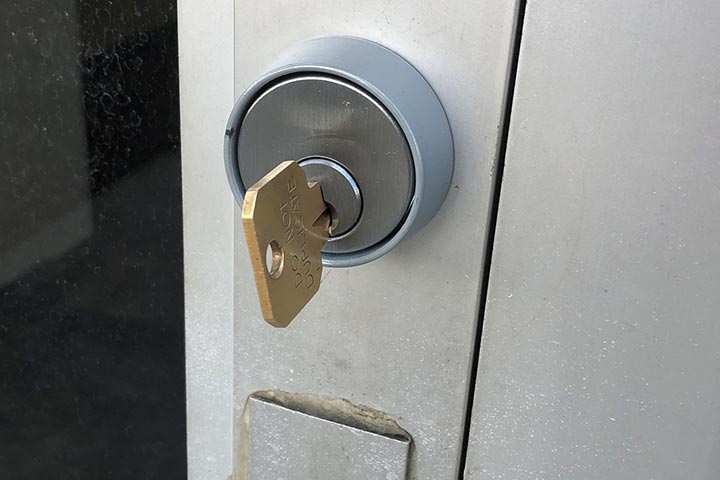
Keys stuck in deadbolts happen often. It could be a bent key or worn lock pins. Try wiggling the key gently while pulling it out. Do not force the key, as it may break inside. If stuck firmly, use a lubricant to loosen the lock mechanism. Call a locksmith if the key won’t come out safely.
Deadbolt Misalignment
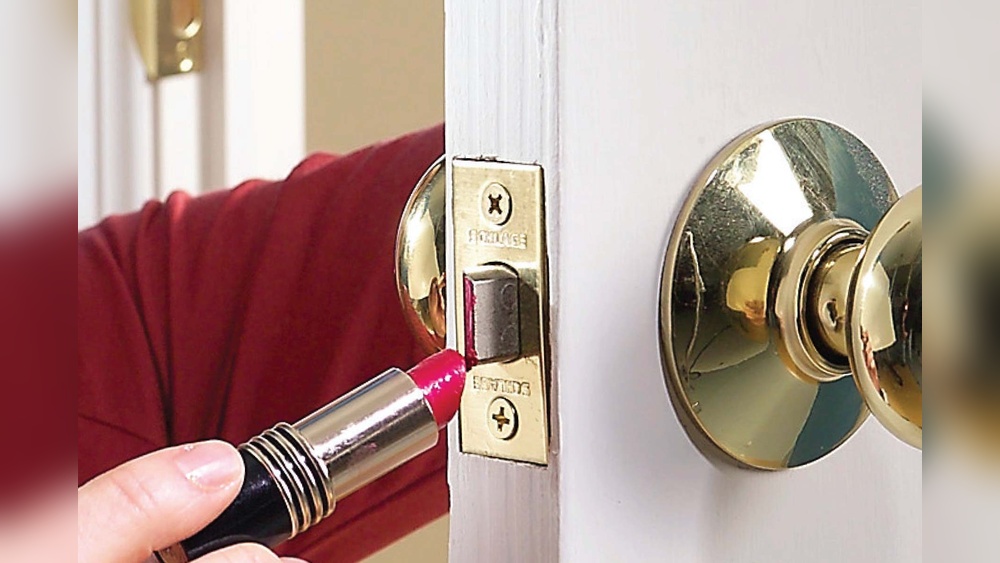
Misalignment makes the deadbolt hard to slide into the door frame. This happens when the door or frame shifts over time. Check if the strike plate lines up with the bolt. Adjust the strike plate by loosening screws and moving it slightly. Tighten screws after adjusting. Sometimes sanding the door edge helps the bolt fit better.
Loose Or Wobbly Deadbolt
A loose deadbolt feels shaky or moves when touched. This problem often comes from loose screws. Tighten the screws on the lock and strike plate. If screws won’t hold, use longer screws for better grip. A loose deadbolt can reduce your door’s security, so fix it quickly.

Credit: www.aspire-doors.co.uk
Tools Needed For Troubleshooting
Troubleshooting the back of a deadbolt lock requires a few essential tools. Having the right tools helps you work efficiently and safely. These tools allow you to open, clean, and fix the lock properly. Below are the main tools you need for a smooth troubleshooting process.
Basic Hand Tools
Start with basic hand tools like screwdrivers and pliers. A Phillips and flathead screwdriver are often needed to remove screws. Needle-nose pliers help in gripping small parts inside the lock. A small flashlight can also be useful to see inside tight spaces. These tools make disassembly and reassembly easier.
Lubricants And Cleaners
Use lubricants to keep the lock moving smoothly. Graphite powder or silicone spray are good options. Avoid oil-based lubricants, as they attract dirt. Cleaners help remove dust and grime inside the lock. A can of compressed air can blow out debris quickly. These products improve lock function and prevent sticking.
Replacement Parts
Having replacement parts ready saves time during repair. Common parts include springs, screws, and lock cylinders. Check the lock brand to find exact matches. Sometimes, small parts wear out and cause the lock to fail. Keeping spares helps fix problems without delay.
Step-by-step Troubleshooting Guide
Troubleshooting a deadbolt lock can seem tricky. This guide breaks the process down into clear steps. Follow each step carefully to find and fix the problem. No special tools are needed for most checks. Let’s start with the basics of the lock mechanism.
Inspect The Lock Mechanism
Look closely at the deadbolt’s parts. Check for visible damage or broken pieces. Make sure the bolt moves freely when turned. Look inside the lock for dirt or rust. These can stop the lock from working smoothly.
Test The Key And Cylinder
Insert the key and turn it slowly. See if the key turns easily or gets stuck. Try another key if you have one. Sometimes a worn key or cylinder causes trouble. The cylinder should rotate without force.
Check Deadbolt Alignment
Close the door slowly and watch the deadbolt. It should line up with the strike plate. If it doesn’t, the bolt may get stuck. Adjust the strike plate or door hinges to fix alignment. Proper fit is essential for smooth locking.
Tighten Loose Components
Use a screwdriver to tighten screws on the lock. Loose parts can cause the deadbolt to fail. Check both sides of the door. Make sure the lock and strike plate are secure. Tight components improve lock function.
Clean And Lubricate The Lock
Remove dirt using a soft brush or cloth. Avoid harsh chemicals that damage metal. Use graphite powder or silicone spray for lubrication. Apply a small amount inside the keyhole and bolt. This reduces friction and helps the lock work well.

Credit: diy.stackexchange.com
When To Replace The Deadbolt
Knowing when to replace a deadbolt lock is important for home safety. A lock that works poorly or shows damage can leave your home open to risk. Regular checks help find problems early.
Replacing a deadbolt is not just about fixing a broken lock. It can also mean improving your home’s security. Choosing the right time to change the lock saves time and money in the long run.
Signs Of Wear And Damage
Look for rust or cracks on the lock. If the key does not turn smoothly, the lock may be worn out. A loose or broken deadbolt is a clear sign to replace it. Old locks may also jam often or fail to lock properly.
Upgrading For Security
Older locks may not protect well against break-ins. Upgrading to a newer model can increase safety. Modern deadbolts offer better strength and pick-resistance. It is smart to replace locks after moving into a new home or after a break-in.
Choosing The Right Replacement
Pick a deadbolt that fits your door and needs. Look for locks with high security ratings. Choose a lock made from strong materials like steel or brass. Make sure installation is easy or hire a professional for help.
Preventive Maintenance Tips
Preventive maintenance keeps deadbolt locks working smoothly. Small habits protect the lock’s internal parts. This avoids many common problems with the back of the deadbolt. Follow easy steps regularly for better lock performance and longer life.
Regular Cleaning Schedule
Dirt and dust can build up inside the lock. Clean the deadbolt every few months. Use a soft cloth and a small brush to remove grime. Avoid harsh chemicals that can damage the lock parts. Cleaning stops dirt from causing the lock to jam.
Proper Lubrication Techniques
Lubrication reduces friction between moving parts. Use a graphite-based or silicone spray lubricant. Apply a small amount inside the lock cylinder and the bolt mechanism. Avoid oil-based lubricants that attract dust and dirt. Lubricate the lock twice a year for smooth action.
Avoiding Common Mistakes
Don’t force the key if the lock sticks. Forcing can break internal parts. Avoid using too much lubricant, which can cause build-up. Never ignore early signs of trouble, like sticking or slow movement. Prompt care prevents bigger, costly repairs later.
Frequently Asked Questions
How To Identify Issues With The Back Of A Deadbolt Lock?
Check for loose screws, misaligned parts, or broken components. Inspect the latch and bolt for smooth movement. Look for signs of wear or damage that could hinder operation.
Why Is My Deadbolt Back Not Turning Smoothly?
It may need lubrication or have internal corrosion. Dirt buildup or misalignment can also cause stiffness. Applying graphite or silicone spray can improve its function.
Can A Misaligned Deadbolt Back Cause Lock Failure?
Yes, misalignment prevents the bolt from sliding properly. Ensure the strike plate and bolt line up correctly. Adjusting these parts can restore smooth locking action.
How To Fix A Stuck Deadbolt Back Mechanism?
Try lubricating the lock and gently moving the bolt. Tighten loose screws and realign the lock components. If problems persist, consider professional repair or replacement.
Conclusion
Troubleshooting a deadbolt lock’s back requires patience and careful steps. Check for loose screws or misaligned parts first. Clean and lubricate the lock if it feels stiff. Test the key and thumb turn to spot issues. Replace worn or broken components to restore function.
Small fixes can save you time and money. Keep your lock working well for safety and peace. Regular checks help avoid bigger problems later. Simple care goes a long way in lock maintenance.