Have you ever found yourself locked out with no key in sight? Knowing how to pick a deadbolt with a bobby pin can be a real lifesaver in moments like these.
It might sound tricky, but with a little patience and the right steps, you can unlock your door quickly and safely. You’ll discover simple techniques that anyone can use to get back inside without calling a locksmith. Keep reading—you’ll be surprised how easy it can be to turn a common hair accessory into a handy tool for emergency situations.

Credit: www.wikihow.com
Tools Needed
Picking a deadbolt requires a few simple tools. The right tools make the process easier and less frustrating. This section covers the basic items needed to pick a deadbolt using a bobby pin.
Choosing The Right Bobby Pin
Not all bobby pins work well for lock picking. Choose a sturdy metal bobby pin without plastic covering. The pin should bend easily but hold its shape. Avoid thin or rusty pins. A standard size bobby pin usually works best. Straighten one end to use as the pick. The other end can be bent to create tension.
Additional Helpful Items
A small tension wrench helps apply steady pressure inside the lock. You can make one from a paperclip or small flat piece of metal. A flashlight helps see the lock’s keyhole clearly. Tweezers are useful to handle the bobby pin and tension wrench. A magnifying glass can help inspect the lock pins closely. These simple tools improve accuracy and control during picking.

Credit: www.wikihow.com
Preparing The Bobby Pin
Preparing the bobby pin is the first step in picking a deadbolt lock. A properly shaped bobby pin acts like a basic lock pick. It helps you move the lock’s pins one by one. This preparation will make the process easier and more effective.
Straightening The Pin
Take a regular bobby pin and open it carefully. Use your fingers or a small tool to straighten one side fully. This straightened side will go inside the lock to push the pins. The other side should remain bent slightly to hold the pin securely.
Make sure the straightened side is smooth and free from bends. A clean, straight edge helps you feel the pins inside the lock better. Avoid sharp edges that might damage the lock or break inside.
Creating The Tension Wrench
The tension wrench applies pressure to the lock cylinder. Use the other bobby pin for this tool. Bend it at a 90-degree angle about one-third from the end. The short end will fit inside the lock to turn the cylinder.
Keep the long end flat to hold and twist easily. The tension wrench must be firm but flexible. This balance helps you apply just enough pressure to keep pins in place without breaking the pin.
Locating The Keyhole
Locating the keyhole is the first step in picking a deadbolt with a bobby pin. Knowing exactly where the keyhole sits helps to position the tools properly. This step saves time and effort during the process.
Most deadbolt locks have a visible keyhole on the outside. Sometimes the keyhole is small or covered by a plate. Careful observation helps in spotting the keyhole quickly.
Check The Door’s Exterior
Look closely at the door’s outside surface. The keyhole usually appears as a small, round hole. It is often near the door handle or lock cylinder. Dirt or paint might cover it, so clean the area gently.
Identify The Lock Cylinder
The lock cylinder is the part where the key goes. It is often circular and slightly raised from the door surface. Spotting the cylinder helps to find the keyhole quickly.
Use A Flashlight For Better Visibility
Use a small flashlight to see inside the keyhole. This helps if the keyhole is dark or narrow. Light also reveals the pins inside the lock.

Credit: www.youtube.com
Inserting The Tension Wrench
Inserting the tension wrench is the first key step in picking a deadbolt with a bobby pin. It controls the lock’s cylinder rotation. Without the right tension, the pins inside the lock will not set properly. This step requires patience and a gentle touch. Too much force can damage the lock or the tools. Too little force makes the pins slip back to their original position. Below are two important tips to help you handle the tension wrench correctly.
Applying The Right Pressure
Hold the tension wrench firmly but gently. Insert it into the bottom part of the keyhole. Use light pressure to turn the cylinder slightly. The right pressure feels like a soft push. Too hard, and you risk breaking the wrench or the lock. Too soft, and the pins will not catch. Think of it as turning a stiff doorknob slowly. Practice helps you find the perfect pressure.
Maintaining Consistent Tension
Keep the pressure steady throughout the process. Sudden changes can reset the pins. Hold the wrench in the same position without moving it. Small shifts can ruin your progress. Focus on steady hands and calm breathing. Consistency is key to making the pins set one by one. If the wrench slips, start again carefully. Patience wins the day here.
Picking The Lock Pins
Picking the lock pins is the core step in opening a deadbolt with a bobby pin. The lock contains several small pins inside its cylinder. These pins block the lock from turning unless they are set to the correct height. Understanding how to move each pin carefully is key to picking the lock.
This process requires patience and a gentle touch. Each pin must be raised to the right position. When all pins line up, the lock will turn open. Below, you will find steps to handle the pins one by one and how to notice when they are set correctly.
Manipulating Individual Pins
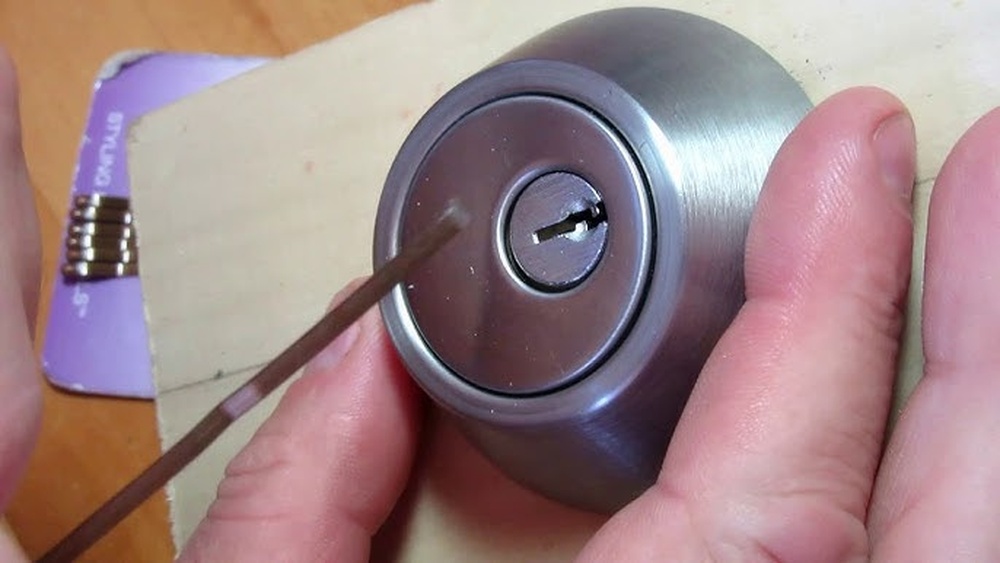
Start by inserting the bobby pin as a pick inside the lock. Use it to lift one pin at a time. Apply gentle pressure. Push the pin upward slowly. Feel for a slight give or click. This means the pin has reached the shear line.
Work on each pin carefully. Do not rush or press too hard. The pins are small and delicate. Moving the wrong pin too far can reset others. Keep your movements smooth and controlled.
Recognizing Pin Set Feedback
Each pin gives feedback when set. You might feel a soft click or a small shift. The tension wrench will also react. It may turn slightly or feel less tight. This tells you the pin is in place.
Pay close attention to these subtle signs. They guide you through the lock’s mechanism. With practice, you will identify the pins that are set and those that need more lifting.
Turning The Deadbolt
Turning the deadbolt is a key step in picking a lock with a bobby pin. It shows whether the lock is ready to open. This action needs care and a gentle touch. Too much force can break your tool or damage the lock.
Understanding how the deadbolt moves helps you know when the lock is loose. The goal is to feel the pins inside the lock align. This makes the bolt turn smoothly. Patience is important here. Each small movement matters.
Preparing The Bobby Pin For Turning
Bend the bobby pin to create a small handle. This gives better control and grip. Use the straight end for turning the deadbolt. Keep the bend tight so it fits inside the lock.
Applying The Right Pressure
Push the bobby pin gently while turning the deadbolt. Use steady pressure, not a hard twist. If it feels stuck, stop and adjust your angle. Too much force can jam the lock.
Feeling The Lock’s Feedback
Listen and feel for clicks or slight movements. These signals mean the pins are set. Move the bobby pin slowly to catch these moments. A small turn shows progress.
Adjusting Your Technique
Change the position of the bobby pin if needed. Try different angles to find the lock’s sweet spot. Patience and small shifts increase your chance of success. Keep calm and steady.
Common Challenges
Picking a deadbolt with a bobby pin is not easy. Many people face common problems during the process. Knowing these challenges helps you prepare better. Understanding the difficulties also improves your chances of success.
Dealing With Stubborn Pins
Sometimes pins inside the lock do not move smoothly. They can get stuck or feel very tight. This makes it hard to turn the lock. You must be patient and gentle. Use small, careful movements to lift each pin. Avoid pushing too hard. This can break the pins or the bobby pin.
Try to find the right angle to lift the pins. If one pin is stubborn, work on the others first. This can reduce tension and free the stuck pin. Practice helps you feel the pins better.
Avoiding Damage To Lock
The lock is delicate. Rough handling can cause damage. Using the wrong tools or too much force can break the lock parts. This makes the lock useless or hard to fix. Always use a smooth and steady hand.
Choose a good quality bobby pin. Bent or weak pins can scratch or break the lock. Keep the pin straight and thin. Avoid forcing it inside the keyhole. Work slowly to keep the lock safe.
Safety And Legal Considerations
Understanding safety and legal rules is important before picking a deadbolt with a bobby pin. Picking locks can cause damage or trouble if done without permission. Knowing the law helps you avoid serious problems. Always respect other people’s property and privacy. Use this skill with care and caution. Safety comes first to protect yourself and others.
When It’s Legal To Pick A Lock
Picking a lock is legal only in certain cases. You must own the lock or have permission from the owner. Emergency situations, like being locked out of your home, may allow it. Some places require proof of ownership. Picking locks without permission is illegal and can lead to fines or jail. Always check local laws before attempting to pick any lock.
Using Skills Responsibly
Use lock-picking skills only for good reasons. Practice on your own locks to avoid trouble. Never pick locks to enter private property. Respect others’ privacy and safety at all times. Keep your tools safe and do not share with others who may misuse them. Being responsible helps you stay safe and legal.
Frequently Asked Questions
How Can I Pick A Deadbolt With A Bobby Pin?
To pick a deadbolt with a bobby pin, straighten one pin as a tension wrench. Use the other pin to lift the lock pins. Apply gentle tension while moving the pins until the lock turns.
Is Picking A Deadbolt With A Bobby Pin Legal?
Picking a deadbolt with a bobby pin is legal only if you own the lock. Unauthorized lock picking is illegal and considered a criminal offense in most places.
What Tools Are Needed Besides A Bobby Pin?
Besides a bobby pin, you need a small tension wrench or a second bobby pin bent to apply tension. These tools help manipulate lock pins effectively for picking.
How Difficult Is It To Pick A Deadbolt With A Bobby Pin?
Picking a deadbolt with a bobby pin is moderately difficult. It requires patience, steady hands, and basic lock-picking knowledge. Practice is essential to succeed.
Conclusion
Picking a deadbolt with a bobby pin takes practice and patience. Start slow and be gentle with the tools. Each lock feels different; learn to listen for clicks. Small movements often work better than force. Safety matters—only pick locks you own or have permission to open.
Keep trying, and don’t get discouraged by mistakes. With time, your skills will improve naturally. Remember, this is a useful skill but not a quick fix. Stay safe and always respect others’ property.