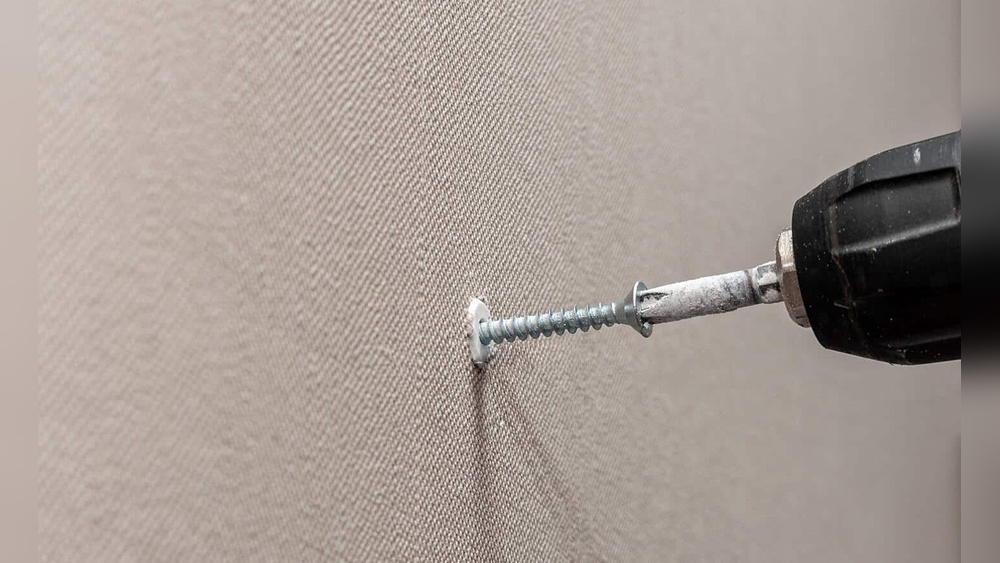
Are you struggling to hang heavy items on your walls without worrying about them falling? Using toggle wall anchors can be the simple solution you need.
These clever tools hold your shelves, mirrors, and art securely, even on drywall or hollow walls. In this guide, you’ll learn exactly how to use toggle wall anchors step-by-step, so your projects stay strong and safe. Keep reading to discover easy tips that make your walls work harder for you.

Credit: www.hgtv.com
What Are Toggle Wall Anchors
Toggle wall anchors are handy tools for hanging heavy items on drywall or hollow walls. They help hold objects securely without needing to find a stud. These anchors expand behind the wall, creating a strong grip that supports weight effectively.
They work well for shelves, mirrors, and TV mounts. Using toggle anchors reduces the risk of damage to walls. They are easy to install and provide reliable support for many projects.
What Are Toggle Wall Anchors Made Of?
Toggle wall anchors usually have two main parts: a metal or plastic toggle and a screw. The toggle is a spring-loaded wing that opens inside the wall. The screw passes through the toggle to hold the item firmly.
How Do Toggle Wall Anchors Work?
The toggle folds to fit through the hole drilled in the wall. Once inside, it springs open and spreads the load across a large area. This prevents the anchor from pulling out, even under heavy weight.
Where Can You Use Toggle Wall Anchors?
These anchors work best on drywall, plaster, and hollow concrete blocks. They are not suitable for solid wood or brick walls. Use toggle anchors when there is no stud available behind the wall surface.
When To Use Toggle Anchors
Toggle wall anchors are useful tools for hanging objects on walls that cannot support heavy loads with simple screws. These anchors provide strong support in hollow walls, such as drywall or plasterboard. Knowing when to use toggle anchors helps ensure your items stay secure and your walls remain undamaged.
Using toggle anchors is best for medium to heavy objects. They spread the load over a larger area behind the wall. This prevents the wall from cracking or the anchor from pulling out.
When Hanging Heavy Items
Toggle anchors work well for heavy pictures, mirrors, or shelves. They hold more weight than regular plastic anchors or nails. Use them to avoid damage and keep your items safe on the wall.
On Hollow Walls
Drywall, plasterboard, and hollow block walls need special anchors. Toggle anchors fit through a small hole and open up inside the wall. This creates a strong grip where regular screws fail.
For Irregular Wall Materials
Some walls have air gaps or soft layers. Toggle anchors can adjust to these conditions. They offer stable support in walls with uneven surfaces or cavities.
When You Need A Secure Hold
Toggle anchors lock firmly in place. Use them when items might be pulled or bumped. They reduce the risk of falling or loosening over time.
Tools Needed For Installation
Installing toggle wall anchors needs a few basic tools. Having the right tools makes the job easier and safer. These tools help you drill holes, fix anchors, and tighten screws correctly.
Drill And Drill Bits
A drill is essential to make holes for the anchors. Use a drill bit that matches the anchor size. This ensures a snug fit and strong hold.
Screwdriver Or Screw Gun
Use a screwdriver or screw gun to tighten screws into the anchors. Choose the right tip type to avoid stripping screws.
Measuring Tape
Measuring tape helps mark the exact spot for the anchor. Accurate measurement prevents mistakes and uneven mounting.
Level
A level keeps your installation straight. This tool ensures shelves or fixtures stay balanced on the wall.
Pencil Or Marker
Mark holes with a pencil or marker. Clear marks guide drilling and prevent errors.
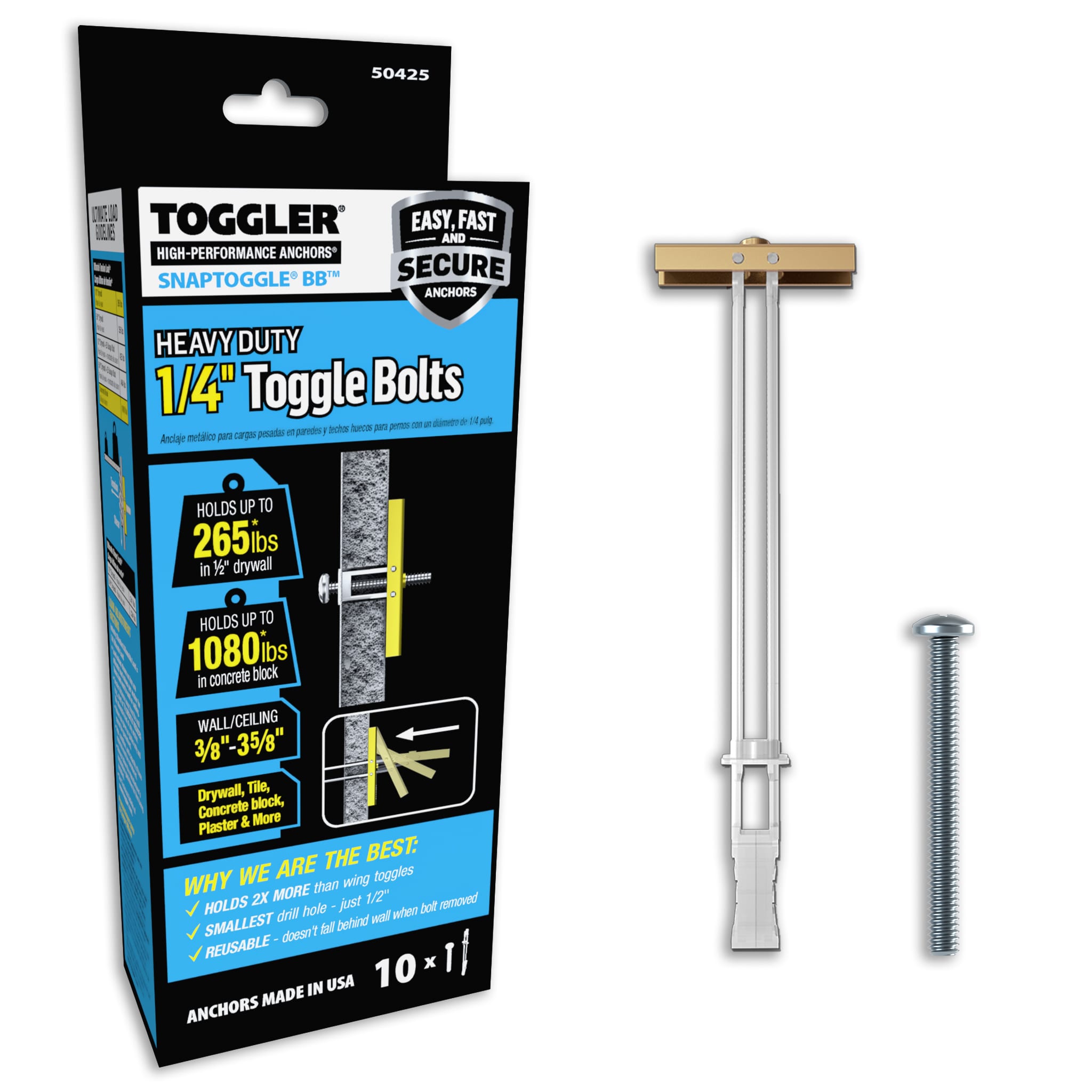
Credit: www.lowes.com
Preparing The Wall
Preparing the wall is the first step to use toggle wall anchors correctly. This stage ensures the anchor holds firmly and safely. Proper preparation makes the installation easier and stronger.
Choosing The Right Spot
Pick a spot free of pipes or wires. Use a stud finder or a small drill bit to test the wall. Avoid areas with electrical cables or plumbing. The wall should be solid and flat for the anchor to work well.
Mark the exact point where you want to place the anchor. Double-check the spot’s height and alignment. This step helps prevent mistakes and damage.
Drilling The Hole
Select a drill bit that matches the toggle anchor’s size. Drill straight into the marked spot. Keep the drill steady to avoid a crooked hole. Drill deep enough for the toggle to open fully behind the wall.
Clear any dust or debris from the hole. A clean hole helps the anchor fit tightly. Use a vacuum or a small brush for this task.
Installing The Toggle Anchor
Installing a toggle wall anchor is simple and effective. It provides strong support for heavy items on drywall or hollow walls. Follow the steps carefully to ensure a secure fit. Proper installation keeps your items safe and stable.
Inserting The Anchor
First, drill a hole in the wall. Make sure the hole matches the toggle size. Push the toggle anchor through the hole. The wings should fold to fit inside. Push until the toggle is fully inside the wall cavity.
Securing The Toggle
Pull the anchor gently toward you. This opens the wings inside the wall. Tighten the screw slowly. The wings press firmly against the wall’s back. Stop tightening when the anchor feels tight and secure. The toggle anchor is now ready to hold weight.
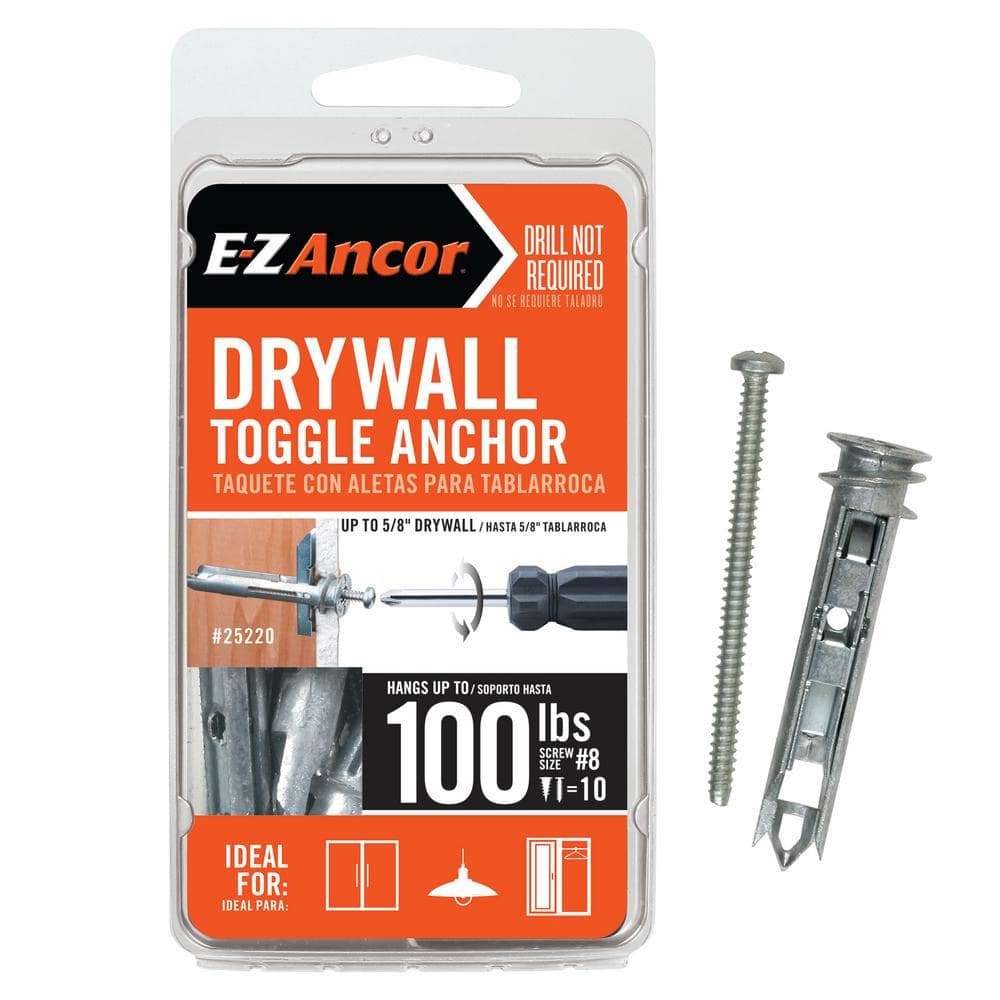
Credit: www.homedepot.com
Attaching Fixtures To Anchors
Attaching fixtures to toggle wall anchors ensures a strong hold in hollow walls. The process secures items like shelves, mirrors, or light fixtures safely. Proper attachment prevents damage and keeps fixtures stable. Follow clear steps for best results.
Prepare The Fixture And Anchor
First, align the fixture with the anchor location. Check that the fixture holes match the anchor size. Remove any dust or debris from the wall surface. This helps the anchor grip better. Keep the fixture close by for quick installation.
Insert The Toggle Anchor
Push the toggle anchor through the hole in the wall. The wings should stay folded while passing through. Once inside, the wings open behind the wall. This action creates a wide support area. Pull gently to ensure the toggle locks in place.
Secure The Fixture With Screws
Place the fixture over the anchor’s exposed screw. Insert the screw through the fixture hole into the anchor. Turn the screw clockwise to tighten. Do not overtighten to avoid damaging the wall. Tighten until the fixture feels firm and secure.
Check Stability And Adjust
After tightening, test the fixture’s stability. Try gently pulling or pushing the item. If it moves, tighten the screw slightly more. Ensure the fixture sits flush against the wall. Proper check prevents future loosening or damage.
Tips For Stronger Support
Strong support from toggle wall anchors prevents damage and keeps items secure. Proper use improves holding power and safety. Follow these tips for better results and longer-lasting mounts.
Small steps can make a big difference in anchor strength and durability.
Choose The Right Size Anchor
Select an anchor that fits the hole size and weight of your item. Bigger anchors hold more weight and resist pulling out. Check the package for weight limits.
Drill The Correct Hole Size
Use a drill bit that matches the anchor’s diameter. A hole too big or small weakens the grip. Measure twice to ensure a perfect fit.
Insert Anchor Fully Into Wall
Push the toggle anchor completely through the hole. The toggle must open fully behind the wall for strong support. Light resistance means it’s in place.
Tighten Screws Slowly And Evenly
Turn screws gently to avoid damaging the wall or anchor. Tighten until snug but do not over-tighten. This keeps the anchor stable and secure.
Test The Mounted Object
Gently pull or shake the item after mounting. This checks if the anchor holds well. Fix or replace any anchor that feels loose.
Common Mistakes To Avoid
Using toggle wall anchors can make your projects strong and safe. Yet, many people make simple mistakes that weaken the hold. Avoiding these errors helps your anchor work well and last long.
Understanding common mistakes saves time and effort. It also prevents damage to walls and items hung on them. Below are key errors to watch out for.
Incorrect Drill Hole Size
Drilling a hole too big or too small causes poor anchor fit. A loose anchor won’t hold weight properly. A tight hole may damage the anchor or wall. Always match the drill bit size to the anchor size.
Not Clearing The Hole
Dust and debris in the hole stop the anchor from expanding fully. This reduces its grip inside the wall. Clean the hole by blowing or using a brush before inserting the anchor.
Using The Wrong Anchor Type
Toggle anchors come in different sizes and types. Using a small anchor for a heavy load can cause failure. Check the anchor’s weight rating and wall type before selecting.
Failing To Fully Engage The Toggle
The toggle must open completely behind the wall for strong support. If it does not expand fully, it will slip out. Insert the anchor carefully and pull gently to ensure it locks in place.
Overtightening The Screw
Turning the screw too hard can break the anchor or damage the wall. Tighten the screw just enough to hold the object firmly. Stop once the anchor feels secure.
Frequently Asked Questions
What Are Toggle Wall Anchors Used For?
Toggle wall anchors secure heavy items to hollow walls. They expand behind the wall, providing strong support. Ideal for mounting shelves, mirrors, or TVs on drywall or plaster.
How Do You Install Toggle Wall Anchors?
Drill a hole matching the anchor size. Insert the folded toggle through the hole. Tighten the screw to open the toggle inside the wall. Securely hold your fixture in place.
Can Toggle Wall Anchors Hold Heavy Objects?
Yes, toggle wall anchors support heavy loads. They distribute weight across a larger area inside the wall. Always check the anchor’s weight rating before use.
Are Toggle Wall Anchors Reusable?
Toggle anchors are generally not reusable. Once expanded and tightened, removing them damages the anchor. It’s best to use new anchors for each installation.
Conclusion
Toggle wall anchors make hanging heavy items easier and safer. They hold strong in drywall and other hollow walls. Always choose the right size for your project. Insert and tighten carefully to avoid damage. With practice, installation becomes quick and smooth.
Use these anchors to secure shelves, mirrors, or frames confidently. Proper use ensures your items stay in place. Simple tools and steps help you get the job done right. Try toggle wall anchors for a sturdy hold every time.