Are you looking to control both your fan and light with a single switch but don’t know where to start? Connecting a fan and light switch may seem tricky, but with the right steps, you can easily handle it yourself.
Imagine turning on the perfect breeze and lighting your room with just one flick—sounds convenient, right? In this guide, you’ll discover simple, clear instructions to make your fan and light work together smoothly. Keep reading, and you’ll gain the confidence to upgrade your home setup quickly and safely.
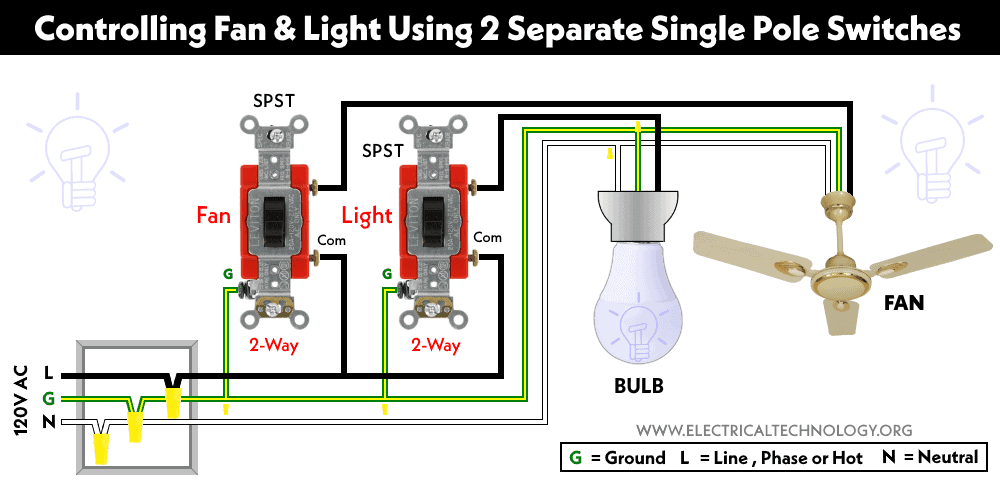
Credit: www.electricaltechnology.org
Tools And Materials Needed
Before starting to connect a fan and light switch, gather all necessary tools and materials. Having the right items helps the job go smoothly. It keeps you safe and avoids mistakes.
Prepare your workspace. Clear the area and turn off power at the circuit breaker. Safety first.
Essential Tools
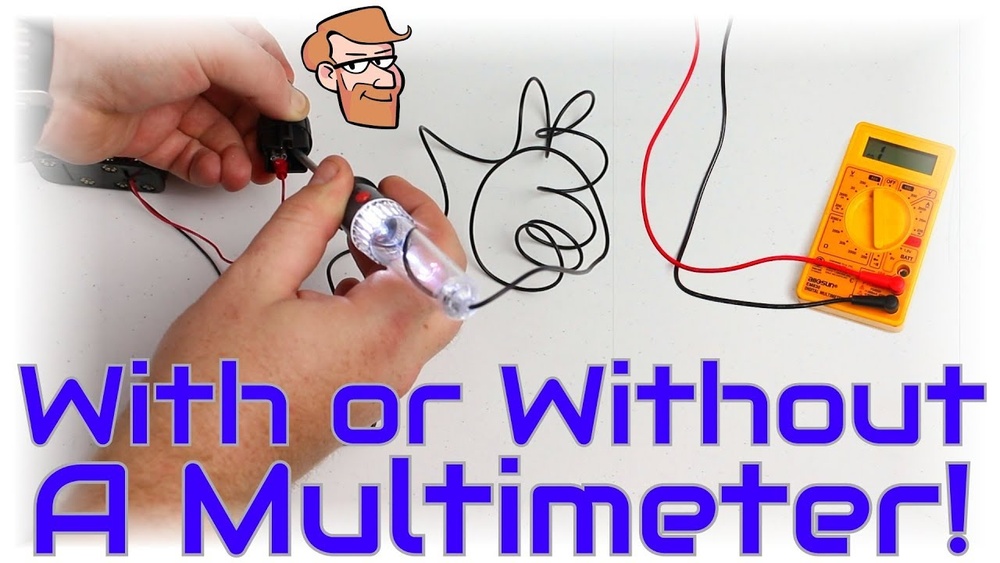
- Voltage tester to check power is off
- Wire stripper for removing wire insulation
- Flathead and Phillips screwdrivers
- Needle-nose pliers for bending and holding wires
- Electrical tape for securing wire connections
- Drill or screwdriver for mounting switch plate
- Wire nuts to connect wires safely
Required Materials
- Fan and light switch unit
- Electrical wires (usually 14 or 12 gauge)
- Electrical box for mounting the switch
- Switch cover plate
- Fan and light fixture
- Wire connectors
- Wall anchors if mounting on drywall
Safety Precautions
Wiring the switch is a key step in connecting a fan and light. It controls the power flow to both devices. Proper wiring ensures safety and smooth operation. Follow simple steps to connect the wires correctly and avoid issues.
Always turn off the power at the breaker before starting. Use a voltage tester to confirm no electricity flows. Wear gloves and work carefully to prevent shocks.
Connect Ground Wire
Locate the bare copper or green ground wire in the switch box. Attach it to the green screw on the switch. This wire protects against electrical faults. Secure the connection tightly to avoid loose wiring.
Attach Line And Load Wires
Identify the line wire carrying power from the breaker. Connect it to the switch terminal marked “Line” or “Common.” Next, find the load wires leading to the fan and light. Attach these to the “Load” terminals on the switch. Use wire nuts to join wires safely. Ensure each wire is firmly connected.
Separate Fan And Light Connections
Many switches have separate terminals for fan and light control. Connect the fan’s load wire to its dedicated terminal. Do the same for the light load wire. This setup allows independent control of each device. Double-check all connections before closing the switch box.
Identify Wires
Mounting the switch is a key step in wiring a fan and light switch. It holds the switch securely and protects the wiring inside the wall. Proper mounting ensures safety and a clean look.
Secure The Switch Box
Start by placing the switch box into the wall opening. Push it gently but firmly until it fits flush with the wall surface. Use screws to fasten the box tightly to the wall studs. Check that the box does not move or wiggle. This prevents damage and keeps wires safe.
Attach The Switch Plate
After securing the switch, place the switch plate over it. Align the screw holes on the plate with the holes on the switch. Use a screwdriver to tighten the screws until the plate lies flat on the wall. Avoid over-tightening to prevent cracking the plate. The switch plate keeps dust out and gives a neat finish.
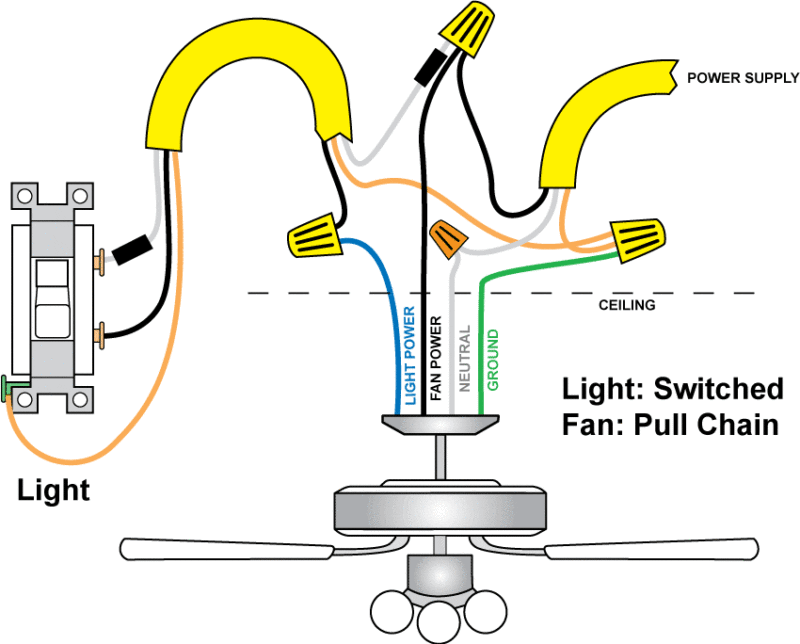
Credit: www.protoolreviews.com
Choose The Right Switch
Testing the connections is a key step after wiring a fan and light switch. It ensures everything works safely and correctly. This step helps spot any wiring errors before finalizing the installation.
Take your time and follow each test carefully. This will prevent damage to your fan, light, or home wiring. Safety is the top priority during these checks.
Restore Power
Turn the circuit breaker back on to restore power to the switch. Double-check that the power is fully restored. Use a voltage tester for added safety before touching wires.
Check Fan Operation
Flip the fan switch on. Listen for the fan motor and watch the blades. The fan should run smoothly and quietly. Turn the switch off to confirm it stops completely.
Check Light Operation
Turn on the light switch. The light should come on without flickering. Turn it off to make sure the light goes out. Test any dimmer function if your switch has one.
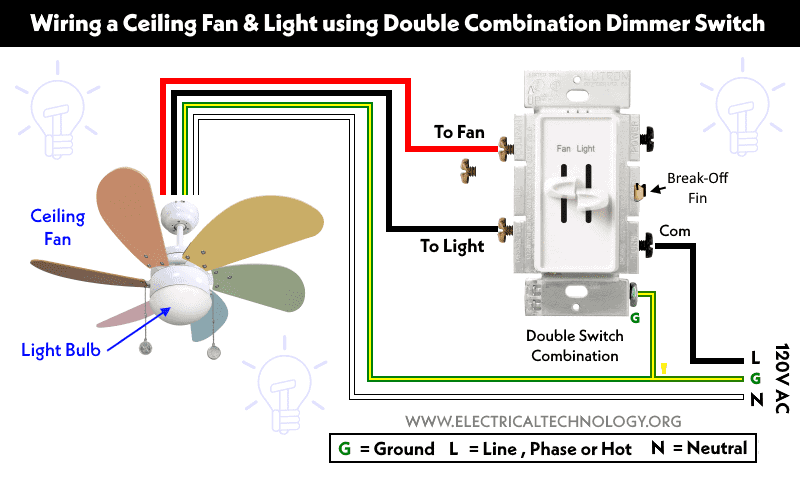
Credit: www.electricaltechnology.org
Frequently Asked Questions
How Do I Wire A Fan And Light Switch Together?
To wire a fan and light switch, connect the power source to the switches. Then, run separate wires from each switch to the fan and light. Ensure proper grounding and use a dual switch or two single switches for control.
Always turn off power before starting.
Can I Control Fan And Light With One Switch?
Yes, you can control both fan and light with one switch. However, they will operate simultaneously. For independent control, use separate switches or a dual switch with distinct wiring for fan and light.
What Tools Are Needed To Connect A Fan And Light Switch?
You’ll need a screwdriver, wire strippers, voltage tester, electrical tape, wire nuts, and a drill. These tools help safely connect and secure wiring when installing the fan and light switches.
Is It Safe To Connect Fan And Light To One Circuit?
Yes, it is safe if the circuit can handle the combined load. Check your circuit breaker rating and total wattage of the fan and light. If unsure, consult an electrician for proper wiring and safety.
Conclusion
Connecting a fan and light switch can be simple and quick. Follow safety steps and use the right tools. Double-check your wiring before turning on the power. Take your time to avoid mistakes and keep everything safe. With clear instructions, you can handle this task yourself.
Enjoy the convenience of controlling your fan and light separately. Small projects like this build your confidence in home repairs. Keep learning and improving your skills for future tasks. Safety first, always. You’ve got this!