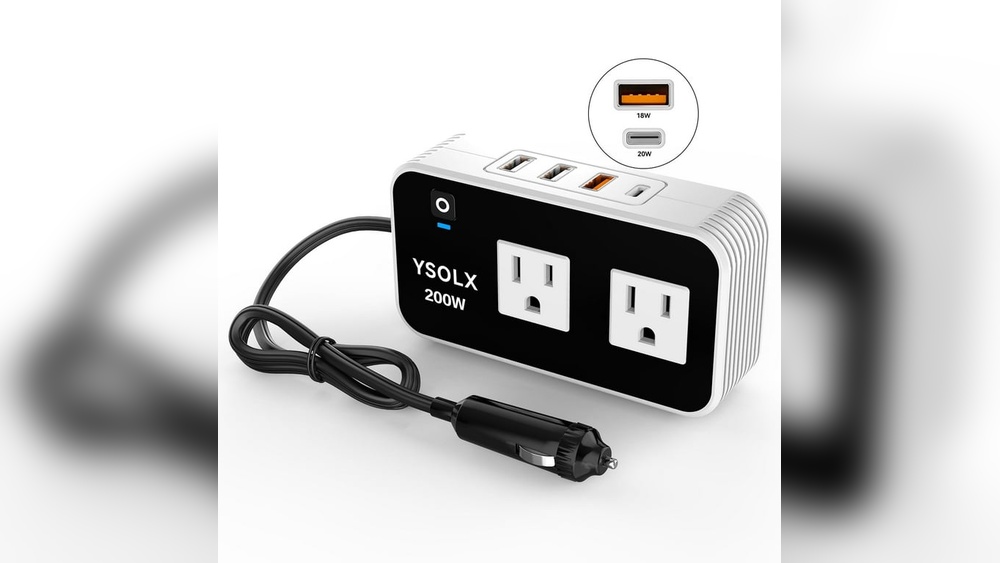
Are you struggling to figure out how to hook your AC inverter to wall plugs safely and efficiently? You’re not alone.
Connecting an AC inverter might seem tricky at first, but with the right steps, you can do it yourself without any hassle. In this guide, you’ll discover simple, clear instructions that make the process straightforward. By the end, you’ll have the confidence to power your devices reliably and avoid common mistakes that could cost you time and money.
Keep reading to unlock the secrets to a smooth and secure AC inverter setup.
Tools And Materials Needed
Preparing to hook an AC inverter to wall plugs requires the right tools and materials. Having these items ready makes the process safe and smooth. This section covers everything needed to get started confidently.
Essential Tools
A few basic tools help complete the installation quickly. First, a screwdriver with a flat and Phillips head is necessary. It loosens and tightens screws on the inverter and plugs. A wire stripper removes insulation from wires without damage. Use a multimeter to check electrical connections and ensure safety. Needle-nose pliers help bend and hold wires securely in place. Lastly, a voltage tester confirms power is off before working.
Required Materials
Choose the right materials to avoid hazards and ensure a strong connection. Electrical wires suitable for the inverter’s power rating are essential. Use insulated wires to prevent shocks. Wall plugs or sockets must match the inverter’s plug type. Wire connectors or terminal blocks secure wire ends safely. Electrical tape insulates exposed wire connections. A mounting bracket or screws might be needed to fix the inverter to the wall.
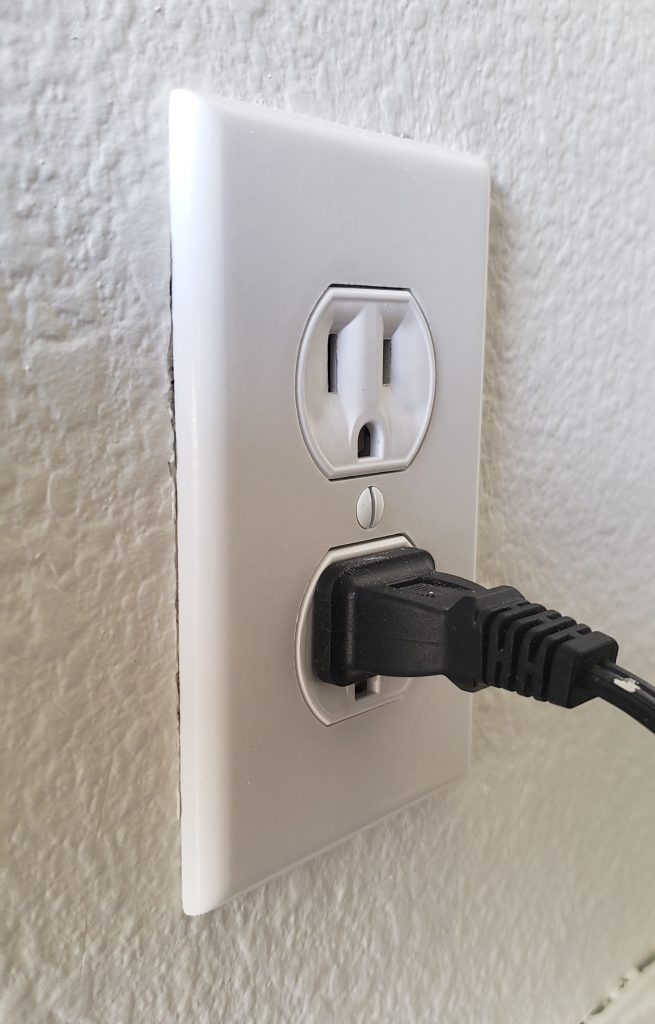
Credit: explorist.life
Safety Precautions
Safety is the top priority when hooking an AC inverter to wall plugs. Electrical work can be risky without the right care. Following clear safety steps protects you and your devices.
Power Off Procedures
Always switch off the main power supply before starting. Unplug the wall socket if possible. This stops electricity from flowing and reduces shock risk. Double-check with a voltage tester to confirm no current is active. Never skip this step.
Handling Electrical Components
Wear insulated gloves to protect your hands. Use tools with insulated handles for added safety. Avoid touching wires with bare hands. Keep the work area dry to prevent electric shocks. Handle all components gently to avoid damage. Keep children and pets away during the work.
Locate Suitable Wall Plug
Finding the right wall plug is the first step to connect your AC inverter safely. The plug must handle the inverter’s power needs. It also should be easy to reach for quick access. Choosing the correct plug prevents electrical issues and keeps your device running well.
Check Power Ratings
Start by checking the power rating of your AC inverter. Look at the wattage and voltage requirements. The wall plug must support these ratings to avoid overload. Use a plug with a rating higher than the inverter’s needs for safety. This reduces the risk of electrical faults or damage.
Assess Plug Accessibility
Choose a wall plug that is easy to access. Avoid plugs that are behind furniture or hard to reach. Accessibility helps during installation and future maintenance. Make sure there is enough space to plug and unplug the inverter easily. This saves time and effort in everyday use.

Credit: www.reddit.com
Prepare The Ac Inverter
Preparing the AC inverter is an important step before connecting it to wall plugs. This process ensures safety and proper function. Taking time to prepare the device helps avoid damage and electrical problems. Follow simple steps to get your inverter ready for installation.
Proper preparation also helps the inverter work efficiently. It makes sure that all parts are in good condition and ready for use. Let’s start by checking the device carefully and knowing where to connect the cables.
Inspect The Device
First, examine the AC inverter closely. Look for any visible damage like cracks or loose parts. Check the casing for any signs of wear or defects. Make sure the cooling fan is clean and can spin freely. Inspect the display panel and buttons to confirm they work properly.
Also, verify that the inverter is dry and free from dust. Dirt or moisture can cause short circuits or failure. If you find any damage, do not use the inverter until repaired. A safe and clean device ensures better performance and longevity.
Identify Connection Points
Next, find the connection points on the inverter. These are usually marked and easy to spot. Look for input terminals where the power source connects. Notice the output terminals that link to your appliances or wall plugs.
Check the labels near the terminals. They often show positive (+) and negative (-) symbols. Match these symbols with the corresponding wires to avoid mistakes. Knowing the right connection points helps you hook the inverter correctly and safely.
Connect The Inverter To Plug
Connecting the AC inverter to the wall plug is a key step. It powers your inverter safely and efficiently. Follow simple steps to ensure a solid and secure link.
Attach Power Cable
Start by taking the power cable that comes with your inverter. Plug one end firmly into the inverter’s power input. Check that the plug fits snugly. Loose connections can cause power loss or sparks.
Next, prepare the other end of the cable for the wall plug. Make sure the plug matches your wall socket type. Use the correct cable for your country to avoid electrical issues.
Secure Connection
Push the power cable plug fully into the wall socket. It should feel tight and stable. Avoid forcing the plug if it feels stuck. A loose plug may cause the inverter to turn off unexpectedly.
Check that the cable is not bent or twisted sharply. Keep it clear of walkways to prevent accidents. A secure connection keeps your inverter running safely and steadily.
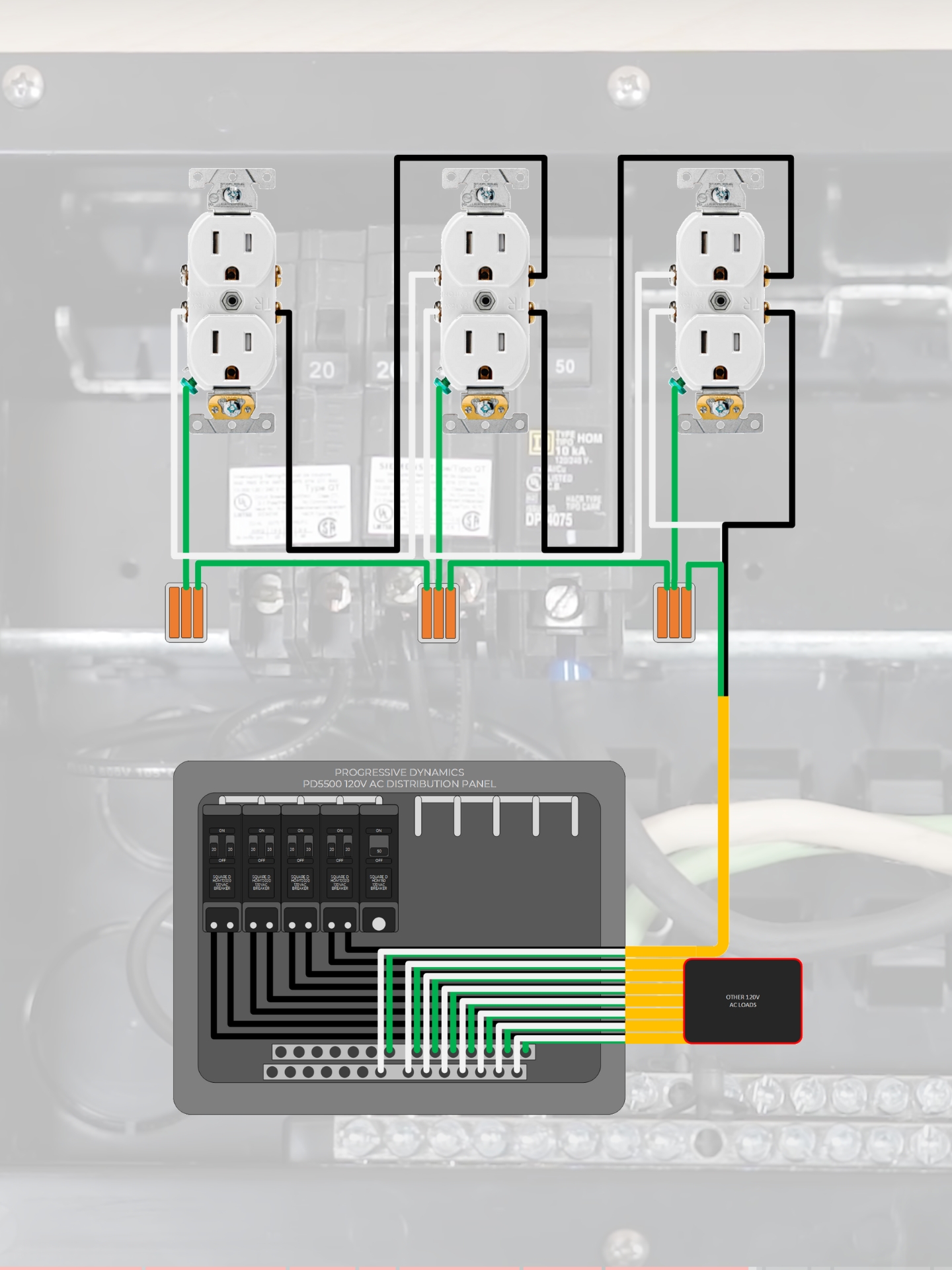
Credit: explorist.life
Test The Connection
Testing the connection is a vital step after hooking your AC inverter to wall plugs. It ensures the setup works safely and correctly. This step helps avoid damage to your devices and keeps you safe from electrical hazards. Follow these simple checks to confirm the connection is solid.
Power On The Inverter
First, switch on the inverter using its power button. Listen for any unusual noises or alarms. Check if the power indicator lights up. This shows the inverter is receiving electricity. If the inverter does not power on, double-check your connections and wall plug.
Verify Functionality
Next, test the inverter’s output by plugging in a small device. A lamp or phone charger works well for this. If the device runs smoothly, your connection is good. Watch for any flickering or power loss. These signs mean you should recheck the wiring and wall plug fit.
Troubleshooting Tips
Troubleshooting tips help fix problems when hooking an AC inverter to wall plugs. Small issues can stop the device from working properly. Finding and solving these problems saves time and avoids damage. This guide shows common issues and quick fixes.
Common Issues
One common issue is no power supply to the inverter. This happens if the plug is loose or the socket is faulty. Another problem is the inverter not starting. This can occur due to a blown fuse or wrong wiring. Overheating is also frequent. It happens if the inverter runs too long or lacks ventilation.
Quick Fixes
Check the wall plug and socket for a tight fit. Replace any damaged plugs or sockets. Test the fuse and replace it if blown. Make sure all wires connect correctly and firmly. Keep the inverter in a cool place with good airflow. Turn off the inverter and let it cool down if it feels hot.
Frequently Asked Questions
How Do I Safely Connect An Ac Inverter To A Wall Plug?
Always switch off power before connecting. Use proper gauge wires and ensure the inverter’s power rating matches the wall plug. Follow the manufacturer’s instructions carefully to avoid electrical hazards and damage.
What Tools Are Needed To Hook Up An Ac Inverter?
You’ll need a screwdriver, wire stripper, multimeter, and possibly electrical tape. These tools help ensure secure connections and verify correct voltage and polarity for safe operation.
Can I Use Any Wall Plug For My Ac Inverter?
No, use a wall plug that supports the inverter’s voltage and current requirements. Using an incompatible plug can cause overheating and damage both the inverter and your electrical system.
How Do I Check If The Inverter Is Correctly Connected?
Use a multimeter to measure output voltage. The reading should match the inverter’s specifications. Also, check for secure and tight wire connections to prevent power loss or hazards.
Conclusion
Hooking an AC inverter to wall plugs can be simple and safe. Follow the steps carefully to avoid mistakes. Always check your power source and use proper tools. Turn off electricity before starting any connection work. This helps prevent shocks and damage.
Double-check all connections before turning power back on. Correct wiring ensures your AC inverter works well and lasts longer. Stay cautious and take your time. Doing the job right keeps your home safe and cool.