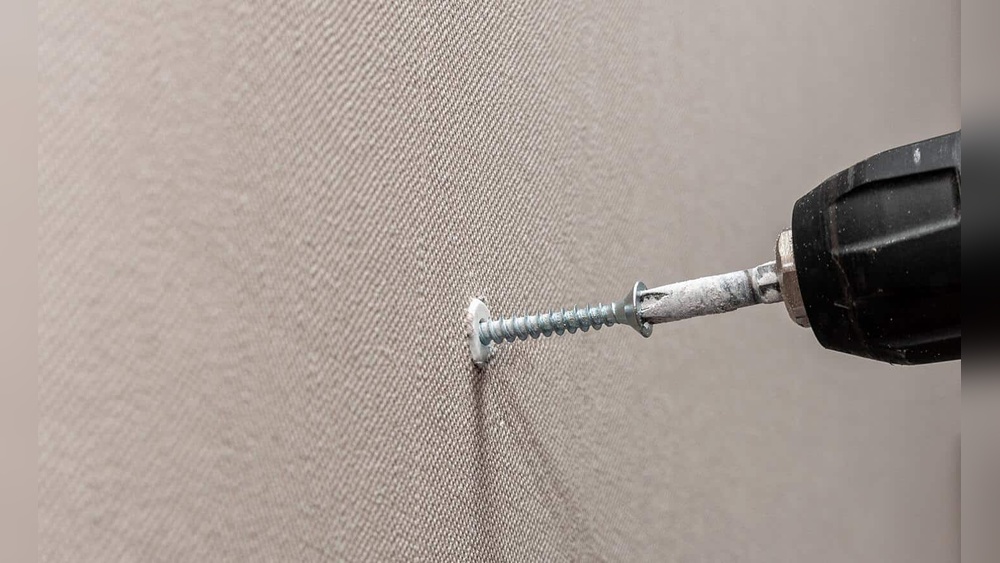
When you’re hanging something heavy on your wall, like a shelf or a mirror, one question often trips people up: how far should the wall anchor go in? Getting this right is crucial.
If the anchor isn’t deep enough, it won’t hold, and your item could fall. If it’s too deep, you might damage the wall or lose grip. You’ll discover the simple secrets to choosing the perfect depth for your wall anchor, so your projects stay safe and strong.
Keep reading to avoid costly mistakes and make your walls work for you.

Credit: www.picturehangsolutions.com
Types Of Drywall Anchors
Choosing the right depth for wall anchors is crucial for secure installation. Different anchors require different depths to hold strong. Using the correct depth prevents damage and ensures stability. Below are the recommended depths for common wall anchors.
Depth For Plastic Expansion Anchors
Plastic expansion anchors need to go deep enough to expand properly. Drill a hole slightly longer than the anchor’s length. Usually, this means 1 to 1.5 inches deep. This allows the anchor to grip tightly inside the wall.
Depth For Self-drilling Anchors
Self-drilling anchors cut their own hole as you screw them in. They should be fully inserted until flush with the wall surface. This means the anchor depth matches its full length. Make sure no part sticks out for a firm hold.
Depth For Toggle Bolts
Toggle bolts require extra depth for the toggle wings to open behind the wall. Drill a hole slightly larger than the bolt diameter. The hole should be deep enough to let the wings fully expand. Usually, this is 1.5 to 2 inches deep.
Depth For Molly Bolts
Molly bolts need a hole deep enough for the entire sleeve to fit. Drill a hole equal to the bolt’s length. This depth lets the sleeve expand correctly inside the wall. It ensures a strong and lasting anchor point.

Credit: www.youtube.com
Importance Of Proper Anchor Depth
The depth to which a wall anchor should go depends on several key factors. These factors ensure the anchor holds firmly and supports the weight safely. Understanding these points helps in choosing the right anchor depth for any wall project.
Each factor affects how deep the anchor must be inserted. It also impacts the type of anchor needed. Let’s explore the most important factors below.
Drywall Thickness
Drywall thickness varies, usually between 1/4 inch and 5/8 inch. Thicker drywall needs longer anchors to reach solid support behind it. Thin drywall requires shorter anchors to avoid damage. Measure the drywall before selecting the anchor depth.
Weight Of The Item
Heavy items need anchors that go deeper for strong support. Light objects can use shallow anchors. The heavier the item, the more secure the anchor must be. Always match anchor depth to the weight it must hold.
Type Of Wall Material
Different walls hold anchors differently. Wood studs need shorter anchors than concrete or brick. Hollow walls require special anchors that expand inside. Know your wall material to pick the correct anchor length and type.
Recommended Depth For Different Anchors
Using wall anchors correctly is important for strong support. Many make simple mistakes that weaken the hold and damage walls. Avoid these errors to keep your anchors secure and your walls safe.
Too Shallow Insertion
Pushing the anchor in too shallow makes it loose. The anchor must go deep enough to grip the wall firmly. Shallow anchors often pull out easily under weight. Insert the anchor fully for better strength.
Over-drilling
Drilling a hole that is too big reduces anchor grip. The anchor will move inside the hole and fail to hold weight. Use the correct drill size matching the anchor diameter. Keep the hole just large enough for the anchor to fit snugly.
Using Wrong Anchor Type
Different walls need different anchors. Using the wrong type can cause damage or weak support. For example, drywall anchors won’t work well in brick or concrete. Choose anchors designed for your wall material to ensure safe holding power.
Factors Affecting Anchor Depth
Anchor depth depends on wall type, anchor size, and weight it must hold. Proper depth ensures strong support and safety. Always match anchor length to wall thickness and load needs.
Manual Pull Test
Testing the strength of a wall anchor helps ensure safety. The manual pull test is a simple way to check it.
Grab the item attached to the anchor. Pull gently but firmly. Feel if the anchor holds tight or moves.
If the anchor shifts or feels loose, it may not be secure enough. The anchor should stay steady without any wiggle.
This test works best for light to medium loads. It gives a quick idea about anchor strength before adding weight.
Load Testing Tips
Load testing checks how much weight an anchor can hold safely. Use tools like a spring scale for better accuracy.
Attach the scale to the anchor and pull steadily. Watch the force reading to see when the anchor starts to fail.
Increase the weight slowly. Stop if you notice any cracking sounds or movement in the wall.
Do not exceed the recommended weight for the anchor. Overloading can cause damage or accidents.
Repeat the test a few times for consistent results. This helps confirm the anchor’s true strength.

Credit: www.youtube.com
Frequently Asked Questions
How Deep Should A Wall Anchor Be Installed?
A wall anchor should go deep enough to secure firmly in the wall. Typically, it should be at least the length of the anchor plus a bit extra for stability. This ensures the anchor holds weight safely without damaging the wall.
Does Wall Material Affect Anchor Depth?
Yes, wall material impacts the depth. Drywall anchors need less depth, while masonry or concrete anchors require deeper installation. Adjust anchor depth based on wall type to ensure maximum grip and safety.
What Happens If A Wall Anchor Is Too Shallow?
If a wall anchor is too shallow, it won’t hold weight properly. This can cause the anchor to pull out, damaging the wall and risking whatever is mounted. Proper depth is critical for safety and durability.
How To Measure The Right Depth For Wall Anchors?
Measure the anchor length and add at least half an inch extra for stability. Use a drill stop or tape on the drill bit for accuracy. Always check manufacturer recommendations for specific anchor types.
Conclusion
Choosing the right depth for a wall anchor matters a lot. It keeps your items safe and the wall strong. Push the anchor deep enough to hold weight without damage. Check the anchor type and wall material before installing. Too shallow or too deep can cause problems.
Follow simple steps for a secure hold every time. This small care makes a big difference in your project’s success. Keep these tips in mind to avoid common mistakes. Your walls and belongings will thank you!


