Have you ever accidentally gotten paint on your deadbolt while working on a home project? It’s frustrating, isn’t it?
That stubborn paint can make your lock sticky or hard to turn, messing with your security and daily routine. But don’t worry—cleaning paint off your deadbolt doesn’t have to be a headache. In this guide, you’ll discover simple, effective ways to restore your lock’s smooth function without causing damage.
Keep reading to find out how you can fix this common problem quickly and easily.
Assess The Paint Type
Before cleaning paint off a deadbolt, knowing the paint type helps. It guides you to choose the right cleaning method. Some paints need gentle care, others need stronger solutions.
Assessing the paint type reduces damage risk to your deadbolt. It saves time and effort in the cleaning process. Start by closely examining the paint on the deadbolt.
Identify Paint Material
Look at the paint surface carefully. Is it shiny or matte? Shiny paint often means oil-based paint. Matte or flat paint is usually water-based or latex. Oil-based paint feels sticky and thick.
Water-based paint dries faster and feels smooth. You can test by rubbing a small spot with a damp cloth. If paint comes off easily, it is likely water-based. Oil-based paint stays firm and resists water.
Check Paint Thickness
Notice how thick the paint layer is. Thick paint forms lumps or uneven spots on the deadbolt. Thin paint looks smooth and even. Thick paint may need soft scraping before cleaning.
Thin paint can be wiped off with gentle cleaners. Thick paint might require special solvents or tools. Understanding thickness helps avoid damage to the metal underneath.
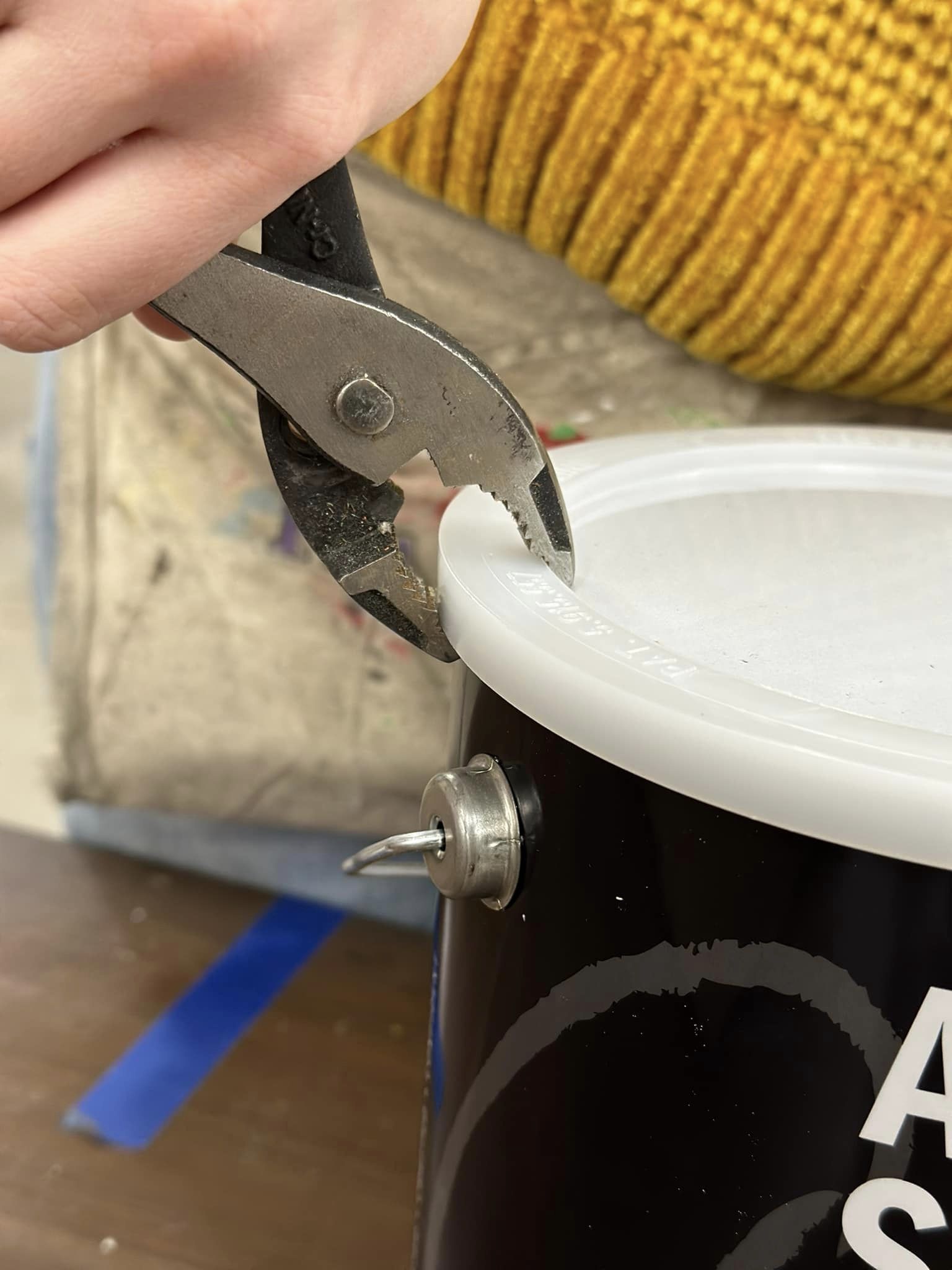
Credit: www.thepurplepaintedlady.com
Gather Necessary Tools
Cleaning paint off a deadbolt needs the right tools. Prepare carefully to avoid damage. Having the correct supplies makes the task easier and faster. This section covers the key tools you need before starting.
Select Cleaning Solvents
Pick a solvent that removes paint but does not harm metal. Common choices include rubbing alcohol, mineral spirits, or a gentle paint remover. Test the solvent on a small area first. This prevents unwanted damage to the deadbolt finish.
Choose Scraping Tools
Use tools that gently lift paint without scratching the surface. A plastic scraper or a wooden stick works well. Avoid metal scrapers that can leave marks. Soft brushes help remove loosened paint safely.
Prepare Protective Gear
Wear gloves to protect your skin from chemicals. Safety glasses keep paint chips and solvent splashes out of your eyes. Use old clothes or an apron to prevent stains. Proper gear keeps you safe during cleaning.
Prepare The Work Area
Preparing the work area is the first step to clean paint off a deadbolt safely and effectively. Setting up your space well helps avoid damage and keeps you safe during the process. Clear the area around the deadbolt to have easy access and enough room to work comfortably. Organize your tools and cleaning materials nearby to save time and effort.
Protect Surrounding Surfaces
Cover nearby surfaces with plastic sheets or old cloths. This stops paint remover or cleaning products from spilling or splashing on walls, floors, or door frames. Use painter’s tape to secure coverings in place. Protecting surfaces helps prevent extra cleaning and damage.
Ensure Proper Ventilation
Open windows and doors to let fresh air in. Good airflow reduces fumes from paint removers and chemicals. Use fans if needed to improve ventilation further. Proper air circulation keeps the area safe and comfortable while you work on the deadbolt.
Credit: www.youtube.com
Remove Loose Paint
Removing loose paint from a deadbolt is the first step in cleaning it properly. Loose paint can cause the cleaning process to take longer or damage the lock. It is important to gently remove this paint without harming the deadbolt’s surface or mechanism.
This step prepares the deadbolt for a deeper cleaning and helps maintain its function and look.
Use A Plastic Scraper
A plastic scraper works well for removing loose paint. It is gentle enough to avoid scratches but firm enough to lift paint flakes. Hold the scraper at a low angle and push it under the paint. Move slowly and carefully to peel off the loose paint pieces.
Metal tools can scratch or dent the deadbolt, so avoid them. Plastic scrapers are cheap and easy to find at hardware stores.
Avoid Damaging The Deadbolt
Protect the deadbolt by not using sharp or hard tools. Pressing too hard can harm the lock’s finish or affect its operation. Take your time and stop if you meet resistance.
Using gentle motions and the right tools keeps the deadbolt safe. This helps the lock look good and work smoothly after cleaning.
Apply Paint Remover
Applying paint remover is a practical step to clean paint off a deadbolt. It helps break down the paint so you can wipe it away easily. Choosing the right remover and using it carefully protects your deadbolt from damage.
Use Solvent Safely
Always wear gloves to protect your skin from harsh chemicals. Work in a well-ventilated area to avoid breathing fumes. Use a small amount of paint remover to prevent excess damage. Test the remover on a hidden spot first. Avoid contact with the lock mechanism to keep it working well.
Allow Time To Soften Paint
Apply the paint remover and wait patiently. Give it several minutes to break down the paint. Avoid rubbing or scraping too soon. This lets the paint soften and lift easily. Repeat if the paint remains hard after the first application.
Clean The Deadbolt
Cleaning paint off a deadbolt requires care and patience. The goal is to remove paint without damaging the metal or finish. Start by preparing the surface gently. This keeps the deadbolt working smoothly and looking good.
Wipe With A Cloth
Use a soft cloth to wipe the deadbolt gently. Dampen it with warm soapy water or a mild cleaner. Avoid harsh chemicals that can harm the metal. Rub slowly to lift the paint from the surface. Focus on small areas at a time for better control.
Be careful around edges and moving parts. Wiping helps loosen paint without scratching. Keep the cloth clean by folding it often. This prevents spreading paint back onto the deadbolt.
Repeat Application If Needed
Some paint spots may not come off in one try. Apply the cleaning method again as needed. Patience is key to avoid damaging the deadbolt. Each pass removes more paint slowly and safely.
Check the deadbolt after each wipe. Stop when the paint is gone or very faint. Rushing can cause scratches or harm the finish. Repeat gently until the deadbolt looks clean and smooth.
Polish And Protect
After removing paint from your deadbolt, polishing and protecting the surface keeps it looking good. This step smooths out any rough spots and adds a layer to prevent damage. Polishing restores shine, making the deadbolt look almost new.
Protection slows down rust and wear. It also helps the deadbolt resist dirt and stains. Taking time here saves effort later and keeps the lock working well.
Buff The Surface
Use a soft cloth or a buffing pad to polish the deadbolt. Rub gently in circular motions to remove small scratches. This helps the metal shine and feels smooth to touch.
Do not press too hard. Excess pressure can cause more scratches. Keep buffing until the surface looks even and clean.
Apply Protective Coating
Choose a clear protective coating made for metal surfaces. Apply a thin layer evenly over the deadbolt. Let it dry completely before touching or using the lock.
This coating creates a barrier against moisture and dirt. It helps keep the deadbolt in good shape for a long time. Reapply the coating every few months for best results.
Prevent Future Paint Issues
Preventing paint from sticking to a deadbolt saves time and effort. Taking simple steps before painting keeps your hardware clean. It protects the finish and avoids damage. Use these easy tips to stop paint problems before they start.
Use Painter’s Tape
Painter’s tape acts as a shield for your deadbolt. Apply it carefully around the edges and surface. Press it firmly so no paint seeps underneath. Remove the tape before the paint dries. This prevents paint from sticking and makes cleanup easier.
Cover Hardware During Painting
Cover the deadbolt with plastic or paper before painting. Use a small bag or wrap it tightly. Secure the cover with tape to keep it in place. This stops paint from reaching the hardware. It saves you from scrubbing paint off later.
Credit: www.redlabelabrasives.com
Frequently Asked Questions
How Can I Safely Remove Paint From A Deadbolt?
Use a plastic scraper and mild solvent like rubbing alcohol. Avoid harsh chemicals to prevent damage. Gently scrub the paint until it loosens. Wipe clean with a soft cloth to restore the deadbolt’s finish.
What Household Items Remove Paint From Metal Locks?
Rubbing alcohol, nail polish remover, or vinegar work well. Apply with a cotton ball and gently rub the paint. These items dissolve paint without harming the metal surface. Always test on a small area first.
Can I Use A Heat Gun To Clean Paint Off Deadbolts?
Yes, but with caution. Heat softens paint for easier removal. Keep the heat low to avoid damaging the lock’s internal parts. Use a scraper carefully after heating the paint.
How Do I Protect My Deadbolt During Painting?
Cover the deadbolt with painter’s tape or plastic wrap. This prevents paint from sticking to the lock. Remove the covering immediately after painting to avoid paint buildup.
Conclusion
Cleaning paint off a deadbolt does not have to be hard. Use gentle tools and cleaners to avoid damage. Take your time and work carefully. Small steps lead to better results. Keep the deadbolt dry and clean after removing paint.
This helps it work smoothly again. With patience, your deadbolt will look and function well. A little effort brings back its original shine. Simple care keeps your door safe and neat.