
Have you ever wondered if those wall anchors holding up your shelves or pictures need a check-up? You might think once they’re in place, you can forget about them—but that’s not always true.
Knowing how often you should adjust your wall anchors can save you from unexpected falls and damage. You’ll discover simple tips to keep your walls secure and your belongings safe. Keep reading, and you’ll never have to worry about shaky anchors again.
Types Of Wall Anchors
Wall anchors come in many types. Each type works best for specific walls and weights. Choosing the right anchor makes your wall hold strong. Knowing these types helps you decide when to adjust them.
Plastic Expansion Anchors
Plastic expansion anchors are common and easy to use. They fit into a drilled hole in drywall or plaster. When a screw goes in, the anchor expands. This holds the screw tight. Best for light loads like small shelves or pictures.
Toggle Bolts
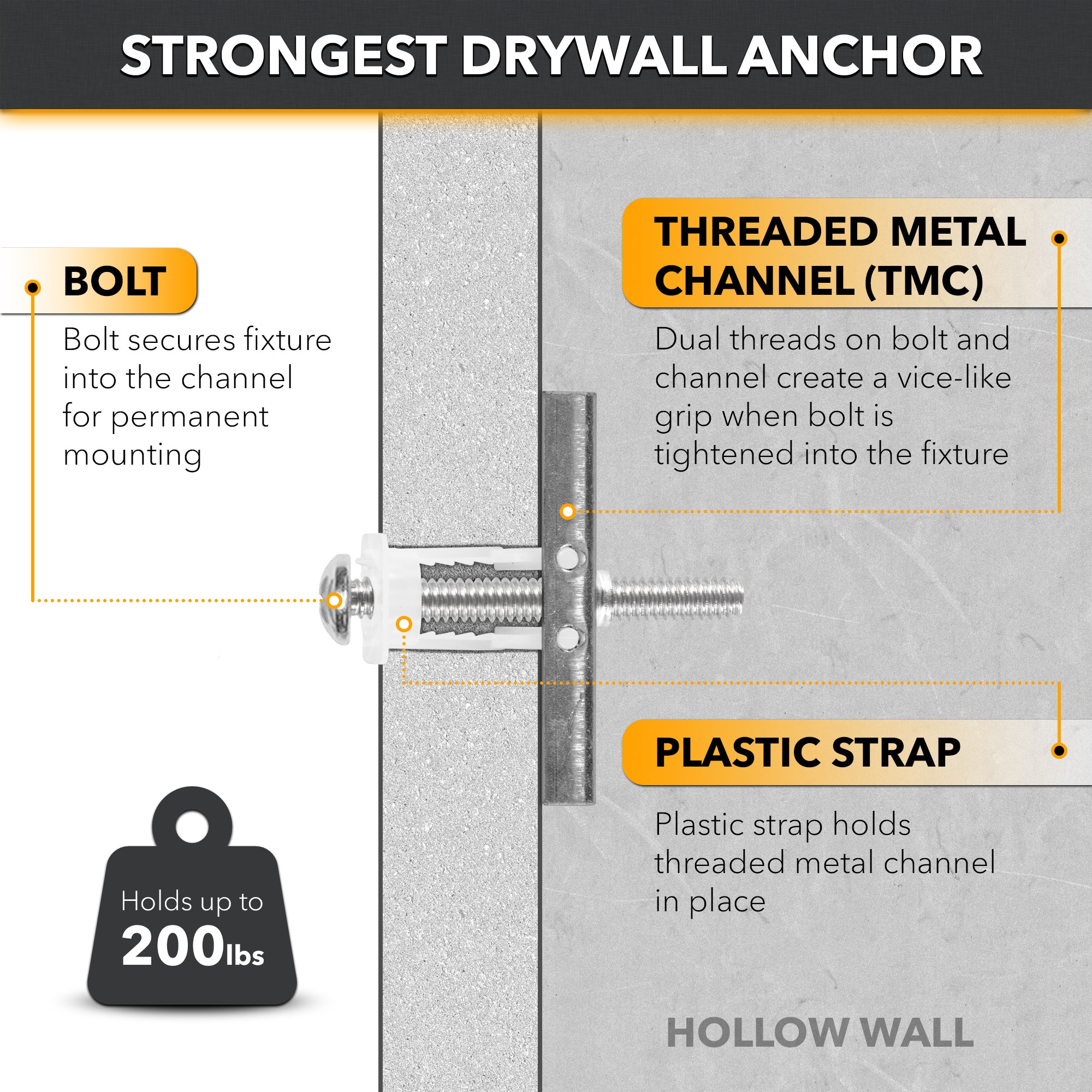
Toggle bolts have metal wings that open behind the wall. They spread the weight over a larger area. Good for heavy items like cabinets or mirrors. They need a larger hole for installation. Use toggle bolts when extra strength is needed.
Molly Bolts
Molly bolts are metal anchors with expandable legs. Inserted into a drilled hole, legs open inside the wall. This creates a strong hold in drywall or plaster. Suitable for medium to heavy loads. They can be adjusted slightly after installation.
Self-drilling Anchors
Self-drilling anchors do not need a pre-drilled hole. They screw directly into drywall. Easy and fast to install. Ideal for light to medium weight items. Good choice for quick fixes and small projects.

Credit: www.etsy.com
Signs Wall Anchors Need Adjustment
Wall anchors help hold fixtures firmly on walls. Over time, they may become loose or fail. Spotting signs early keeps fixtures safe and stable. Regular checks prevent damage and costly repairs.
Loose Fixtures
Fixtures that wobble or move easily may have loose anchors. Tight screws do not always mean anchors are secure. Test by gently shaking the fixture. Movement suggests the anchor needs adjustment or replacement.
Visible Cracks Around Anchors
Cracks near anchor points can show stress on the wall. These cracks weaken the hold of the anchor. Watch for small cracks or gaps around screws. Fixing anchors early stops cracks from growing larger.
Sagging Walls Or Panels
Panels or wall sections that sag indicate poor anchor support. Heavy items pull down on anchors over time. Sagging shows anchors might be slipping or failing. Check and adjust anchors to keep walls straight and secure.
Difficulty In Tightening Screws
Screws that spin without tightening signal anchor problems. The anchor may be loose inside the wall. This reduces holding strength and can cause fixtures to fall. Adjust or replace anchors to ensure screws tighten firmly.
Factors Affecting Anchor Stability
Wall anchors hold objects firmly on walls, but their stability can change over time. Several factors influence how well anchors stay in place. Understanding these factors helps you know when to check or adjust them. This keeps your wall hangings safe and secure.
Wall Material
Different walls have different strengths. Drywall is softer and may need more frequent checks. Concrete and brick hold anchors tighter and last longer. Knowing your wall type helps choose the right anchor. It also guides how often to adjust or replace it.
Weight Load
Heavier items put more pressure on anchors. This stress can loosen the anchor over time. Light objects need less support and less frequent adjustment. Always match the anchor type to the object’s weight. This keeps the anchor stable and safe.
Environmental Conditions
Temperature and humidity affect anchor stability. Moisture can weaken wall materials and anchors. Outdoor or damp areas need more attention. Dry, stable environments reduce the risk of loosening. Regular checks help catch problems early.
Installation Quality
How well the anchor is installed matters a lot. Poor installation causes anchors to fail faster. Proper drilling and fitting keep anchors secure. Follow instructions carefully for best results. Good installation means fewer adjustments over time.
Credit: condomounts.com
Recommended Adjustment Frequency
Knowing how often to adjust wall anchors helps keep your fixtures safe. Proper maintenance prevents damage and ensures stability. The adjustment frequency depends on the type of anchor and its environment.
General Guidelines
Check wall anchors every 6 to 12 months. Look for looseness or movement. Tighten anchors if they feel loose. Inspect for cracks or damage around the anchor area.
Heavy Load Anchors
Adjust anchors holding heavy items more often. Inspect every 3 to 6 months. Heavy loads cause more stress on anchors. Regular checks prevent sudden failure and accidents.
Anchors In High-traffic Areas
Anchors in busy places need frequent checks. Inspect them every 3 months. Vibrations and bumps can loosen anchors quickly. Keep these areas secure to avoid hazards.
Outdoor Vs Indoor Anchors
Outdoor anchors face weather changes and wear faster. Check them every 3 to 6 months. Indoor anchors last longer with less frequent checks. Inspect indoor anchors at least once a year for safety.
Step-by-step Anchor Adjustment Process
Preventing wall anchor failures is key to keeping your walls strong and safe. Poorly installed or wrong anchors can loosen, causing damage or accidents. Regular checks and correct methods help avoid these problems. Understanding how to prevent failures saves time and money in repairs.
Proper Installation Techniques
Start by drilling a hole the right size for the anchor. Too big or too small holes weaken the hold. Push the anchor gently into the hole until it fits snugly. Tighten screws carefully. Over-tightening can break the anchor or wall.
Use a level to keep the anchor straight. Misaligned anchors can pull out under weight. Follow the manufacturer’s instructions closely. Each anchor type needs specific steps for best results.
Choosing The Right Anchor Type
Match the anchor to the wall material. Drywall, concrete, and brick require different anchors. Lightweight anchors work well for small pictures or decorations. Heavy-duty anchors hold shelves or large mirrors securely.
Consider the weight of the object. Use anchors with a higher weight rating than needed. This adds a safety margin and reduces stress on the wall. Avoid using anchors meant for one material in another.
Regular Maintenance Tips
Check anchors every few months for looseness or damage. Tighten screws if they feel loose. Replace anchors if the wall shows cracks or the anchor moves easily.
Keep an eye on the load. Don’t hang heavier objects than the anchor can hold. Remove anchors carefully if you move items. This avoids wall damage and allows reusing anchors later.

Credit: www.wikihow.com
Preventing Anchor Failures
Knowing when to replace wall anchors helps keep your walls secure. Over time, anchors can wear out or lose strength. Replacing them at the right moment prevents damage to your walls and keeps items safely mounted.
Signs Of Damage
Look for cracks or breaks in the anchor. Loose anchors that no longer hold tightly need replacing. Wall anchors showing rust or bending also signal damage. These signs mean the anchor cannot support weight safely anymore.
Material Fatigue
Material fatigue happens after long use. Plastic anchors can become brittle and snap. Metal anchors may weaken and lose grip. Fatigue lowers the anchor’s strength and reliability. Replace anchors that feel weak or worn out.
Repeated Adjustment Issues
Adjusting anchors many times can cause problems. Holes may widen, making anchors loose. Constant tightening or loosening wears out the anchor. If an anchor moves too easily, it is time to replace it. This keeps your wall mounts secure and stable.
Frequently Asked Questions
How Often Should Wall Anchors Be Checked?
Wall anchors should be checked every 6 to 12 months. Regular inspection ensures they remain secure and safe. Frequent use or heavy loads may require more frequent checks to prevent damage or loosening.
When Is It Necessary To Adjust Wall Anchors?
Adjust wall anchors if you notice wobbling or shifting. Also, adjust after hanging heavier items or during wall repairs. Proper adjustment maintains stability and prevents damage to walls and mounted objects.
Can Weather Affect Wall Anchor Stability?
Yes, humidity and temperature changes can affect wall anchor stability. Moisture can weaken walls, causing anchors to loosen. Regular checks help detect and fix any instability caused by weather conditions.
What Signs Indicate Wall Anchors Need Adjustment?
Signs include loose fixtures, visible gaps, or wall damage near anchors. If items feel unstable or shift easily, anchors likely need adjustment. Early detection prevents further damage and ensures safety.
Conclusion
Regularly check your wall anchors to keep them secure. Tighten or adjust them if they feel loose. Different walls and weights may need different care. Don’t wait for signs of damage or slipping. Simple maintenance helps avoid accidents and keeps items safe.
Remember, a little attention goes a long way. Stay safe by inspecting your anchors every few months. Small steps protect your walls and belongings well.


