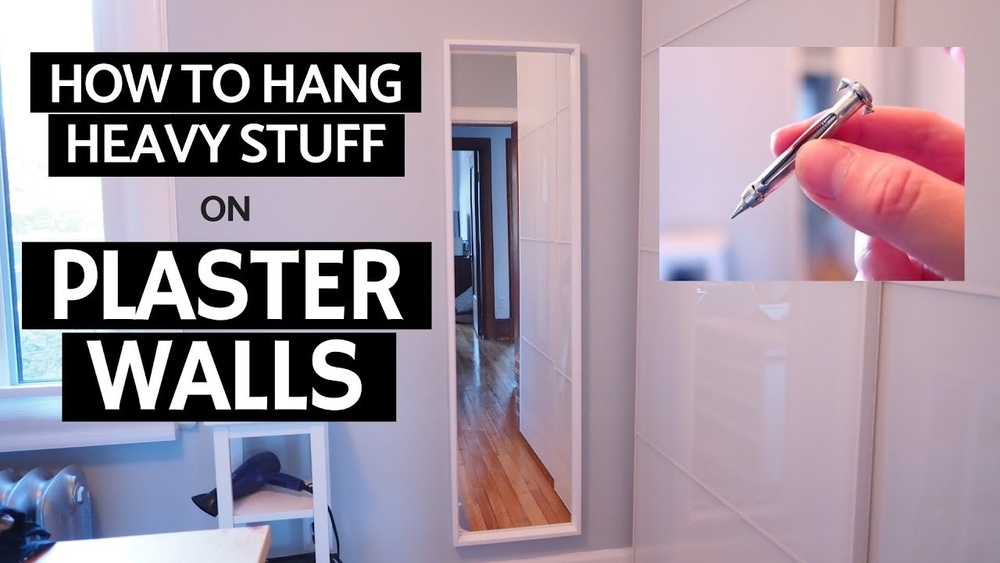
Choosing the right wall anchor size can make all the difference between a secure hold and a frustrating fail. You might think it’s a simple step, but picking the wrong size can lead to damaged walls or items falling down.
If you want your shelves, pictures, or mirrors to stay safely in place, you need to understand how to match the anchor size to your wall and the weight you’re hanging. You’ll discover clear, easy tips to help you pick the perfect wall anchor every time.
Keep reading to make your next project stronger and stress-free.
Types Of Wall Anchors
Choosing the right wall anchor starts with knowing the types available. Different anchors fit different wall materials and weight needs. Understanding each type helps you pick the best one for your project.
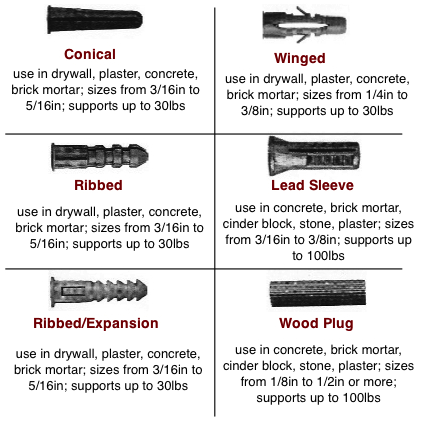
Plastic Anchors
Plastic anchors are common and easy to use. They work well in drywall and plaster walls. These anchors expand as you screw in, holding firmly. Best for light to medium loads like small shelves or pictures.
Metal Anchors
Metal anchors offer stronger support than plastic ones. They resist bending and are good for medium-weight items. Metal anchors fit well in drywall or masonry walls. Ideal for hanging mirrors or heavier frames.
Toggle Bolts
Toggle bolts have wings that open behind the wall. They spread the load over a large area. These anchors hold heavy items on hollow walls. Perfect for large shelves or cabinets.
Molly Bolts
Molly bolts expand inside the wall as you tighten them. They create a secure hold in drywall and plaster. Molly bolts are strong and reusable. Use them for medium to heavy objects like curtain rods or towel racks.
Credit: www.do-it-yourself-help.com
Factors Influencing Anchor Size
Measuring for the right anchor is key to a strong hold. The anchor must fit the hole and the wall perfectly. A good fit stops the anchor from slipping or breaking. Follow simple steps to measure for the right size anchor. This makes your project safe and sturdy.
Determining Hole Size
Start by choosing a drill bit that matches the anchor size. The hole should be just wide enough for the anchor to fit tightly. Too big a hole makes the anchor loose. Too small a hole can crack the wall or damage the anchor. Measure the drill bit diameter with a ruler or caliper. Match it exactly to the anchor’s diameter for the best fit.
Assessing Wall Thickness
Check how thick your wall is before picking an anchor. Thin walls need shorter anchors to avoid pushing through. Thick walls require longer anchors to grip inside firmly. Use a tape measure or depth gauge to find the wall thickness. This helps to avoid damage and ensures the anchor holds well inside.
Choosing Anchor Length
Anchor length should match the combined wall thickness and the weight of your item. Longer anchors provide better grip in thick walls. Short anchors work better in thin walls and hollow materials. Measure the space behind the wall surface to avoid hitting pipes or wires. Pick an anchor length that fits snugly without extra force.
Measuring For The Right Anchor
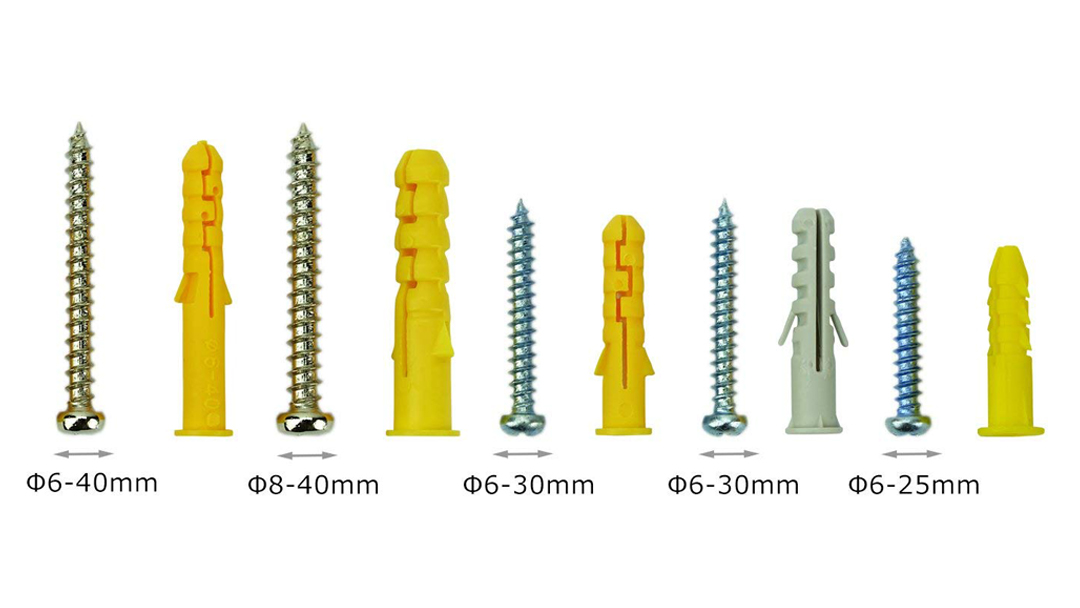
Matching the right wall anchor to the screw size is key for a strong hold. The anchor must fit the screw diameter and length exactly. Too small or too big can cause weak support or damage.
Understanding the screw size helps pick the correct anchor. It ensures the screw fits tight inside the anchor for better grip. This section breaks down how to match anchor size with screw diameter and length.
Screw Diameter Compatibility
The screw diameter must match the anchor’s inner hole size. A screw too thick will split the anchor or not fit. A screw too thin will wobble and fail to hold.
Check the screw packaging for its diameter size. Choose an anchor designed for that exact diameter. Most anchors list the screw sizes they fit on the package.
Using the right diameter avoids anchor damage. It also keeps the screw secure inside the wall. This step is critical for lasting support.
Screw Length Considerations
The screw length impacts how deep it goes into the anchor. A screw too short won’t reach far enough for a firm hold. A screw too long may push through the wall or anchor.
Measure the wall thickness and add the anchor length. Pick a screw that is slightly longer than the total depth. This ensures the screw anchors well without damage.
Proper screw length keeps the anchor gripping inside the wall. It prevents loose or unstable mounting. Always check the screw length against your anchor and wall size.
Credit: drywallrepairman.com
Matching Anchor To Screw Size
Choosing the right wall anchor size is only the first step. Proper installation ensures the anchor holds firmly and safely. Follow these tips for a secure and lasting fit. Pay attention to each step to avoid loose or damaged anchors.
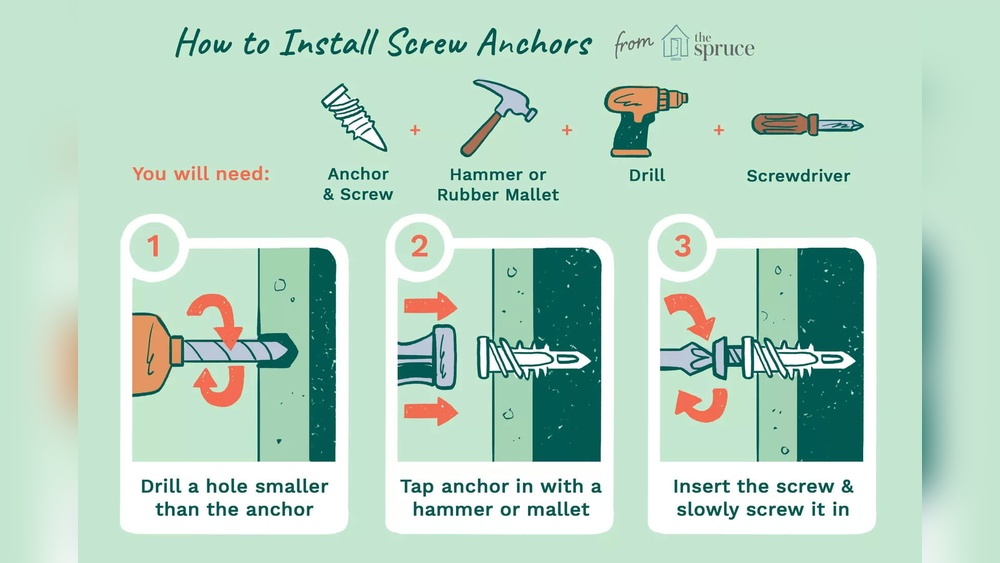
Drilling The Correct Hole
Use a drill bit that matches the anchor size exactly. Too big or too small holes weaken the hold. Drill straight into the wall, keeping the bit level. Clear any dust or debris from the hole before inserting the anchor.
Proper Anchor Insertion
Push the anchor gently into the hole until it is flush with the wall. Use a hammer lightly if needed. Avoid forcing the anchor too hard, which can crack the wall. Make sure the anchor sits tight without wobbling.
Avoiding Common Mistakes
Do not reuse old holes; they are often too large. Never skip cleaning the hole. Don’t use an anchor smaller or bigger than recommended. Avoid over-tightening screws, which can break the anchor. Check the anchor’s fit before hanging anything heavy.
Installation Tips For Best Fit
Testing anchor strength helps ensure your wall anchor holds safely. It confirms the anchor can carry the weight you plan to hang. This step prevents accidents and damage to walls.
Simple tests help find the right anchor size and type. Testing shows if the anchor fits well and grips the wall tightly. Weak anchors can pull out or break under load.
Load Testing Methods
One way to test anchor strength is by applying weight slowly. Use a scale or hanging object to add pressure. Watch if the anchor stays firm or moves.
Tugging on the anchor with your hand can give a quick check. Pull steadily and feel for any looseness. If it slips easily, the anchor is too small or weak.
Another method uses a pull tester tool. It measures the exact force the anchor can hold before failing. This is useful for heavy loads or safety-critical items.
Signs Of Anchor Failure
Look for cracks in the wall around the anchor. Crumbling or powdery material means poor grip. The anchor may also wiggle or spin in its hole.
Notice if the anchor pulls out slightly under load. Dropping or sagging objects show the anchor is failing. Any visible damage means you need a stronger anchor.
Listen for creaking or popping sounds during load tests. These sounds indicate stress and possible failure. Always replace anchors showing these warning signs.

Credit: www.ceres-tools.com
Frequently Asked Questions
What Size Wall Anchor Do I Need For Drywall?
Choose a wall anchor size based on the weight of the item. For light loads, use anchors 1 to 1. 5 inches long. Heavier items require larger anchors, typically 2 inches or more, for better grip and support within drywall.
How To Measure The Right Wall Anchor Size?
Measure the thickness of your wall and the screw diameter. The anchor length should match wall thickness. The anchor diameter should fit the screw snugly for secure fastening and optimal holding strength.
Can I Use A Bigger Wall Anchor Than Needed?
Using a bigger anchor may damage the wall or reduce hold. It can cause oversized holes and weaken the support. Always match anchor size to the load and wall type for best results.
Why Is Anchor Size Important For Wall Strength?
Correct anchor size ensures proper load distribution and wall integrity. Undersized anchors can fail, causing damage. Oversized anchors can weaken the wall. Right sizing guarantees safety and long-lasting support.
Conclusion
Choosing the right wall anchor size makes your project safer and stronger. Check the weight of the item you want to hang first. Match the anchor size to the wall type and load. Don’t guess—measure carefully and follow instructions. Small mistakes can cause big problems later.
Take your time to pick the best anchor. This helps avoid damage and keeps things secure. A good choice means your wall stays intact and your items hold steady. Simple steps bring better results every time.