Have you ever walked into a room only to find the lights turning on or off when you don’t want them to? Automatic light switches can be convenient, but sometimes they work against you—triggering at the wrong times or draining your energy bills.
If you want to take back control and stop these switches from deciding when your lights should shine, you’re in the right place. This guide will show you exactly how to disable your automatic light switch quickly and safely. Keep reading to learn the simple steps that put you in charge of your lighting again.

Credit: www.youtube.com
Reasons To Disable Auto Light Switch
Automatic light switches offer convenience but may not suit every situation. Many people choose to disable them for clear reasons. Understanding these reasons helps decide if turning off auto switches is right for your space.
Avoiding Unwanted Activations
Auto switches can turn lights on at odd times. Pets or moving curtains might trigger the sensor. This causes lights to waste electricity and disturb quiet rooms. Disabling the switch stops these random activations.
Saving Energy
Sometimes automatic lights stay on longer than needed. Sensors may not detect when a room is empty. Manually controlling lights can save more energy. You turn off lights exactly when you leave.
Improving Privacy
Auto lights can reveal your presence to neighbors or passersby. Lights turning on automatically may attract unwanted attention. Disabling the switch helps keep your home less visible at night. It adds a layer of privacy and control.
Types Of Automatic Light Switches
Automatic light switches turn lights on and off without manual effort. They save energy and add convenience. Various types exist, each working in a unique way. Understanding these types helps in disabling them correctly. Below are the main types of automatic light switches.
Motion Sensors
Motion sensor switches detect movement in a room or area. They turn lights on when someone enters. Lights turn off after no movement is detected. These sensors use infrared or ultrasonic signals. They are common in hallways, bathrooms, and outdoor spaces.
Photoelectric Sensors
Photoelectric sensors respond to light levels. They turn lights on at dusk and off at dawn. These switches use a small light sensor. They help save energy by using natural light. Outdoor lighting and garden lights often use photoelectric sensors.
Timer-based Switches
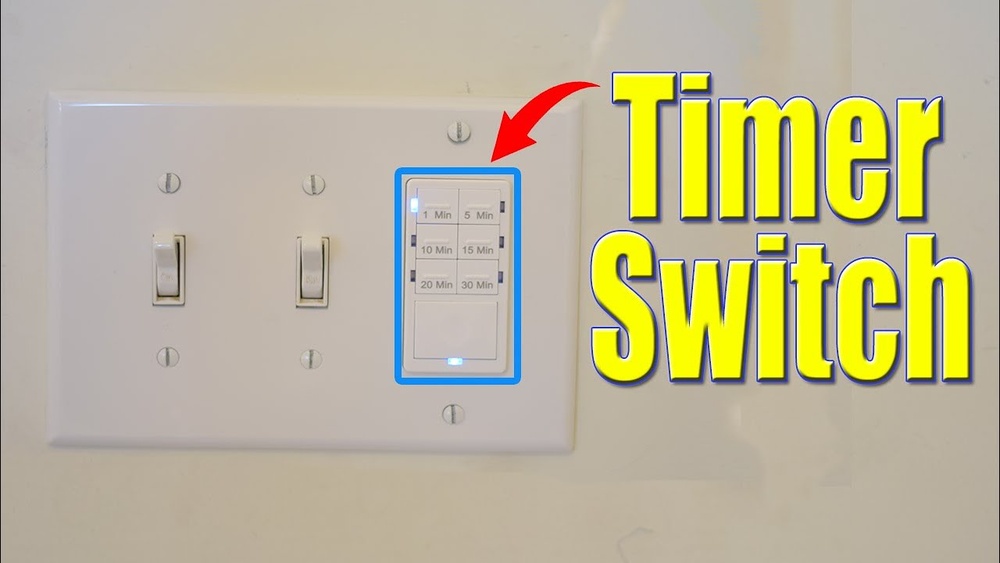
Timer switches control lights based on set times. Users program on and off times manually. Lights operate only during those set periods. These switches work well for security or routine lighting. They do not react to movement or light levels.
Tools Needed For Disabling
Disabling an automatic light switch requires specific tools. Having the right tools makes the process safe and smooth. Prepare all tools before starting to save time and avoid mistakes.
Basic Electrical Tools
Start with a flathead screwdriver and a Phillips screwdriver. These help remove the switch cover and screws. Use a voltage tester to check if wires have power. Wire strippers come in handy for cutting and cleaning wires. Needle-nose pliers help to bend and hold wires in place. Electrical tape is essential for insulating exposed wires. A small flashlight can help see inside dark switch boxes.
Safety Gear
Safety is key in electrical work. Wear insulated gloves to protect from shocks. Safety goggles protect your eyes from sparks and debris. Use rubber-soled shoes to avoid grounding yourself. Have a first aid kit nearby for emergencies. Work in a well-lit area to avoid mistakes. Never skip safety gear to prevent accidents.

Credit: www.reddit.com
Step-by-step Disabling Process
Disabling an automatic light switch is a simple task. Follow these clear steps to replace it with a manual switch. Safety is key throughout the process. Take your time to avoid mistakes.
Turn Off Power Supply
Switch off the main power to the light circuit. Use the circuit breaker to ensure no electricity flows. Double-check by trying to turn the light on. No light means the power is off.
Locate The Switch
Find the automatic light switch on the wall. It may have a sensor or timer attached. Note its position and how it is fixed to the wall. This helps during removal and replacement.
Remove The Cover Plate
Use a screwdriver to remove the cover plate carefully. Keep the screws safe for later use. Gently pull the switch from the wall. Avoid pulling wires forcefully to prevent damage.
Disconnect Sensor Or Timer
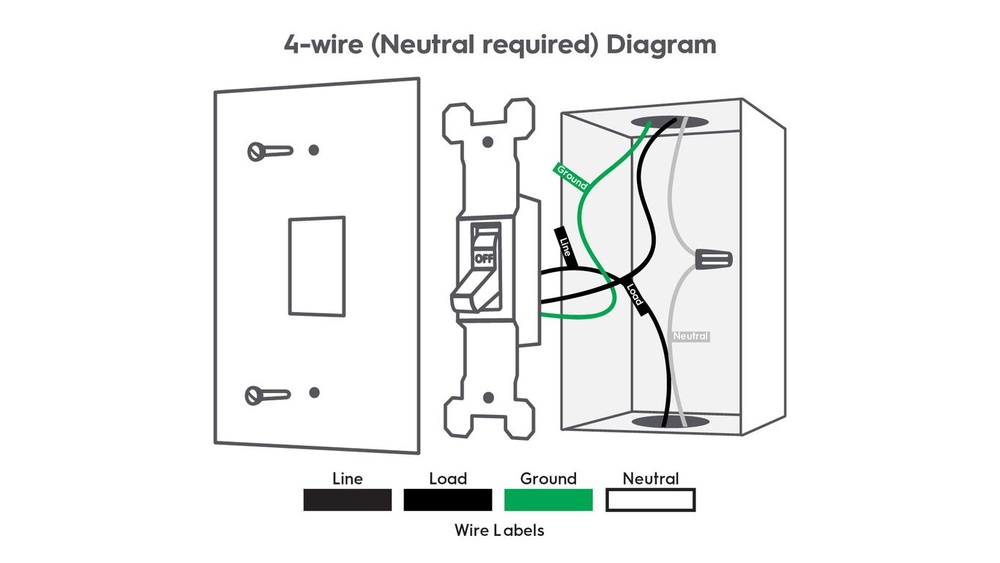
Identify wires connected to the sensor or timer. Take a photo or note wire positions before disconnecting. Unscrew or unplug the sensor carefully. Keep wires separated to avoid short circuits.
Replace With Manual Switch
Connect the wires to the new manual switch as noted. Tighten screws firmly to hold wires in place. Push the switch back into the wall box. Attach the cover plate securely using screws.
Test The New Setup
Turn the power back on at the breaker. Test the manual switch by turning the light on and off. Confirm the light works without delay or flicker. The manual setup is now ready to use.
Safety Tips During The Process
Disabling an automatic light switch needs careful attention to safety. Working with electrical parts can be risky without the right steps. Protect yourself and your home by following safety tips during the process.
Handling Electrical Components
Turn off the power at the circuit breaker before starting any work. Use a voltage tester to confirm no electricity flows to the switch. Wear rubber-soled shoes and avoid wet areas to reduce shock risk. Use insulated tools designed for electrical work. Do not touch wires with bare hands. Keep wires away from metal objects to avoid short circuits.
When To Call A Professional
Call an electrician if you feel unsure about any step. Complex wiring or old electrical systems need expert handling. Professionals ensure the job is safe and up to code. Avoid risking injury or damage by hiring help when needed. Electrical work is not worth taking chances.
Alternative Solutions To Disabling
Disabling an automatic light switch is not the only way to control your lighting. There are other options that let you keep the convenience of automatic lights but reduce unwanted switching. These alternatives are easy to use and can save energy and frustration.
Adjusting Sensor Settings
Many automatic light switches have settings to change sensitivity and timing. You can make the sensor less sensitive to movement. This stops lights from turning on too often. You can also adjust how long the light stays on after activation. Setting a shorter time helps save energy. Check the user manual to find how to adjust these settings.
Using Smart Switches
Smart switches connect to your phone or home system. They let you control lights remotely. You can set schedules or control lights by voice. Some smart switches allow you to disable automatic mode temporarily. This way, you still have full control without losing smart features.
Temporary Overrides
Many automatic switches include a manual override button. Press this button to turn lights on or off as you want. This override works until the next automatic cycle. It is useful when you want light for a longer time. It also lets you stop light from turning on at certain times.

Credit: www.reddit.com
Frequently Asked Questions
How Do I Disable An Automatic Light Switch?
To disable an automatic light switch, turn off the power first. Then, locate the switch wiring and disconnect the sensor wires. Finally, replace the automatic switch with a manual one for regular operation.
Can I Keep The Light Switch Manual After Disabling?
Yes, after disabling the automatic function, you can use a manual switch. This allows you to control the light on and off as needed.
Is It Safe To Disable An Automatic Light Switch Myself?
Disabling is safe if you follow safety steps. Always turn off the circuit breaker before working. If unsure, consult a licensed electrician to avoid risks.
Will Disabling Affect Energy Savings Of Automatic Switches?
Yes, disabling the automatic function may increase energy use. Automatic switches save energy by turning off lights when not needed.
Conclusion
Disabling an automatic light switch can save energy and reduce frustration. Follow simple steps to turn it off safely. Check the switch type before starting the process. Always cut power to avoid accidents. Test the switch after disabling to ensure it works correctly.
Taking control of your lighting makes your home more comfortable. Small changes can make a big difference in daily life. Keep this guide handy for quick reference anytime.