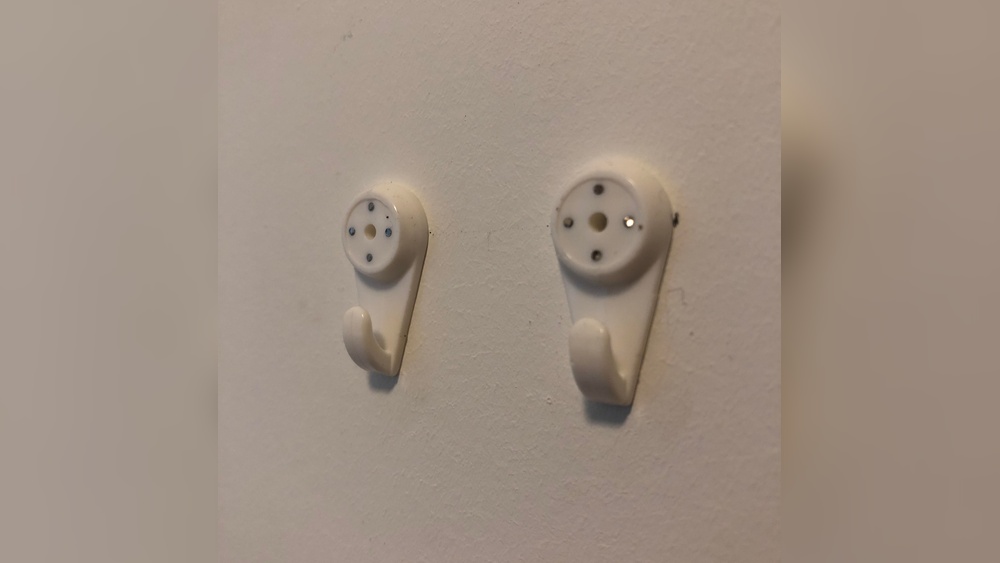
Are you struggling to remove adhesive hooks from your wall without causing damage? You’re not alone.
Those handy hooks can hold up your favorite pictures and decorations, but when it’s time to take them down, they can leave behind sticky residue or even peel paint. Don’t worry—this guide will show you simple, effective ways to get those hooks off cleanly.
Keep reading, and you’ll learn easy tricks that save your walls and make your space look flawless again.
Choosing The Right Adhesive Hook
Choosing the right adhesive hook is important for a clean and safe removal. The wrong hook can damage your wall or leave sticky residue. Knowing the types and which surfaces they work best on helps you pick the perfect hook.
Types Of Adhesive Hooks
Adhesive hooks come in various designs. Some have a plastic base with sticky pads. Others use gel or foam adhesives for stronger hold. There are also hooks with removable strips that peel off easily. Each type suits different weights and purposes.
Surface Compatibility
Not all hooks stick well on every surface. Smooth surfaces like glass, tile, or metal work best. Rough or porous walls like brick or textured paint may not hold well. Choose hooks labeled for your wall type to avoid damage or falling hooks.

Credit: www.youtube.com
Preparing For Removal
Preparing to remove adhesive hooks from your wall helps avoid damage. Proper preparation makes the process smooth and clean. Take time to gather tools and clean the area before removal.
Gathering Necessary Tools
Start by collecting all tools needed for removal. Common items include a hairdryer, dental floss, and a plastic card. These help loosen the adhesive and protect the wall. Have a clean cloth ready to wipe the surface after removal. Use gentle tools to avoid scratches or marks.
Cleaning The Area Around The Hook
Wipe the wall around the hook with a damp cloth. Remove dust and dirt for better access to the adhesive. A clean surface prevents debris from causing damage during removal. Let the area dry completely before starting. Clean walls help adhesive come off easily and reduce residue.
Step-by-step Removal Methods
Removing adhesive hooks from walls can be tricky. Doing it wrong might damage your paint or wall surface. Follow these simple steps to remove the hooks safely. Each method suits different situations and wall types. Choose the one that fits your needs best.
Peeling Off Slowly By Hand
Start by holding the hook firmly. Pull the hook gently away from the wall. Move slowly to avoid tearing paint or wallpaper. Use your fingers to peel the adhesive strip downwards. Keep pulling until the hook comes off completely. This method works well for fresh adhesive hooks.
Using Heat To Loosen Adhesive
Heat softens the glue, making it easier to remove hooks. Use a hairdryer on low heat near the adhesive. Warm the area for about 30 seconds. Then, pull the hook slowly while heating continues. Heat helps prevent paint from peeling off with the hook. Do not use too much heat to avoid damage.
Applying Dental Floss For A Clean Pull
Dental floss cuts the adhesive cleanly without damage. Slide a piece of floss behind the hook base. Use a gentle sawing motion to slice through the glue. Keep flossing until the adhesive strip releases from the wall. This method is perfect for delicate surfaces and stubborn hooks.
Handling Stubborn Residue
Removing adhesive hooks often leaves sticky residue on walls. This leftover glue looks messy and attracts dust. Handling stubborn residue needs gentle care to avoid wall damage. Some simple household items and products can help remove this sticky mess effectively. Choose the right method based on what you have at home and the wall type.
Using Rubbing Alcohol Or Vinegar
Rubbing alcohol and vinegar dissolve sticky glue well. Dab a cotton ball or cloth with rubbing alcohol or white vinegar. Gently rub the residue in a circular motion. Allow it to sit for a few minutes to soften the glue. Wipe away the residue with a clean cloth. Repeat if some sticky spots remain. These liquids evaporate fast and usually do not harm paint.
Applying Commercial Adhesive Removers
Commercial adhesive removers work quickly on tough glue. Choose a remover safe for painted walls. Apply a small amount onto a cloth or sponge. Rub the sticky residue gently until it loosens. Follow product instructions carefully to avoid stains. After the glue disappears, clean the area with warm water. These products can save time on stubborn spots.
Natural Alternatives For Residue Removal
Natural options include cooking oil, peanut butter, and baking soda. Cooking oil softens glue without harsh chemicals. Spread a little oil on the residue and wait 5-10 minutes. Rub with a cloth to lift the sticky bits. Peanut butter’s oils also break down adhesive. Baking soda mixed with water forms a paste to scrub residue. These natural methods are safe for delicate walls.
Preventing Wall Damage
Removing adhesive hooks from walls can be tricky. Damage can happen if you are not careful. This section shows how to keep your walls safe while removing hooks. Follow these simple tips to protect your paint and wallpaper and fix small wall problems.
Avoiding Excessive Force
Pulling hard on adhesive hooks can peel paint or leave marks. Gently stretch the adhesive strip downwards, not outwards. Slow, steady pressure helps release the hook without damage. Avoid yanking or quick pulls that harm the wall surface.
Protecting Paint And Wallpaper
Heat softens adhesive, making removal easier. Use a hairdryer on low heat near the hook for a minute. This loosens the glue and reduces wall damage. Be careful with wallpaper—test heat on a small spot first. Use a plastic card to lift the edge gently.
Repairing Minor Wall Imperfections
Small scratches or holes can happen after removal. Use a light spackling paste to fill holes. Smooth with a putty knife and let dry. Sand the area gently and repaint if needed. These quick fixes keep your wall looking fresh and neat.

Credit: www.reddit.com
Tips For Future Hook Use
Using adhesive hooks is a great way to keep your walls organized. They are easy to use and remove. To make sure they work well in the future, some care and attention are needed. Follow these simple tips to keep your hooks strong and your walls safe.
Selecting Damage-free Adhesive Hooks
Choose hooks designed for damage-free use. Look for brands that promise no wall marks. Pick hooks that fit the weight you want to hang. Avoid cheap hooks that can peel off paint or wallpaper. Always check user reviews for reliability.
Proper Installation Techniques
Clean the wall surface with rubbing alcohol before sticking the hook. Avoid using soap or water as they leave residue. Press the hook firmly for 30 seconds to secure it well. Let the adhesive set for one hour before hanging anything. Follow the weight limits stated by the manufacturer.
Maintaining Hooks For Easy Removal
Remove hooks slowly by pulling the adhesive strip downwards. Don’t pull the hook straight out from the wall. Keep the adhesive strip clean and dry to maintain stickiness. Replace the adhesive strips regularly if you reuse the hooks. Store hooks in a cool, dry place when not in use.

Credit: www.youtube.com
Frequently Asked Questions
How Do I Safely Remove Adhesive Hooks From Walls?
To safely remove adhesive hooks, gently pull the tab straight downwards. Avoid pulling it outward to prevent wall damage. Slowly stretch the adhesive strip until it releases. Use a hairdryer to soften adhesive if needed. Clean the area afterward with mild soap and water.
Can Adhesive Hooks Damage Wall Paint?
Adhesive hooks can damage paint if removed incorrectly. Pulling the strip sideways or too quickly may peel paint. Always stretch the adhesive strip slowly and straight down. Using a hairdryer to warm the adhesive helps reduce paint damage risk. Test on a small area before full removal.
What Tools Help Remove Adhesive Hooks Easily?
Usually, no tools are needed to remove adhesive hooks. A hairdryer can help soften the adhesive for easier removal. Use a plastic card to gently lift edges if stuck. Avoid metal tools that can scratch or damage the wall surface.
How To Clean Wall After Removing Adhesive Hooks?
After removal, clean the wall with warm, soapy water. Use a soft cloth to remove adhesive residue gently. For stubborn residue, apply rubbing alcohol or adhesive remover carefully. Ensure the wall is dry before repainting or reapplying hooks.
Conclusion
Removing adhesive hooks from walls does not have to be hard. Use gentle pulling and heat to avoid damage. Patience helps keep your walls clean and smooth. Avoid rushing to prevent peeling paint or marks. These simple steps save time and effort.
Now, you can easily take off hooks without worry. Your walls will look neat and ready for new decorations. Try these tips next time you remove adhesive hooks. Simple care makes a big difference.