
Are you ready to boost your home’s security with a Baldwin deadbolt but unsure how to put it together? You’re in the right place.
Assembling your Baldwin deadbolt might seem tricky at first, but with the right steps, you can do it quickly and confidently. This guide breaks down the process into simple, clear instructions so you can protect your home without frustration. Keep reading, and by the end, you’ll have your deadbolt installed like a pro.
Tools Needed
Assembling your Baldwin deadbolt requires some basic tools. Having the right tools ready makes the process faster and easier. You do not need many items. Just a few common tools will help you install the lock correctly.
Phillips Head Screwdriver
This screwdriver is essential for tightening screws. Most Baldwin deadbolt screws have a Phillips head. A good grip on the screwdriver helps avoid slipping. It also prevents damage to the screws or lock parts.
Flat Head Screwdriver
A flat head screwdriver can help in some steps. Use it to pry or adjust small parts carefully. It can also help remove old screws or parts. Keep it handy during assembly for quick fixes.
Measuring Tape
Measuring tape ensures proper placement of the deadbolt. Measure the door thickness and backset before installation. Correct measurements prevent problems with the lock’s fit. It helps align the deadbolt perfectly.
Drill With Drill Bits
You might need a drill to make holes for screws. Use the right size drill bits for pilot holes. This tool speeds up the process and ensures secure screw placement. It is useful if your door has no existing holes.
Pencil Or Marker
Marking the door is easier with a pencil. Use it to note drilling spots and alignment marks. Clear marks guide you during installation. Avoids mistakes and keeps the process smooth.

Credit: www.baldwinhardwaredirect.com
Check Package Contents
Start by opening the package and laying out all parts on a flat surface. Confirm every piece matches the list in the instruction manual. Missing or extra parts can affect the assembly process.
Before starting the assembly, check the package contents carefully. This step helps avoid missing parts during installation. A complete package ensures smooth and quick assembly of your Baldwin deadbolt.
Take everything out of the box and lay it on a clean surface. Compare the items with the instruction manual’s list. Each piece has a purpose in the lock system.
Identify The Lock Components
Look for the main parts: the exterior keypad or thumb turn, and the interior lock assembly. These are the core pieces that fit on each door side. Check that both parts match the model number on the box.
Locate The Mounting Hardware
Find screws, strike plates, and mounting plates. These small items hold the lock together and fix it to the door. Count the screws and verify their sizes. This avoids confusion during assembly.
Check For Batteries And Tools
Some Baldwin deadbolts use batteries to power electronic features. Check if batteries come with the package. Also, see if the package includes any small tools or keys. Having these ready helps complete the setup faster.
Prepare The Door
Preparing the door is the first step in assembling your Baldwin deadbolt. This step ensures the lock fits perfectly and works smoothly. Take your time to get the door ready before installing the deadbolt.
Marking Drill Points
Start by measuring the right height for your deadbolt on the door. Use a pencil to mark the points where you will drill. These marks guide your drilling to avoid mistakes.
Double-check the marks with the template that comes with the lock. Make sure the marks line up with the door edge and faceplate. Accurate marks lead to easier installation and a secure fit.
Drilling Holes
Use a drill with the correct bit size for the deadbolt holes. Drill carefully at the marked points. Keep the drill straight to avoid angled holes.
First, drill the hole through the face of the door for the lock cylinder. Then, drill the hole on the edge of the door for the latch. Clean the holes from any wood chips.
Check the holes fit the lock parts before moving to the next step. Proper drilling makes your deadbolt strong and reliable.
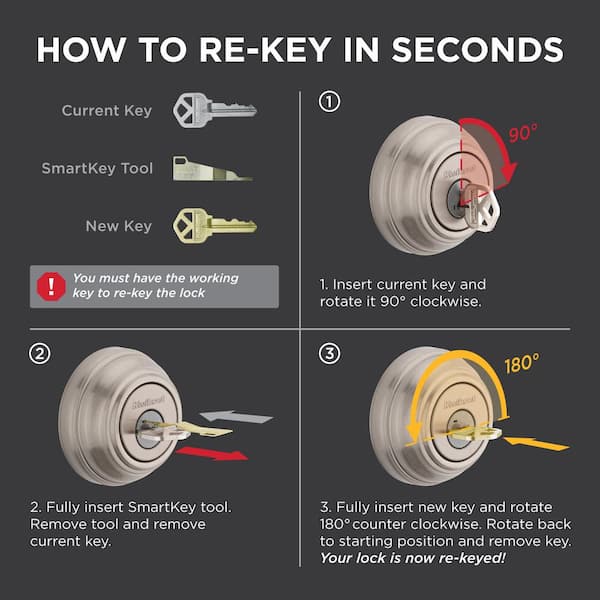
Credit: www.homedepot.com
Install Deadbolt Mechanism
Installing the deadbolt mechanism is a key step in securing your Baldwin deadbolt. This process ensures your lock works smoothly and provides strong protection. Follow the steps carefully for a proper fit. Take your time to avoid mistakes. Here’s how to install the mechanism correctly.
Insert Deadbolt
Start by sliding the deadbolt into the door’s edge hole. Make sure the bolt’s slant faces the door frame. Push it in until it sits flush with the door. Check that the bolt moves freely by turning the thumb turn. It should slide smoothly without sticking.
Secure Latch Plate
Place the latch plate over the bolt on the door edge. Align it with the screw holes. Use the screws provided to fasten the latch plate tightly. Tight screws keep the deadbolt stable and secure. Avoid over-tightening to prevent damage to the door.
Attach Exterior Assembly
Attaching the exterior assembly is a key step in installing your Baldwin deadbolt. This part holds the key cylinder and the outer plate, securing the lock on the door. Proper attachment ensures smooth operation and strong security.
Take your time to align and fix each piece carefully. Small errors can cause the lock to jam or not work correctly.
Aligning Key Cylinder
Start by placing the key cylinder through the hole in the door. Check that the cylinder fits snugly and the keyhole faces the right direction. Align the cylinder so it moves freely without forcing it. Make sure the tailpiece on the back of the cylinder lines up with the inner mechanism.
Keep the cylinder steady while you prepare to attach the exterior plate. Proper alignment helps the deadbolt turn smoothly with the key.
Fixing Exterior Plate
Next, position the exterior plate over the key cylinder on the outside of the door. The plate should sit flat against the door surface. Use screws provided to secure the plate tightly. Tighten screws evenly to avoid warping the plate or misaligning the cylinder.
Check for any gaps or loose parts after fixing the plate. The assembly should feel firm and stable. This step locks the exterior assembly in place, ready for the next installation phase.
Attach Interior Assembly
Attaching the interior assembly is a key step in installing your Baldwin deadbolt. This part connects the inside thumb turn and secures the lock to your door. Follow each step carefully to ensure smooth operation.
Positioning Thumb Turn
Start by placing the thumb turn on the interior side of the door. Align it with the spindle coming through the door. Make sure the thumb turn sits flat and turns freely. This allows easy locking and unlocking from inside.
Securing Interior Plate
Next, align the interior plate over the thumb turn assembly. Hold it firmly against the door surface. Insert screws into the plate holes and tighten them evenly. This keeps the assembly stable and prevents any wobble.
Test Lock Function
Testing the lock function is a key step after assembling your Baldwin deadbolt. It ensures your lock works smoothly and safely. This check helps avoid problems later, such as a stuck bolt or difficulty turning the key. Simple tests can confirm if the installation is correct.
Check Locking And Unlocking
Start by turning the key to lock the deadbolt. Notice if the bolt moves smoothly into the door frame. Then, turn the key the other way to unlock. The bolt should fully retract without resistance. Try the thumb turn on the inside too. Both sides must operate easily and quietly. If the bolt doesn’t move smoothly, the lock may need adjustment.
Adjust If Necessary
If the bolt sticks or does not align with the strike plate, adjust the lock. Loosen the screws on the lock face and shift it slightly. Tighten screws again and test the lock. Sometimes, the strike plate needs repositioning. Use a screwdriver to move it for better bolt fit. Keep testing until the bolt moves freely every time.
Troubleshooting Tips
Troubleshooting your Baldwin deadbolt can save time and prevent frustration. Small problems often have simple solutions. Check common issues before calling for help. This section covers easy tips to fix usual deadbolt problems quickly.
Check The Alignment Of The Deadbolt
Misalignment causes the deadbolt to stick or not lock. Make sure the bolt lines up with the strike plate. Adjust the strike plate by loosening screws and moving it slightly. Test the lock after adjustment for smooth operation.
Inspect The Lock Cylinder
Dirt or debris in the cylinder can block the key. Use a spray lubricant designed for locks. Avoid oil-based sprays that attract dust. Insert and remove the key several times to spread lubricant evenly.
Tighten Loose Screws
Loose screws can cause the lock to wobble or fail. Check all screws on the lock and strike plate. Use a screwdriver to tighten any that are loose. Be careful not to overtighten and strip the screws.
Test The Key For Damage
A worn or bent key may not turn the lock properly. Inspect the key for bends or cracks. Try using a spare key if available. Replace damaged keys to avoid lock problems.
Ensure Proper Installation Of Internal Parts
Incorrect assembly inside the lock can cause malfunction. Remove the lock and review assembly instructions. Check that all parts fit snugly and move as they should. Reassemble carefully, confirming each piece is in place.

Credit: level.co
Frequently Asked Questions
How Do I Start Assembling My Baldwin Deadbolt?
Begin by unpacking all parts and reading the instruction manual. Align the deadbolt with the door’s edge. Insert the bolt and secure it with screws to ensure proper fit.
What Tools Are Needed For Baldwin Deadbolt Assembly?
You typically need a Phillips screwdriver, tape measure, and pencil. A drill may be required for new door installations. Having these tools ensures smooth and efficient assembly.
How Do I Align The Deadbolt For Smooth Operation?
Ensure the bolt slides freely into the strike plate. Adjust the strike plate position if necessary. Proper alignment prevents jamming and enhances lock security.
Can I Install A Baldwin Deadbolt On Any Door Type?
Baldwin deadbolts fit most standard wooden and metal doors. Check door thickness to match lock specifications. Custom doors may require additional modifications.
Conclusion
Assembling your Baldwin deadbolt is simple with clear steps. Take your time and follow each instruction carefully. Use the right tools to avoid mistakes. Check that all parts fit snugly before tightening screws. Test the lock to make sure it works smoothly.
A properly installed deadbolt keeps your home safe. Feel confident knowing you did the job yourself. Keep your door secure and enjoy peace of mind. Small effort, big protection.

