Choosing the right light switches can make a big difference in your home’s comfort and style. You might think all switches are the same, but the truth is, the perfect switch can improve how you use your space every day.
Whether you want something simple, smart, or stylish, this guide will help you find switches that fit your needs and your home. Keep reading, and you’ll discover easy tips to pick light switches that work perfectly for you.
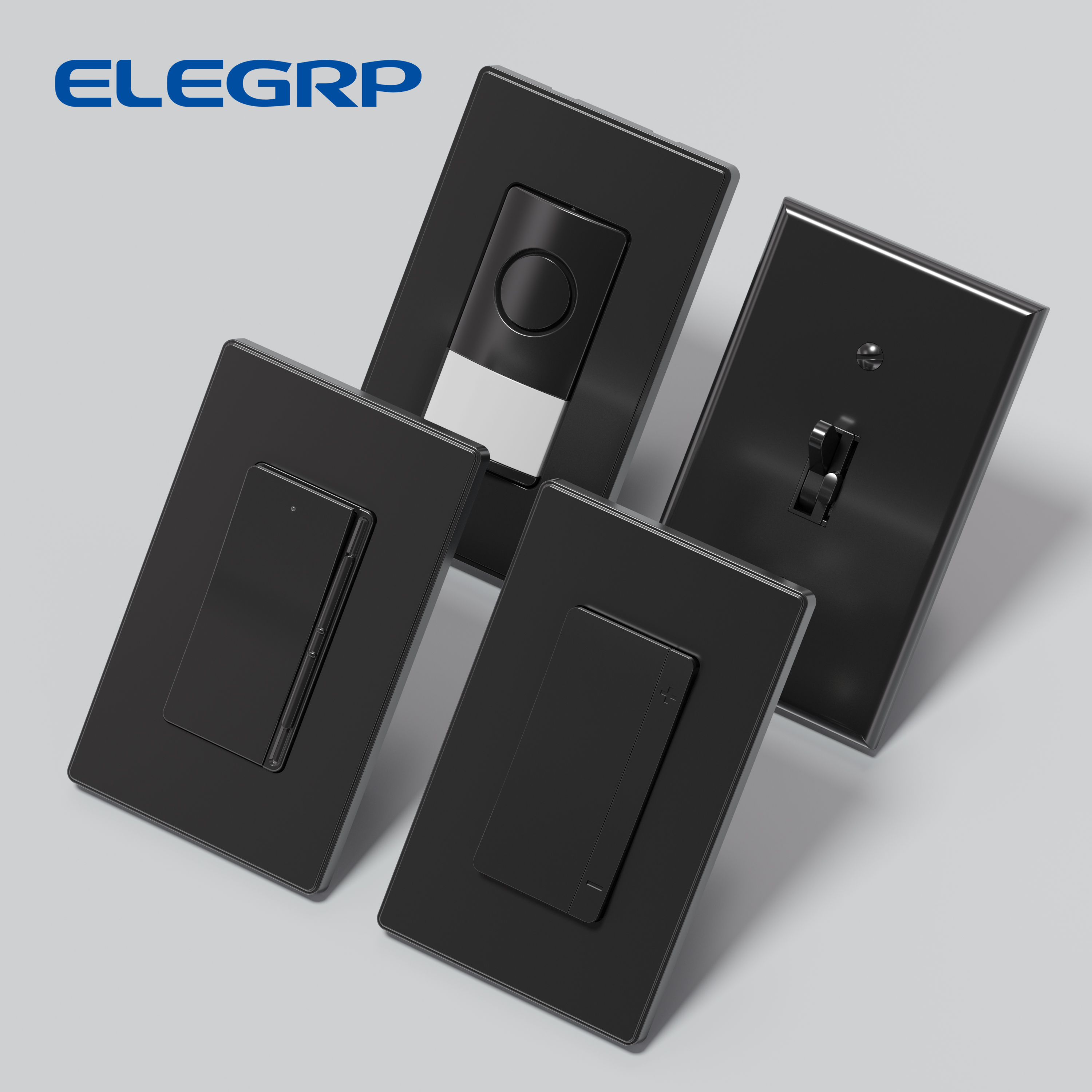
Credit: smartbuy.alibaba.com
Types Of Light Switches
Choosing the right light switch can change how you control your lights. Different types of switches offer different benefits. Knowing the main types helps you pick the best one for your space. Here are the most common types of light switches.
Toggle Switches
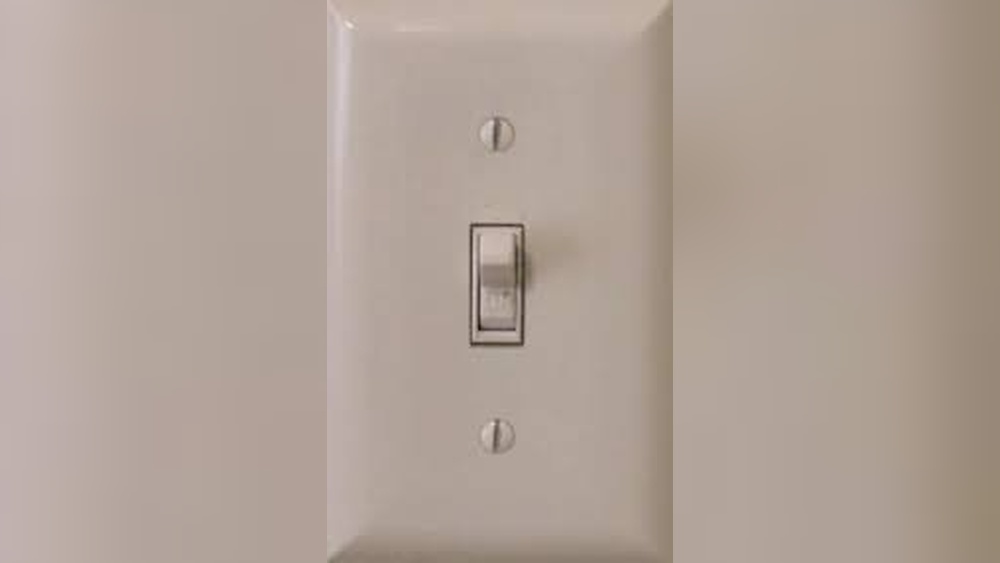
Toggle switches are the classic up-and-down switches. They are easy to use and very common in homes. You flip the switch up to turn lights on and down to turn them off. Their simple design makes them a reliable choice for most rooms.
Rocker Switches
Rocker switches have a flat, wide surface that you press. They look modern and are easier to use for some people. Pressing one side turns the light on, pressing the other side turns it off. They fit well in contemporary homes.
Dimmer Switches
Dimmer switches let you adjust light brightness. You can create soft or bright lighting with a dial or slider. They save energy and add comfort to rooms. Great for living rooms, bedrooms, or dining areas.
Smart Switches
Smart switches connect to your phone or voice assistant. You control lights remotely or set schedules. They add convenience and can save energy. Ideal for tech-friendly homes and busy lifestyles.
Factors To Consider
Choosing the right light switches affects both style and function in your home. Many factors matter. These factors ensure safety, comfort, and efficiency. Understanding them helps you pick switches that fit your needs well.
Switch Location
Consider where you place the switch. Near doorways is common for easy reach. Avoid spots that are hard to access or hidden. Outdoor switches need weatherproof designs. Think about who will use it and how often.
Electrical Load
Check the electrical load the switch must handle. Different switches suit different power levels. Using a switch with the wrong load can cause damage. Always match the switch rating with your light’s power needs.
Compatibility With Fixtures
Switches must work with your light fixtures. Some lights need special switches like dimmers or timers. Confirm the switch fits the fixture type and bulb. This prevents flickering or poor performance.
User Convenience
Choose switches that are easy to use. Large buttons or rocker switches help people with limited hand strength. Consider smart switches for remote control. Good switches improve daily comfort and usability.
Design And Style Choices
Choosing the right design and style for light switches helps improve your room’s look. These small details can change the whole feel of a space. Consider materials, colors, and switch plate designs to find the best match for your home. A well-chosen switch blends with your decor and adds a nice touch.
Material Options
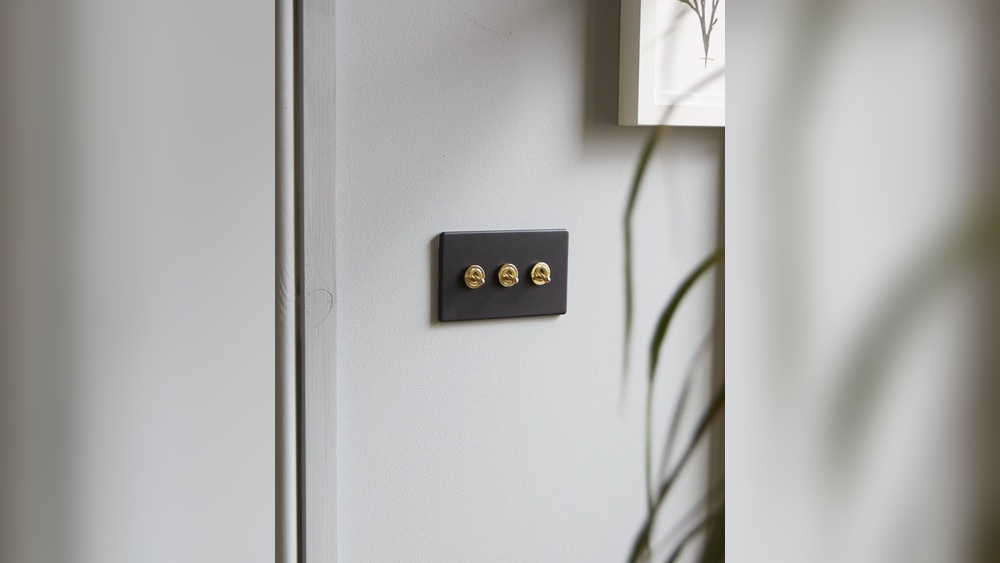
Light switches come in many materials. Plastic is common and easy to clean. Metal switches offer a modern and sleek look. Wood adds warmth and a natural feel. Glass switches look stylish and can catch the light. Choose a material that fits your room style and use.
Color Matching
Colors can match or contrast with walls and furniture. White and beige are safe, classic choices. Dark colors like black or bronze create bold accents. Bright colors add fun and energy to kids’ rooms. Pick colors that fit the mood and style of your space.
Switch Plate Designs
Switch plates come in many shapes and styles. Smooth plates offer a clean, simple look. Textured or patterned plates add character and detail. Decorative plates can match themes like vintage or industrial. Select a plate design that complements your room’s style.
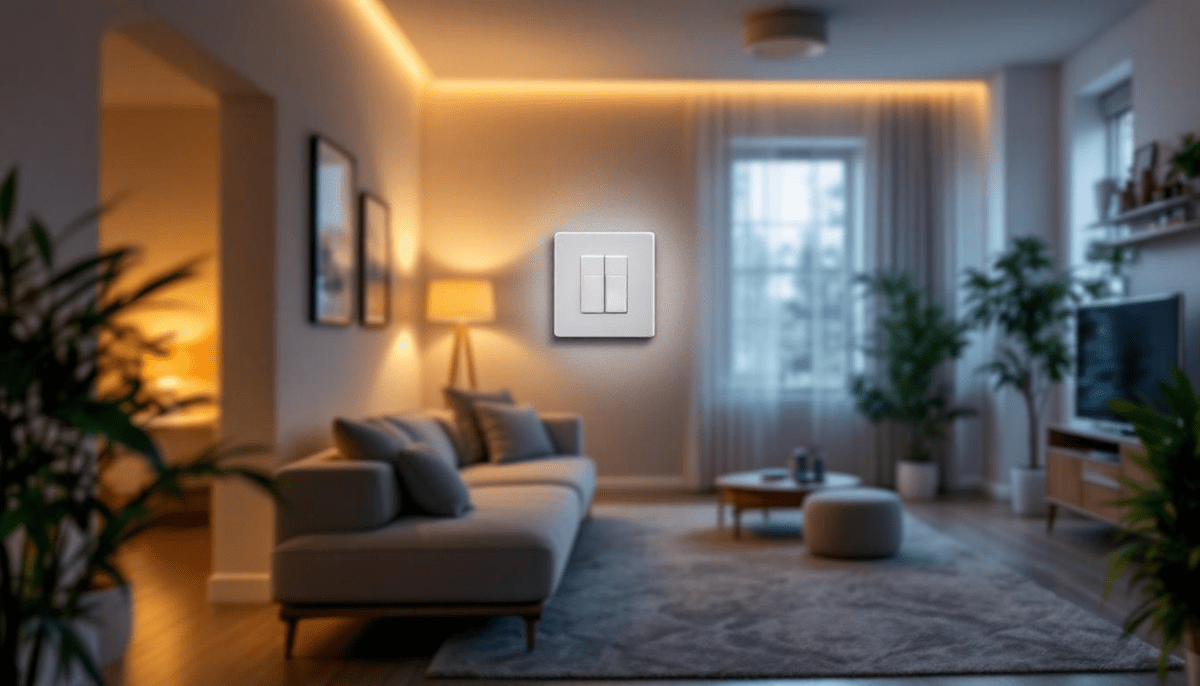
Credit: residencesupply.com
Safety And Code Compliance
Choosing the right light switches means more than style and function. Safety and code compliance protect your home and family. Meeting electrical codes prevents hazards like shocks and fires. Proper safety features keep children safe. Energy efficiency helps save money and power.
Wiring Standards
Light switches must follow local wiring rules. These rules control how switches connect to power. Proper wiring avoids short circuits and electrical fires. Use switches rated for your home’s voltage and current. Always hire a licensed electrician for installation. This ensures work meets safety codes.
Child Safety Features
Homes with kids need extra safety in switches. Look for switches with tamper-resistant designs. These block small objects from entering switch slots. Some switches have covers to prevent accidental use. Child-safe switches reduce risks of electric shock. They provide peace of mind for parents.
Energy Efficiency
Energy-saving switches lower electricity bills. Choose switches compatible with LED and CFL bulbs. Some switches have built-in timers or dimmers. These features reduce power use when not needed. Efficient switches help protect the environment. Save energy without sacrificing convenience.
Installation Tips
Installing light switches can improve your home’s look and function. Proper installation ensures safety and long-lasting use. Follow these tips to install switches correctly and avoid common mistakes.
Tools Needed
Gather all tools before starting the installation. You will need a screwdriver, voltage tester, wire stripper, and electrical tape. A flashlight helps if the area is dark. Having tools ready speeds up the process.
Step-by-step Guide
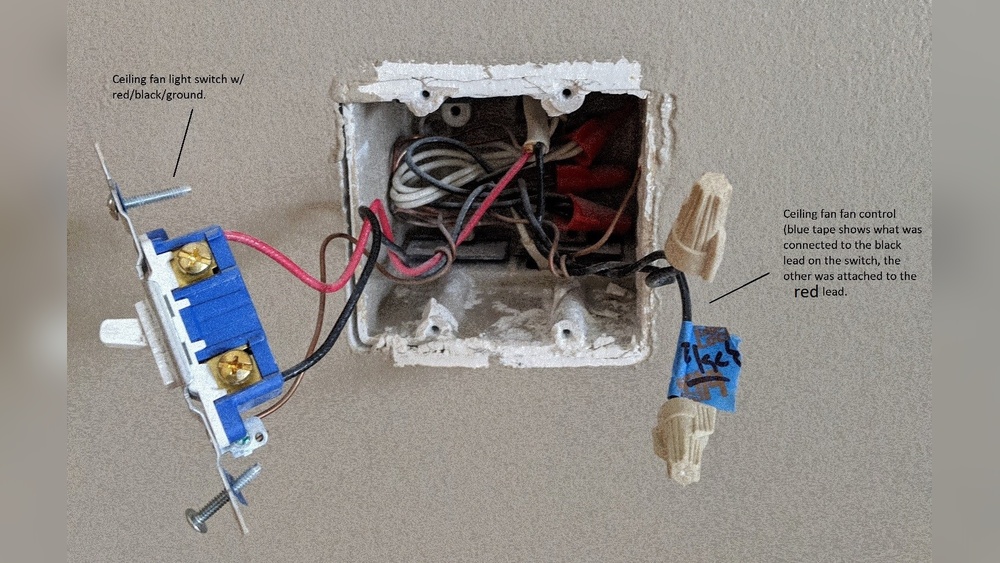
Turn off the power at the circuit breaker. Use the voltage tester to check wires are not live. Remove the old switch by unscrewing it carefully. Note how the wires connect before disconnecting them.
Strip the wire ends if needed. Attach wires to the new switch following the instructions. Secure screws tightly but avoid over-tightening. Place the switch into the box and screw it in.
Attach the switch cover plate. Turn the power back on and test the switch. Make sure the light works and the switch feels firm.
Hiring A Professional
Consider hiring an electrician for complex wiring or if unsure. Professionals have experience and tools to do the job safely. This reduces the risk of shock or fire. It also saves time and stress. Always choose a licensed electrician.
Maintenance And Troubleshooting
Choosing the right light switch is not only about style and function. Maintenance and troubleshooting play a big role in keeping your switches working well. Knowing what problems to expect and how to fix them saves time and money. It also keeps your home safe and comfortable.
Common Issues
Light switches may stop working or feel loose. Flickering lights often mean a loose connection. Sometimes, the switch makes a buzzing sound. This can signal a wiring problem or a faulty switch. Dirt and dust can build up inside, causing poor contact. Wear and tear from daily use also affects switch performance.
Replacement Guidelines
Turn off power before replacing any switch. Use a voltage tester to confirm no electricity flows. Remove the old switch carefully to avoid damaging wires. Match the new switch type with the old one, such as single-pole or dimmer. Tighten all wire connections securely but do not over-tighten. Always follow local electrical codes and safety rules.
Upgrading Switches
Upgrading to modern switches adds convenience and style. Consider smart switches for remote control and automation. Dimmer switches help adjust light levels and save energy. Choose switches with sturdy materials for longer life. Upgrade wiring if switches show frequent problems. Professional help is best for complex upgrades.

Credit: residencesupply.com
Frequently Asked Questions
What Types Of Light Switches Are Available?
Light switches come in toggle, rocker, dimmer, and smart types. Choose based on functionality, style, and room needs. Each type offers unique control and design features for different lighting setups.
How To Choose The Right Switch For Your Room?
Consider room size, lighting needs, and switch style. Bedrooms benefit from dimmers, kitchens from rocker switches. Match switch type with room function for optimal comfort and convenience.
Are Smart Light Switches Worth It?
Smart switches offer remote control, scheduling, and energy savings. They enhance convenience and home automation. Consider compatibility with your devices before purchasing.
What Factors Affect Light Switch Installation?
Check electrical compatibility, wall type, and wiring system. Professional installation ensures safety and proper function. Always follow local electrical codes and guidelines.
Conclusion
Choosing the right light switches makes a big difference at home. Think about style, function, and safety first. Pick switches that match your room’s look and your daily needs. Easy-to-use switches save time and energy. Don’t forget to check the quality and price.
Small details matter for comfort and convenience. Take your time to decide. Your perfect switch is out there, ready to brighten your space.