Have you ever found yourself stuck outside, struggling with a deadbolt that just won’t budge? It’s frustrating, stressful, and can leave you feeling helpless.
But what if you knew exactly how to disengage a deadbolt quickly and safely? You’ll discover simple, practical steps that anyone can follow to unlock a deadbolt without damaging your door or lock. Whether you’re locked out or just curious about how these locks work, reading on will give you the confidence and know-how to handle the situation like a pro.
Don’t let a stubborn deadbolt keep you out—let’s get you back inside.
Types Of Deadbolts
Deadbolts come in different types, each with its own way to secure doors. Knowing these types helps in understanding how to disengage them safely. This section explains the main deadbolt types used in homes and businesses.
Single Cylinder
Single cylinder deadbolts have a key slot on the outside. Inside, there is a thumb turn to lock or unlock. They are easy to use from inside without a key. These deadbolts are common on most doors.
Double Cylinder
Double cylinder deadbolts need a key on both sides. There is no thumb turn inside. This type adds extra security for doors with glass near the lock. Disengaging requires a key from inside or outside.
Keyless Deadbolts
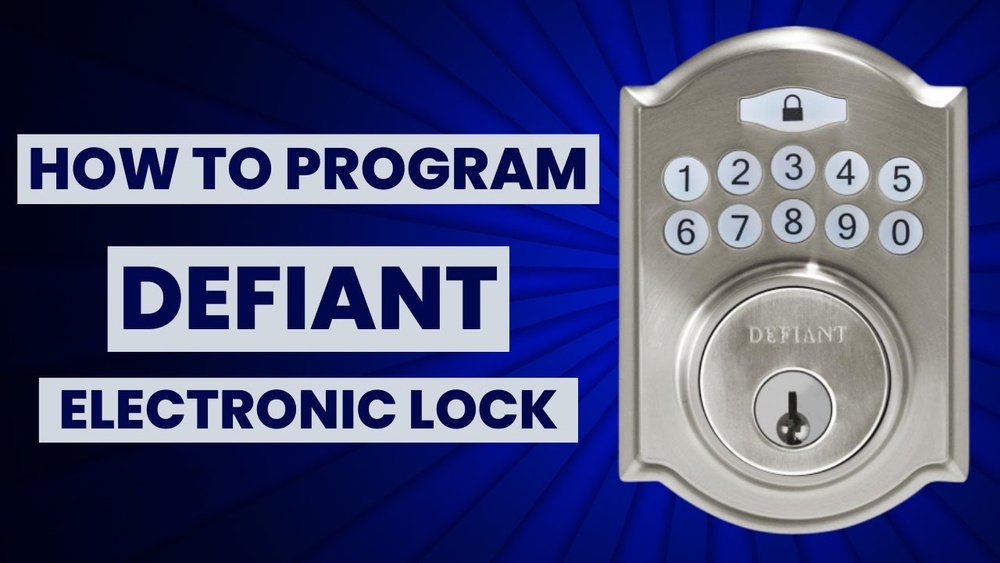
Keyless deadbolts use codes or buttons to unlock. No physical key is needed. Some models use fingerprint or smartphone access. They offer convenience and quick disengagement with the right code or device.
Common Reasons For Deadbolt Jamming
Deadbolt jamming causes frustration and delays. Knowing the common reasons helps fix the problem faster. Many times, simple issues cause the lock to stick. Identifying these issues can save time and money.
Misalignment Issues
Misalignment between the door and the frame often causes deadbolts to jam. The bolt may not fit into the strike plate properly. This can happen due to door sagging or loose hinges. Adjusting the strike plate or tightening hinges can solve this problem.
Worn Out Components
Deadbolts have parts that wear out over time. Springs, pins, and cylinders can become weak or damaged. This causes the lock to stick or fail to turn. Replacing worn parts restores smooth operation and prevents jamming.
Frozen Locks
Cold weather can freeze moisture inside the lock. Ice blocks the bolt from moving freely. This makes it hard to turn the key or knob. Applying de-icer or warming the lock can free it from ice.
Tools Needed To Disengage A Deadbolt
Disengaging a deadbolt requires specific tools to handle the lock safely and effectively. Choosing the right tools is key to avoid damage to the door or lock. Knowing these tools helps anyone prepare better for the task.
Basic Locksmith Tools
Pick sets include various picks and tension wrenches. They help manipulate the lock pins inside the deadbolt. Tension wrenches apply pressure while picks lift pins.
A bump key is a special key cut to fit many locks. It can help move pins quickly to open the deadbolt. This tool needs careful use and skill.
Plug spinners turn the lock core after it is picked. They allow the lock to open in the correct direction. These tools are small but very effective.
Key extractors remove broken keys stuck inside the lock. They are thin and designed to grip key fragments.
Improvised Tools
Paperclips can serve as makeshift picks or tension wrenches. Straighten one for a tension wrench and bend another for a pick.
Hairpins or bobby pins work similarly to paperclips. They offer some flexibility and strength for picking.
Screwdrivers can help remove lock covers or unscrew the deadbolt. A small flathead or Phillips head fits most screws.
Credit cards sometimes slide between the door and frame to push the latch. This method only works on spring locks, not deadbolts.

Credit: www.youtube.com
Step-by-step Deadbolt Disengagement
Disengaging a deadbolt can be simple with the right steps. Understanding each method helps you handle locked doors safely. The following guide explains how to unlock a deadbolt using different techniques. Each method fits different situations and tools.
Using A Key
Insert the correct key into the deadbolt lock. Turn the key slowly to the right or left. You will feel the lock mechanism move. Keep turning until the deadbolt slides back. Pull or push the door to open it. Always use the key designed for that lock.
Picking The Lock
Insert a tension wrench into the bottom of the keyhole. Apply light pressure in the direction the key turns. Use a pick tool to lift the pins inside the lock. Move the pick up and down gently. Once all pins are set, turn the wrench to open the lock. Practice helps improve this skill.
Bypassing The Lock
Identify if the deadbolt can be bypassed. Some locks have gaps between the door and frame. Slide a thin tool or shim into the gap. Push the deadbolt latch back carefully. This method only works on certain locks. Use gentle pressure to avoid damage.
Using A Credit Card
Choose a flexible plastic card, like an old credit card. Insert the card between the door and frame near the latch. Bend the card away from the door handle. Slide the card down and wiggle it. Try to push the latch back to open the door. This works best on spring latch locks, not all deadbolts.
When To Call A Professional
Knowing when to call a professional to disengage a deadbolt can save time and prevent damage. Sometimes, the lock is too complex or the situation is urgent. A skilled locksmith has the right tools and experience to handle tough locks safely.
Complex Lock Mechanisms
Some deadbolts have advanced features. These can include electronic parts or special keys. Attempting to open these without skill may break the lock. Professionals understand these designs and can unlock them properly.
Avoiding Damage
Trying to force a deadbolt open can harm the door or lock. This may lead to costly repairs or replacements. A locksmith uses gentle methods to protect your property. Calling a professional helps keep your door intact.
Emergency Situations
Locked out in bad weather or late at night? Emergencies require quick, safe solutions. A locksmith can arrive fast and resolve the problem. They provide peace of mind when time is critical.

Credit: www.reddit.com
Preventing Deadbolt Lockouts
Deadbolt lockouts can cause stress and delay. Avoiding these lockouts saves time and frustration. Simple steps can help keep you from being locked out. Focus on care, preparation, and technology to stay safe and free.
Regular Maintenance
Check your deadbolt often. Clean it to remove dirt and dust. Lubricate the lock with graphite or silicone spray. Avoid oil-based products that can gum up the mechanism. Test the key and lock several times a year. Fix any stiffness or problems quickly. Well-maintained locks work smoothly and reduce lockout risk.
Spare Keys
Keep spare keys in safe places. Give copies to trusted friends or family nearby. Avoid hiding keys in obvious spots like under mats. Use lock boxes or secure containers if needed. Spare keys allow quick access without damage or lock picking. Always have a backup ready for emergencies.
Smart Lock Alternatives
Consider smart locks for easier access. These use codes, apps, or fingerprints. No physical key needed means fewer lockouts. Some models allow temporary codes for guests. Make sure to choose reliable brands with good reviews. Smart locks can add convenience and reduce lockout chances.

Credit: www.youtube.com
Frequently Asked Questions
How Do You Unlock A Deadbolt Without A Key?
To unlock a deadbolt without a key, try using a credit card or a flat tool. Slide it between the door and frame while pushing the bolt back. This method works only on spring-latch locks, not on heavy deadbolts.
Can You Disengage A Deadbolt From Inside?
Yes, you can disengage a deadbolt from inside by turning the thumb turn or knob. This manually retracts the bolt, unlocking the door quickly and safely without a key.
What Tools Are Needed To Disengage A Deadbolt?
Typically, you only need a key or the inside thumb turn to disengage a deadbolt. In emergencies, tools like a screwdriver or lock pick set might help, but professional assistance is recommended for security.
How To Prevent A Deadbolt From Jamming?
To prevent deadbolt jamming, regularly lubricate the lock with graphite or silicone spray. Avoid forcing the key or thumb turn, and ensure the bolt aligns properly with the strike plate.
Conclusion
Disengaging a deadbolt can be simple with the right steps. Always stay calm and work carefully. Using the correct tools makes the process easier and safer. Remember to avoid forcing the lock to prevent damage. Practice these tips to handle deadbolts confidently.
Safety and patience matter most in every attempt. Keep this guide handy for future use. You can manage deadbolt locks without stress or confusion.