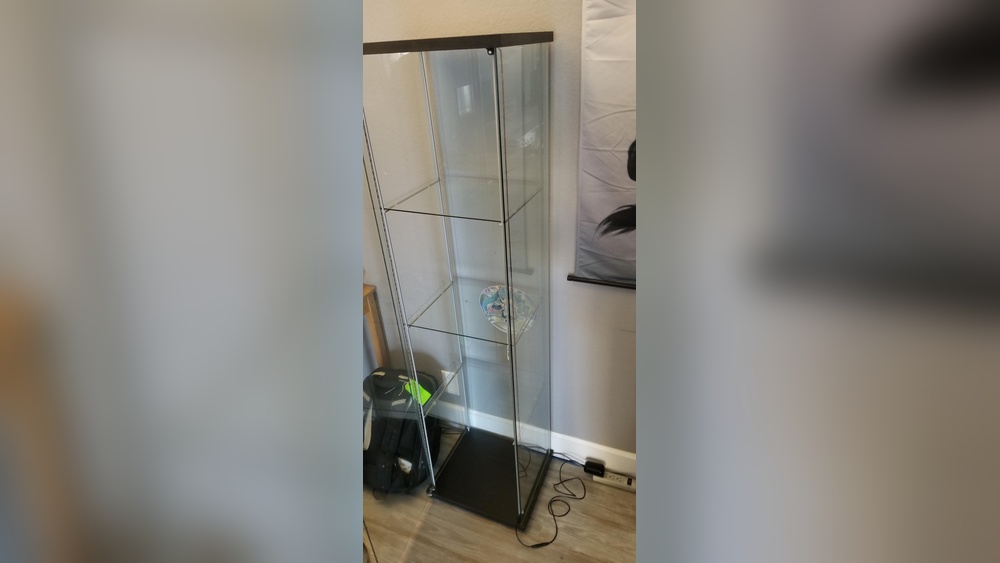
Are you worried about your bookcase tipping over and causing damage or injury? Securing your bookcase to the wall is the safest way to protect your home and loved ones.
But what if you have a baseboard in the way? Don’t worry—anchoring your bookcase to a wall with a baseboard is easier than you think. In this guide, you’ll discover simple, step-by-step instructions that anyone can follow. Keep reading to learn how to make your bookcase stable and secure without damaging your walls or baseboards.
Your peace of mind starts here.

Credit: www.reddit.com
Choosing The Right Tools
Choosing the right tools is key to safely anchoring a bookcase to a wall with a baseboard. The right tools help you work quickly and avoid damage. Good preparation makes the project easier and the result stronger. Focus on tools that fit the job and your skill level. This guide covers the must-have tools to get started.
Essential Anchoring Hardware
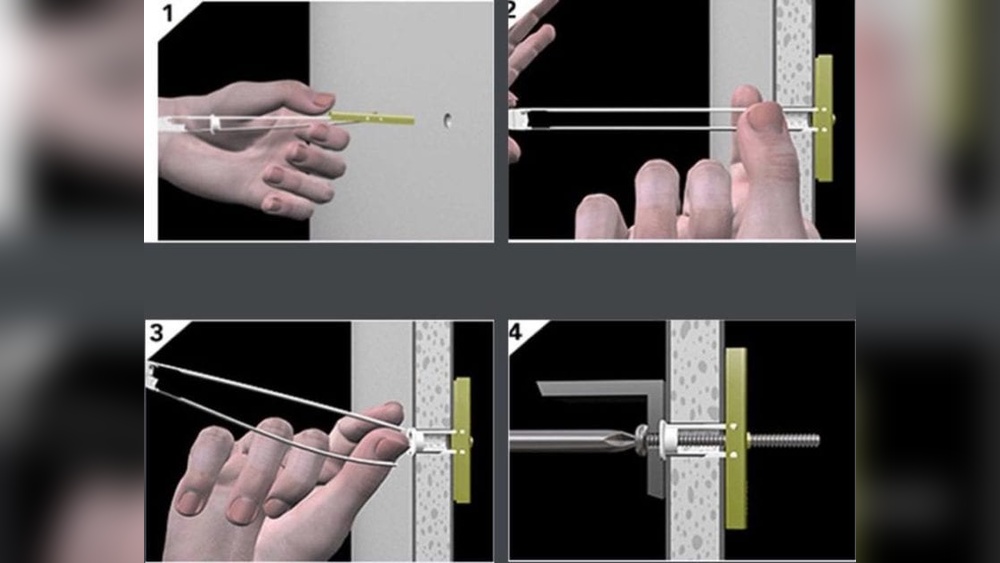
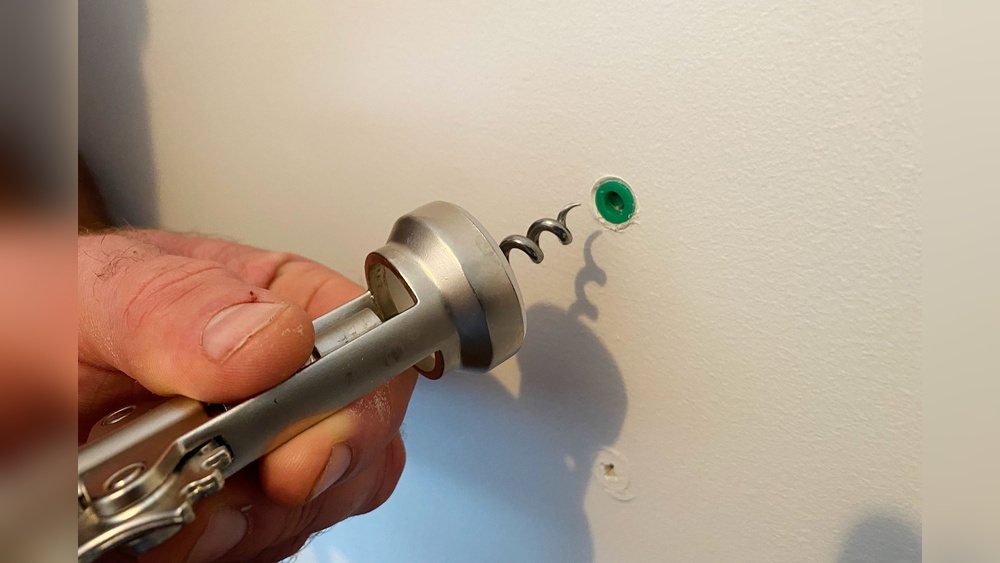
Start with strong anchors made for walls with baseboards. Use toggle bolts or heavy-duty wall anchors. These hold the bookcase firmly without damaging the baseboard. Choose screws that fit the anchor size and the bookcase frame. Pick hardware that matches your wall type, like drywall or plaster. Quality hardware ensures the bookcase stays safe and steady.
Tools For Drilling And Measuring
A power drill is vital for making holes quickly. Use a drill bit that matches the anchor size. A stud finder helps locate wall studs behind the baseboard. Mark spots with a pencil to drill accurately. A tape measure ensures correct height and spacing. A level keeps the bookcase straight and balanced. These tools make anchoring precise and simple.
Preparing The Bookcase And Wall
Preparing the bookcase and wall is the first step to secure your furniture safely. This process ensures the bookcase stays stable and does not tip over. It also protects your walls from damage. Careful preparation means fewer problems during installation and a cleaner look after.
Locating Wall Studs
Wall studs provide strong support for anchoring. Use a stud finder tool to find them behind drywall. Move the tool slowly along the wall near the bookcase area. Mark each stud location lightly with a pencil. Anchoring into studs gives the best hold and safety.
Measuring Around The Baseboard
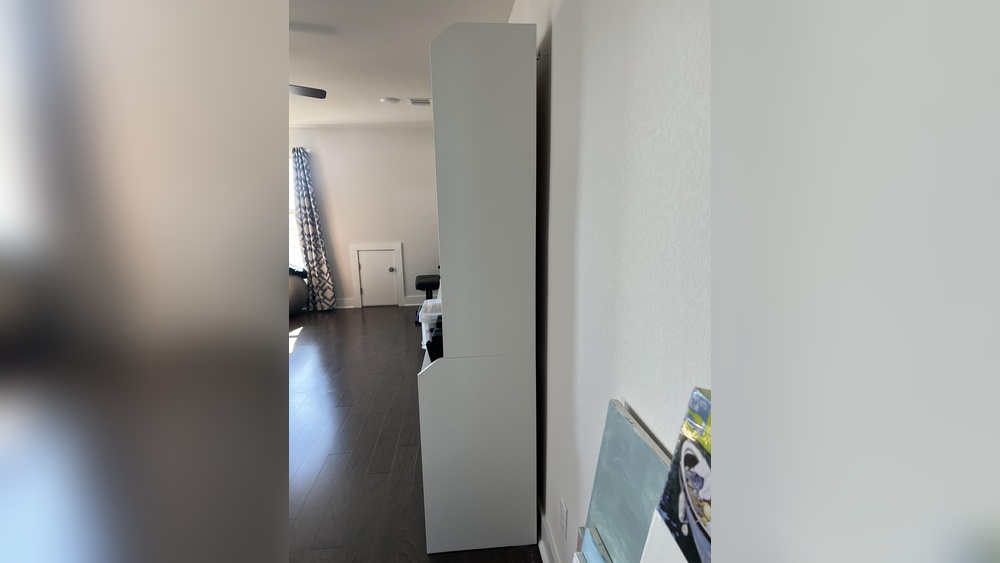
Baseboards can block direct access to the wall behind. Measure the distance from the bookcase bottom to the top of the baseboard. Check if the baseboard is thick or thin. This helps choose the right screws and anchors for a secure fit. Accurate measuring avoids drilling mistakes and damage.
Anchoring Techniques With Baseboards
Anchoring a bookcase to a wall with a baseboard requires careful planning. Baseboards can make the process tricky but not impossible. Choosing the right technique ensures your bookcase stays secure. It also protects your walls and baseboards from damage. Below are two effective methods to anchor a bookcase when a baseboard is present.
Drilling Through The Baseboard Safely
Drilling through the baseboard is a direct way to anchor your bookcase. First, mark where the screws will go on the baseboard. Use a drill bit slightly smaller than the screw size. Drill slowly to avoid cracking the baseboard. Next, insert wall anchors to hold screws firmly. Attach the bookcase with screws, ensuring a tight fit. This method keeps the bookcase stable and the baseboard mostly intact.
Using Spacer Blocks For Stability
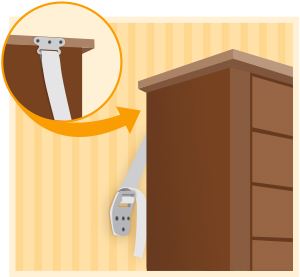
Spacer blocks create a gap between the bookcase and the baseboard. Cut small wooden blocks to fit behind the bookcase. Attach these blocks to the wall above the baseboard. Then, screw the bookcase into the spacer blocks. This avoids drilling into the baseboard. Spacer blocks add strength and prevent damage. They are ideal for delicate or decorative baseboards.
Credit: www.childproofingexperts.com
Securing The Bookcase
Securing the bookcase to the wall is a key step to ensure safety and stability. It prevents the bookcase from tipping over. This is especially important in homes with children or pets. Proper anchoring protects your books and decorations from falling.
Start by choosing the right brackets and tools. Then, follow the steps carefully to attach the bookcase firmly. Check each connection to make sure everything is tight and aligned. A well-secured bookcase lasts longer and offers peace of mind.
Attaching Brackets Correctly
Place brackets at the top back of the bookcase. Mark the spots on the wall above the baseboard. Use a stud finder to locate wall studs behind the baseboard. Drill pilot holes into the studs for strong support. Screw the brackets tightly into both the bookcase and wall. Avoid screwing only into drywall. This ensures the bookcase stays firmly in place.
Double Checking Alignment And Tightness
After attaching brackets, check if the bookcase stands straight. Use a level to see if it leans forward or sideways. Tighten all screws again to remove any looseness. Push gently on the bookcase to test stability. If it moves, tighten the brackets more or adjust placement. This step keeps the bookcase safe and secure.
Safety Tips And Best Practices
Anchoring a bookcase to a wall with a baseboard requires care and attention. Safety is the main goal. Follow these tips and best practices to protect your walls and keep the bookcase secure. This way, your furniture stays stable and your home stays safe.
Avoiding Wall Damage
Use the right tools to avoid damaging your wall. Start by locating wall studs with a stud finder. Avoid drilling into pipes or electrical wires. Mark the spots carefully before drilling. Use anchors designed for your wall type. Place the screws above or below the baseboard to prevent cracks. Work slowly and do not force the drill. Check each step to avoid mistakes.
Ensuring Long-term Stability
Choose strong brackets or straps for anchoring. Attach them securely to the wall studs. Tighten all screws firmly but do not over-tighten. Check the bookcase for wobbling after installation. Keep weight evenly distributed on shelves. Recheck the anchors periodically to ensure they stay tight. Use extra supports if the bookcase is tall or heavy. This prevents tipping and accidents over time.
Credit: www.hometalk.com
Frequently Asked Questions
How Do You Secure A Bookcase To A Wall With A Baseboard?
To secure a bookcase with a baseboard, use L-brackets or wall straps. Attach brackets to the bookcase and anchor them into wall studs, avoiding the baseboard. Use spacers if needed to clear the baseboard. This ensures stability and prevents tipping.
Can You Anchor A Bookcase Without Removing The Baseboard?
Yes, you can anchor a bookcase without removing the baseboard. Use longer screws and spacers to clear the baseboard thickness. Attach brackets to the bookcase and secure them to the wall studs. This method keeps the baseboard intact while ensuring stability.
What Tools Are Needed To Anchor A Bookcase With A Baseboard?
You need a drill, stud finder, screws, L-brackets or wall straps, spacers, level, and screwdriver. These tools help locate studs, secure brackets properly, and ensure the bookcase is level and stable against the wall.
How Do Spacers Help When Anchoring Over A Baseboard?
Spacers create a gap between the bracket and the wall, clearing the baseboard thickness. This allows brackets to sit flush against the wall behind the baseboard. Spacers ensure a secure fit without damaging the baseboard or wall.
Conclusion
Anchoring a bookcase to a wall with a baseboard keeps it steady and safe. This simple step prevents tipping accidents, especially in homes with children or pets. Use the right tools and follow the steps carefully for a secure fit.
Taking time to anchor your furniture adds peace of mind. Now, your bookcase can hold your books without worry. Safety and stability matter in every room.