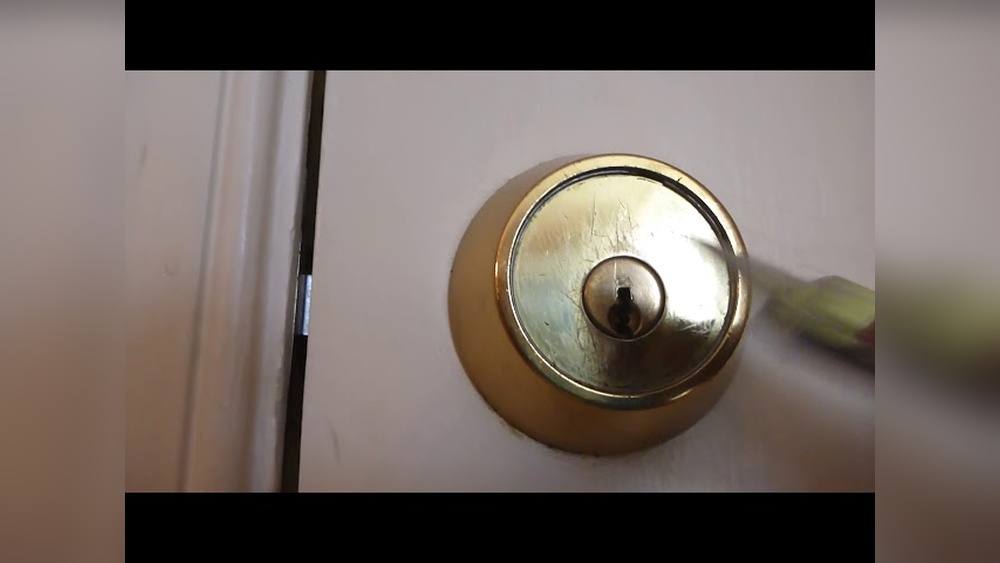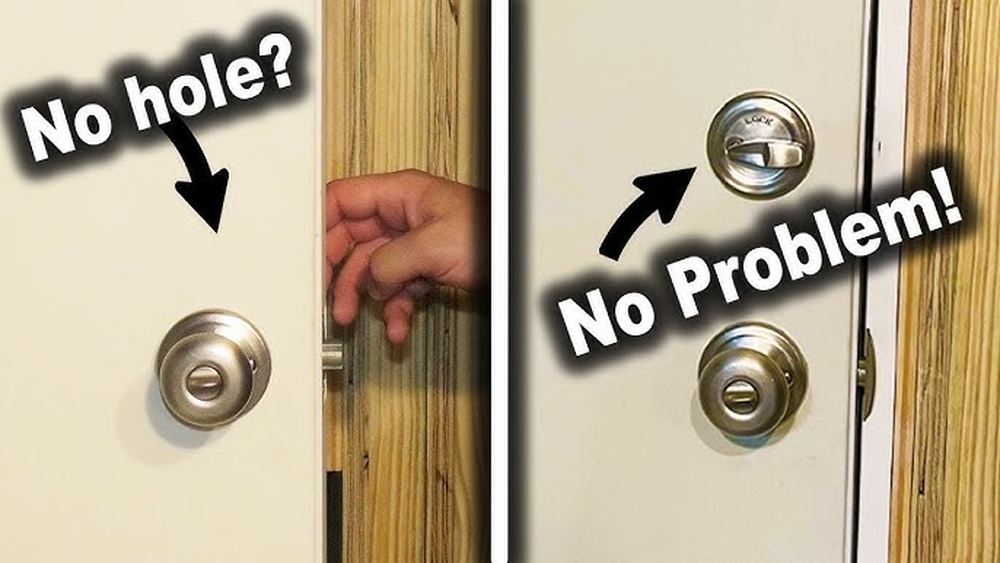
Is your deadbolt looking dirty and worn out? You might be surprised how much a grimy lock can affect the overall look of your door—and even your home’s security.
Cleaning a deadbolt isn’t as hard as you think. With the right steps, you can restore its shine and make it work smoothly again. Keep reading to discover simple, effective ways to clean your deadbolt and bring it back to life.
Your door will thank you!

Credit: www.autofiber.com
Tools And Materials Needed
Cleaning a dirty deadbolt needs the right tools and materials. Using proper items makes the task easier and more effective. It also protects your door hardware from damage. Below are the key items required for a clean, shiny deadbolt.
Cleaning Agents
Choose gentle cleaning agents to avoid harming the metal. Mild soap mixed with warm water works well. White vinegar is good for removing rust and grime. For tougher stains, use a small amount of baking soda paste. Avoid harsh chemicals that can corrode the deadbolt.
Tools For Scrubbing
Soft brushes are perfect for scrubbing without scratching. An old toothbrush fits well into tight spaces. Use microfiber cloths to wipe and polish after scrubbing. Cotton swabs help reach tiny crevices. Avoid steel wool as it may damage the finish.
Protective Gear
Wear gloves to protect your hands from cleaning agents. Safety glasses shield your eyes from splashes. Use a mask if you work with strong vinegar or powders. Proper protection keeps you safe during the cleaning process.
Preparing The Deadbolt
Cleaning a dirty deadbolt starts with good preparation. This step helps make the cleaning easier. It also protects the door and surrounding surfaces from damage. Taking time now saves more work later.
Preparing the deadbolt means removing loose dirt first. Then, protect the areas around the lock. Both steps create a safe space for cleaning. Follow these simple actions to get started.
Removing Loose Dirt
Begin by wiping the deadbolt with a soft, dry cloth. This removes dust and loose grime from the surface. Use a small brush to reach tight spots and crevices. Avoid harsh scrubbing to prevent scratches. Removing loose dirt lets cleaning solutions work better.
Protecting Surrounding Areas
Cover the door and nearby areas with painter’s tape or plastic wrap. This stops cleaning products from damaging paint or wood. Use a cloth or paper towel under the deadbolt to catch drips. Protecting these areas keeps your door looking good. It also makes clean-up easier and faster.
Cleaning Process
Cleaning a dirty deadbolt requires a few clear steps. Following the right process helps restore its look and function. Focus on gentle but effective cleaning methods. This prevents damage and keeps the deadbolt working smoothly.
Applying Cleaning Solution
Start by choosing a mild cleaning solution. Mix warm water with a small amount of dish soap. Use a soft cloth or sponge to apply the solution. Gently wipe the deadbolt surface. Avoid soaking the lock to prevent internal damage.
Scrubbing Techniques
Use a soft-bristled brush for scrubbing. Focus on crevices and hard-to-reach areas. Move the brush in small circles to lift dirt. Be careful not to scratch the metal. For stubborn spots, apply a bit more cleaning solution.
Rinsing And Drying
Rinse the deadbolt with a damp cloth. Remove all soap residue carefully. Use a dry, soft towel to pat the surface dry. Let the deadbolt air dry for a few minutes. This step prevents rust and keeps the lock working well.
Credit: clean-garage.com
Polishing The Deadbolt
Polishing the deadbolt gives it a fresh, clean look. It removes dullness and small scratches. Polishing also protects the metal from rust and wear. This step is key to restore your deadbolt’s shine and make it look nearly new again.
Choosing The Right Polish
Select a polish made for metal surfaces. Brass, chrome, and stainless steel need different products. Use a mild polish for delicate finishes. Avoid harsh chemicals that can damage the deadbolt. Test a small area before full application to prevent damage.
Buffing For Shine
Use a soft cloth to apply polish. Rub in small, circular motions. Let the polish dry for a few minutes. Then buff with a clean cloth to bring out shine. Repeat if needed for a brighter finish. Buffing removes leftover polish and reveals a smooth surface.
Maintaining The Deadbolt
Deadbolts can get dirty and stop working well over time. Dirt, rust, and sticky parts cause most problems. Fixing these issues keeps your door secure and smooth to use. This section covers common problems and easy ways to solve them.
Removing Rust
Rust makes deadbolts look old and can stop them from working. Use a wire brush to scrub off loose rust. Apply a rust remover or white vinegar to the rusty areas. Let it sit for 10 minutes, then scrub again. Wipe clean with a cloth. Repeat if needed. After removing rust, dry the deadbolt well to stop new rust from forming.
Fixing Sticky Mechanisms
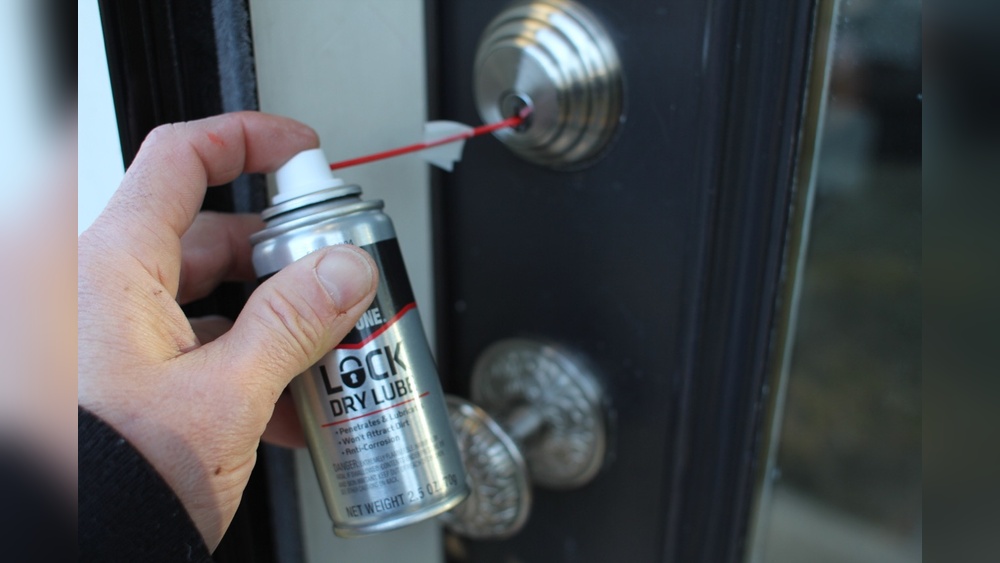
Sticky deadbolts are hard to turn or lock. Dirt and old grease often cause this. Spray a small amount of lubricant into the keyhole and moving parts. Turn the key several times to spread the lubricant inside. Use a dry cloth to remove any extra oil. Avoid using too much oil; it can attract dirt. Regular lubrication helps keep the deadbolt smooth and easy to use.

Credit: clean-garage.com
Frequently Asked Questions
How Do I Clean A Rusty Deadbolt Lock?
To clean a rusty deadbolt, use a rust remover and a wire brush. Apply the remover, scrub gently, and wipe clean. Dry the lock completely to prevent further rust. Lubricate with graphite powder or a silicone-based spray afterward for smooth operation.
What Household Items Clean A Dirty Deadbolt Effectively?
You can clean a dirty deadbolt using mild soap, warm water, and a soft cloth. For tougher grime, try white vinegar or baking soda paste. Avoid harsh chemicals that damage the lock. Always dry the lock thoroughly and lubricate to maintain function.
How Often Should I Clean My Deadbolt Lock?
Cleaning your deadbolt every six months helps maintain its appearance and function. More frequent cleaning is needed in harsh weather or dusty areas. Regular maintenance prevents dirt buildup and rust, ensuring smooth locking and unlocking.
Can I Lubricate A Deadbolt After Cleaning?
Yes, lubricate your deadbolt after cleaning to keep it working smoothly. Use graphite powder or a silicone-based lubricant. Avoid oil-based lubricants as they attract dirt and cause buildup inside the lock.
Conclusion
Cleaning a dirty deadbolt is simple and quick. Use basic tools and mild cleaners. Regular care keeps the lock working well. Avoid harsh chemicals that can damage the finish. A clean deadbolt looks better and lasts longer. You can do this yourself without special skills.
Keep your door secure and neat with easy steps. Small efforts make a big difference over time. Try it today and see the results clearly.