Are you struggling to securely attach a wall to concrete? Whether you’re building a sturdy shelf, installing a partition, or reinforcing a structure, knowing how to anchor a wall into concrete is essential.
Getting it wrong can lead to weak support and costly repairs. But don’t worry—you’re about to learn simple, clear steps that will make your project strong and safe. Keep reading, and by the end, you’ll feel confident tackling this task like a pro.
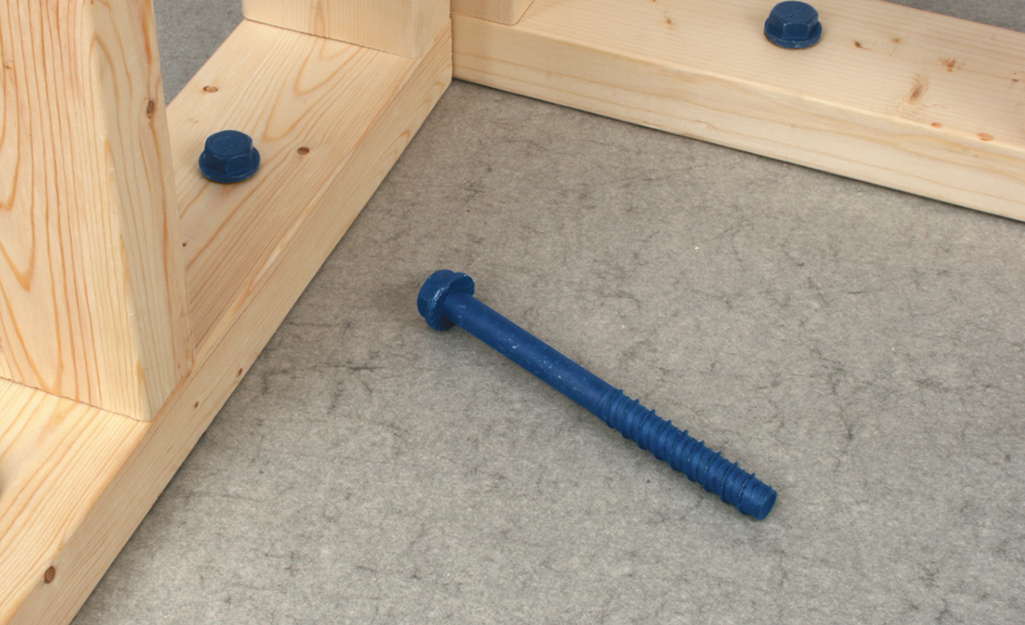
Credit: www.homedepot.com
Choosing The Right Anchors
Choosing the right anchors is key to secure walls firmly into concrete. It affects the strength and safety of your structure. The wrong anchor can cause damage or failure. Knowing different types and factors helps you pick the best fit for your project.
Types Of Concrete Anchors
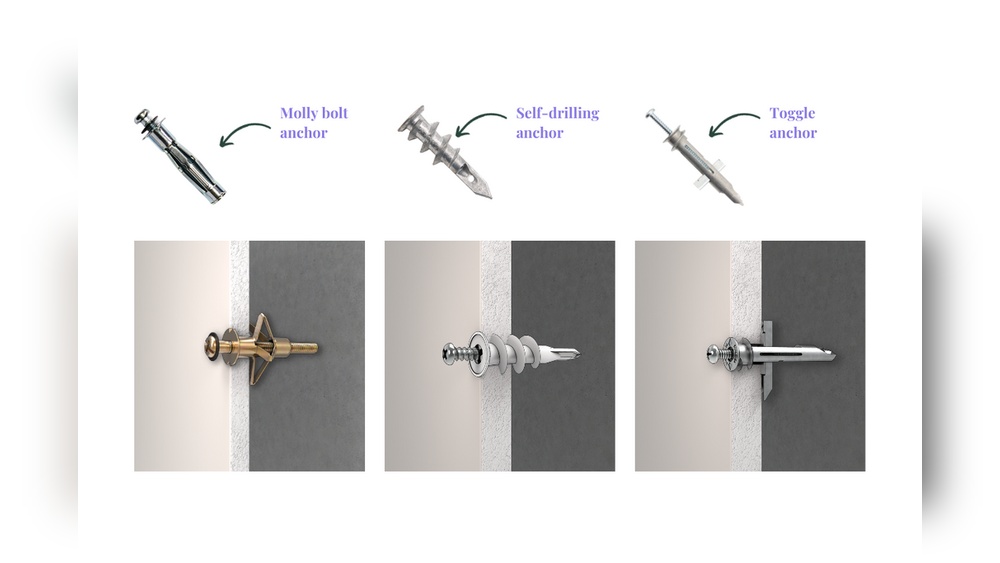
Concrete anchors come in many styles. Wedge anchors expand inside the hole for a tight grip. Sleeve anchors use a metal sleeve that expands as you tighten the bolt. Drop-in anchors sit flush with the surface and expand when a setting tool is used. Each type fits different weight and load needs.
Factors Influencing Anchor Selection
Consider the weight the anchor must hold. Light loads need smaller anchors. Heavy loads require stronger, larger anchors. Also, think about the hole size and depth in the concrete. The environment matters too. Moisture, temperature, and vibration affect anchor choice.
Materials Compatibility
Match anchor materials with the wall and concrete type. Steel anchors resist strong forces but may rust outdoors. Stainless steel works well in wet conditions. Avoid mixing metals that cause corrosion. Proper material choice ensures long-lasting support.
Preparing The Concrete Surface
Preparing the concrete surface is the first step to anchor a wall firmly. A clean and smooth surface helps the anchor hold better. It also prevents future problems like cracks or loose fittings. Careful preparation saves time and effort in the long run.
Cleaning And Inspection
Start by cleaning the concrete surface thoroughly. Remove dust, dirt, oil, and loose particles. Use a wire brush or broom for cleaning. Check the surface for cracks or damage. Small cracks might need patching before drilling.
Marking Anchor Points
Measure and mark the exact spots where anchors will go. Use a pencil or chalk for clear marks. Double-check measurements to ensure accuracy. Proper marking helps avoid mistakes and misalignment.
Drilling Techniques
Choose the right drill bit for concrete. A hammer drill works best for hard surfaces. Drill straight holes at the marked points. Keep the drill steady to avoid uneven holes. Clean out dust from holes before inserting anchors.
Installing Anchors Correctly
Installing anchors correctly is key to a strong hold on concrete walls. A poorly installed anchor can lead to weak support or damage. Follow the right steps for each type of anchor to ensure safety and durability. Proper installation also helps distribute the load evenly across the wall.
Setting Expansion Anchors
Start by drilling a hole in the concrete. Use a drill bit that matches the anchor size. Clean the hole of dust with a brush or blower. Insert the expansion anchor into the hole. Tap it gently until it sits flush with the surface. Tighten the bolt or screw. This causes the anchor to expand inside the hole, locking it firmly.
Using Sleeve Anchors
Drill a hole slightly deeper than the anchor length. Clear out any debris. Insert the sleeve anchor into the hole. Tap it in until the washer and nut touch the surface. Tighten the nut steadily. The sleeve expands against the hole walls, creating a strong grip. Check the anchor for movement before applying full load.
Applying Adhesive Anchors
Drill a hole to the correct depth and diameter. Clean the hole thoroughly with a brush and air blower. Inject the adhesive resin into the hole. Insert the anchor rod or bolt slowly, twisting it to spread the adhesive. Allow the adhesive to cure for the time stated by the manufacturer. Avoid disturbing the anchor during curing to ensure a solid bond.

Credit: www.youtube.com
Ensuring Maximum Holding Power
Ensuring maximum holding power is key when anchoring a wall into concrete. Strong anchors keep walls safe and secure. Proper steps help avoid failure and damage. Use the right tools and techniques to get the best results. Small details make a big difference in strength and safety.
Torque And Tightening Tips
Use a torque wrench to tighten anchors correctly. Each anchor type has a recommended torque value. Tighten slowly and steadily to avoid stripping threads. Do not overtighten; this can weaken the anchor. Stop tightening when resistance increases sharply. Follow manufacturer instructions for best results.
Avoiding Common Mistakes
Choose the correct anchor size for the wall thickness. Clean the hole before inserting the anchor. Dust and debris reduce holding power. Drill the hole to the right depth and diameter. Avoid hammering the anchor too hard. Check for cracks in the concrete before anchoring.
Testing Anchor Strength
Test anchors with a pull test to check strength. Use a simple pull tool or ask a professional. If an anchor moves or loosens, replace it immediately. Test several anchors to ensure consistency. Regular checks help maintain safety over time. Testing prevents accidents and costly repairs.
Safety Precautions And Tools
Anchoring a wall into concrete needs care and the right tools. Safety must be the top priority. Using proper safety gear protects you from injury. The right tools make the job easier and more accurate. Managing dust and debris keeps the workspace clean and safe.
Protective Gear Essentials
Wear safety glasses to protect your eyes from flying particles. Use ear protection to guard against loud drilling noise. Gloves protect your hands from sharp edges and rough surfaces. A dust mask prevents inhaling harmful dust from concrete. Wear sturdy shoes to protect your feet from falling objects.
Recommended Tools
Use a hammer drill to make holes in concrete easily. Choose masonry drill bits for clean, precise holes. A measuring tape helps mark exact spots for drilling. A level ensures the wall is straight and properly aligned. Use a hammer to tap anchors into holes securely.
Handling Dust And Debris
Drilling concrete creates a lot of dust. Use a vacuum or dust extractor to collect dust. Clean the area regularly to avoid slipping hazards. Sweep debris away after drilling to keep the space tidy. Good ventilation helps remove dust from the air quickly.
Troubleshooting Anchor Issues
Troubleshooting anchor issues is important to keep your wall secure. Anchors may not always hold well in concrete. Problems like cracks, loose anchors, or damage can cause failure. Identifying these issues early helps fix them quickly. This section guides you through common anchor problems and simple solutions.
Dealing With Cracks And Weak Concrete
Cracks in concrete reduce anchor strength. Small cracks can widen under pressure. Avoid placing anchors near large cracks. Use epoxy or special concrete repair products to fill cracks. Let repair dry fully before anchoring again. For weak concrete, choose anchors designed for low-strength material. Sometimes, adding a concrete overlay improves anchor hold.
Fixing Loose Anchors
Loose anchors cause walls to wobble. Check if the hole is too big or dirty. Clean the hole with a brush or air blower. Use a larger anchor or one with a wider thread. Apply epoxy to the hole before inserting the anchor. Tighten anchors carefully to avoid stripping the hole. If loose again, replace the anchor with a stronger type.
When To Replace Anchors
Replace anchors if they show rust or damage. Bent or cracked anchors lose holding power. If anchors pull out easily, do not reuse them. New anchors need clean, undamaged holes. Use the right size and type for your wall and load. Replace anchors during major repairs or remodeling for safety.
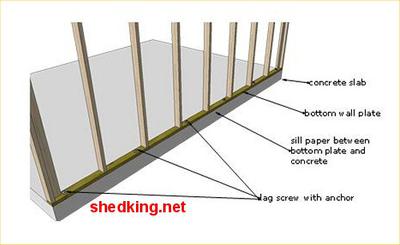
Credit: www.shedking.net
Frequently Asked Questions
How Do You Anchor A Wall To Concrete?
To anchor a wall to concrete, drill holes in the concrete and use expansion bolts or anchors. Secure the wall plate with washers and nuts. This ensures a strong, stable connection for structural support.
What Types Of Anchors Work Best For Concrete Walls?
Expansion anchors, wedge anchors, and sleeve anchors work best for concrete walls. They provide strong holding power. Choose based on load requirements and wall thickness for optimal safety and durability.
How Deep Should Holes Be When Anchoring Walls?
Holes should be at least 1. 5 times the length of the anchor. This ensures proper grip and stability. Follow the anchor manufacturer’s instructions for exact depth to avoid weak connections.
Can You Anchor A Wall Without Concrete Anchors?
No, concrete anchors are essential for secure wall anchoring. Using screws or nails alone won’t provide the needed strength or safety. Anchors distribute load evenly and prevent wall movement.
Conclusion
Anchoring a wall into concrete is simple with the right steps. Start by choosing the correct anchors for your wall type. Drill holes carefully and clean out the dust. Insert anchors firmly and tighten screws securely. This process keeps your wall strong and safe.
Take your time and follow each step closely. A well-anchored wall lasts longer and holds better. Practice these tips to improve your DIY skills. Your concrete wall will stay sturdy and reliable.