Are you tired of struggling to remove those sticky Command wall hooks without damaging your walls? You’re not alone.
Many people find it frustrating when adhesive hooks leave behind marks or peel off paint. But what if you could get rid of them quickly and cleanly, without any hassle? In this guide, you’ll discover simple, effective steps to remove Command wall hooks and their adhesive, keeping your walls looking perfect.
Keep reading to learn how to make this chore easy and stress-free.
Tools Needed
Preparing the area is the first step in removing Command wall hooks safely. It helps protect your wall and makes the removal easier. Taking time to get ready can save you from damage and mess.
Clear The Wall
Remove any items hanging on or near the hook. Clear the wall space around the hook. This gives you room to work without knocking things down. A clear wall also helps you see the hook and adhesive better.
Protect Surroundings
Place a soft cloth or towel under the hook. Cover nearby furniture or floors with a protective sheet. This prevents scratches or adhesive stains. Use painter’s tape on edges near the hook to avoid paint damage.

Credit: www.youtube.com
Preparing The Area
Removing Command wall hooks is simple if you follow the right steps. The key is to avoid damage to your wall. Start by gently handling the hook and adhesive strip. This helps keep your paint and drywall intact. Patience is important. Quick pulling can cause trouble.
Pulling The Adhesive Strip
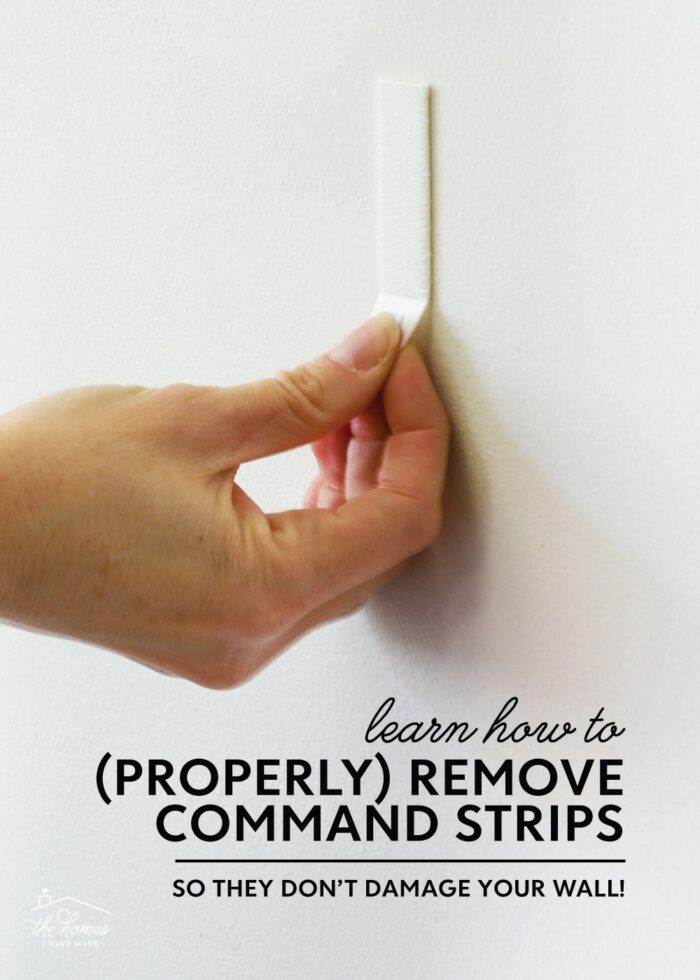
Hold the hook firmly with one hand. Use your other hand to find the adhesive strip tab. Slowly pull the strip straight down. Pulling downward stretches the adhesive. This action releases the sticky bond without damage.
Keep pulling the strip slowly. Do not yank or pull outwards. Stretching the strip maintains wall safety. The adhesive will release after a few seconds of steady pulling.
Using Heat To Loosen Adhesive
Sometimes the adhesive is stubborn. Use a hair dryer on low heat. Warm the adhesive area for about 30 seconds. Heat softens the glue under the strip.
After warming, try pulling the strip again. The heat makes the adhesive easier to stretch. This method reduces risk of wall damage. Use heat carefully. Too much heat can harm paint.
Removing The Hook
After removing Command wall hooks, some sticky residue often stays behind. This leftover adhesive can attract dust and dirt, making surfaces look messy. Cleaning this residue carefully helps restore your walls or furniture to their original state. It also prevents damage and keeps the area ready for new hooks or decorations.
Adhesive Removers
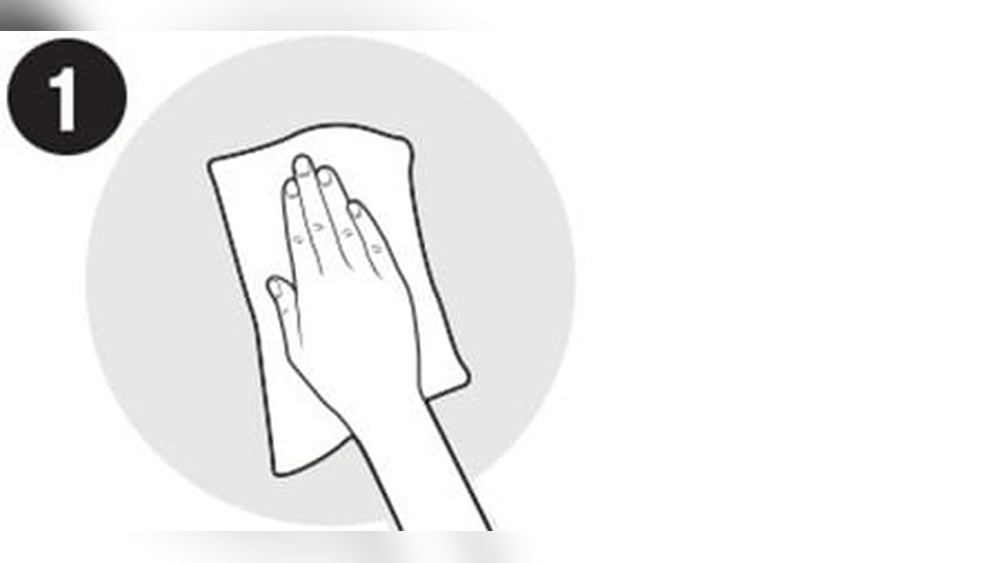
Adhesive removers are products designed to break down sticky residue. Apply a small amount to a cloth and gently rub the affected area. These removers dissolve the glue, making it easier to wipe away. Test the remover on a hidden spot first to avoid damage. Follow the product instructions for best results.
Natural Cleaning Options
Natural options work well for light adhesive residue. Warm soapy water softens the glue, allowing you to wipe it off. White vinegar also helps break down sticky patches. Dab vinegar on a cloth and rub the residue gently. Olive oil or peanut butter can loosen glue too. After using oils, clean the surface with soap and water to remove any leftover grease.
Cleaning Residue
Removing Command wall hooks without harming your walls takes care and patience. The right steps protect paint and drywall. This guide shares gentle ways to pull off hooks safely. It also shows when to stop and ask for help.
Gentle Techniques
Start by holding the hook’s base firmly. Pull the adhesive strip slowly straight down, not outward. Stretch the strip along the wall, not away. This reduces stress on paint and drywall.
Use your fingers to keep the strip taut. Avoid jerking or quick moves. If the strip resists, try warming it slightly with a hairdryer. Warmth softens the glue, making removal easier.
When To Stop And Seek Help
If the strip tears or the hook won’t budge, stop pulling. For stubborn hooks, use a plastic card to ease under the adhesive. Don’t force the hook off or scrape the wall.
Call a professional if paint peels or drywall crumbles. Small wall damage can grow worse without expert repair. Protect your walls by knowing when to get help.
Avoiding Wall Damage
Removing Command wall hooks leaves your walls ready for a fresh start. Taking care of the surface helps keep walls neat and strong. Reusing walls correctly means fewer repairs and better results. Here are simple tips to prepare your walls for new hooks or paint.
Surface Repair
Check the wall for any marks or holes. Use a small amount of spackle to fill holes left by hooks. Smooth the area with a putty knife and let it dry. Lightly sand the spot to make it even with the wall. Clean dust off with a soft cloth before painting or sticking new hooks.
Preparing For New Hooks
Clean the wall surface with rubbing alcohol to remove oils and dirt. Avoid using water or cleaning sprays that leave residue. Let the wall dry fully before applying new hooks. Follow the package instructions for the best stick. Press firmly for 30 seconds to ensure strong adhesion.
Credit: thehomesihavemade.com

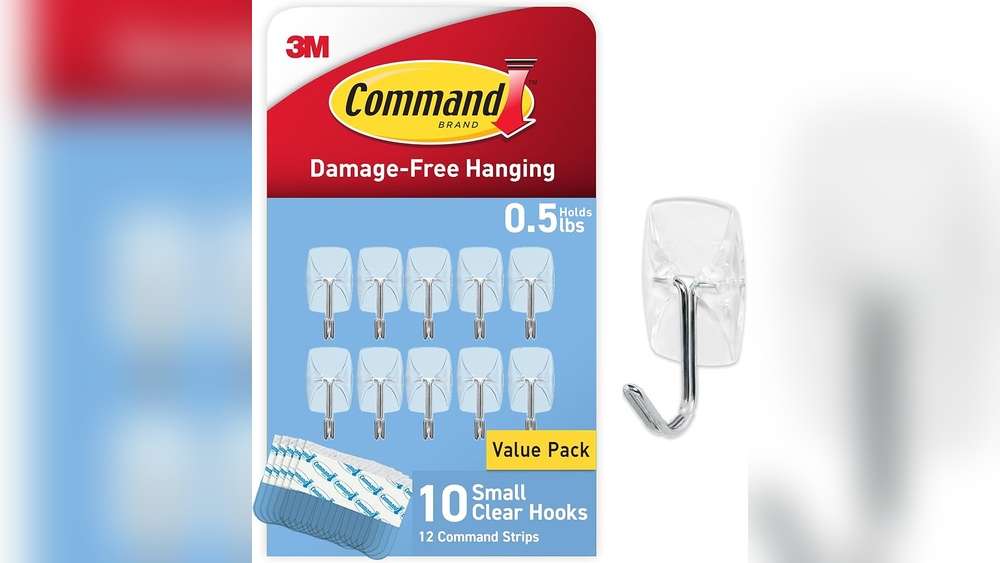
Credit: www.amazon.com
Frequently Asked Questions
How Do I Safely Remove Command Wall Hook Adhesive?
To remove Command wall hook adhesive safely, pull the adhesive strip downward slowly. Stretch it gently until it releases from the wall without damaging the surface.
Can I Reuse Command Wall Hook Adhesive Strips?
No, Command adhesive strips are designed for one-time use only. Always use new strips for secure and reliable adhesion.
What Surfaces Are Best For Command Hook Removal?
Smooth, clean, and dry surfaces like painted walls or tiles work best. Avoid rough or textured surfaces for easy removal.
How To Avoid Damage When Removing Command Hooks?
Pull the adhesive strip straight down slowly. Do not yank or pull outward, which may damage paint or wall surfaces.
Conclusion
Removing Command wall hook adhesive is simple and safe. Pull the tab slowly to avoid damage. Warm the adhesive with a hairdryer if it feels stuck. Clean any leftover sticky bits with rubbing alcohol or soap and water. These steps help keep your walls clean and smooth.
You can reuse the hooks or try new ones easily. No marks, no fuss. Just a quick, easy removal every time.