Hanging hooks on a cement wall might seem tricky at first, but it doesn’t have to be. Whether you want to organize your tools, hang decorations, or create extra storage, getting it right makes all the difference.
You might worry about drilling the wrong spot or damaging your wall. Don’t let that hold you back. In this guide, you’ll discover simple, step-by-step tips that make the job easy and stress-free. By the end, you’ll feel confident and ready to add those hooks exactly where you want them.
Keep reading to learn how to turn your cement wall into a functional space without any hassle.

Credit: www.amazon.com
Tools And Materials Needed
Hanging hooks on a cement wall requires the right tools and materials. Choosing suitable items makes the job easier and ensures strong support. Prepare all tools before starting to avoid delays and mistakes.
Types Of Hooks Suitable For Cement Walls
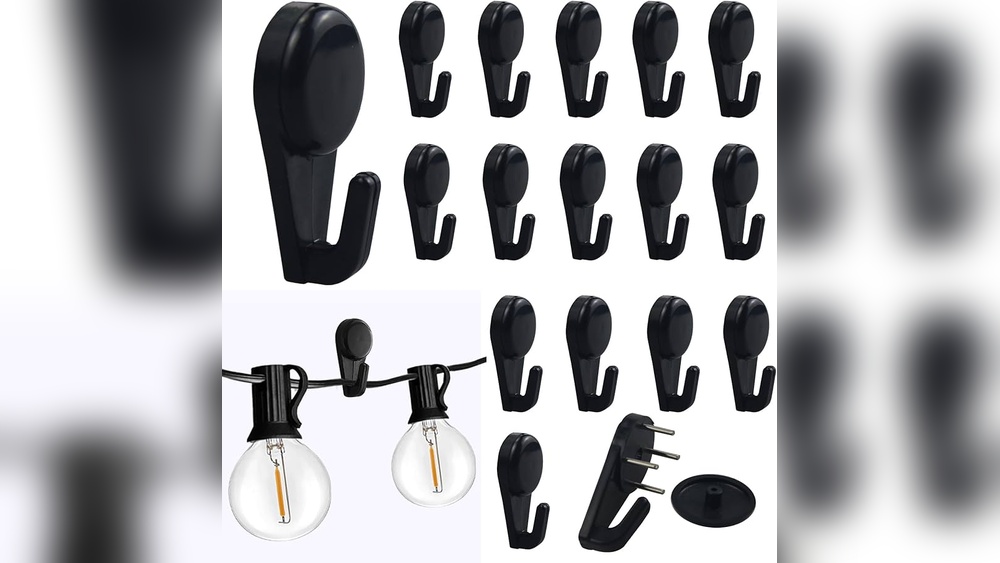
Select hooks designed to hold weight on hard surfaces. Metal hooks with threaded ends work well. Screw-in hooks provide firm grip in cement. Avoid plastic hooks as they may break easily. Choose hooks that fit the item’s weight and size.
Essential Drilling Equipment
A power drill is necessary to make holes in cement. Use a hammer drill for better results on hard walls. Choose a masonry drill bit that matches the hook size. A tape measure helps place hooks accurately. Safety glasses protect your eyes from dust and debris.
Anchors And Screws Selection
Use anchors designed for cement or concrete walls. Plastic expansion anchors fit small holes and light loads. Metal anchors provide extra strength for heavier items. Match the screw size with the anchor and hook. Tight screws hold hooks firmly without damaging the wall.

Credit: www.wikihow.com
Preparing The Cement Wall
Preparing the cement wall is the first step to hang hooks securely. Proper preparation helps hooks hold strong and last longer. It also makes the process easier and safer. This part covers cleaning the wall and marking the spots for hooks.
Cleaning The Surface
Start by cleaning the cement wall. Remove dust, dirt, and loose paint. Use a stiff brush or broom to sweep the surface. Wipe the area with a damp cloth for better results. Let the wall dry completely before drilling. A clean surface ensures better grip for anchors and screws.
Marking Hook Positions
Decide where you want to place the hooks. Use a pencil or chalk to mark the spots. Measure the space carefully for even placement. Check the height and distance between hooks. Marking helps avoid mistakes and keeps the layout neat. Double-check the marks before drilling holes.
Drilling Into Cement
Drilling into cement is the first step to hang hooks securely. Cement walls are tough and need the right tools and methods. Using the wrong drill or technique can cause cracks or damage. Follow simple steps to drill clean holes without stress. This ensures hooks hold well and last long.
Choosing The Right Drill Bit
Select a masonry drill bit for cement walls. These bits have a special tip to break hard cement easily. Avoid regular wood or metal bits. Choose the right size to fit your hook anchors. Bigger holes need larger bits, smaller hooks need thinner bits. Check the drill bit condition. A dull bit makes drilling harder and damages the wall.
Drilling Techniques For Cement Walls
Mark the spot clearly before drilling. Use a hammer drill for faster and easier drilling. Start with a small pilot hole to guide the larger bit. Drill slowly and steadily, without pushing too hard. Stop occasionally to clear dust from the hole. This prevents overheating and keeps the drill bit sharp. Keep the drill straight to avoid uneven holes.
Installing Anchors
Installing anchors is a key step to hang hooks securely on cement walls. Anchors hold the hook firmly and prevent it from falling. Without anchors, screws may loosen or damage the wall.
Choosing the right anchor and placing it correctly ensures strong support. This section explains types of anchors and how to place them properly.
Types Of Anchors For Cement
Plastic anchors are common and easy to use. They expand when the screw goes in, gripping the cement. Suitable for light loads like small hooks.
Metal anchors, such as sleeve anchors, offer more strength. They expand inside the hole and hold heavy items. Best for large hooks or heavy objects.
Hammer drive anchors work by pounding into the wall. They are quick to install but support moderate weight only.
Choose anchors based on the weight of your hook and the item it will hold.
Proper Anchor Placement
Mark the exact spot on the wall where you want the hook. Use a pencil or chalk for clear marking.
Drill a hole slightly smaller than the anchor size. This keeps the anchor tight inside the wall.
Clean dust from the hole using a brush or air blower. Dust can weaken the anchor grip.
Insert the anchor fully into the hole. Tap gently with a hammer if needed to make it flush with the wall.
Now, screw the hook into the anchor slowly. Tighten it until secure, but do not over-tighten to avoid damage.
Securing Hooks Firmly
Securing hooks firmly on a cement wall is key to holding weight safely. Poorly secured hooks can fall and cause damage or injury. Follow the right steps to fix hooks strong and steady.
Attaching Hooks To Anchors
First, insert the correct wall anchor into the drilled hole. Use anchors made for cement walls for best grip. Push the anchor fully into the hole until flush with the wall surface. Next, align the hook with the anchor. Screw the hook into the anchor by turning it clockwise. Tighten the hook so it feels solid but avoid over-tightening. Over-tightening can damage the anchor or wall.
Testing Hook Stability
After attaching the hook, test its strength before hanging items. Pull the hook gently in different directions. The hook should not wiggle or feel loose. Hang a light item to check how it holds. Increase the weight gradually to the desired load. If the hook moves or slips, remove it and try a stronger anchor. Stable hooks protect your belongings and keep walls safe.
Tips For Long-lasting Holds
Hanging hooks on a cement wall requires care to keep them strong over time. Proper steps help prevent damage and hold weight well. Follow these tips to ensure your hooks stay secure for a long time.
Small actions make a big difference in hold strength and durability.
Avoiding Common Mistakes
Do not use the wrong type of drill bit. Use a masonry bit for cement walls only.
Do not skip using anchors or plugs. They spread the load and keep hooks tight.
Do not drill holes that are too large or too small. Fit anchors snugly in the holes.
Do not overload hooks. Check the weight limit before hanging items.
Maintenance And Care
Check hooks regularly for looseness or damage. Tighten screws if needed.
Clean hooks and wall area to remove dust and dirt. It helps keep grips strong.
Replace worn or rusted hooks promptly. Old hooks can fail unexpectedly.
Use rust-resistant hooks in moist or outdoor areas. They last longer in tough conditions.

Credit: www.caaap.org.pe
Frequently Asked Questions
How Do I Hang Hooks On A Cement Wall Safely?
To hang hooks on cement walls safely, use a masonry drill bit and anchors. Drill a hole, insert the anchor, then screw in the hook. This ensures a strong hold without damaging the wall.
What Tools Are Needed To Hang Hooks On Cement Walls?
You need a hammer drill with a masonry bit, wall anchors, screws, a screwdriver, and a pencil for marking. These tools make the process efficient and secure.
Can I Hang Heavy Items On Hooks Fixed To Cement Walls?
Yes, if you use the right anchors and screws. Choose heavy-duty anchors designed for cement to hold heavier items without risk of falling.
How Do I Choose The Right Anchor For Cement Walls?
Select anchors based on the wall’s thickness and the item’s weight. Plastic anchors suit light items; metal or sleeve anchors work for heavier loads.
Conclusion
Hanging hooks on a cement wall is simple with the right steps. Choose strong hooks and use proper tools for safety. Drill carefully and fix anchors to hold the hooks firmly. Take your time and check each step to avoid mistakes.
This method helps you organize spaces neatly and saves room. Try it yourself and enjoy a tidy, functional wall. Practice makes perfect, so don’t worry if it takes time. You’ll get better with each try.